Important: Medical Emergency
Stroke (brain attack) is a **medical emergency**. Immediate conventional care (call emergency services / take patient to stroke center) is essential. The content on this page addresses post-acute rehabilitation and supportive care where Ayurveda can safely contribute under medical coordination.
What is Stroke (Brain Attack)?
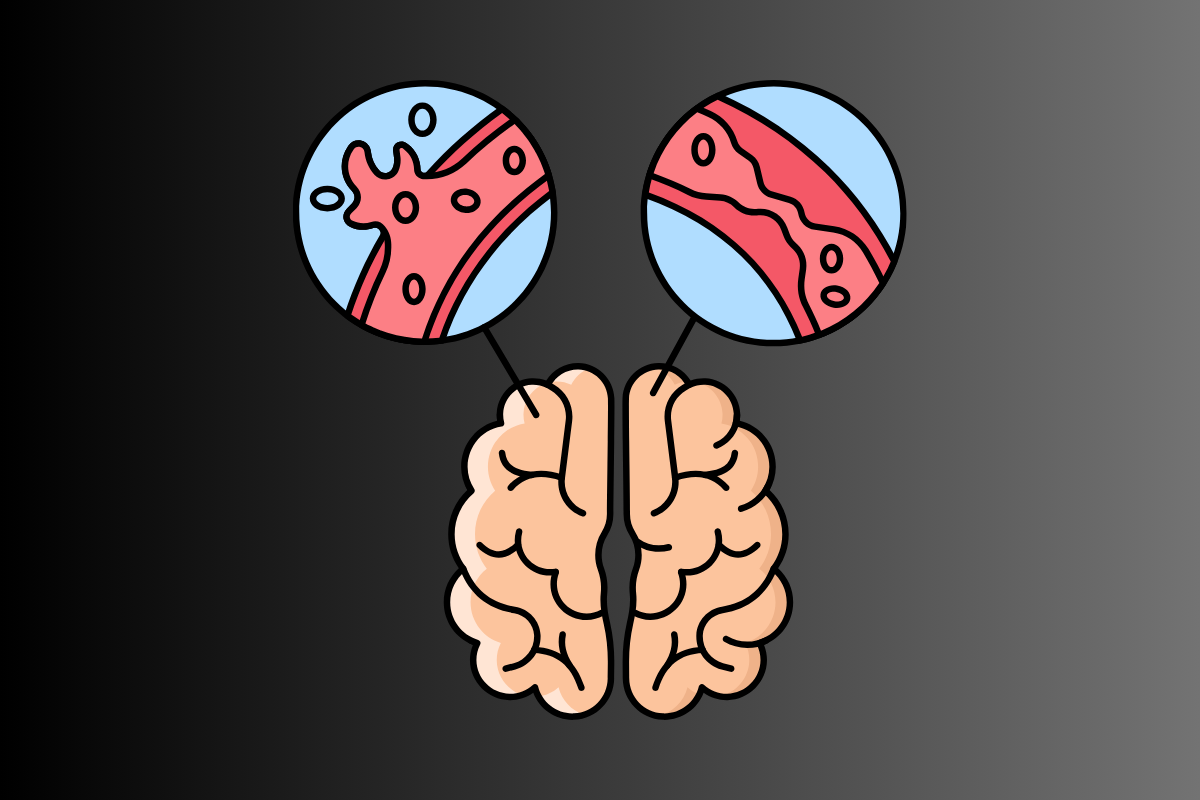
Stroke occurs when blood flow to a portion of the brain is interrupted (ischemic stroke) or when a blood vessel ruptures (hemorrhagic stroke). Results can include weakness or paralysis on one side, speech and swallowing problems, sensory loss, cognitive changes, and balance/coordination deficits.
Common deficits after stroke
- Hemiparesis or hemiplegia (weakness/paralysis of one side)
- Spasticity, muscle tightness and contractures
- Speech (aphasia), swallowing dysfunction (dysphagia)
- Cognitive changes, fatigue, and mood disturbances
Ayurvedic perspective
In Ayurveda, stroke-like conditions are described under terms such as Pakshaghata (paralysis) and are seen as severe Vata derangements affecting the nervous system. Treatment focuses on pacifying Vata, nourishing nervous tissues (Majja, Snayu), improving circulation, reducing spasm and facilitating neuro-rehabilitation.
How Ayurveda Helps in Stroke Recovery
Ayurveda contributes primarily during the rehabilitation phase — aiming to:
- Pacify aggravated Vata which causes weakness and impaired nerve conduction.
- Nourish Majja (nerve & marrow tissue) and Snayu (tendons/ligaments) to support motor recovery.
- Reduce spasticity, relax muscles, and improve joint mobility.
- Support cognition, sleep and mood to facilitate overall recovery.
- Coordinate closely with neurologists and physiotherapists for safe, effective integration.
Therapies We Provide — Useful in Stroke Rehabilitation (photos included)
Therapies listed below are used at our clinic to support neurological recovery, reduce spasticity and rebuild function. Each entry includes an image for reference and clear guidance on indications and frequency. All procedures are performed after neurological clearance.
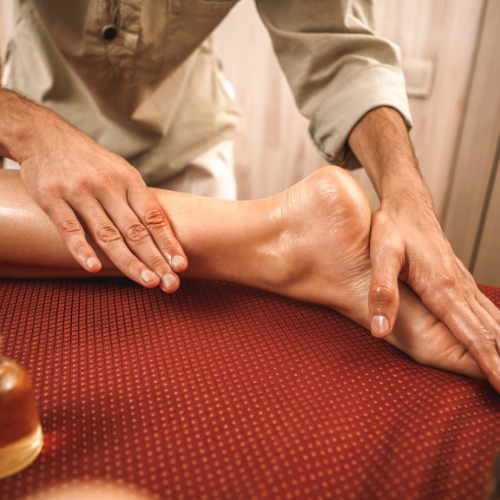
Abhyanga — Therapeutic Oil Massage Stroke
What it is: Warm, medicated full-body oil massage tailored to pacify Vata and nourish nerves and muscles.
- Improves peripheral circulation, reduces muscle stiffness and promotes relaxation.
- Enhances lymphatic drainage and prepares muscles for physiotherapy sessions.
- How used: gentle, longer strokes on the affected side; daily or alternate days during intensive rehab, then maintenance.
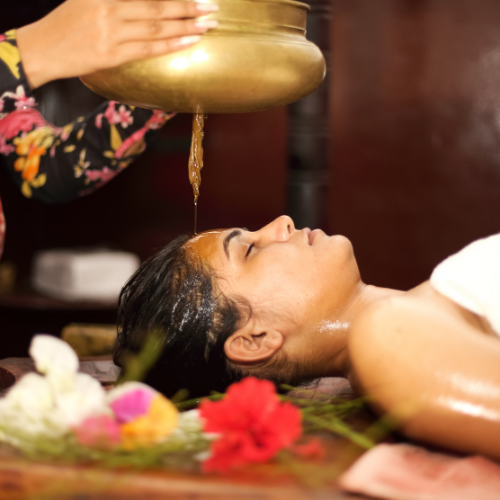
Shirodhara — Nervine Calming Therapy
What it is: Steady stream of warm herbal oil on the forehead to calm the nervous system.
- Reduces stress, improves sleep and cognitive recovery — helpful for post-stroke agitation, insomnia, and attention deficits.
- Supports neuroplasticity indirectly by improving rest and reducing sympathetic overactivity.
- Used as adjunct 1–2× weekly during recovery, per tolerance.
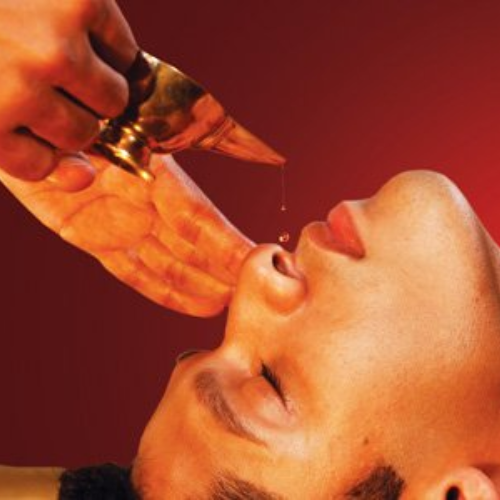
Nasyam (Nasal Therapy)
What it is: Administration of medicated oils/drops through the nose to clear head region and nourish cranial nerves.
- Used early in rehabilitation to improve facial nerve function, swallowing reflex and sensory retraining.
- Helps reduce post-stroke facial weakness and supports speech/swallowing therapy when combined with conventional rehab.
- Always administered by trained practitioner with neurological clearance.
Basti (Medicated Enema)
What it is: Therapeutic medicated oil/decoction enemas aimed at pacifying Vata and nourishing the nervous system.
- Considered a powerful Vata-pacifying procedure — can support motor recovery and reduce generalized Vata-related rigidity.
- Given as a carefully supervised course and combined with external therapies and rehab exercises.
- Used selectively and only after full clinical assessment and medical clearance.
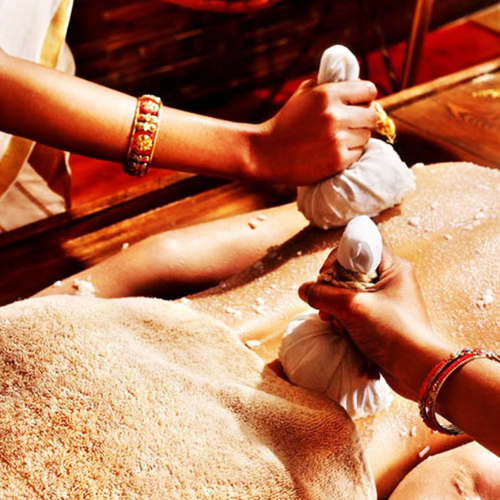
Njavara Kizhi — Rejuvenative Bolus Therapy
What it is: Warm Njavara rice boluses cooked in herbal decoction applied rhythmically across muscles.
- Provides deep nourishment to muscles and nerves and helps reduce long-standing stiffness on the affected side.
- Supports muscle tone normalization and enhances response to physiotherapy.
- Often used in repeated courses during rehabilitation for chronic hemiparesis.
Lepam (Topical Herbal Paste)
What it is: Medicinal paste applied over spastic muscles and painful joints to reduce local tone and pain.
- Used to soften local hypertonic muscles and relieve pain around affected joints.
- Applied after Abhyanga/Swedana to enhance penetration; helps reduce contracture risk when combined with stretching.
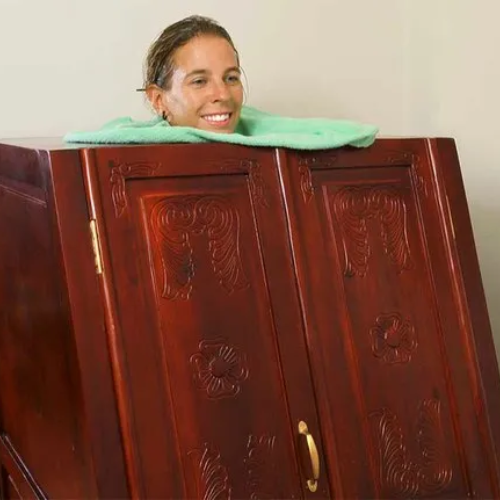
Swedan / Nadi Swedan (Steam Therapy)
What it is: Whole-body or localized steam to relax muscles and improve local circulation.
- Reduces muscle spasm and prepares tissues for stretching and physiotherapy.
- Localized Nadi Swedan can be used on spastic limbs to improve flexibility.
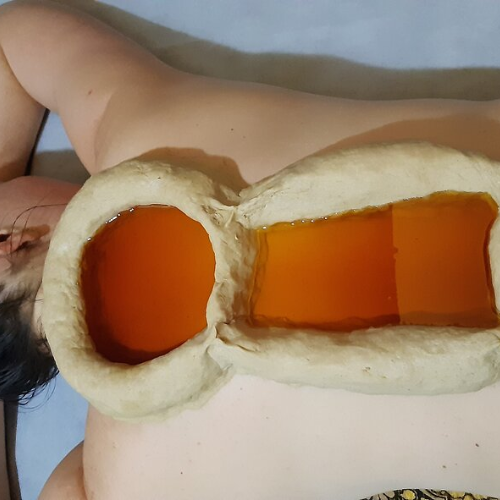
Prishtha / Kati Vasti (Back Oil Retention)
What it is: Medicated oil retained over the back/spine to reduce deep muscular tension and improve posture.
- Supports spinal muscle relaxation and improves trunk stability — helpful when stroke survivors have asymmetry and back strain.
- Useful adjunct to core-strengthening physiotherapy.
Herbal & Nutritional Support
Ayurvedic herbs are used to support nerve health, reduce oxidative stress, and improve strength. All herbal prescriptions are individualized and coordinated with medical treatment.
- Ashwagandha: Nervine tonic, supports recovery and reduces fatigue.
- Brahmi (Bacopa): Cognitive support for memory and attention.
- Shatavari / Rasayanas: Rejuvenation and tissue nourishment.
- Nutritive focus: Adequate protein, B-vitamins (for nerve health), omega-3s, and micronutrients (iron, vitamin D, calcium) as per medical testing.
- Hydration & bowel health: Regular Basti courses may assist Vata balance and improve GI absorption.
We check for drug-herb interactions (e.g., anticoagulants like warfarin / DOACs) and always coordinate with the treating neurologist before starting herbs.
Rehabilitation — Integration with Physiotherapy & Speech Therapy
Ayurvedic therapies are most effective when combined with conventional rehabilitation:
- Physiotherapy: Task-specific training, constraint-induced movement therapy, balance & gait training — timed with Abhyanga/Njavara sessions.
- Speech & swallow therapy: Combined with Nasyam and oral neurosupportive herbs for dysphagia and aphasia support.
- Occupational therapy: Splinting, ADL training and contracture prevention; topical Lepam and potli used to reduce local spasm before exercises.
Sample Clinic Plans (Examples)
Early Rehab Support (week 1–4 after acute stabilization)- Gentle Abhyanga + Nasyam (as tolerated)
- Shirodhara for sleep/attention support (1× weekly)
- Begin physiotherapy with therapist coordination
Intensive Neuro-Rehab (weeks 4–12)- Njavara Kizhi cycles and targeted Lepam for spastic muscles
- Basti course (if indicated) + customized oral rasayanas
- Daily physiotherapy & occupational therapy integration
Maintenance & Long-term Recovery- Monthly Abhyanga / Njavara session, home exercise program
- Herbal neuro-support and cognitive training
- Periodic reassessment and neurologist coordination
Plans are individualized. Procedures like Basti and Nasyam need neurological clearance and monitoring. Acute stroke care (thrombolysis / thrombectomy) remains priority when indicated.
Quick Reference — Therapies & Roles
| Therapy | Primary role in stroke rehab | Notes |
|---|
| Abhyanga | Circulation, reduce spasticity | Prepare for physio |
| Nasyam | Facial/speech/swallow reflex support | Administered carefully |
| Njavara Kizhi | Deep nourishment, muscle recovery | Repeated cycles improve tone |
| Basti | Vata pacification, systemic nourishment | Clinical supervision required |
| Shirodhara | Calm nervous system, sleep & cognition | Adjunctive therapy |
| Lepam | Local spasm & pain relief | Use with stretching |
Safety, Coordination & Monitoring
- Stroke survivors often take antiplatelets / anticoagulants — we review medications before any invasive procedures.
- Basti and other Panchakarma require medical clearance and are scheduled only when safe.
- We perform baseline vitals and collaborate with neurologists, physiotherapists and speech therapists to ensure integrated care.
- Any sudden neurological deterioration requires immediate medical attention — stop therapies and consult emergency care.
Ready to start a coordinated Ayurvedic rehab program?
Book a multidisciplinary assessment — we will review your neurological status, design a safe therapy & rehab plan and coordinate closely with your neurologist and therapists.
Book ConsultationAll therapies are performed by qualified Ayurvedic physicians in coordination with medical teams when required.