Important: Paralysis can be a medical emergency (e.g., stroke) or a sign of serious neurological disease. Immediate medical assessment is essential. Ayurveda offers supportive rehabilitation and recovery therapies but does not replace urgent medical care. We coordinate closely with neurologists and physiotherapists.
What is Paralysis?
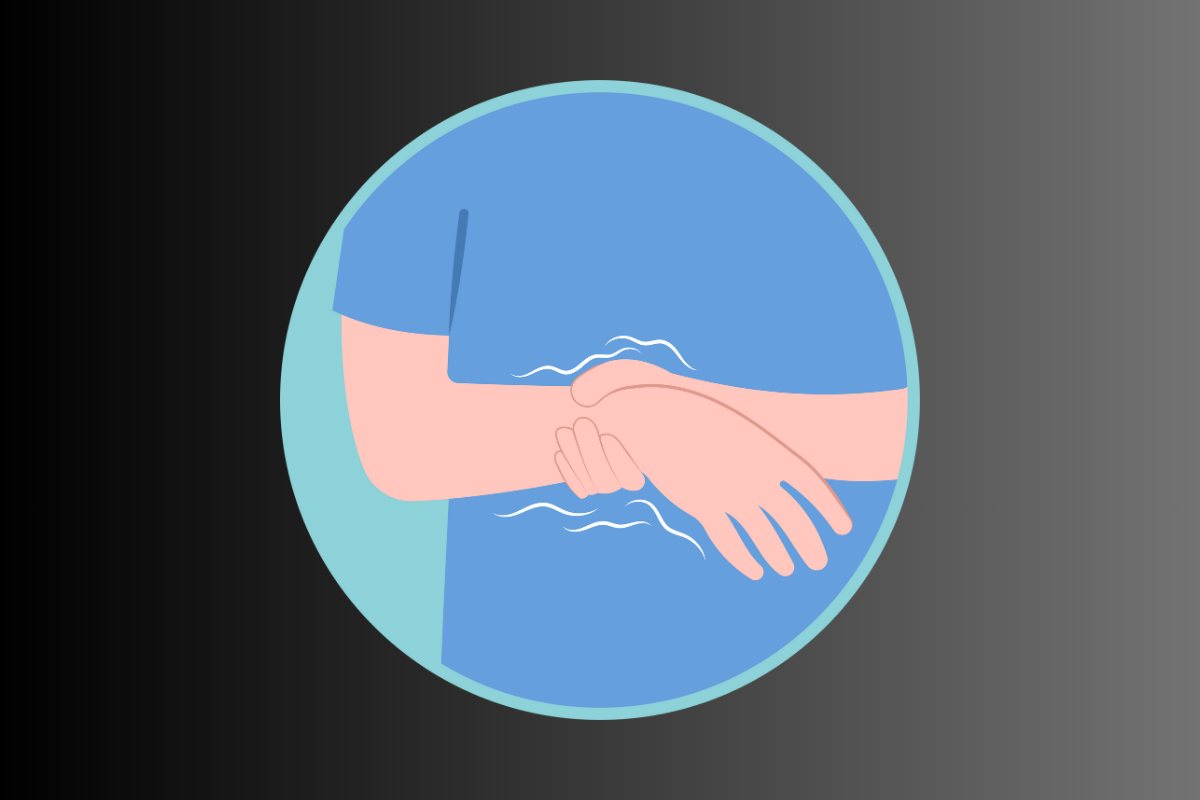
Paralysis refers to loss (partial or complete) of voluntary muscle function due to injury or dysfunction of the nervous system. It may be localized (facial, limb) or widespread and may arise from stroke, nerve injury, infections, or other neurological conditions.
Common presentations
- Facial paralysis (Bell's palsy) — weakness of facial muscles on one side.
- Hemiplegia / Hemiparesis — weakness of one side of the body (often post-stroke).
- Peripheral nerve palsies — localized limb weakness or numbness.
- Flaccid (weak, floppy) or spastic (stiff, tight) presentations depending on lesion.
Ayurvedic view
In Ayurveda, paralysis (Pakshaghata, Ardita for facial paralysis) is commonly linked to aggravated Vata affecting the neurological channels (Sira, Snayu, Sandhi). Treatment aims to pacify Vata, clear Ama, nourish nerves and muscles, reduce spasm, and restore function through therapies, medicines and rehabilitation.
Our Ayurvedic Approach to Paralysis
We use a multimodal approach combining:
- Early medical coordination: ensure imaging/labs (CT/MRI) and acute care when required; rule out treatable causes.
- Detox & Vata pacification: Medicated oils, Basti (enema) courses when indicated to reduce Vata and support neural recovery.
- Targeted local therapies: Njavara Kizhi, Abhyanga, Nadi Swedan, Vasti techniques over affected regions to nourish tissues and reduce stiffness.
- Neuro-rehabilitation: Physiotherapy, neuromuscular re-education, gait training, occupational therapy and home exercise program integrated with Ayurvedic care.
- Oral herbs & rasayanas: Neuro-tonics and Vata-balancing formulations (e.g., Ashwagandha) to support nerve repair and strength, individualized by physician.
Therapies We Use (with reference photos)
Below are the clinic therapies frequently used to support recovery in paralysis. Each item includes a photo and clear, practical notes on how it's used for neurological recovery.
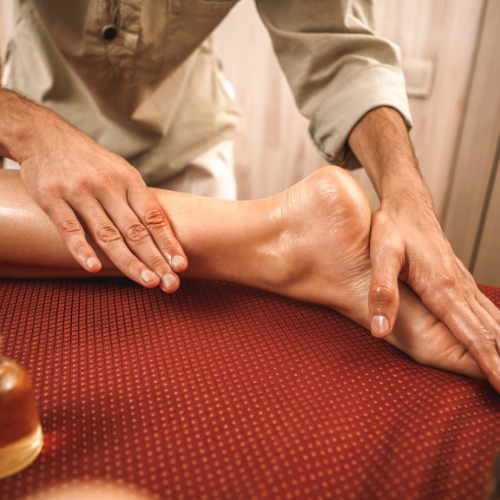
Abhyanga (Warm Medicated Oil Massage) Paralysis
What it is: Full-body or segmental warm oil massage with herbal oils chosen for neuro-muscular nourishment.
- Improves peripheral circulation and delivers nutritive oils to nerves and muscles.
- Reduces muscle stiffness and spasticity; improves sensory input to the cortex.
- Often used daily in early rehabilitation to prepare tissues for other therapies and physiotherapy.
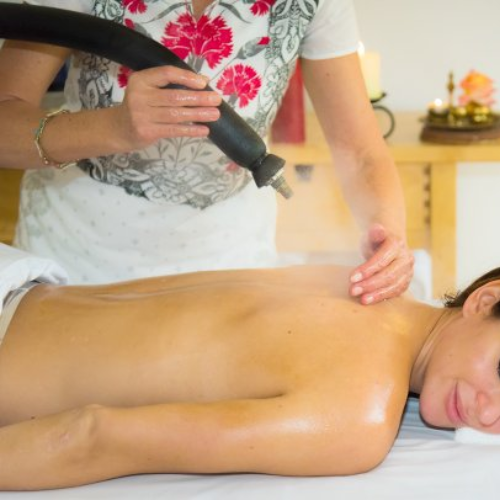
Nadi Swedan (Localized Steam) Paralysis
What it is: Focused steam application (via tube) on affected limbs or regions.
- Warms deep tissues, relaxes muscles and reduces stiffness prior to physiotherapy.
- Improves local circulation and aids absorption of topical oils and potli therapies.
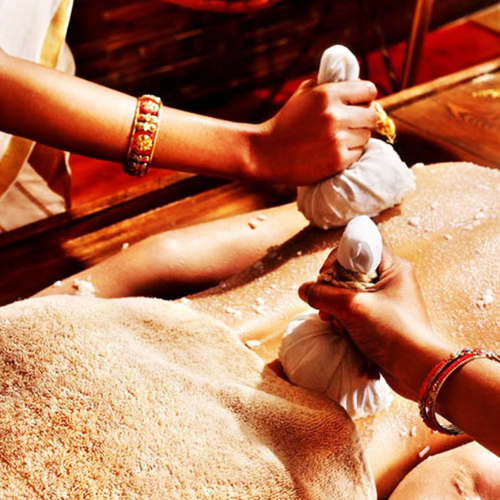
Njavara Kizhi (Rice Bolus Therapy) Paralysis
What it is: Warm boluses of Njavara rice cooked in herbal decoction applied rhythmically to affected limbs.
- Deeply nourishes muscles and peri-neural tissues to aid recovery and reduce fibrosis.
- Improves local circulation and provides gentle thermic stimulation that helps retrain muscle activity.
- Recommended in subacute and chronic phases to rebuild tissue strength.
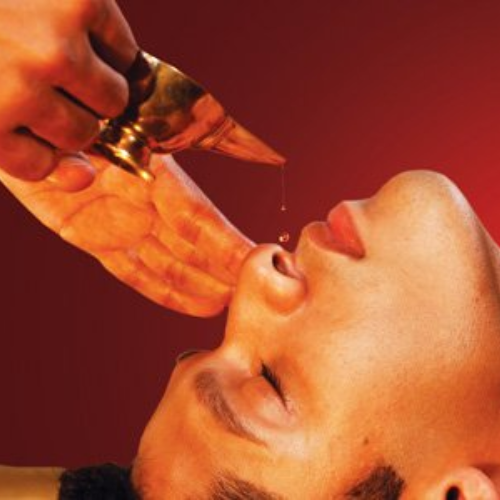
Nasyam (Nasal Administration) Paralysis
What it is: Administration of therapeutic oils or drops via the nostrils to clear head channels and nourish cranial nerves.
- Particularly useful in facial paralysis (Ardita) and in some central nervous system support protocols.
- Improves cranial nerve function, reduces nasal congestion and supports drug/oil absorption to head region.
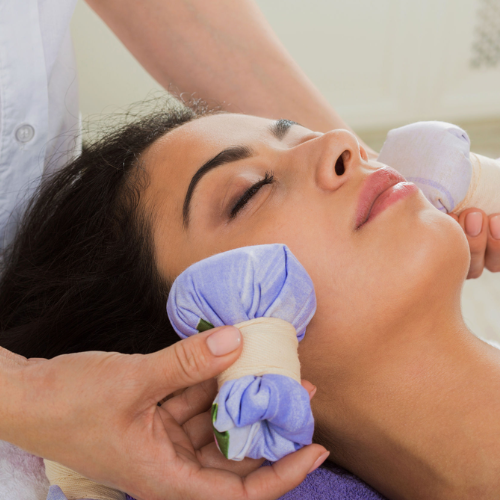
Navara Facial / Local Facial Therapies Paralysis
What it is: Gentle facial therapy using Navara rice paste and herbs to nourish facial muscles and skin.
- Useful supportive therapy in facial paralysis (Bell’s palsy) to improve muscle tone and circulation.
- Often combined with facial exercises guided by therapists.
Oral Herbs, Nutrition & Rehabilitation
Herbal & oral support
- Ashwagandha: Neuro-tonic, supports nerve repair and resilience.
- Brahmi, Shankhpushpi (when appropriate): Cognitive and nervous system support in coordination with physician.
- Dashmoola formulations: Vata-balancing to reduce nerve degeneration and pain.
- Doses and combinations are individualized and coordinated with other medications.
Rehabilitation & physiotherapy
- Early, guided physiotherapy (passive → active assisted → active) is crucial for functional recovery.
- Neuromuscular re-education, electrical stimulation, gait training and occupational therapy are integrated with Ayurvedic sessions.
- Home program: daily movement, targeted exercises, balance and functional training.
We always coordinate with neurologists and physiotherapists. Ayurveda supports and enhances neuro-rehabilitation but does not replace urgent medical or surgical care when required.
Sample Clinic Plans — Typical Pathways
Acute Support (first 1–2 weeks)- Medical stabilization & neurologist coordination
- Gentle Abhyanga, Shirodhara (if tolerated), Nadi Swedan prior to PT
- Begin passive physiotherapy and sensory stimulation
Subacute Rehabilitation (2–8 weeks)- Njavara Kizhi, Potli therapies, targeted Vasti/Kati Vasti as indicated
- Progressive active physiotherapy, neuromuscular re-education
- Oral neuro-tonics and personalized diet
Chronic Recovery & Maintenance- Periodic courses of Njavara Kizhi / Abhyanga, monthly reviews
- Long-term exercise program and occupational adaptations
- Rasayanas and lifestyle measures to support long-term neural health
Quick Reference — Therapies & Roles
| Therapy | Primary role in paralysis | Typical use |
|---|
| Abhyanga | Improve circulation & nourish tissues | Daily in early rehab |
| Njavara Kizhi | Deep tissue nourishment & reduce fibrosis | Subacute/chronic cycles |
| Basti | Systemic Vata pacification | Course under supervision |
| Nasyam | Support cranial nerve function (facial palsy) | Short, tailored course |
| Nadi Swedan / Potli | Reduce local stiffness, prepare for PT | Before exercises / PT |
Begin a Coordinated Rehabilitation Plan
Book a consultation. We will review medical history, coordinate necessary tests and neurologist input, and design a safe Ayurvedic + physiotherapy recovery plan tailored to the type and stage of paralysis.
Book ConsultationAll therapies are delivered under qualified Ayurvedic physicians and in close coordination with medical teams when required.