What is Frozen Shoulder?
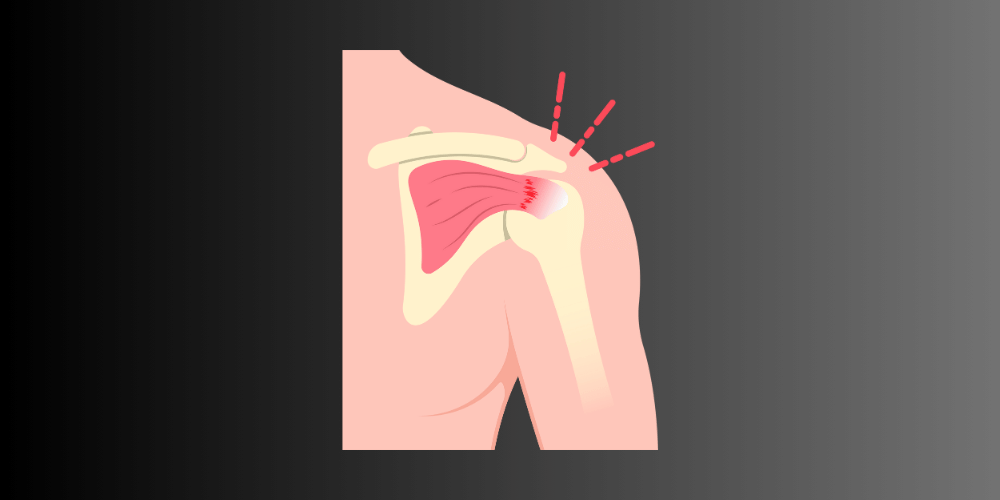
Frozen shoulder (adhesive capsulitis) is a condition in which the shoulder capsule becomes inflamed and stiff, progressively limiting active and passive movement. It often causes severe pain followed by gradual stiffness and restricted range of motion. Recovery can be slow without proper intervention.
Clinical features
- Gradual onset shoulder pain — worse with movement and at night.
- Progressive loss of shoulder range of motion (abduction, external rotation).
- Phases: painful (freezing), stiff (frozen), and recovery (thawing).
- May follow injury, surgery, diabetes or prolonged immobilization.
Ayurvedic perspective
In Ayurveda, frozen shoulder is typically viewed as a Vata-dominant disorder with local accumulation of Ama (toxins) and Kapha adhesions causing stiffness (Sandhi Granthi / Sandhi Stambha). Treatment aims to soften adhesions, reduce Vata, nourish joint tissues and restore mobility.
Treatment Goals in Ayurveda
- Relieve acute pain and inflammation.
- Soften and break peri-articular adhesions and fibrotic tissue.
- Restore synovial lubrication and muscle flexibility.
- Rebuild muscular strength and joint function through rehabilitation.
Therapies We Use for Frozen Shoulder (reference photos)
Below are the clinic therapies especially useful in frozen shoulder. Each entry contains a photo, a brief description, benefits, indications and treatment frequency.
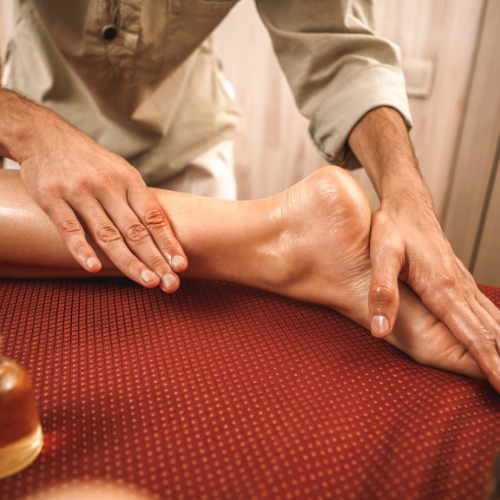
Abhyanga (Warm Oil Massage) FS
What it is: Full-body and localized warm medicated oil massage focusing on the shoulder girdle and peri-scapular muscles.
- Warms and lubricates the joint capsule and peri-articular tissues to reduce stiffness.
- Improves local circulation and lymphatic drainage which helps clear Ama and inflammatory mediators.
- Reduces muscle spasm and prepares tissues for localized potli and steam therapies.
- Frequency: Daily or alternate days during intensive phase; then maintenance 1–2×/week.
- Precaution: Gentle pressure chosen for painful acute phase; avoid deep pressure on very inflamed joints.
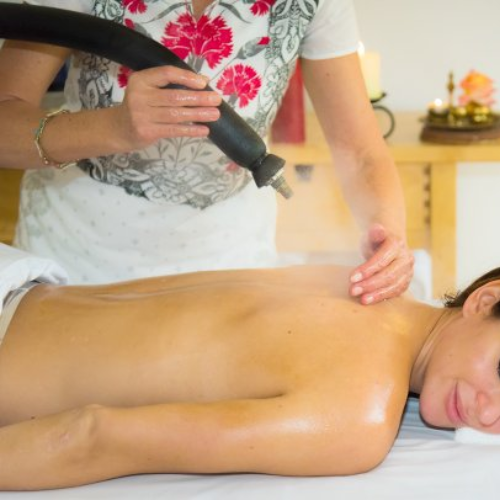
Swedan / Nadi Swedan (Herbal Steam) FS
What it is: Localized herbal steam (Nadi Swedan) or whole-body Swedan to warm and soften tissues.
- Softens peri-articular adhesions and fibrotic tissue, easing mobility.
- Increases tissue extensibility and improves effectiveness of potli and massage.
- Frequency: Daily during the intensive softening phase (usually combined with Abhyanga).
- Precaution: Avoid aggressive heat in acute inflammatory flare with excessive swelling; clinician-guided temperature control is used.
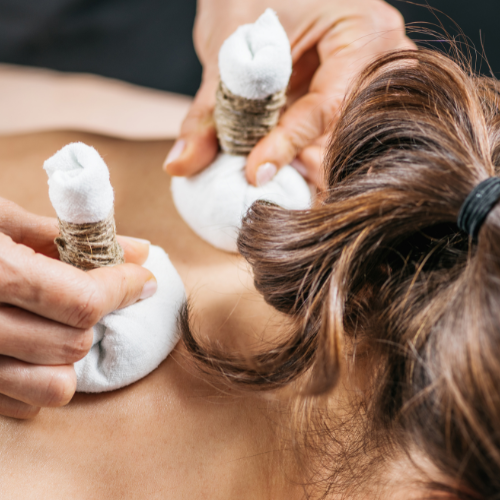
Churn Potli (Herbal Powder Bolus) FS
What it is: Heated boluses of powdered herbs applied rhythmically across the shoulder and scapular region.
- Provides dry heat and mechanical stimulation — excellent for breaking peri-articular adhesions and improving mobility.
- Promotes remodeling of superficial fibrotic tissue and increases local blood flow.
- Frequency: Several sessions (2–4) per week during adhesion-release phase.
- Precaution: Avoid on open skin lesions; monitor heat intensity for elderly/sensitive skin.
Herbal Medicines & Supportive Measures
Internal medicines are individualized. Typical supportive herbs and formulations used for shoulder stiffness and tissue repair include:
- Dashmoola formulations: Vata-pacifying, anti-inflammatory for musculoskeletal conditions.
- Guggulu: Anti-inflammatory and supports joint health.
- Ashwagandha: Muscle-nourishing and adaptogenic support.
- Topical medicated oils: Tailored oils to enhance penetration (e.g., Mahanarayan oil variants).
- Rasayanas: Rejuvenation formulas to speed tissue repair in chronic cases.
Herbal prescriptions are customized after examination and coordination with other medications (painkillers, steroids) if in use.
Rehabilitation — Exercises & Practical Care
Therapies are most effective when combined with controlled physiotherapy and home exercises. Key elements:
- Pendulum exercises: Gentle swinging movements to maintain joint mobility early in recovery.
- Passive range-of-motion: Assisted stretches to reduce capsule tightness under guidance.
- Active stretching & strengthening: Progressive rotator cuff and scapular stabilizer strengthening as pain decreases.
- Heat before stretching: A short local steam or warm compress (or in-clinic Nadi Swedan) prior to exercises improves extensibility.
- Home-care: Short sessions of topical oil application and gentle stretching between visits to maintain gains.
Physiotherapist integration and staged progression are essential to avoid re-injury.
Sample Clinic Treatment Plans
Each plan is individualized. Below are typical courses used at our clinic.
Acute Pain/Softening Phase (1–2 weeks)- Gentle Abhyanga (targeted shoulder) + Nadi Swedan
- Topical Lepam and rest guidance
- Light, anti-inflammatory oral herbs and pain monitoring
Adhesion Release Phase (2–4 weeks)- Abhyanga → Nadi Swedan → Churn/Patra Potli sessions
- Njavara Kizhi weekly for tissue nutrition
- Begin supervised passive & active ROM exercises
Rehabilitation & Strengthening (4–8 weeks)- Prishtha Vasti and targeted potli as needed
- Progressive physiotherapy, Udvartana (if indicated) and maintenance Abhyanga
- Long-term rasayana and home exercise program
Timelines vary. Diabetic patients and those with long-standing stiffness commonly require longer courses. We monitor progress and adjust therapy intensity.
Quick Reference — Therapies & Roles
| Therapy | Main benefit | When to use |
|---|
| Abhyanga | Lubrication, circulation, reduces spasm | All phases (gentle in acute) |
| Swedan / Nadi Swedan | Softens adhesions, warms tissues | Before potli/exercise |
| Churn / Patra Potli | Breaks adhesions, mechanical stimulation | Adhesion release phase |
| Njavara Kizhi | Tissue nourishment, reduces chronic stiffness | Rebuilding phase |
| Lepam | Topical pain relief & cooling | Acute pain & between sessions |
| Kashaya Dhara | Anti-inflammatory pouring | Subacute inflammation control |
Safety, Contraindications & Coordination
- Therapies are tailored — aggressive manipulation early in inflammation can worsen pain. We stage therapies to avoid harm.
- Patients with diabetes, skin lesions, uncontrolled hypertension or active infection require special precautions.
- If concurrent injections, steroid use or surgery is planned, we coordinate timing with your orthopaedic/physio team.
- Panchakarma procedures (Basti) are used selectively and after full clinical assessment.
Ready to regain shoulder motion?
Book a consultation — we will assess your shoulder, design a stage-wise Ayurvedic therapy + rehabilitation plan, and guide you through safe recovery.
Book ConsultationTreatments are provided by qualified Ayurvedic physicians and integrated with physiotherapy when required.