What is Lumbar Spondylitis?

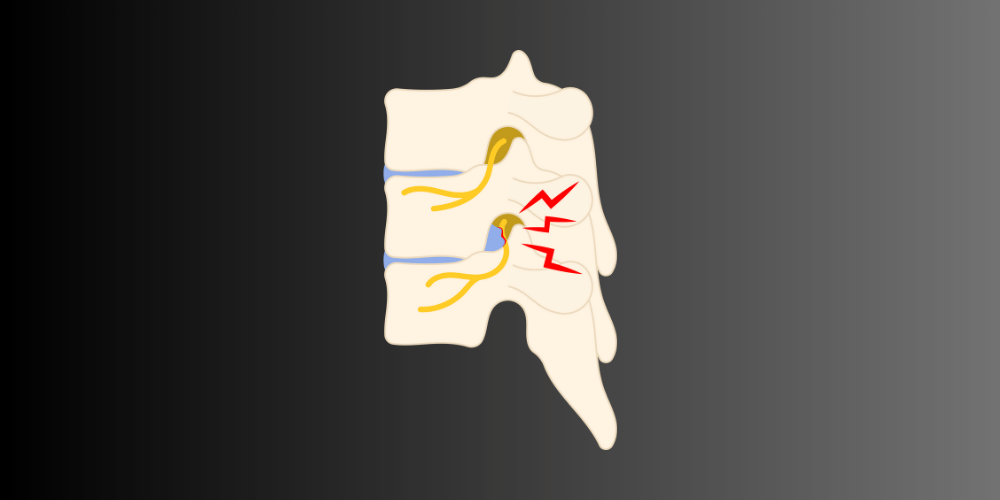
Lumbar spondylitis refers to inflammation and degenerative changes of the lumbar (lower) spine — it may involve the vertebral bodies, facet joints, intervertebral discs and surrounding soft tissues. Symptoms include chronic low back pain, stiffness, reduced range of motion, and in some cases radicular symptoms (pain, numbness, or weakness radiating to the legs) due to nerve root irritation.

Common symptoms

  • Persistent low back ache and morning stiffness.
  • Pain that worsens on prolonged standing or bending.
  • Reduced lumbar flexibility and functional limitation.
  • Possible sciatica-like symptoms (radiating pain, tingling, numbness) if nerve roots are compressed.

Ayurvedic perspective

Lumbar spondylitis is commonly a manifestation of aggravated Vata dosha with local Ama (toxins) and depletion of Asthi (bones) and Majja (marrow/nerve) tissues. Ayurveda aims to pacify Vata, remove Ama, nourish spinal tissues (Asthi/Majja), and restore strength and flexibility.

Our Ayurvedic Approach

We follow a structured, individualized plan:

  • Assessment: Clinical exam, posture & gait analysis, neurological testing; imaging and labs reviewed when provided.
  • Preparatory care: Abhyanga and Swedana to loosen tissues and mobilize toxins.
  • Targeted local therapies: Kati Vasti, Prishtha Vasti, Lepam and potli therapies to nourish lumbar tissues and relieve nerve pressure.
  • Systemic correction: Basti (medicated enemas) and Njavara Kizhi for Vata pacification and deep tissue nourishment when indicated.
  • Rehabilitation & lifestyle: Tailored physiotherapy, corrective exercises, posture correction and diet to prevent recurrence.

Therapies We Provide — Effective for Lumbar Spondylitis (photos included)

Each therapy entry includes the clinic reference photo you supplied and practical details on indications, benefits and frequency.

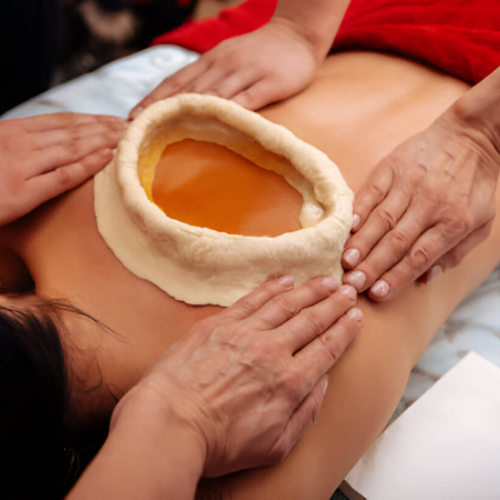
Kati Vasti - lower back oil retention therapy

Kati Vasti

What it is: Warm medicated oil is retained over the lumbar region inside a dough ring for a fixed duration to deeply penetrate tissues.

  • How it helps: Provides local heat and lubrication, reduces muscle spasm, relieves facet joint stiffness and eases nerve irritation by decreasing inflammation around the lumbar spine.
  • Indications: Chronic low back pain, facet arthropathy, early degenerative changes, sciatica with lumbar origin (in combination with other therapies).
  • Typical protocol: 30–45 minutes per session; daily or alternate days during intensive course (3–14 sessions) as prescribed.
  • Precautions: Avoid in active infection, open wounds, uncontrolled fever; temperature and oil choice individualized for skin sensitivity.

Herbal, Nutritional & Exercise Support

We combine targeted therapies with oral herbs, nutritional guidance and physiotherapy to rebuild strength and prevent recurrence.

Herbs & formulations

  • Dashmoola & Bala formulations: Vata-pacifying, anti-inflammatory and strengthening for muscles & ligaments.
  • Guggulu / Shallaki (Boswellia): Anti-inflammatory support for joints and soft tissues.
  • Ashwagandha / Rasayanas: Build strength and improve nerve-muscle resilience.
  • Medicated oils: Specialized oils for external use (used in Abhyanga, Vasti, and topical applications).

Diet & Exercise

  • Diet: Easily digestible warm foods, adequate protein, healthy fats (ghee, sesame), anti-inflammatory spices (turmeric, ginger); avoid heavy, cold, stale foods that increase Ama and Vata.
  • Exercise: Guided physiotherapy for lumbar stabilization (core strengthening, glute activation), mobility work, gentle yoga, and posture correction.
  • Home care: Warm compresses, ergonomic adjustments (seating, lifting technique), and avoidance of prolonged static postures.

Herbal prescriptions and exercise programs are individualized; we coordinate with your physiotherapist and any other treating physicians as needed.

Sample Clinic Plans — Typical Programs

Below are common templates; each patient receives a customized plan based on exam and response.

Acute Relief (5–10 days)
  • Abhyanga (daily) + Nadi Swedan before sessions
  • Topical Lepam & Kashaya Dhara for focal inflammation
  • Pain-reduction herbs and rest + ergonomic advice
Intensive Rebalance (2–4 weeks)
  • Preparatory Abhyanga → Kati/Prishtha Vasti daily
  • Njavara Kizhi 2–3× week + Basti course if indicated
  • Targeted physiotherapy from week 2
Maintenance & Prevention
  • Weekly/fortnightly Abhyanga or Kati Vasti as needed
  • Monthly Njavara Kizhi or oil-bath cycles
  • Long-term exercise & posture program

All procedural plans include pre-therapy screening (blood pressure, glucose, infection screening when indicated) and daily monitoring during intensive phases.

Quick Reference — Therapies & Purpose

TherapyPrimary benefitBest for
Kati VastiLocal lubrication & inflammation reductionFacet joint pain, local stiffness
Prishtha VastiBack nourishment & muscle relaxationWidespread paraspinal stiffness
Njavara KizhiDeep tissue nourishment & fibrosis reductionChronic stiffness
BastiSystemic Vata pacificationChronic degenerative lumbar pain
AbhyangaPreparation, circulation & pain reliefGeneralized Vata imbalance
Nadi Swedan / Kashaya DharaLocalized heat & anti-inflammatory effectAcute focal inflammation

Safety, Contraindications & Coordination

  • We perform pre-treatment screening and tailor therapies; Kati/Prishtha Vasti are avoided in open wounds, uncontrolled systemic infection, or certain skin conditions.
  • Basti and other Panchakarma procedures require physician assessment and are contraindicated in uncontrolled bleeding, severe cardiac illness, or unstable medical conditions.
  • If there is significant neurological deficit (progressive weakness, bowel/bladder involvement), an urgent medical/surgical evaluation is recommended — Ayurveda may complement but not replace urgent care.
  • We coordinate with orthopedics / neurology / physiotherapy when imaging or specialized intervention is needed.

Ready to relieve your lower back pain naturally?

Book a consultation. We’ll examine your history, review any imaging, prepare a safe Panchakarma + therapy plan, and coordinate rehabilitation for long-term recovery.

Book Consultation

All therapies are delivered by qualified Ayurvedic physicians and trained therapists in a monitored clinical setting.