What is Ankylosing Spondylitis (AS)?
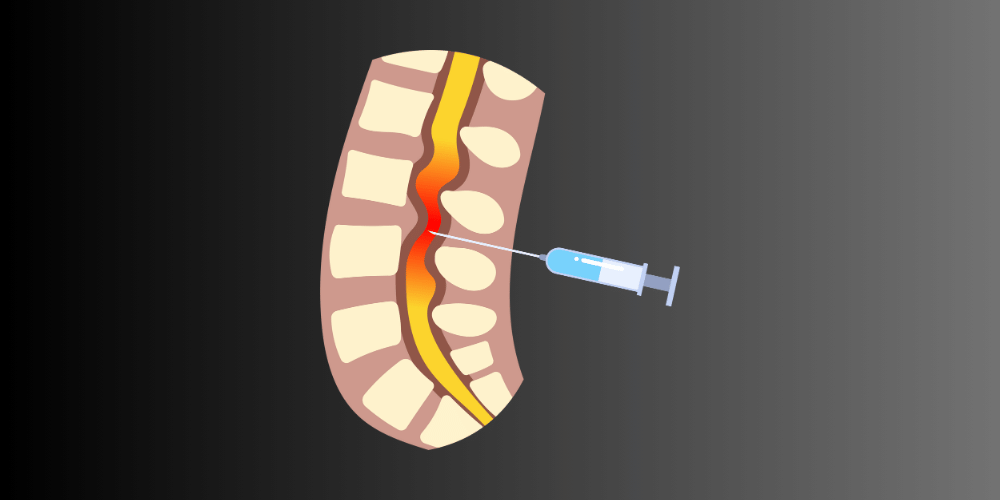
Ankylosing Spondylitis is a chronic inflammatory disease primarily affecting the spine and sacroiliac joints. It causes back pain, morning stiffness, progressive fusion of spinal segments in advanced stages, and reduced chest expansion. AS can also affect peripheral joints, eyes (uveitis) and cause systemic symptoms like fatigue.
Key clinical features
- Chronic inflammatory low back pain that improves with activity and worsens at rest.
- Morning stiffness (usually prolonged) and limited spinal mobility.
- Enthesitis (tenderness where ligaments attach to bone), peripheral arthritis in some cases.
- Possible extra-articular features: uveitis, bowel symptoms, fatigue.
Ayurvedic perspective
Ayurveda commonly views AS as a severe Vata (and sometimes Rakta/Pitta) imbalance affecting Asthi (bone), Sandhi (joint) and Snayu (ligaments/tendons). The approach emphasizes reducing inflammation, pacifying Vata, nourishing spinal tissues, maintaining mobility, and preventing fusion by improving circulation and tissue resilience.
Our Ayurvedic Strategy for AS
We use an integrated, staged plan:
- Pain control & inflammation reduction: Localized therapies and systemic herbs to reduce active inflammation and pain.
- Detox & Dosha balance: Panchakarma (selective snehana, Swedana, Basti courses) to pacify Vata and clear Ama.
- Tissue nourishment & mobility preservation: Therapies like Njavara Kizhi, Kati/Prishtha/Greeva Vasti to nourish spinal tissues and maintain flexibility.
- Rehabilitation & posture: Physiotherapy, yoga, and strengthening to maintain chest expansion and spinal mobility.
- Herbal support: Anti-inflammatory and Rasayana herbs (Shallaki, Ashwagandha, Guggulu) for joint support and tissue repair.
Therapies We Provide — Useful for Ankylosing Spondylitis (with photos)
Below therapies are especially useful in managing AS symptoms and preserving spinal health. Images are clinic references — each therapy entry explains indications, benefits and typical usage.
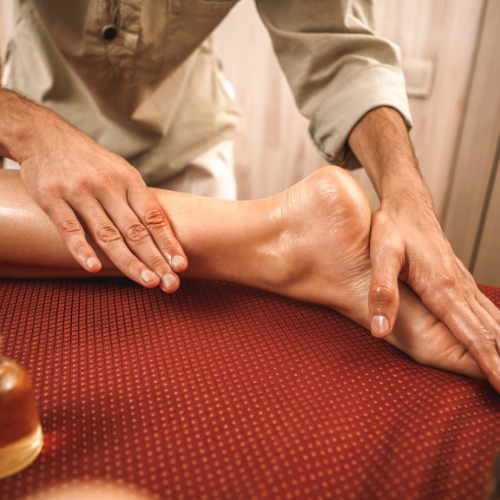
Abhyanga
What it is: Warm, full-body herbal oil massage tailored to pacify Vata and relieve muscular tension.
- Relieves muscular spasm around the spine and sacroiliac joints.
- Improves circulation to spinal tissues, reduces stiffness and morning rigidity.
- Prepares body for deeper localized therapies (Vasti, Vasti-related procedures).
- Typical use: daily during intensive phase; maintenance frequency thereafter.
Njavara Kizhi
What it is: Warm boluses of Njavara rice cooked in specific herbal decoctions, applied rhythmically across the back and spine.
- Deeply nourishes spinal muscles, ligaments and periarticular tissues to counter Vata degeneration.
- Reduces chronic stiffness, improves flexibility and supports tissue repair.
- Often used in repeated cycles (weekly sessions over a month) for sustained benefit.
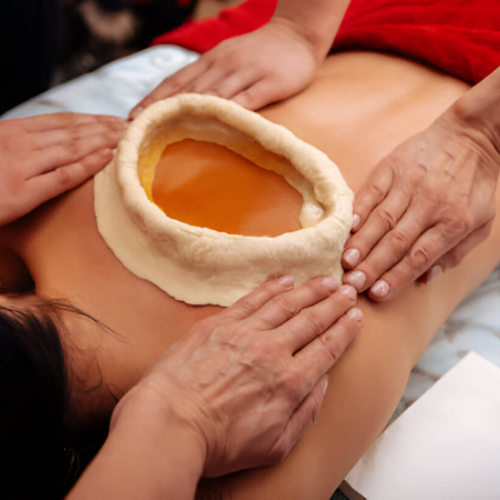
Kati Vasti
What it is: Medicated oil retained over the lower back in a dough ring for prolonged local nourishment.
- Targets lumbar spine and sacroiliac region — reduces deep pain and calms inflamed ligaments.
- Improves spinal mobility and reduces nerve irritation when present.
- Used as a targeted local procedure during rehabilitation cycles.
Basti (Medicated Enema)
What it is: Medicated oil or herbal decoction administered rectally to pacify Vata and nourish tissues systemically.
- Considered a core Panchakarma therapy to pacify Vata that drives AS pathology.
- Improves spinal mobility, reduces pain and helps systemic dosha balance when done as a course.
- Given under clinical supervision with individualized protocols.
Herbal & Medical Support
We use evidence-informed Ayurvedic herbs and formulations to reduce inflammation, strengthen musculoskeletal tissues and support immunity. All internal medicines & doses are individualized.
- Shallaki (Boswellia serrata): Anti-inflammatory, supports spinal inflammation reduction.
- Guggulu: Anti-inflammatory and joint-supportive.
- Ashwagandha: Adaptogen that supports muscle strength and reduces inflammatory stress.
- Dashmoola formulations: Classic Vata-pacifying medicines used in back disorders.
- Rasayanas & tonics: Prescribed to rebuild tissues after detox and to support long-term resilience.
- Topical medicated oils: Customized for penetration to spinal/ligamentous tissue during Kati/Prishtha Vasti.
We coordinate with your rheumatologist for patients on NSAIDs, DMARDs or biologics. Some herbs can interact with medications; monitoring and collaboration is essential.
Rehabilitation — Exercise, Posture & Prevention
Maintaining spinal mobility, chest expansion and core strength is central to limiting long-term disability in AS.
- Daily mobility exercises: Extension-based exercises, gentle spinal mobilizations and thoracic opening to prevent stooping.
- Physiotherapy: Supervised strengthening of paraspinals, hip extensors and core muscles to support posture and gait.
- Breathing exercises & chest expansion: Pranayama and breathing drills to maintain respiratory function.
- Ergonomics & sleep posture: Advice on mattress, pillows and workplace ergonomics to minimize stress on the spine.
Sample Clinic Treatment Plans
Examples only — every plan is individualized after clinical assessment, imaging and coordination with other doctors.
Acute Inflammatory Phase (1–2 weeks)- Gentle Abhyanga + localized Swedan (Nadi Swedan) for pain relief
- Topical Lepam on tender entheses
- Anti-inflammatory herbal medicines and rest
- Coordinate with rheumatologist for analgesia / anti-inflammatory meds during flare
Detox & Mobilize (3–4 weeks)- Preparatory snehana (internal/external) → Basti course (customized) → Njavara Kizhi cycles
- Kati / Prishtha / Greeva Vasti for targeted spinal nourishment
- Physio-guided mobility & posture program
Maintenance & Long-term Care- Monthly Abhyanga or Njavara maintenance
- Oral Rasayana & Shallaki-based protocols
- Regular physiotherapy & home exercise adherence
Procedures like Basti and Virechana require pre-treatment evaluation, baseline tests, and are performed under physician supervision.
Quick Reference — Therapies & Roles
| Therapy | Primary role in AS | When to use |
|---|
| Abhyanga | Relaxation, muscle spasm relief | Acute & maintenance |
| Njavara Kizhi | Tissue nourishment & flexibility | Rehabilitation cycles |
| Kati / Prishtha Vasti | Local spinal nourishment | Targeted lumbar/thoracic care |
| Basti | Pacify Vata systemically | Core Panchakarma in chronic Vata cases |
| Swedan / Nadi Swedan | Reduce stiffness & prepare tissues | Before local oil therapies |
| Shirodhara | Stress & sleep support | Adjunct during rehabilitation |
Safety, Testing & Medical Coordination
- AS is commonly managed by rheumatologists; we coordinate care when patients are on NSAIDs, DMARDs or biologic therapy.
- Before Panchakarma or intense therapies, we recommend baseline blood tests, imaging review and medical clearance when needed.
- Certain procedures are contraindicated in active infection, uncontrolled systemic illness or unstable medical conditions.
- Therapy plans are adjusted to preserve safety — close monitoring is part of our protocol.
Ready to preserve your spine and improve mobility?
Book a personalized consultation. We'll evaluate your spinal status, coordinate with your doctor and design a safe Ayurvedic plan combining therapies, herbs and rehabilitation.
Book ConsultationAll treatments are performed under qualified Ayurvedic physicians. We work with multidisciplinary teams for optimal patient safety and outcomes.