What is Cervical Spondylitis?
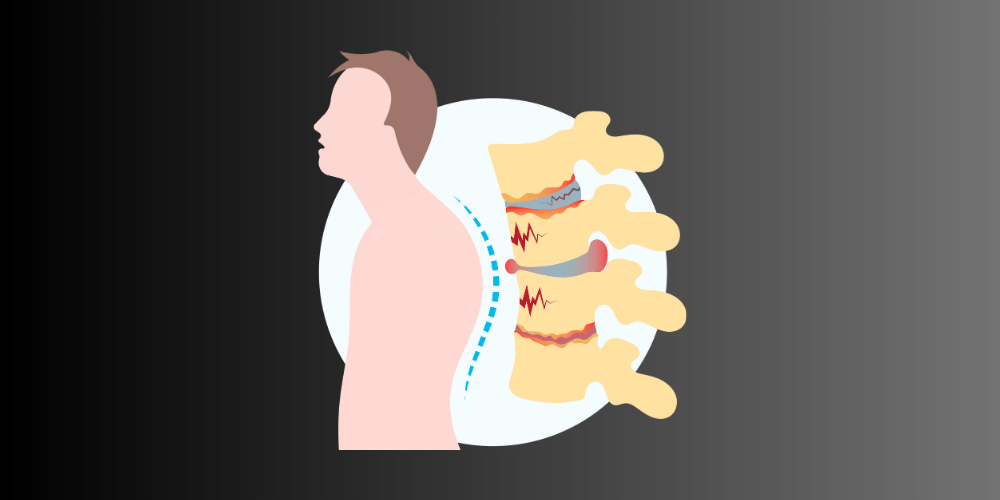
Cervical spondylitis (cervical spondylosis) refers to age-related wear and tear of the cervical spine (neck) — degeneration of intervertebral discs, osteophyte formation, and reduced flexibility. It commonly leads to neck pain, stiffness, reduced range of motion, radicular pain into shoulders/arms, headaches and sometimes dizziness.
Common symptoms
- Chronic neck pain and stiffness
- Radiating pain, tingling or numbness in shoulders, arms or hands
- Headache, dizziness, and restricted neck movement
- Muscle tightness and reduced posture stability
Ayurvedic view
In Ayurveda cervical degeneration and neck pain are typically seen as aggravated Vata with local obstruction by Ama (toxins) and derangement of Asthi and Sandhi (bone and joint tissues). The therapeutic aim is to pacify Vata, liquefy Ama, nourish the local tissues and restore mobility.
Ayurvedic Approach
Our clinic blends targeted external therapies, internal herbal support, posture corrections and physiotherapy to address pain, nerve irritation and mobility:
- Local nourishment & anti-inflammatory care: Greeva Vasti, Lepam, Kashaya Dhara and Nadi Swedan to reduce stiffness and inflammation.
- Systemic & neurological support: Abhyanga, Shirodhara and Nasyam to calm the nervous system and reduce referred symptoms (headache, dizziness).
- Rehabilitation: Postural correction, cervical traction/physio-led exercises and ergonomic advice to prevent recurrence.
- Herbal & dietary support: Anti-inflammatory herbs, Vata-pacifying rasayanas and digestive correction to avoid Ama.
Clinic Therapies Useful for Cervical Spondylitis (with reference photos)
Therapies listed below are frequently used at our clinic for cervical spondylitis. Each entry includes an image for reference and clear notes on benefits/indications.
Greeva Vasti
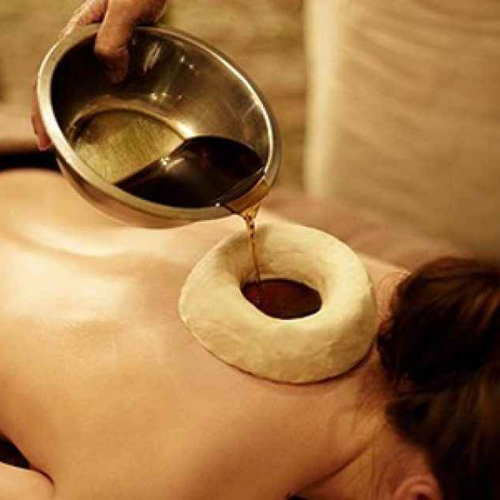
What it is: A prepared dough ring is placed around the neck and warm medicated oil is retained for a fixed period to deeply nourish the cervical region.
- Directly nourishes cervical muscles, ligaments and facet joints.
- Reduces stiffness, improves flexibility and relieves local inflammation.
- Helpful for chronic neck pain, cervical spondylosis and radicular symptoms when targeted to cervical levels.
- Typically done as a course (multiple sessions) with assessment before each application.
Herbal & Medical Support
We recommend individualized herbal protocols to reduce inflammation, correct Vata, and support structural healing. Typical options (chosen and dosed by the physician):
- Dashmoola formulations — classic Vata-balancing anti-inflammatory combination for musculoskeletal pain.
- Guggulu preparations — analgesic and anti-inflammatory effects for joint and nerve pain.
- Ashwagandha — nerve-nourishing and adaptogenic support for chronic pain and weakness.
- Rasayanas — rejuvenative tonics to rebuild tissues in chronic cases.
- Topical medicated oils — warm oils prepared to penetrate soft tissues during Vasti/Vasti-like protocols or home application.
- Physician will assess drug interactions if patient is on conventional analgesics or nerve medicines.
All internal medicines and therapies are prescribed after a clinical evaluation. We coordinate care with your physiotherapist and referring physician when required.
Rehabilitation, Posture & Exercises
Therapies are most effective when combined with targeted rehabilitation and posture correction.
- Gentle cervical range-of-motion exercises: supervised by a physiotherapist to restore mobility.
- Isometric neck strengthening: for deep cervical stabilizers to reduce load on discs and joints.
- Postural correction: ergonomic advice for desk workers, sleep and pillow modifications.
- Traction & decompression: when indicated and guided by clinician/physio to relieve nerve compression.
Sample Clinic Plans & Progression
Sample, commonly used sequences — each plan is customized per patient evaluation:
Acute Pain Relief (3–7 days)- Local Nadi Swedan + Lepam to relieved inflamed area
- Gentle Abhyanga focusing on neck/shoulders
- Pain-relief herbal medicines and postural advice
Stabilization & Nourishment (2–3 weeks)- Greeva Vasti sessions (multiple) for deep nourishment
- Patra/Churn potli to break adhesions and improve mobility
- Shirodhara or Nasyam for neuro support and headache relief
Rehab & Maintenance- Physio-guided strengthening and posture program
- Monthly maintenance Abhyanga / Greeva Vasti as needed
- Ongoing herbal support and lifestyle corrections
Complex cases with radiculopathy, neurological deficits or progressive weakness are assessed for imaging (X-ray / MRI) and jointly managed with neurologists/orthopedists when necessary.
Quick Reference — Therapies & Roles
| Therapy | Main benefit | When used |
|---|
| Greeva Vasti | Direct cervical nourishment & relaxation | Chronic neck pain, stiffness |
| Nadi Swedan | Localized heat, muscle relaxation | Before oil/potli therapies |
| Abhyanga | Circulation, muscle relaxation | Preparatory & maintenance |
| Patra / Churn Potli | Break adhesions and improve local circulation | Adhesive or fibrotic stiffness |
| Shirodhara / Nasyam | Neuro-calming; reduce headaches/dizziness | When nerve/cranial symptoms present |
| Kashaya Dhara | Anti-inflammatory local effect | Subacute inflammation with intact skin |
Safety, Testing & When to Seek Medical Care
- If symptoms include progressive limb weakness, loss of hand function, bladder/bowel problems, or severe neurological signs — urgent medical and imaging evaluation (MRI) is required.
- Panchakarma/local therapies are selected after clinical assessment. Some procedures may be contraindicated in acute infection, severe uncontrolled hypertension, bleeding disorders or unstable medical states.
- We collaborate with physiotherapists, orthopedists and neurologists when needed for safe, integrated care.
Ready to reduce neck pain and restore mobility?
Book a consultation — our Ayurvedic physician will assess your neck condition, review imaging (if any), and design a safe, targeted therapy + rehabilitation program.
Book ConsultationAll therapies are administered by qualified Ayurvedic practitioners and coordinated with conventional care when indicated.