What is Psoriatic Arthritis?
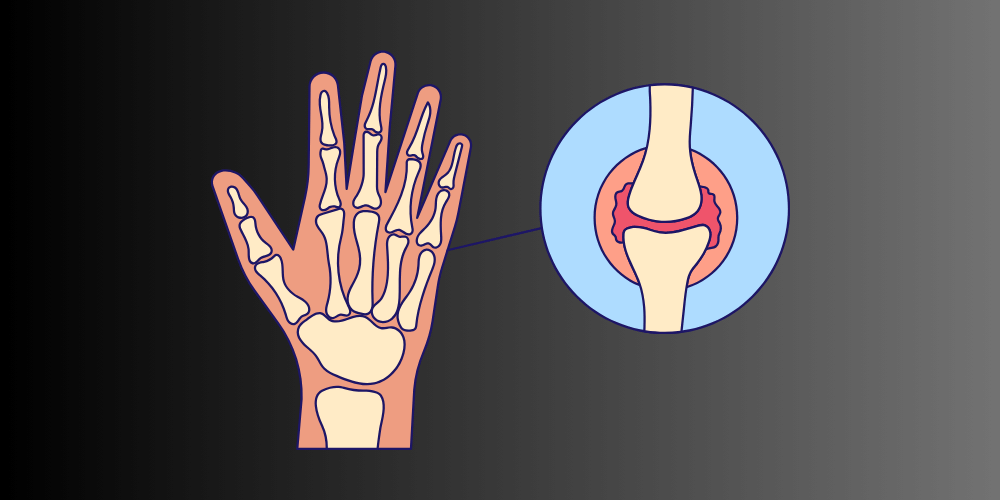
Psoriatic Arthritis (PsA) is an inflammatory arthritis associated with psoriasis — it combines joint inflammation (swelling, pain, stiffness) with skin lesions (red, scaly patches). Onset may be before or after skin disease. PsA is an immune-mediated condition that can range from mild joint pain to destructive arthritis.
Common features
- Joint pain, swelling, and morning stiffness (may be asymmetric).
- Skin psoriasis: red, scaly plaques; nail changes (pitting, onycholysis).
- Enthesitis (heel pain), dactylitis (“sausage” digits) and fatigue.
- Potential systemic impact — requires medical monitoring.
Ayurvedic view
Ayurveda often approaches PsA as a combined disorder of Vata (joint pain) and Kapha/Pitta (skin inflammation / toxins). The treatment goal: remove Ama (toxins), pacify Pitta (inflammation) and Vata (pain), cleanse Rakta (blood) when needed, and rejuvenate Asthi and Sandhi (bone and joint tissues).
Ayurvedic Approach to PsA
Our clinic uses a stepwise, individualized plan combining systemic detox, targeted local therapies, herbal medicines (for skin and joints), diet and rehabilitation. Important: severe PsA cases require coordination with a rheumatologist and dermatologist.
- Shodhana (detox): Virechana (purgation) is often used to remove Pitta and Rakta toxins; Basti (enema) to pacify Vata in joint-dominant disease.
- Shamana (pacifying): Anti-inflammatory and blood-purifying herbs (Guduchi, Manjistha, Turmeric) and Rasayanas selected by physician.
- Local & supportive therapies: Abhyanga, Lepam, Patra/Churn potli, Njavara Kizhi, Navara facial for skin, and Shirodhara for stress modulation.
- Lifestyle & diet: Anti-inflammatory diet, stress reduction, and skin care routines to reduce triggers and flares.
Therapies We Provide — Useful for Psoriatic Arthritis (with photos)
Therapies below are commonly used in PsA management at our clinic — each entry explains how it supports both skin and joint symptoms. Images are shown for reference.
Virechana (Purgation)
What it is: Medically supervised herbal purgation that clears Pitta and blood impurities.
- Helps reduce systemic skin inflammation and psoriatic plaques by eliminating deep-seated Pitta/Rakta toxins.
- Can reduce frequency and severity of flares when indicated and performed correctly.
- Performed after preparatory therapies and under physician supervision; requires monitoring.
Lepam (Topical Herbal Paste)
What it is: Herbal poultices/pastes applied to skin plaques and painful joints.
- Topically soothes inflamed skin, reduces scaling and local redness with anti-inflammatory herbs.
- When applied over joints, reduces local inflammation and provides symptomatic relief.
- Used as part of an overall regimen — selection of paste depends on skin sensitivity and disease stage.
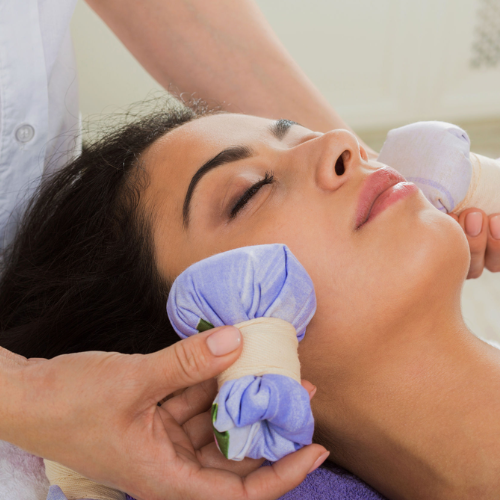
Navara Facial / Local Skin Therapies
What it is: Gentle facial/skin therapy using Navara rice and soothing herbs designed to nourish and calm inflamed skin.
- Soothes inflammation, improves skin hydration and reduces scaling in mild plaques.
- Best used on non-broken, non-infected skin and as an adjunct to systemic therapy.
Herbal & Medical Support
We use evidence-informed Ayurvedic herbs and formulations to modulate inflammation, purify blood and support joints — always individualized:
- Guduchi (Tinospora cordifolia): Immune-modulating and anti-inflammatory.
- Manjistha (Rubia cordifolia): Blood-purifying, helpful in skin conditions.
- Turmeric / Curcumin: Anti-inflammatory and antioxidant support.
- Neem (Nimba): Anti-microbial and blood-cleansing for skin flares (used topically & internally as indicated).
- Guggulu and Rasayanas: Joint-strengthening and anti-inflammatory therapies.
- Topical medicated oils & ointments: Selected for skin safety and to reduce scaling/itching.
- Herbal bath decoctions: Soothing washes for affected skin when appropriate.
Internal medicines and topical regimens are individualized. We coordinate with dermatology and rheumatology especially if the patient is on immunosuppressants or biologics.
Diet, Triggers & Lifestyle
Diet and lifestyle are critical in PsA to reduce inflammation and avoid flare triggers.
- Avoid common trigger foods — excessive alcohol, very spicy fried foods, excessive nightshades if individual sensitivity exists.
- Favor anti-inflammatory foods — turmeric, ginger, green leafy vegetables, controlled healthy fats (ghee, olive oil), lean proteins.
- Maintain healthy weight — adiposity promotes systemic inflammation and worsens both psoriasis and arthritis.
- Stress management — meditation, pranayama and therapies like Shirodhara reduce stress-triggered flares.
Sample Clinic Plans (examples)
Acute Skin Flare with Joint Pain (3–7 days)- Topical Lepam for plaques + gentle Abhyanga
- Soothing Navara / herbal washes for skin
- Short anti-inflammatory oral herbs and diet
Detox & Rebalance (2–4 weeks)- Preparatory Snehana (oleation) → Virechana (if Pitta/Rakta dominant) or Basti (if Vata/joint predominant)
- Courses of Njavara Kizhi and targeted potli therapies for joints
- Herbal blood purifiers (Manjistha) and immune modulators (Guduchi)
Maintenance & Prevention- Monthly Abhyanga / Njavara Kizhi as needed
- Topical skin regimen + dietary plan
- Stress management and follow-up with dermatology/rheumatology
Plans are individualized. If systemic immunosuppressive therapy is being used, we coordinate care to ensure safe integration and avoid unintended interactions.
Quick Reference — Therapies & Roles
| Therapy | Primary role in PsA | Notes |
|---|
| Virechana | Remove Pitta/Rakta toxins (skin benefit) | Medical supervision required |
| Basti | Pacify Vata (joint pain) | Powerful for joint symptoms |
| Lepam | Topical anti-inflammatory for skin & joints | Choose paste per skin tolerance |
| Abhyanga | Circulation, nourishment (skin & joints) | Choose gentle oils for psoriasis |
| Navara / Skin therapies | Soothe plaques, improve hydration | Only on non-broken skin |
Evidence, Safety & Integration
Ayurvedic therapies can reduce symptoms for many patients with PsA, but PsA is an immune-mediated condition. Key safety points:
- Coordinate with rheumatology/dermatology if on DMARDs, steroids or biologics — we jointly plan timing of Panchakarma and herbs.
- Certain detox procedures may be contraindicated if infection, uncontrolled systemic disease, or immunosuppression exists.
- Topical therapies should not be used on secondarily infected or ulcerated skin — clinical assessment is required.
- We perform necessary baseline labs and document progress; modification is made based on response and safety.
Want a focused Ayurvedic Plan for Psoriatic Arthritis?
Book a consultation — we’ll review your skin and joint history, coordinate tests and specialist care, and design a safe, individualized plan that combines detox, targeted therapies and skin care.
Book ConsultationAll procedures are performed under qualified Ayurvedic physicians and in coordination with conventional care when needed.