What is Rheumatoid Arthritis?
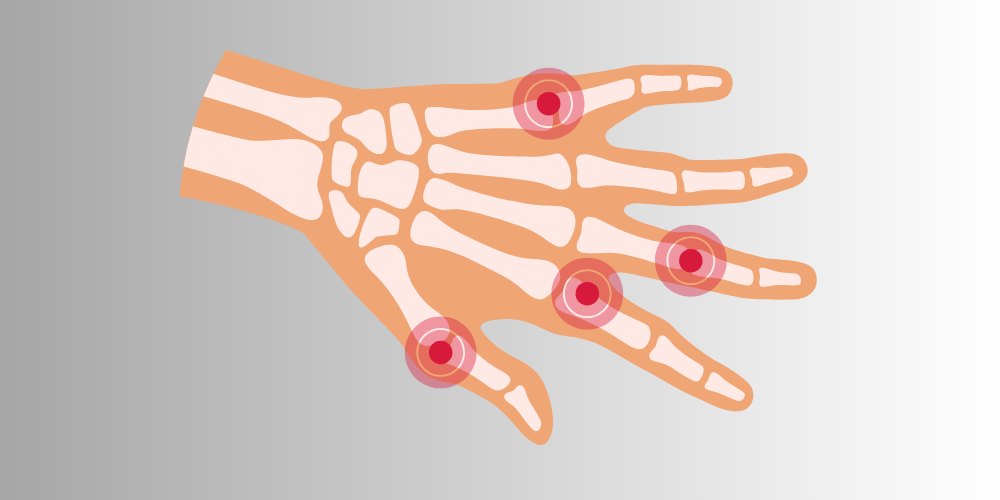
Rheumatoid Arthritis is a chronic autoimmune inflammatory condition primarily affecting synovial joints. Patients experience symmetrical joint pain, swelling, morning stiffness, progressive loss of function and systemic symptoms like fatigue and decreased stamina. Left untreated, RA may cause joint erosion and deformity.
Ayurvedic view
In Ayurveda Rheumatoid Arthritis corresponds to Amavata — resulting from accumulation of Ama (incomplete digestion/toxins) and vitiation of Vata. The treatment focuses on removing Ama, pacifying Vata, improving Agni (digestive fire), and rejuvenating Asthi (bone) and Sandhi (joint) tissues.
Key clinical features
- Symmetric joint swelling and tenderness (small joints of hands/feet often involved).
- Morning stiffness > 30 minutes.
- Systemic fatigue, low-grade fever in active stages.
- Progressive deformity if not managed — loss of function and quality of life.
How Ayurveda Treats Rheumatoid Arthritis
A stepwise integrative approach that we follow at the clinic:
- Shodhana (Detoxification / Panchakarma) — Basti (medicated enemas), Virechana (purgation) and, where indicated, Vamana (emesis) to remove deep-seated toxins and balance Doshas.
- Shamana (Pacifying) therapy — Herbs (Guggulu, Shallaki, Ashwagandha), Rasayanas and internal medicines to reduce inflammation and slow disease progression.
- Local & supportive therapies — Abhyanga, Janu/Kati/Greeva Vasti, Potli therapies, Njavara Kizhi, Nadi Swedan and Lepam to reduce pain, nourish joint tissues and restore mobility.
- Rehabilitation & lifestyle — Gentle yoga, physiotherapy, diet to correct Agni, avoid Ama formation and maintain joint function.
Therapies We Provide — Useful for Rheumatoid Arthritis
Below are clinic therapies that are commonly used in managing Rheumatoid Arthritis.
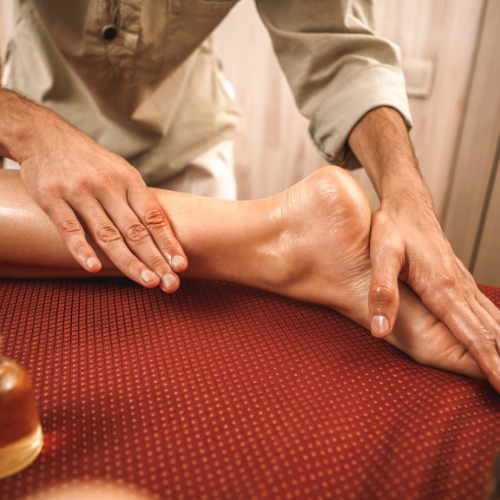
Abhyanga
What it is: A warm, full-body herbal oil massage tailored to the patient's Dosha and condition.
- Deeply nourishes muscles, improves synovial circulation and reduces morning stiffness.
- Improves lymphatic drainage and helps remove superficial toxins (Ama).
- Useful for: arthritis, chronic joint stiffness, neuropathic pain, fatigue, insomnia.
- How often: daily sessions during intensive phase, taper to maintenance schedule.
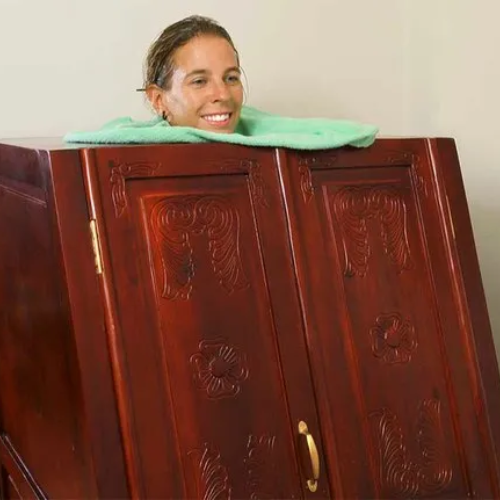
Swedan (Herbal Steam)
What it is: Whole-body or localized herbal steam that promotes sweating and deep tissue warming.
- Helps liquefy and eliminate Ama, reduces stiffness and muscle spasm.
- Improves circulation to joints and enhances absorption of topical oils/medicines.
- Beneficial in early inflammatory and sub-acute stages to ease soreness.
- Contraindicated in high fever or severe Pitta-dominant inflammation without doctor guidance.
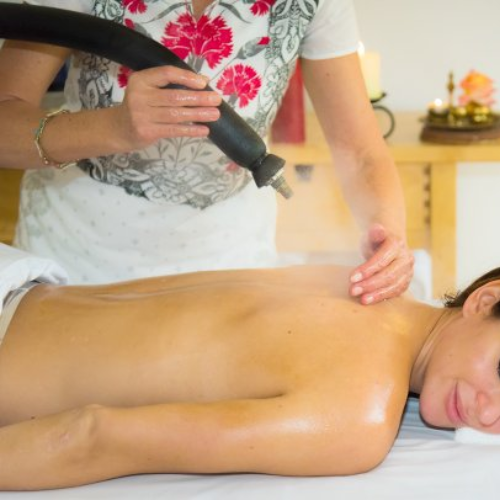
Nadi Swedan (Localized Steam)
What it is: Steam applied via narrow tube to target joints/regions for focused warmth.
- Targets stiff or swollen joints (e.g., wrists, knees) with controlled heat.
- Reduces local inflammation and improves mobility.
- Often combined with topical oil therapies (potli/lepam) for better effect.
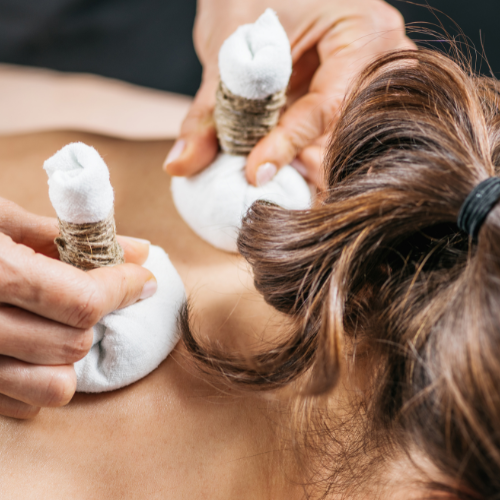
Churn Potli (Herbal Powder Bolus)
What it is: Heated boluses of powdered medicinal herbs applied with rhythmic strokes.
- Provides deep, dry heat to joints; reduces swelling and pain.
- Stimulates local circulation and loosens fibrotic adhesions around joints.
- Used in arthritis, chronic joint stiffness and post-injury adhesions.
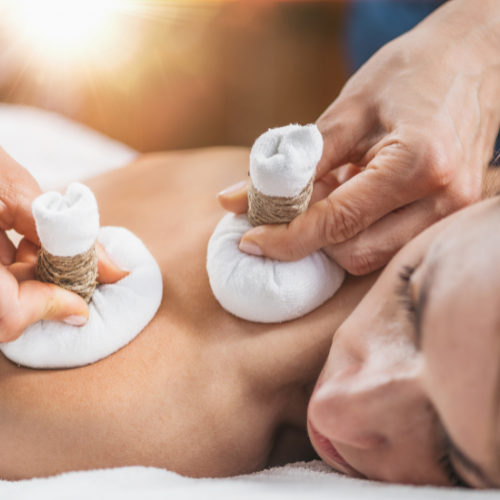
Patra Potli (Herbal Leaves Bolus)
What it is: Boluses made from warmed herbal leaves applied to inflamed joints.
- Soothes inflammation, reduces swelling and draws out toxins.
- Good for sensitive skin over joints where heat must be gentler than churn potli.
- Effective in chronic arthritis and localized Vata pain.
Lepam (Herbal Paste)
What it is: Topical therapeutic paste of herbs applied to joints.
- Reduces localized inflammation, soothes pain and tightness.
- Often used after Abhyanga + Swedan to cool and heal the joint surface.
- Good for sensitive skin and chronic swelling control.
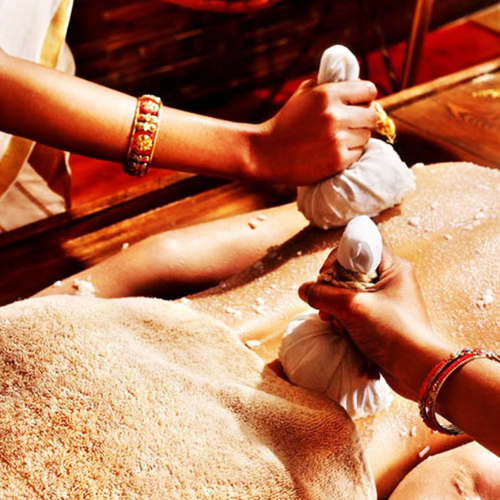
Njavara Kizhi
What it is: Warm cooked Njavara rice boluses soaked in herbal decoction and applied over body/joints.
- Deeply nourishes muscles and joints, reduces Vata-related stiffness.
- Excellent for chronic arthritis, post-traumatic stiffness and neurological weakness.
- Promotes tissue repair and gentle heat absorption.
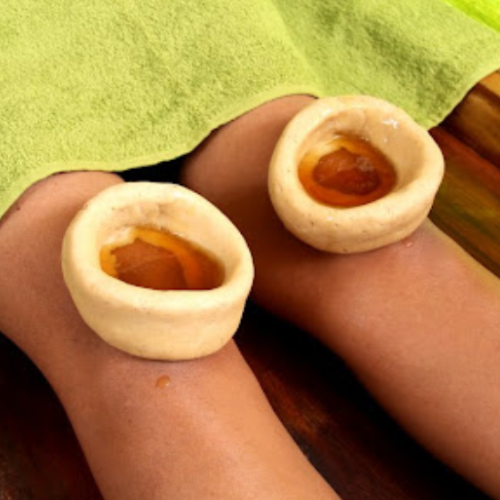
Janu Vasti (Knee Oil Retention)
What it is: Medicated oil retained over the knee joint to deeply nourish and reduce inflammation.
- Directly nourishes articular cartilage and peri-articular tissues.
- Highly recommended for knee-dominant Rheumatoid Arthritis to reduce pain and improve mobility.
Basti (Medicated Enema)
What it is: Medicated oil or decoction administered rectally to cleanse Vata and nourish tissues.
- Considered one of the most powerful Panchakarma procedures for Vata-related disorders like Rheumatoid Arthritis.
- Reduces joint pain, improves motility and gut health, and provides deep Vata pacification.
- Usually done as a course (several sessions) under clinical supervision.
Herbal Medicines & Supportive Formulations
We use evidence-backed herbs and formulations (individualized dosing & combinations):
- Guggulu (Commiphora mukul): Anti-inflammatory and analgesic; supports joint function.
- Shallaki / Boswellia serrata: Inhibits inflammatory mediators—supports cartilage and pain reduction.
- Ashwagandha: Adaptogen that reduces inflammatory stress and supports muscles and nerves.
- Turmeric (Curcuma longa): Curcumin-based anti-inflammatory, antioxidant support.
- Dashmoola formulations: Reduce Vata and strengthen musculoskeletal tissue.
- Rasayanas: Medicated rejuvenators used to rebuild strength and immunity in chronic cases.
- Basti oils / kashayas: Herbal oils used internally (enema) and externally for nourishment.
All internal medicines are prescribed after a detailed examination — interactions with conventional drugs (DMARDs, steroids) are closely monitored by our physicians.
Diet, Daily Routine & Lifestyle — Practical Guidance
Diet and lifestyle are essential to prevent Ama formation and control Rheumatoid Arthritis activity.
- Aim: Strengthen Agni (digestive fire), avoid Ama-producing foods, and reduce triggers.
- Foods to include: Warm, cooked vegetables, whole grains (rice, millet), gentle spices (turmeric, ginger), lean proteins, ghee in moderation.
- Foods to avoid: Cold/raw heavy foods, deep-fried items, excess dairy, refined sugar, and alcohol (all provoke Ama and Vata).
- Routine: Regular light exercise (walks, tailored physiotherapy), pranayama, adequate sleep and stress-reduction practices.
Typical Clinic Treatment Plan & Recommended Combos
Below are sample, commonly used packages — each plan is individualized per patient diagnostics and severity.
Starter / Acute Relief (1–2 weeks)- Abhyanga + Swedan (daily) — ease pain & stiffness
- Nadi Swedan + Lepam for target joints
- Short course of anti-inflammatory herbal medicines
Deep Detox & Rebalance (3–4 weeks)- Preparatory snehapana (internal oleation) as required
- Basti course (medicated enemas) — primary Vata pacification
- Janu/Kati/Greeva Vasti for problematic joints/spine
Maintenance & Rejuvenation (monthly)- Abhyanga 2–3x weekly, Njavara Kizhi monthly
- Herbal rasayanas & dietary plan
- Physio-guided mobility program & stress management
All Panchakarma procedures (Basti, Virechana, Vamana) are performed under medical supervision and are preceded by preparatory treatments; risks and contraindications are reviewed prior to therapy.
Evidence, Safety & Integration
Ayurvedic therapies have growing supportive evidence for symptom relief in RA (reduced pain, improved function). Key safety notes:
- Some formulations (classical mineral preparations) require strict clinical oversight and lab monitoring.
- We coordinate with your rheumatologist when on DMARDs / steroids to ensure safe integration.
- Panchakarma requires pre-assessment (blood work, vitals) to ensure candidacy and safety.
Quick Reference — Treatments & Purpose
| Treatment | Primary purpose | Rheumatoid Arthritis role |
|---|
| Abhyanga | Pain relief, circulation | Soothes joints, reduces stiffness |
| Basti | Vata pacification, detox | Core Panchakarma for Rheumatoid Arthritis; reduces Vata-driven pain |
| Janu Vasti | Local joint nourishment | Directly nourishes knee joint; reduces swelling |
| Swedan / Nadi Swedan | Heat & detox | Liquefy Ama, relieve stiffness |
| Churn/Patra Potli | Local deep-heat | Improves mobility, reduces fibrotic adhesions |
| Shirodhara | Neuro-psych support | Reduces stress-related flares and insomnia |
| Virechana / Vamana | Detox for Pitta/Kapha | Used selectively as per prakriti & clinical picture |
Clinic Process — How we work
Step 1 — Assessment
Comprehensive history, joint exam, baseline labs if needed (CBC, CRP, Rheumatoid factor/ACPA when applicable), imaging review and Ayurvedic dosha assessment.
Step 2 — Individualized Plan
A precise combination of Panchakarma / local therapies + herbs + diet & physiotherapy is prepared and explained including benefits, duration and safety.
Step 3 — Therapy Phase
Therapies delivered in-clinic with monitoring and daily evaluation. Adjustments are made according to response.
Step 4 — Follow-up & Maintenance
Periodic follow-ups, maintenance Abhyanga / Janu Vasti, and long-term herbal support to prevent relapse and preserve joint function.
Ready to begin an Ayurvedic pathway for Rheumatoid Arthritis?
Book a personalized consultation. We'll assess, design a safe Panchakarma + supportive plan, and coordinate with your existing medical care.
Book Consultation
Clinic performs all procedures under a qualified Ayurvedic physician and provides pre-procedure instructions and post-care support.