
Joint Pain Ayurveda - Types, Causes, Symptoms, Diagnosis & Treatment
A common condition marked by stiffness, swelling, or discomfort in the joints, often due to wear, injury, or imbalance in body energies. Ayurveda manages it through herbal remedies, Panchakarma therapies, and lifestyle adjustments to restore mobility and reduce inflammation.
All Services
Our Full Range of Joint Pain Services
Joint pain can impact major areas such as the knees, hips, and shoulders, as well as smaller joints in the body. If left unmanaged, it often worsens with age, repetitive strain, or unhealthy lifestyle patterns, leading to stiffness, swelling, and restricted mobility. Through personalized Ayurvedic care, we not only provide relief from pain and inflammation but also strengthen the joints, improve flexibility, and help prevent long-term complications. Early intervention ensures better management and preserves your overall quality of life.
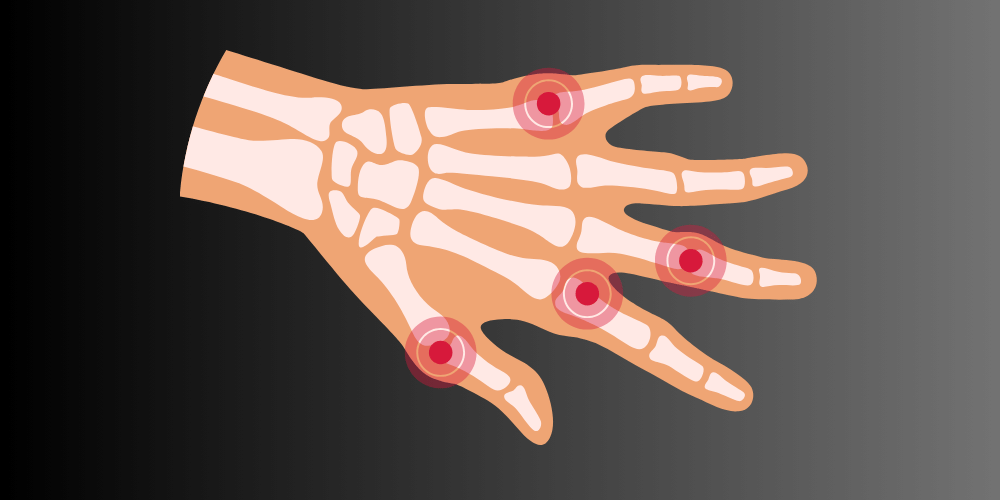
Rheumatoid Arthritis
An autoimmune disorder where the body attacks its own joints, causing swelling, pain, and deformity. Ayurveda treats it with detoxification, herbs, and diet corrections for long-term relief and improved joint function.
Know More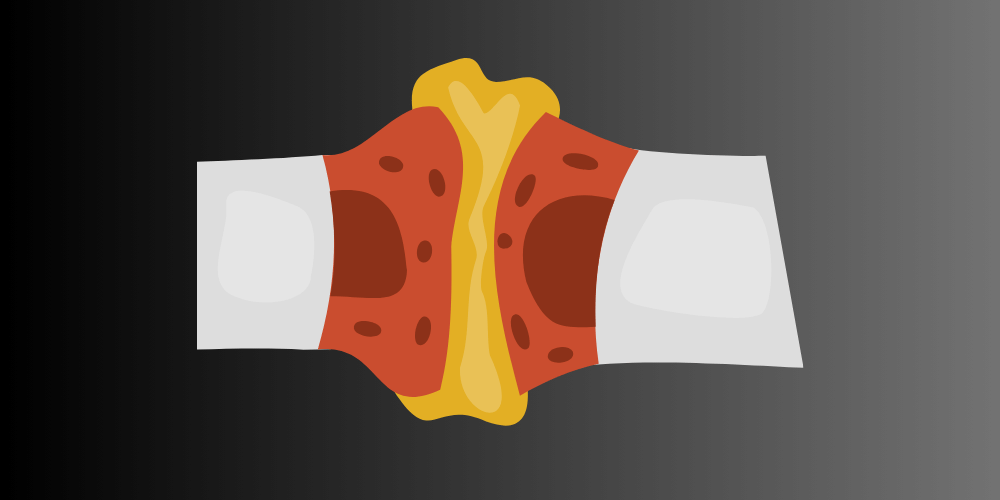
Gouty Arthritis
Caused by uric acid crystals in the joints, especially in the big toe. Ayurveda balances metabolism, detoxifies the body, and uses herbs to reduce pain and prevent recurrence.
Know More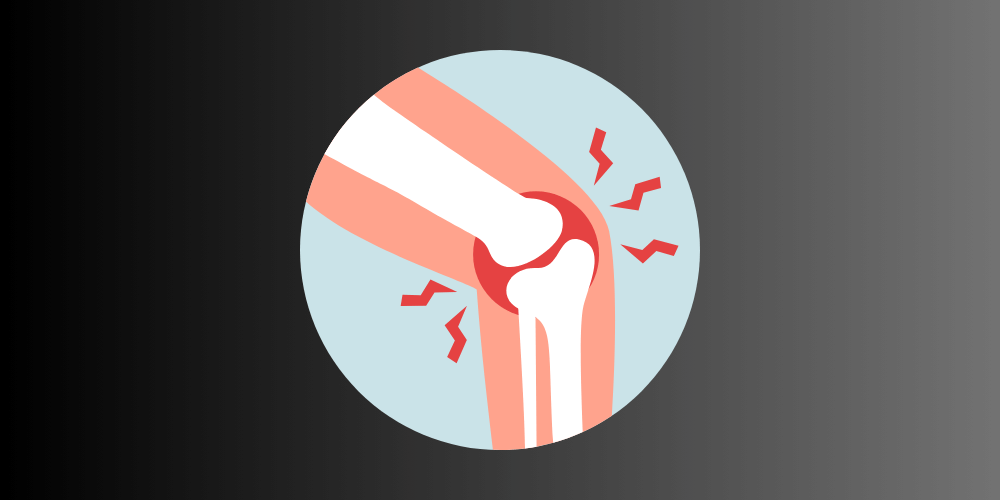
Osteoarthritis
A degenerative joint condition where cartilage wears down, causing stiffness and pain. Ayurveda manages it with nourishing oils, Panchakarma, and herbs to restore flexibility.
Know More
Osteomalacia
Softening of bones due to lack of minerals like Vitamin D or calcium. Ayurveda recommends nutrition-rich diets, herbal formulations, and lifestyle practices to restore bone strength.
Know More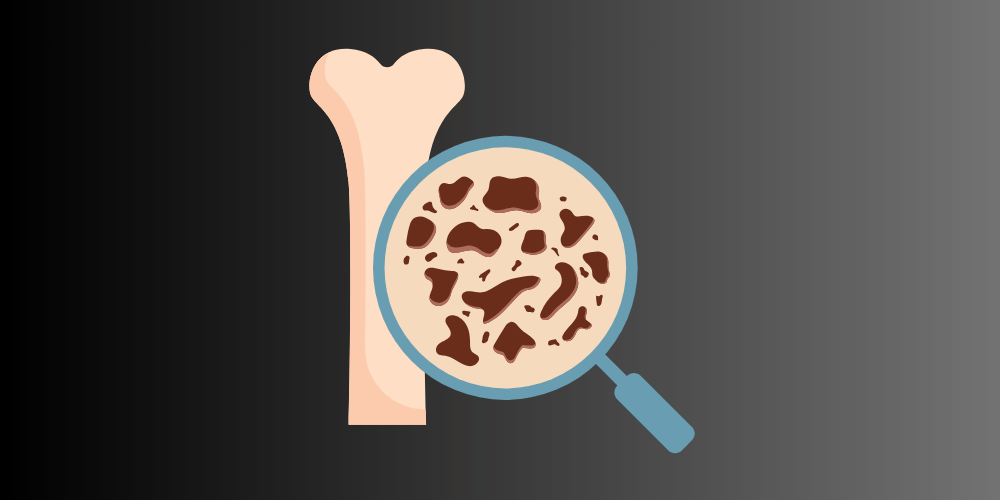
Osteoporosis
Progressive weakening of bones, making them fragile. Ayurveda nourishes bone tissues (Asthi Dhatu) with herbs, diets, and digestion improvement for long-term bone health.
Know More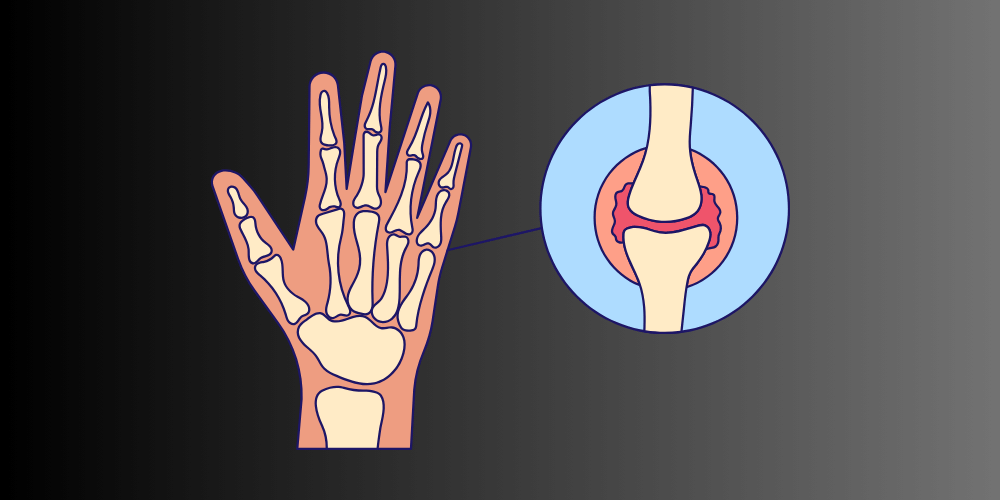
Psoriatic Arthritis
Linked with psoriasis, causing joint pain and skin irritation. Ayurveda uses detoxification, anti-inflammatory herbs, and dietary regulation to heal skin and joints together.
Know More
Cervical Spondylosis
Age-related degeneration of spinal discs in the neck. Ayurveda uses Panchakarma, medicated oils, and postural corrections to relieve compression and improve flexibility.
Know More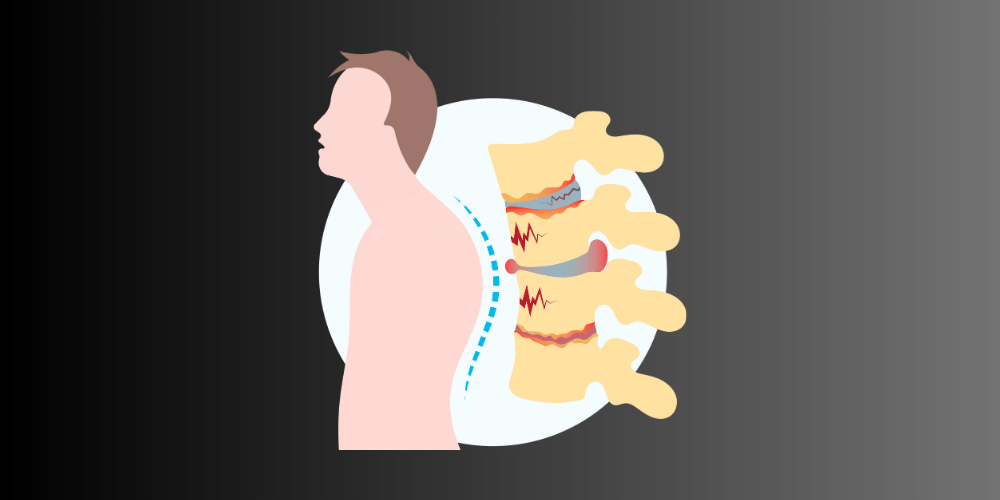
Cervical Spondylitis
Inflammation of cervical vertebrae causing neck pain and stiffness. Ayurveda uses herbs, massage, and lifestyle corrections to reduce inflammation and restore mobility.
Know More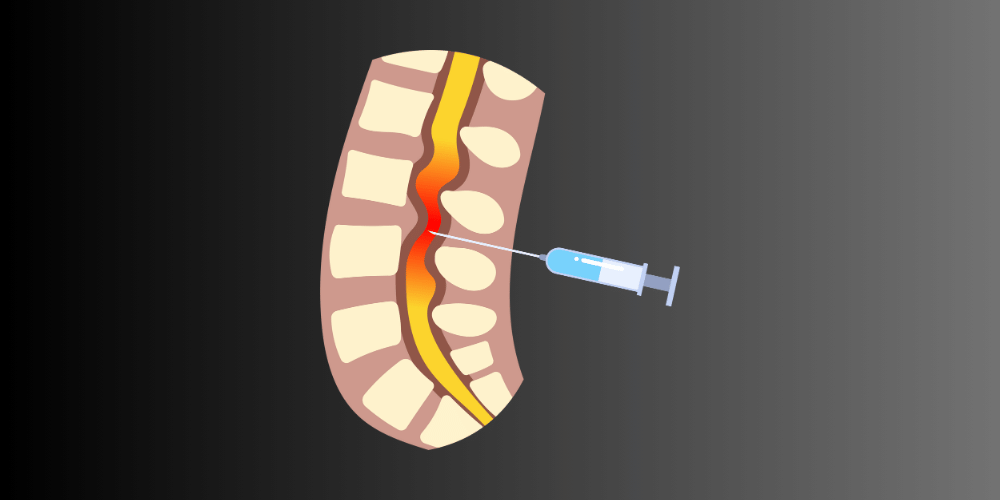
Ankylosing Spondylitis
A chronic disorder fusing spinal bones, reducing flexibility. Ayurveda uses detox, Vata-pacifying herbs, and yoga to maintain mobility and reduce stiffness.
Know More
Neck Pain
Often caused by poor posture or cervical issues. Ayurveda uses massages, heat, herbs, and posture correction for natural pain relief and neck strength.
Know More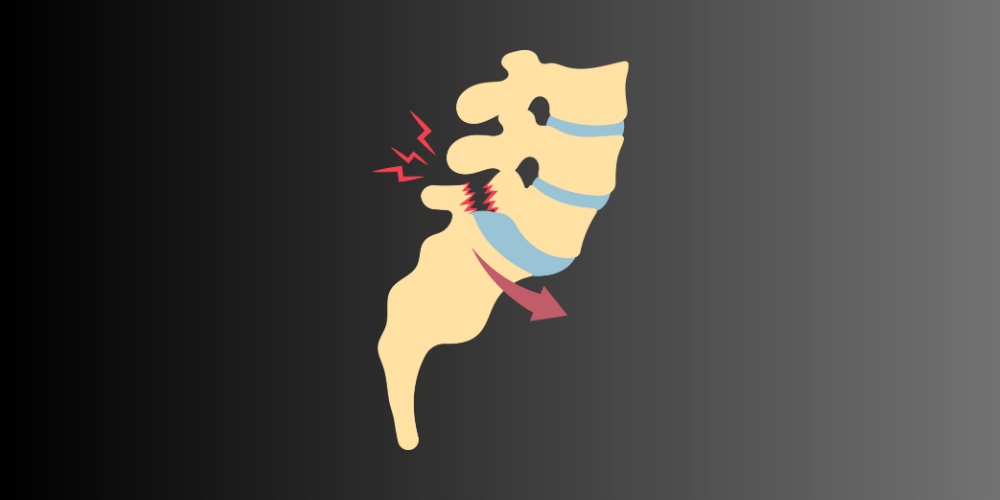
Lumbar Spondylosis
Degeneration of lower spine causing stiffness and pain. Ayurveda uses Panchakarma, oils, and posture corrections to restore mobility naturally.
Know More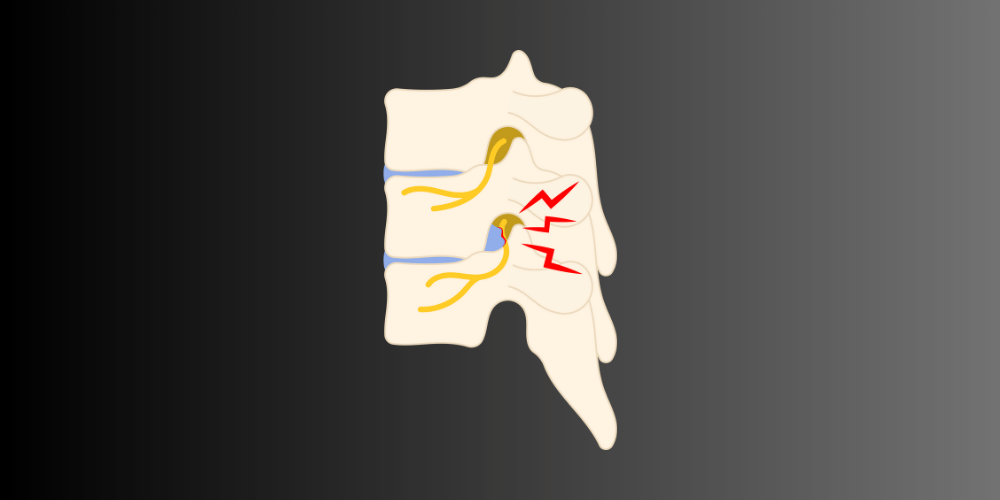
Lumbar Spondylitis
Inflammation of lower back vertebrae causing pain and movement difficulty. Ayurveda uses herbs, detox, and exercises to control inflammation and strengthen spine.
Know More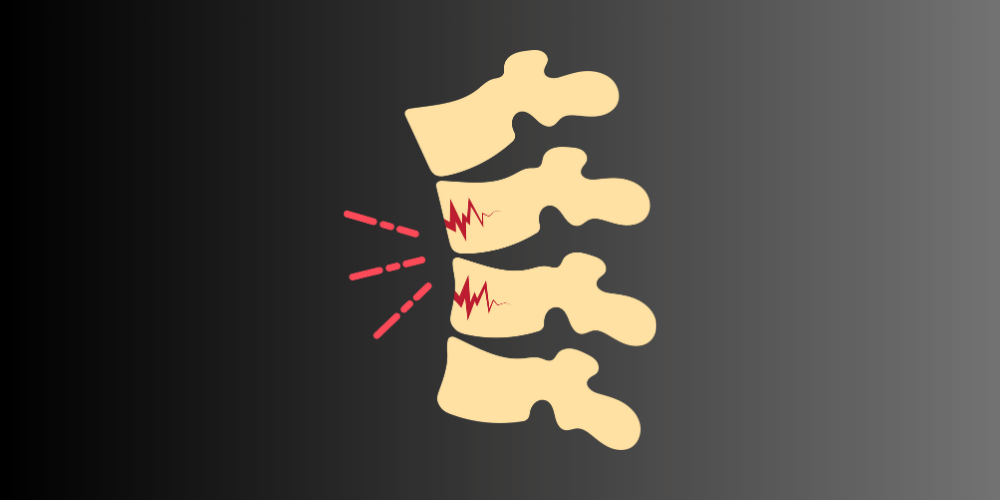
Disc Pain
Pain caused by degeneration, bulging, or injury to spinal discs. Ayurveda uses Panchakarma, medicated oils, and posture correction to restore disc health.
Know More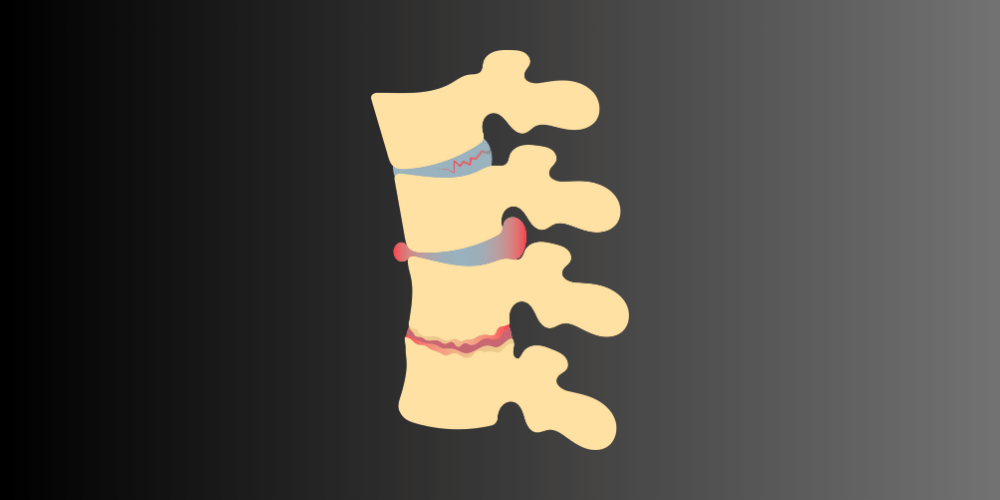
Slip Disc
Occurs when spinal disc slips out and presses nerves, causing pain. Ayurveda uses therapies like Kati Basti and herbs to ease pressure and improve alignment.
Know More
Disc Bulge
Spinal disc bulges outward causing pain. Ayurveda uses detox, strengthening therapies, and posture corrections to restore flexibility and prevent recurrence.
Know More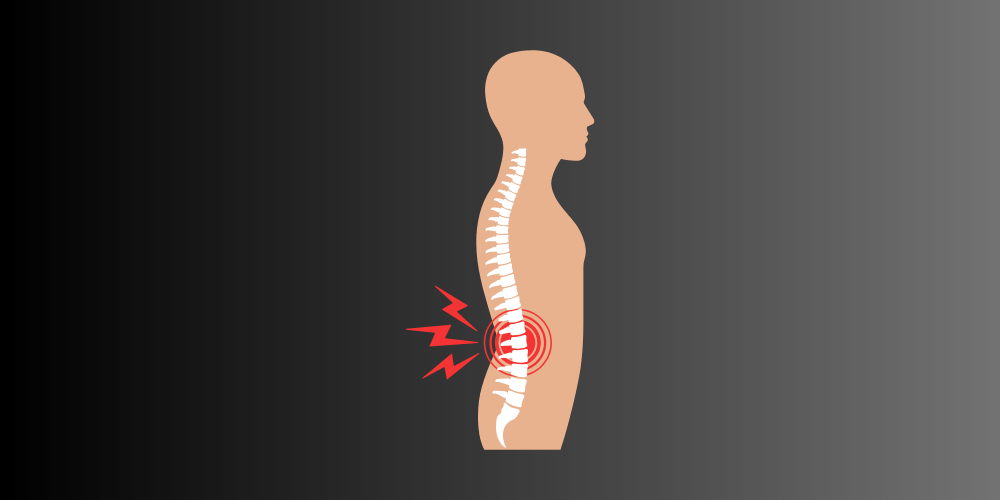
Low Back Pain
Caused by strain or spinal conditions. Ayurveda uses massages, Panchakarma, yoga, and herbs to relieve pain and strengthen the back naturally.
Know More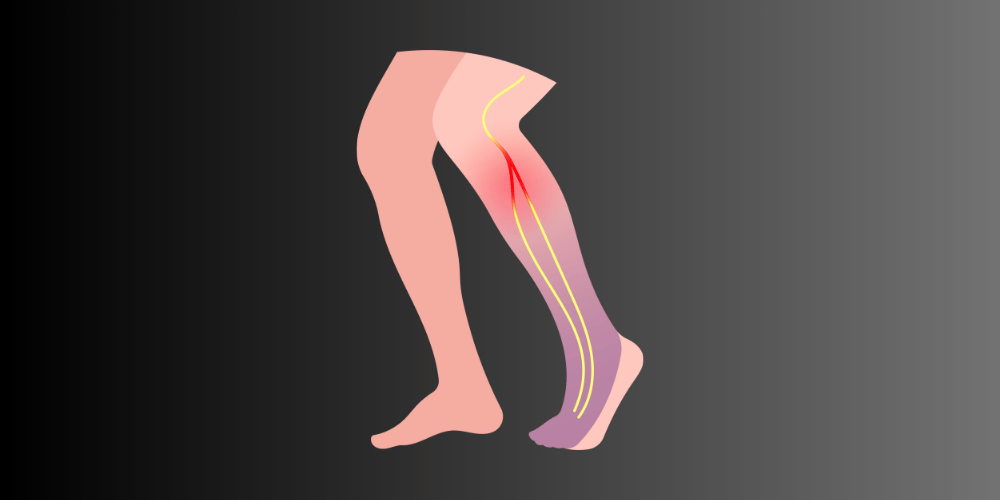
Sciatica
Compression of the sciatic nerve causing radiating pain. Ayurveda uses Kati Basti, oils, and Vata therapies to reduce nerve pressure and improve mobility.
Know More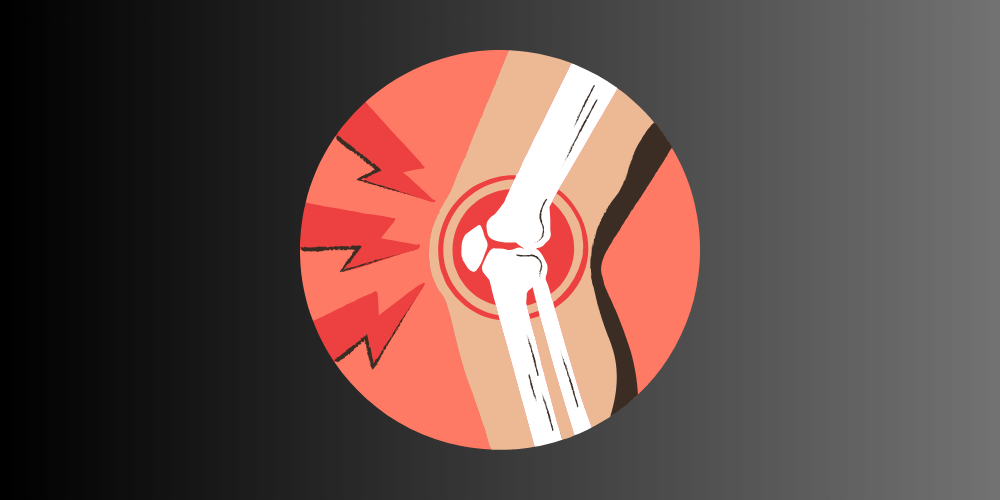
Knee Pain
Caused by arthritis, injury, or wear-and-tear. Ayurveda uses nourishing herbs, oil massages, and Panchakarma therapies to restore strength and flexibility.
Know More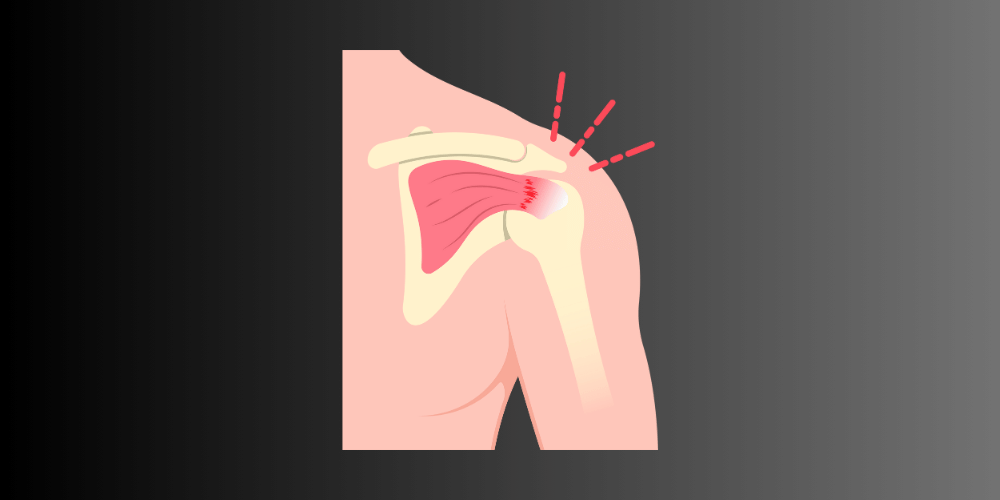
Frozen Shoulder
Shoulder stiffness and pain restricting arm movement. Ayurveda uses massages, medicated oils, and yoga to restore shoulder mobility naturally.
Know More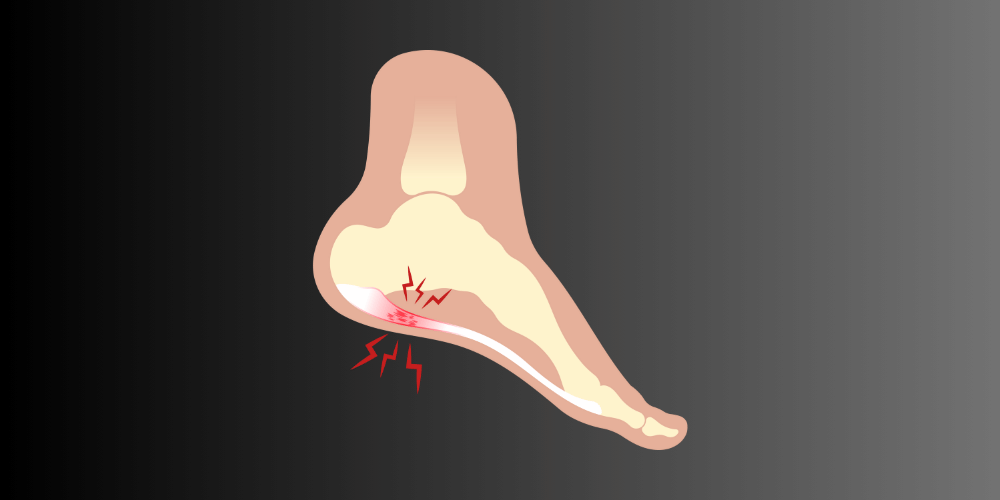
Plantar Fasciitis
Pain in heel caused by inflamed ligament. Ayurveda uses herbal oils, therapies, and lifestyle changes to reduce pain and strengthen foot muscles.
Know More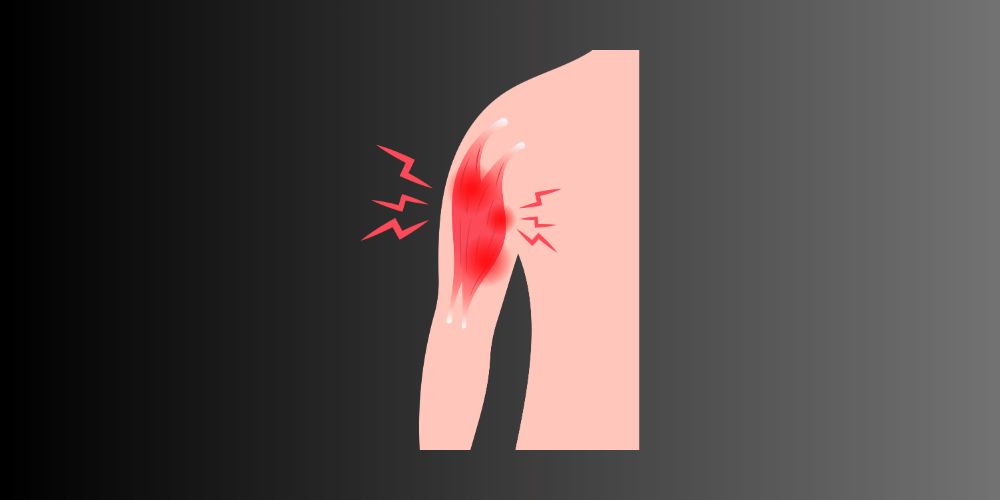
Fibromyalgia
Chronic disorder causing pain, fatigue, and sleep issues. Ayurveda treats it with detox, herbs, and stress management for holistic healing.
Know More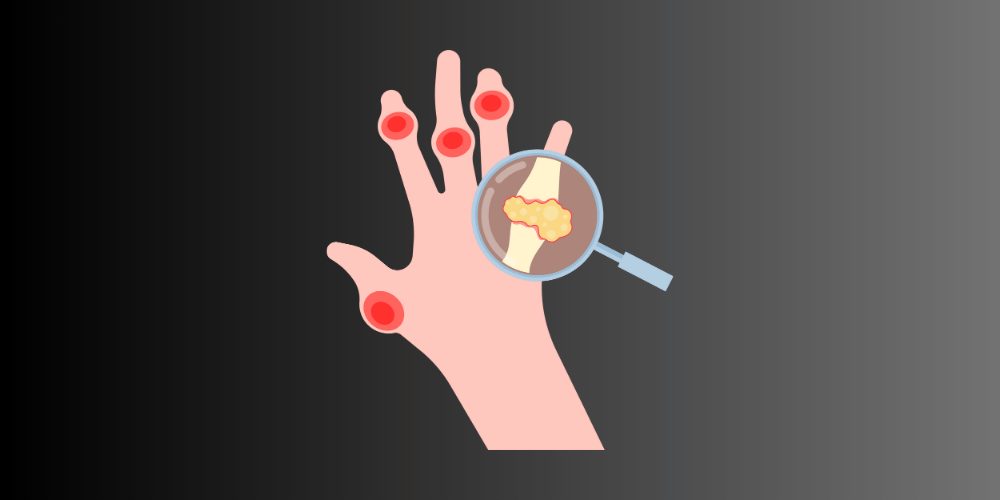
Juvenile Rheumatoid Arthritis
Autoimmune disorder in children causing painful, swollen joints. Ayurveda uses gentle detox, immune-strengthening herbs, and diet to prevent long-term damage.
Know MoreJoint pain is one of the most common health concerns across all age groups. Whether it’s stiffness in your knees, pain in your shoulders, or inflammation in your back — joint pain can deeply affect your ability to move, work, and live freely.
At Dr. Acharya’s Ayurveda, we believe that every joint tells a story — of lifestyle, diet, and internal balance. Through a blend of modern understanding and ancient Ayurvedic wisdom, we help patients find the root cause of their pain and restore natural movement — without long-term dependence on painkillers.
What Is Joint Pain?
A joint is where two bones meet — such as your knees, shoulders, hips, neck, and spine. These joints allow flexibility, movement, and strength.
When the structures within or around the joint — cartilage, ligaments, tendons, or synovial lining — get inflamed, worn out, or imbalanced, pain arises.
In Ayurveda
Joint pain is known as Sandhivata — where Vata dosha (responsible for movement and dryness) gets aggravated, leading to stiffness, crepitation, and pain.
This imbalance may occur due to:
- Improper digestion leading to Ama (toxin) accumulation
- Irregular lifestyle and poor diet
- Excessive strain, stress, or aging
Understanding the Structure of a Joint
Every joint is made of:
- Cartilage: smooth tissue covering bone ends, allowing frictionless movement
- Synovial fluid: lubricating liquid that nourishes the joint
- Ligaments & tendons: connective tissues stabilizing movement
- Muscles: supporting structures that generate strength
When inflammation, degeneration, or toxin buildup disturbs this harmony, joint pain appears.
Ayurvedic Correlation
Ayurveda sees the joint (Sandhi) as a point governed by Vata. When Vata dries up the natural lubrication or gets obstructed by Ama, the result is pain, stiffness, or swelling — depending on the dominance of Vata, Pitta, or Kapha.
Common Causes of Joint Pain
Joint pain isn’t a single disease — it’s a symptom with many underlying causes.
Here are the most common ones:
1. Degenerative Wear and Tear
- Osteoarthritis (Sandhigata Vata): When cartilage wears down over time, causing pain and stiffness.
- Common in knees, hips, and spine.
- Ayurveda associates this with Vata aggravation and tissue depletion (Dhatu Kshaya).
2. Inflammatory Conditions
- Rheumatoid Arthritis, Psoriatic Arthritis, Ankylosing Spondylitis
- These are autoimmune disorders, where the immune system attacks joint tissues.
- From an Ayurvedic view: aggravated Pitta and Vata, along with deep-seated Ama (toxins), cause inflammation.
3. Metabolic or Crystalline Disorders
- Gout (Vatarakta) occurs when uric acid crystals deposit in joints.
- Sudden severe pain, redness, and swelling — especially in toes.
- Ayurveda relates this to vitiated Vata and Rakta dhatu (blood tissue).
4. Infectious Causes
- Joint pain due to infections (viral, bacterial, post-fever arthralgia).
- Ayurveda views these as accumulation of Ama with Pitta involvement.
5. Hormonal or Nutritional Deficiency
- Deficiency of Vitamin D or Calcium can lead to Osteomalacia or Osteoporosis.
- Ayurveda identifies this as Asthi Dhatu Kshaya (bone tissue depletion).
6. Postural and Mechanical Causes
- Prolonged sitting, poor posture, or sudden jerks can lead to:
- Cervical Spondylosis
- Lumbar Spondylitis
- Disc Bulge / Slip Disc
- Sciatica
- Cervical Spondylosis
7. Stress & Lifestyle Factors
- Chronic stress, irregular sleep, and erratic food habits disturb all three doshas.
- Leads to weak digestion (Agni mandya) → toxin accumulation (Ama) → inflamed joints.
Risk Factors for Joint Pain
Certain factors make you more vulnerable to developing chronic joint issues:
- Age: Natural wear and tear increases with time
- Obesity: Extra weight strains knee and spine joints
- Genetics: Family history of arthritis
- Injury or Trauma: Sports, accidents, or overuse
- Occupational strain: Prolonged standing, heavy lifting
- Sedentary lifestyle: Weakens muscles that protect joints
- Dietary imbalance: Excess cold, dry, processed, or sour foods
- Stress and sleep deprivation: Disturbs hormonal and doshic balance
Symptoms of Joint Pain
Symptoms may vary depending on the type and severity of the condition, but typically include:
- Pain and tenderness in one or more joints
- Swelling or redness around the joint
- Stiffness, especially after waking or inactivity
- Crackling sound (crepitus) during movement
- Loss of flexibility or range of motion
- Fatigue and weakness in surrounding muscles
Ayurvedic Symptom Pattern:
Dosha Involved | Typical Symptoms |
Vata | Dryness, cracking, stiffness, pain increases with cold or movement |
Pitta | Burning sensation, redness, inflammation, warmth |
Kapha | Swelling, heaviness, dull pain, stiffness in morning |
How Ayurveda Classifies Joint Pain
Type | Ayurvedic Name | Dominant Dosha | Typical Symptoms |
Degenerative | Sandhivata | Vata | Stiffness, cracking, dryness |
Inflammatory | Amavata (Rheumatoid), Vatarakta (Gout) | Vata + Pitta | Heat, swelling, redness |
Metabolic | Asthi Kshaya (Osteoporosis) | Vata | Bone weakness, fragility |
Autoimmune | Sandhigata Jwara (Autoimmune arthritis) | Vata + Kapha | Chronic fatigue, swelling |
Diagnosis of Joint Pain
A complete evaluation helps determine the underlying cause and stage of the disease.
Modern Diagnostic Tests:
- X-rays or MRI: Detect structural damage, disc bulge, or joint degeneration
- Blood Tests: Rheumatoid factor (RF), ESR, CRP, uric acid levels
- DEXA Scan: For bone density in osteoporosis
- Physical Examination: Range of motion, swelling, and tenderness
Ayurvedic Diagnostic Methods:
- Nadi Pariksha (Pulse Diagnosis): Determines which dosha is imbalanced.
- Darshan (Observation): Visual signs — swelling, color, texture of skin.
- Sparshan (Touch): Temperature, tenderness, stiffness of joint.
- Prashna (Questioning): Lifestyle, digestion, bowel habits, emotional health.
- Dosha Analysis: Whether pain is caused by Vata (dry), Pitta (hot), or Kapha (heavy) imbalance.
- Agni & Ama Assessment: To check digestive strength and toxin load.
This holistic evaluation helps design a personalized treatment plan — balancing detoxification (to remove Ama) with rejuvenation (to restore Asthi dhatu and lubrication).
Conditions Commonly Associated with Joint Pain
At Dr. Acharya’s Ayurveda, we treat a full spectrum of joint and musculoskeletal conditions, including:
- Rheumatoid Arthritis (Amavata)
- Gouty Arthritis (Vatarakta)
- Osteoarthritis (Sandhivata)
- Psoriatic Arthritis
- Osteomalacia
- Osteoporosis
- Cervical & Lumbar Spondylosis / Spondylitis
- Disc Pain, Disc Bulge, Sciatica
- Frozen Shoulder
- Knee Pain
- Fibromyalgia
- Plantar Fasciitis
- Juvenile Rheumatoid Arthritis
Each of these conditions has distinct underlying imbalances and requires individualized Ayurvedic therapies and dietary adjustments.
When to See a Doctor
You should seek medical attention if you notice:
- Persistent joint pain lasting more than 2 weeks
- Swelling, redness, or deformity
- Fever, fatigue, or unexplained weight loss
- Stiffness that worsens in the morning or after rest
- Limited movement or difficulty performing daily tasks
At Dr. Acharya’s Ayurveda, we focus on root cause diagnosis rather than symptom suppression — aiming for long-term relief and regeneration.
Ayurvedic Treatments & Panchakarma Therapies for Joint Pain Relief
In Ayurveda, joint pain (Sandhivata) arises due to a combination of Vata imbalance, Ama (toxin) accumulation, and depletion of Asthi Dhatu (bone tissue).
Unlike modern painkillers that only mask discomfort, Ayurveda heals from within — by balancing doshas, cleansing toxins, and nourishing joints.
At Dr. Acharya’s Ayurveda, every joint pain treatment begins with three steps:
- Understanding the imbalance — through Nadi Pariksha and detailed case analysis
- Eliminating toxins — via Panchakarma and herbal detox
- Rejuvenating the tissues — through therapies, oils, and Rasayana herbs
Panchakarma: The Foundation of Ayurvedic Joint Care
Panchakarma, the fivefold purification therapy, is the most powerful method to remove accumulated toxins and restore natural balance.
Each Panchakarma procedure is customized depending on whether the joint pain is acute (inflamed) or chronic (degenerative).
1. Abhyanga (Medicated Oil Massage)
A full-body massage using warm, dosha-specific herbal oils.
It improves circulation, reduces stiffness, and lubricates the joints.
Benefits:
- Reduces Vata aggravation
- Relieves muscle tightness
- Enhances flexibility and sleep
- Strengthens bones and tissues
Common Oils Used:
Mahanarayan Taila, Dhanwantharam Taila, Kottamchukkadi Taila
2. Swedan (Herbal Steam Therapy)
After Abhyanga, herbal steam is applied to open pores and eliminate Ama through sweat.
Especially beneficial for stiff joints, back pain, and spondylosis.
Types:
- Bashpa Sweda (Steam Chamber) – full-body
- Nadi Swedan – localized steam directed via herbal pipe
Benefits:
- Improves flexibility
- Reduces swelling
- Enhances toxin elimination
3. Patra Potli & Churna Potli Sweda
Herbal leaves or powders are roasted in medicated oils, tied into a potli (pouch), and applied over the joints.
The heat and herbal action deeply penetrate to relieve chronic pain.
Best For: Osteoarthritis, Frozen Shoulder, Back Pain
Key Herbs: Eranda, Nirgundi, Arka, Rasna, Dashamoola
4. Kati Vasti / Greeva Vasti / Janu Vasti / Prishtha Vasti
These are localized oil-retention therapies.
Warm medicated oil is pooled within a dough ring over the lower back (Kati), neck (Greeva), knees (Janu), or spine (Prishtha).
Benefits:
- Lubricates joints and nerves
- Reduces disc-related pain (Slip Disc, Sciatica)
- Nourishes cartilage and strengthens ligaments
Best For:
Lumbar Spondylosis, Cervical Spondylitis, Knee Osteoarthritis, Sciatica
5. Shirodhara
A continuous stream of warm oil is poured over the forehead for relaxation and nervous system balance.
Why it helps joint pain:
Chronic joint issues often have a stress component. Shirodhara calms the hypothalamic–pituitary axis, reduces cortisol, and enhances healing.
6. Virechana (Therapeutic Purgation)
A detoxification procedure that removes excess Pitta and Ama from the intestines and liver.
Indicated in:
- Rheumatoid Arthritis
- Gouty Arthritis
- Psoriatic Arthritis
Benefits:
- Clears inflammation
- Improves digestion and metabolism
- Restores joint mobility
7. Basti (Medicated Enema Therapy)
The most effective Panchakarma for Vata-related joint pain.
It delivers medicated oils and herbal decoctions through the rectal route — directly balancing Vata and nourishing the spine and joints.
Types:
- Anuvasana Basti (Oil Enema) – nourishes and lubricates
- Niruha Basti (Decoction Enema) – detoxifies
Benefits:
- Relieves chronic back and joint pain
- Restores movement and strength
- Improves sleep and nerve health
Best For: Osteoarthritis, Ankylosing Spondylitis, Sciatica, Cervical or Lumbar Pain
8. Lepam (Herbal Paste Application)
Thick herbal pastes are applied over swollen or painful joints to draw out toxins and reduce inflammation.
Best For: Acute swelling, rheumatoid flare-ups, or sports injuries.
9. Udvartana (Dry Herbal Powder Massage)
A therapeutic dry massage using herbal powders that stimulate circulation and reduce Kapha-related stiffness.
Ideal for: Obese or sedentary individuals with heavy, dull pain in joints.
10. Nasyam (Nasal Detox Therapy)
Administering medicated oil drops through the nostrils.
It helps remove toxins from the head and neck region.
Best For:
Cervical Spondylosis, Frozen Shoulder, Neck Pain
- Kashaya Dhara / Njavara Kizhi / Navara Facial
Pouring of warm herbal decoctions (Kashaya Dhara) or cooked rice boluses (Njavara Kizhi) over the body/joints to nourish and rejuvenate.
Benefits:
- Deeply nourishing
- Improves lubrication
- Prevents degeneration
Internal Ayurvedic Medicines and Rasayanas
Depending on the dosha dominance, your physician may prescribe combinations of herbal formulations such as:
Category | Ayurvedic Medicines / Herbs |
Anti-inflammatory | Guggulu, Shallaki, Rasna, Yogaraja Guggulu |
Vata pacifying & Lubricating | Ashwagandha, Bala, Dashamoola |
Bone strengthening (Asthi Dhatu Rasayana) | Laksha Guggulu, Hadjod, Shankh Bhasma |
Detoxifying (Ama-cleansing) | Triphala, Panchakola, Punarnava |
Rejuvenative (Rasayana) | Amalaki, Shatavari, Pippali, Abhraka Bhasma |
All medicines are prescribed only after complete doshic assessment and may vary per patient.
Lifestyle and Diet for Joint Pain (Ahara & Dinacharya)
Healing doesn’t end at therapy — it continues at home through mindful living.
Dietary Guidelines
- Eat warm, freshly cooked meals; avoid cold, processed foods
- Include ghee, sesame oil, and soup-like foods to balance Vata
- Avoid curd, sour fruits, red meat, and alcohol during inflammation
- Drink lukewarm water or herbal teas (ginger, turmeric, coriander)
- Add turmeric, garlic, fenugreek, and cumin in meals
Lifestyle Habits
- Maintain a consistent daily routine (Dinacharya)
- Regular oil massage (Abhyanga) at home before a warm bath
- Sleep early; avoid late nights and stress
- Gentle Yoga & stretching (avoid jerky or weight-bearing postures)
- Avoid cold exposure, excessive air-conditioning, and damp environments
Home Remedies for Joint Pain (Safe Ayurvedic Practices)
1. Mustard Oil + Dried Ginger + Black Pepper
Warm the oil with crushed ginger and black pepper; apply over painful joints to stimulate circulation.
2. Turmeric Milk (Haldi Doodh)
One of the best natural anti-inflammatory drinks — reduces swelling and pain.
3. Castor Oil (Eranda Taila)
One teaspoon before bedtime helps detoxify Vata and relieve constipation — indirectly helping joint mobility.
4. Fenugreek (Methi) Seeds
Soaked overnight and consumed in the morning to reduce stiffness.
5. Epsom Salt Bath
Helps relax muscles and soothe minor joint inflammation.
6. Triphala Decoction
Supports digestion and eliminates Ama formation.
Preventing Joint Pain Naturally
- Keep digestion strong — avoid overeating and heavy dinners
- Manage body weight and posture
- Practice moderate, regular exercise
- Stay hydrated — dehydration increases Vata
- Avoid skipping meals and long fasting
- Maintain good sleep and stress control
- Annual Ayurvedic detox (Panchakarma) helps prevent recurrence
Why Choose Dr. Acharya’s Ayurveda for Joint Pain
- Authentic Panchakarma Centre — therapies performed by trained therapists under medical supervision
- Customized Herbal Formulations — based on Prakriti and Dosha
- Integration of Classical & Modern Science — root cause analysis with holistic management
- Comprehensive Care — from detox to rehabilitation
- Trusted Expertise — thousands of patients healed from chronic arthritis, spondylosis, and knee pain
Patient Experience
“After years of knee pain and sleepless nights, three weeks of Panchakarma at Dr. Acharya’s Ayurveda changed my life. I can walk freely again — without painkillers.”
— Sangeeta R., Pune
Key Takeaway
Ayurveda doesn’t just treat pain — it restores movement, purifies toxins, and rebuilds strength from within.
Whether you’re dealing with arthritis, spondylosis, or age-related stiffness, the right Ayurvedic approach can bring lasting relief.
🌿 Begin your healing journey today at Dr. Acharya’s Ayurveda — where ancient wisdom meets modern care.
Joint pain is one of the most common health complaints worldwide — affecting people of all ages. From mild stiffness to chronic inflammation, it can impact mobility, productivity, and emotional well-being.
At Dr. Acharya’s Ayurveda, we treat not just the symptoms but the root cause of joint pain through personalized Ayurvedic therapies, detoxification, diet correction, and herbal formulations.
What Is Joint Pain?
A joint is where two or more bones meet — such as the knees, shoulders, hips, or spine.
When the tissues around these joints (cartilage, ligaments, tendons, or synovial membrane) become inflamed or damaged, pain occurs.
Joint pain may be:
- Acute — sudden and short-term (e.g., injury, infection)
- Chronic — long-lasting or recurring (e.g., arthritis, autoimmune disease)
Symptoms of Joint Pain
While symptoms vary depending on the cause, common signs include:
- Pain, swelling, or warmth in one or more joints
- Stiffness, especially after waking up or prolonged sitting
- Reduced flexibility or difficulty in movement
- Grinding or cracking sensation (crepitus)
- Tenderness when touched
- Fatigue or general weakness in chronic cases
If joint pain persists for more than a few days or is accompanied by redness, fever, or sudden swelling — it’s important to consult a healthcare professional.
Common Causes of Joint Pain
Joint pain may result from mechanical stress, autoimmune disorders, metabolic imbalances, or infections.
Some of the most common causes include:
1. Arthritis and Related Disorders
- Rheumatoid Arthritis (RA): Autoimmune inflammation affecting small joints, causing pain and deformity.
- Osteoarthritis (OA): Degenerative “wear-and-tear” arthritis affecting knees, hips, and spine.
- Gouty Arthritis: Caused by uric acid crystal buildup, leading to sharp, severe pain (often in the big toe).
- Psoriatic Arthritis: Linked to psoriasis, affecting skin and joints simultaneously.
- Juvenile Rheumatoid Arthritis: Affects children, causing swelling and stiffness.
2. Spinal and Postural Disorders
- Cervical Spondylosis / Spondylitis: Degeneration in neck vertebrae causing neck and shoulder pain.
- Lumbar Spondylosis / Spondylitis: Lower back pain due to spinal wear.
- Slip Disc / Disc Bulge / Sciatica: Nerve compression leading to radiating pain and numbness.
3. Bone and Metabolic Conditions
- Osteoporosis: Reduced bone density leading to fragile joints and frequent pain.
- Osteomalacia: Softening of bones due to Vitamin D deficiency.
4. Inflammatory & Autoimmune Disorders
- Ankylosing Spondylitis: Fusion of spinal joints, reducing flexibility.
- Fibromyalgia: Widespread musculoskeletal pain with fatigue and sleep issues.
5. Overuse or Injury
- Strain, sprain, sports injury, or repetitive stress from daily activities.
6. Lifestyle & Metabolic Factors
- Sedentary habits
- Obesity
- Poor posture
- Smoking and alcohol
- Nutritional deficiencies
Ayurvedic View on Joint Pain (Sandhivata, Aamvata & More)
In Ayurveda, joint pain is primarily caused by Vata imbalance (governing movement) and Ama accumulation (undigested toxins).
Key Ayurvedic Concepts:
Ayurvedic Term | Meaning | Effect on Joints |
Vata | Governs movement and nerve impulses | When aggravated, causes dryness, stiffness, and cracking pain |
Ama | Toxins formed from weak digestion | Deposits in joints causing inflammation and heaviness |
Sandhivata | Degeneration of joints due to Vata | Similar to Osteoarthritis |
Aamvata | Combination of Ama + Vata imbalance | Comparable to Rheumatoid Arthritis |
Asthi Dhatu Kshaya | Weakness of bone tissue | Leads to conditions like Osteoporosis |
How Ayurveda Explains the Process
- Weak digestion (Mandagni) → formation of Ama
- Ama enters the bloodstream and accumulates in weak or imbalanced joints
- Vata imbalance pushes the Ama deeper into the tissues
- Inflammation, stiffness, and pain begin in the affected joints
Risk Factors
- Age above 40
- Family history of arthritis
- Obesity or sedentary lifestyle
- High stress or poor sleep
- Exposure to cold, damp environments
- Excess intake of sour, spicy, or fermented foods
Ayurvedic Diagnosis
Ayurvedic practitioners at Dr. Acharya’s Ayurveda diagnose joint disorders through:
- Nadi Pariksha (Pulse Diagnosis)
- Tongue & Eye Examination
- Prakriti (Constitution) Analysis
- Agni (Digestive Fire) Evaluation
This helps design a personalized treatment plan that addresses both symptom and source.
Ayurvedic Treatment for Joint Pain — Panchakarma, Therapies, Home Remedies & Lifestyle
Ayurveda believes in restoring balance rather than suppressing pain.
At Dr. Acharya’s Ayurveda, joint pain treatment is holistic — cleansing accumulated toxins (Ama), pacifying aggravated Vata, nourishing Asthi Dhatu (bone tissue), and rejuvenating the entire musculoskeletal system.
Our approach includes:
- Detoxification (Shodhana)
- Balancing therapies (Panchakarma & external treatments)
- Herbal and dietary correction (Shamana)
- Lifestyle modifications (Dinacharya & Ritucharya)
Panchakarma & Ayurvedic Therapies for Joint Pain
Each therapy targets specific symptoms — pain, stiffness, swelling, or degeneration — while improving circulation, nerve function, and tissue strength.
1. Abhyanga (Full Body Oil Massage)
A therapeutic massage using warm medicated oils such as Mahanarayan Taila or Ksheerabala Taila.
- Benefits: Reduces stiffness, nourishes joints, calms Vata, and improves mobility.
- Ideal for: Osteoarthritis, Spondylosis, and chronic stiffness.
2. Swedana (Herbal Steam Therapy)
After Abhyanga, herbal steam is applied to open pores and eliminate toxins through sweat.
- Benefits: Relieves pain, removes Ama, and improves joint flexibility.
- Variants: Nadi Swedan (localized steam) for knee, neck, or back pain.
3. Potli Therapies (Churna & Patra Potli)
- Churna Potli: Warm poultices with medicated powders like Rasnadi, Dashamoola.
- Patra Potli: Fresh herbal leaves (like Eranda, Nirgundi) fried in medicated oils and applied to joints.
- Benefits: Stimulates circulation, reduces inflammation, and strengthens joints.
- Ideal for: Rheumatoid arthritis, Frozen shoulder, and muscular pain.
4. Virechana (Therapeutic Purgation)
A key Panchakarma therapy that cleanses the liver and intestines to remove deep-seated toxins.
- Benefits: Detoxifies the system, balances Pitta & Vata, improves metabolism.
- Ideal for: Chronic inflammatory arthritis and gout.
5. Vamana (Therapeutic Emesis)
Cleansing of excess Kapha and toxins from the upper body.
- Benefits: Useful in early-stage Aamvata and Kapha-related stiffness.
6. Basti (Medicated Enema Therapy)
The most effective therapy for Vata-related disorders.
- Types:
- Anuvasana Basti (oil-based)
- Niruha Basti (decoction-based)
- Anuvasana Basti (oil-based)
- Benefits: Lubricates joints, reduces stiffness, and restores nerve-muscle coordination.
- Ideal for: Lumbar and cervical spondylosis, sciatica, osteoarthritis.
7. Kati Vasti / Greeva Vasti / Janu Vasti / Prishtha Vasti
Localized oil retention therapies designed to target specific regions:
Therapy | Area | Benefits |
Kati Vasti | Lower back | Relieves lumbar pain, sciatica |
Greeva Vasti | Neck region | For cervical spondylosis and stiffness |
Janu Vasti | Knees | For arthritis, swelling, or injury |
Prishtha Vasti | Spine | For disc issues, spondylitis |
8. Lepam (Herbal Paste Application)
Medicated pastes like Kottamchukkadi or Dashang Lepam are applied to inflamed joints.
- Benefits: Reduces swelling and local inflammation quickly.
9. Udvartana (Herbal Powder Massage)
A dry massage using herbal powders to improve lymphatic flow and reduce fat accumulation.
- Benefits: Supports weight management (vital for knee pain), strengthens muscles.
10. Shirodhara
A steady stream of warm medicated oil poured over the forehead.
- Benefits: Reduces stress and Vata imbalance — a key hidden cause of chronic pain flare-ups.
11. Other Supportive Therapies
- Kashaya Dhara: Pouring warm herbal decoctions over the body for detox and pain relief.
- Navara Kizhi: Massage using cooked medicated rice boluses — deeply rejuvenating.
- Njavara Facial: Nourishes facial nerves and tissues.
- Uttara Basti: Used in specific gynecological pain conditions.
- Nasyam: Nasal administration of medicated oils — beneficial in cervical and shoulder pain.
Herbal Medicines & Formulations Used in Joint Pain
Ayurveda uses natural herbs that reduce inflammation, restore joint lubrication, and rebuild cartilage health.
Herb / Formulation | Primary Action |
Shallaki (Boswellia serrata) | Anti-inflammatory, relieves arthritis pain |
Guggulu (Commiphora mukul) | Detoxifies and strengthens joints |
Ashwagandha | Rejuvenates muscles and bones |
Rasnadi / Dashamool | Reduces pain and stiffness |
Eranda Taila (Castor oil) | Purifies and balances Vata |
Mahanarayan Taila | Deep muscle and joint nourishment |
Yograj Guggulu / Simhanad Guggulu | Classic formulations for Aamvata and Sandhivata |
All medicines are prescribed after proper diagnosis — to ensure safety and effective results.
Ayurvedic Diet for Joint Health
Your diet directly affects Ama formation and Vata balance.
Ayurveda emphasizes a light, warm, anti-inflammatory diet for joint recovery.
Recommended Foods
- Warm soups, khichdi, moong dal, ghee
- Cooked vegetables like bottle gourd, pumpkin, ridge gourd
- Herbs: ginger, turmeric, garlic, cumin
- Warm water or herbal teas (ginger or cinnamon-based)
Avoid
- Cold, refrigerated, or processed food
- Curd, cheese, or fermented items at night
- Excess sour or spicy food
- Carbonated drinks, alcohol, and smoking
Lifestyle Tips for Joint Pain
Do’s | Don’ts |
Daily oil massage (Abhyanga) before bath | Exposure to cold and damp weather |
Gentle yoga & stretching | Overexertion or heavy lifting |
Maintain healthy body weight | Skipping meals or irregular eating |
Regular detoxification | Sedentary lifestyle |
Early bedtime and adequate sleep | Late-night screen time |
Effective Yoga for Joint Mobility
- Vrikshasana (Tree Pose) — improves balance
- Trikonasana (Triangle Pose) — stretches spine
- Pavanmuktasana (Wind-relieving Pose) — reduces stiffness
- Setu Bandhasana (Bridge Pose) — strengthens lower back and knees
- Tadasana (Mountain Pose) — improves posture
(Always practice under expert supervision, especially during pain episodes.)
Ayurvedic Home Remedies for Joint Pain
Herbal Oils & Packs
- Warm Sesame or Castor Oil Massage: Improves circulation and flexibility.
- Turmeric Milk: Anti-inflammatory and joint-healing.
- Ginger & Fenugreek Seeds: Reduces Ama and boosts metabolism.
- Hot fomentation with salt pouch: Quick relief from stiffness.
Herbal Decoctions
- Dashamool Kadha or Rasna Saptak Kadha — detox and pain relief.
- Eranda Sneha (Castor oil with milk) — for constipation & Vata control.
When to Consult a Doctor
You should seek professional Ayurvedic help if:
- Pain persists beyond a week
- Swelling or redness increases
- Morning stiffness lasts over 30 minutes
- Pain is accompanied by fever or fatigue
- Movement becomes restricted
At Dr. Acharya’s Ayurveda, we combine traditional wisdom with clinical experience to deliver long-lasting relief through a personalized Ayurvedic healing plan.
Conclusion
Joint pain doesn’t need lifelong dependence on painkillers.
Through Panchakarma, herbal therapies, detox, diet, and lifestyle, Ayurveda offers natural, root-cause-based healing that restores mobility and vitality.
If you’re struggling with arthritis, back pain, cervical pain, or sciatica — book a consultation with Dr. Acharya’s Ayurveda and start your personalized healing journey today.

17+
Years of Experience
Our Legacy
Decades of Trusted Excellence
At Dr. Acharya’s Ayurveda, we offer a wide range of authentic Ayurvedic therapies to address chronic pain, joint disorders, neurological issues, and overall well-being. Each treatment is personalized to your body type (Prakriti) and health condition, ensuring holistic healing from the root cause.
- Personalized consultation
- Herbal medicines
- Panchakarma therapies
- Lifestyle & diet guidance
Your Path to Natural Healing & Wellness Starts Here
Experience the ancient wisdom of Ayurveda to restore balance, relieve pain, and rejuvenate your mind, body, and soul.