
Neurological Disease Ayurveda - Types, Cause, Symptoms & Treatment
Neurological disorders affect the brain, spinal cord, and nerves, leading to symptoms such as weakness, tremors, memory loss, or loss of coordination. Ayurveda addresses these conditions by restoring balance in the nervous system through Panchakarma therapies, rejuvenating herbs, and diet and lifestyle corrections. The approach not only reduces symptoms but also strengthens nerve function and improves overall well-being naturally.
All Services
Our Full Range of Neurological Disease Services
Neurological conditions can manifest in many forms from paralysis, migraine, and epilepsy to degenerative disorders like Alzheimer’s and Parkinson’s disease. Such conditions often disrupt daily life by affecting memory, movement, and overall vitality. If left untreated, they may worsen progressively and lead to long-term complications.
Ayurveda offers a holistic approach by combining detoxification, nerve-nourishing herbs, rejuvenation therapies, and tailored lifestyle guidance. The focus lies not only on symptom relief but also on rebuilding nervous system strength, improving brain function, and enhancing quality of life. With timely Ayurvedic care, many neurological issues can be managed effectively, helping patients regain independence, clarity, and stability.
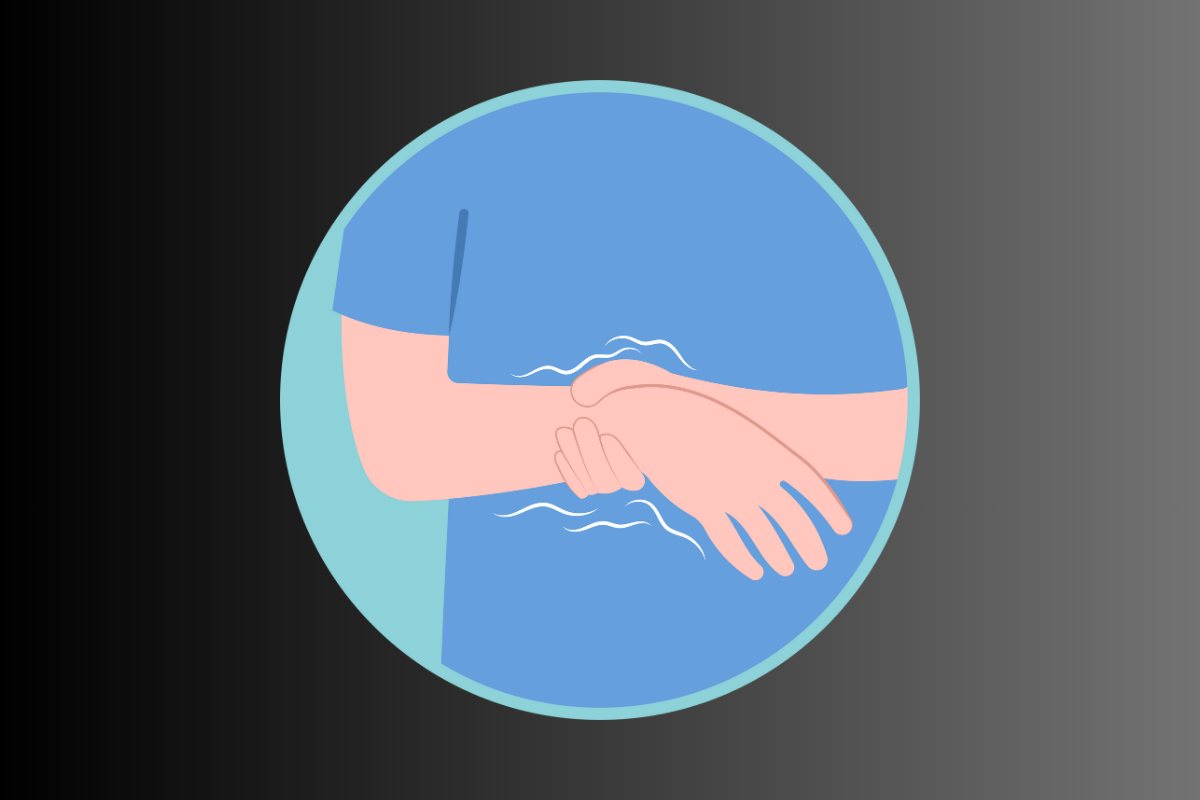
Paralysis
A condition causing loss of muscle function in part of the body due to nerve or brain damage. Ayurveda focuses on nerve rejuvenation, Panchakarma, and herbal therapies to restore strength and movement.
Know More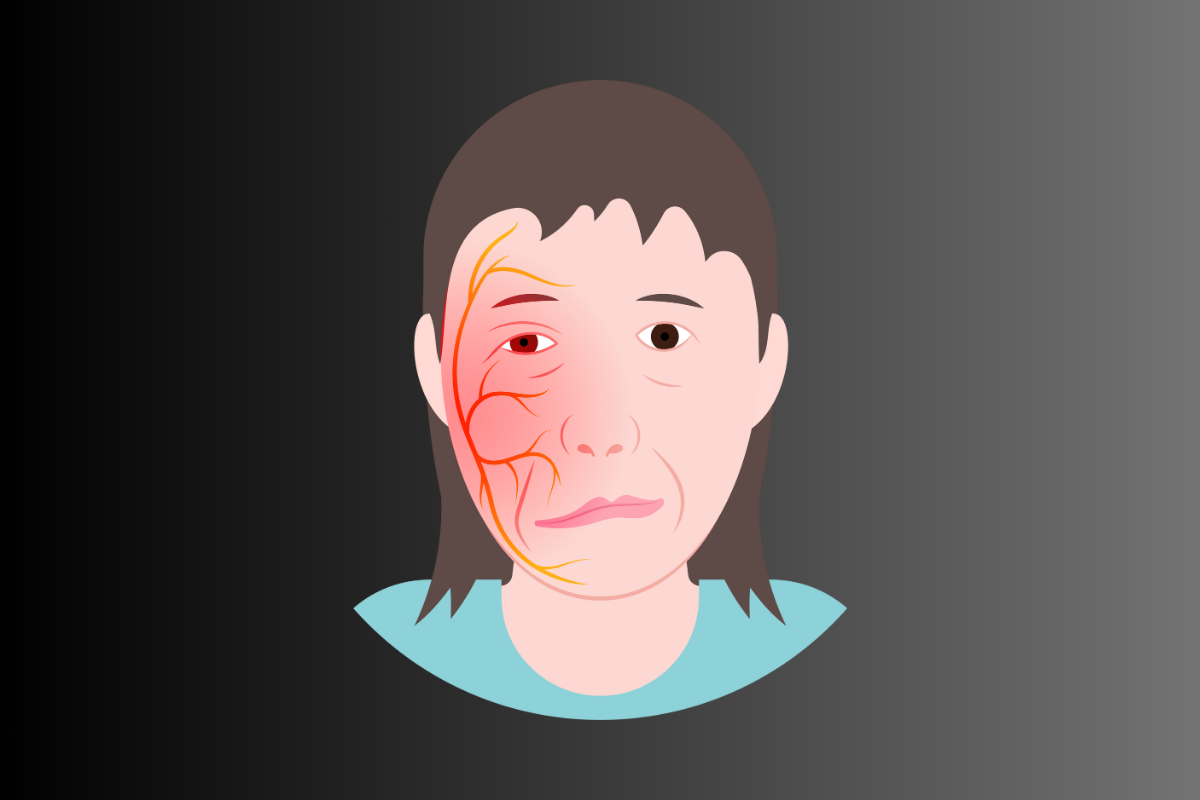
Facial Paralysis
Weakness or loss of movement in facial muscles, often due to nerve damage. Ayurveda uses therapies like Nasya, medicated oils, and nerve-strengthening herbs for recovery.
Know More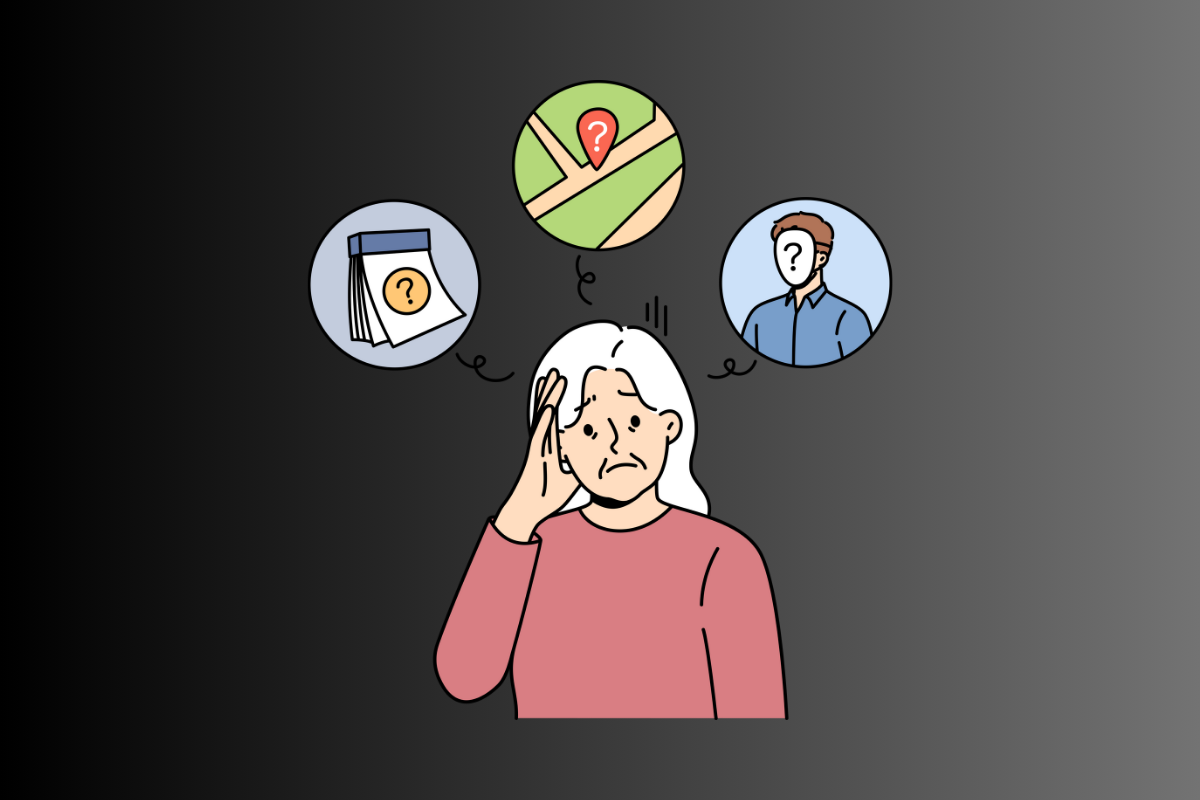
Alzheimer’s Disease
A progressive memory-loss disorder affecting brain cells. Ayurveda supports brain health with Medhya Rasayana herbs, diet correction, and therapies to improve memory and focus.
Know More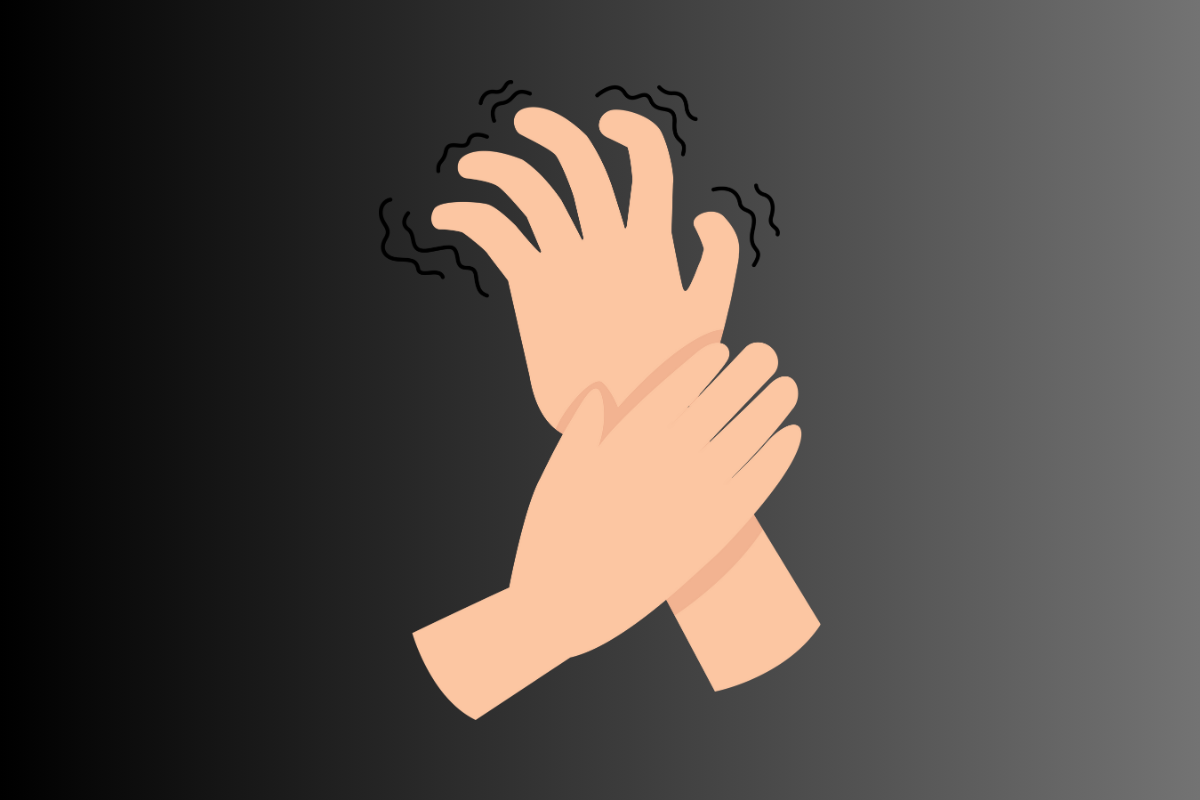
Parkinson’s Disease
A neurodegenerative disorder causing tremors, stiffness, and slow movement. Ayurveda emphasizes Vata balance, herbal support, and therapies to improve motor function.
Know More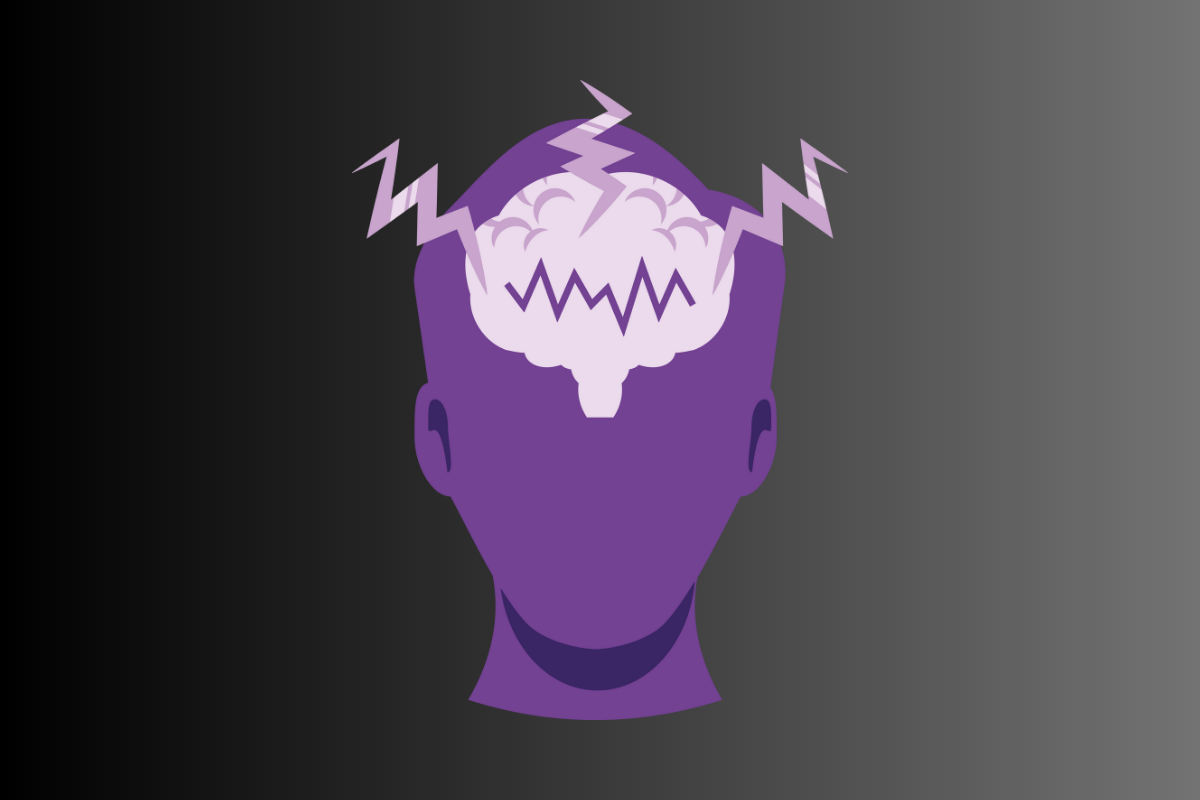
Epilepsy
A neurological disorder with recurrent seizures. Ayurveda manages it with calming herbs, detoxification, and therapies to stabilize nerve activity.
Know More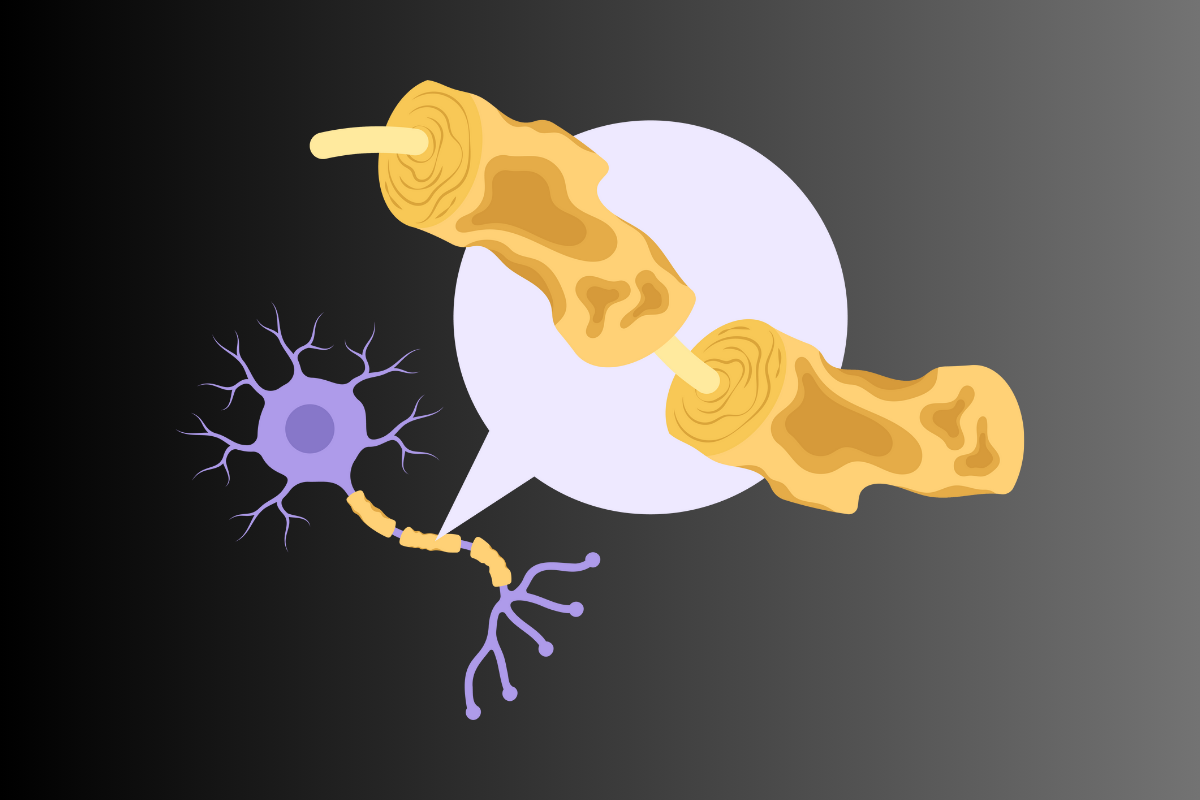
Multiple Sclerosis
A chronic condition where the immune system damages nerve coverings. Ayurveda helps with Rasayana herbs, detoxification, and therapies to improve nerve strength.
Know More
Ataxia
A disorder affecting muscle coordination, balance, and speech. Ayurveda supports nervous system health with detox, Rasayana herbs, and physical therapies.
Know More
Tinnitus
A condition causing ringing or buzzing in the ears. Ayurveda treats it with Vata-pacifying therapies, Nasya, and herbs to improve ear health and circulation.
Know More
Headache
One of the most common neurological complaints, caused by stress, imbalance, or lifestyle. Ayurveda uses Nasya, Shirodhara, and herbs for long-term relief.
Know More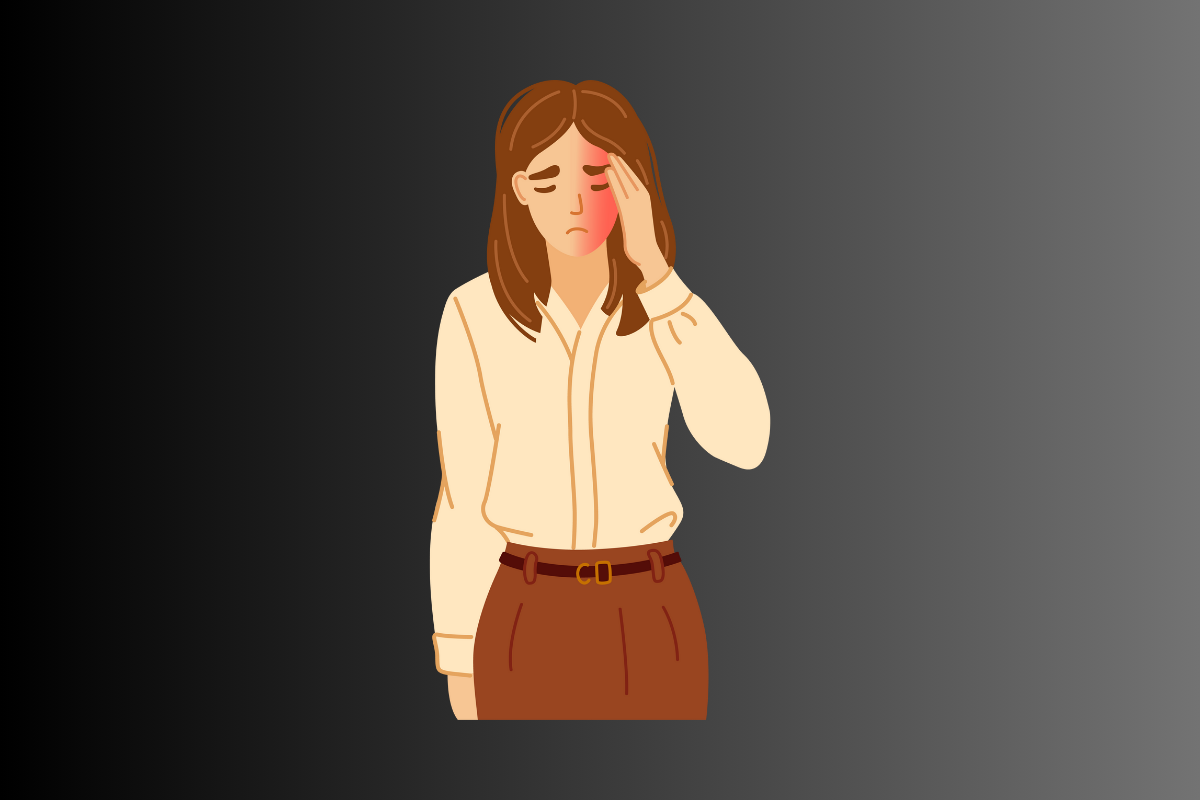
Migraine
A severe recurring headache often accompanied by nausea and light sensitivity. Ayurveda balances Doshas with detox therapies, herbs, and stress management.
Know More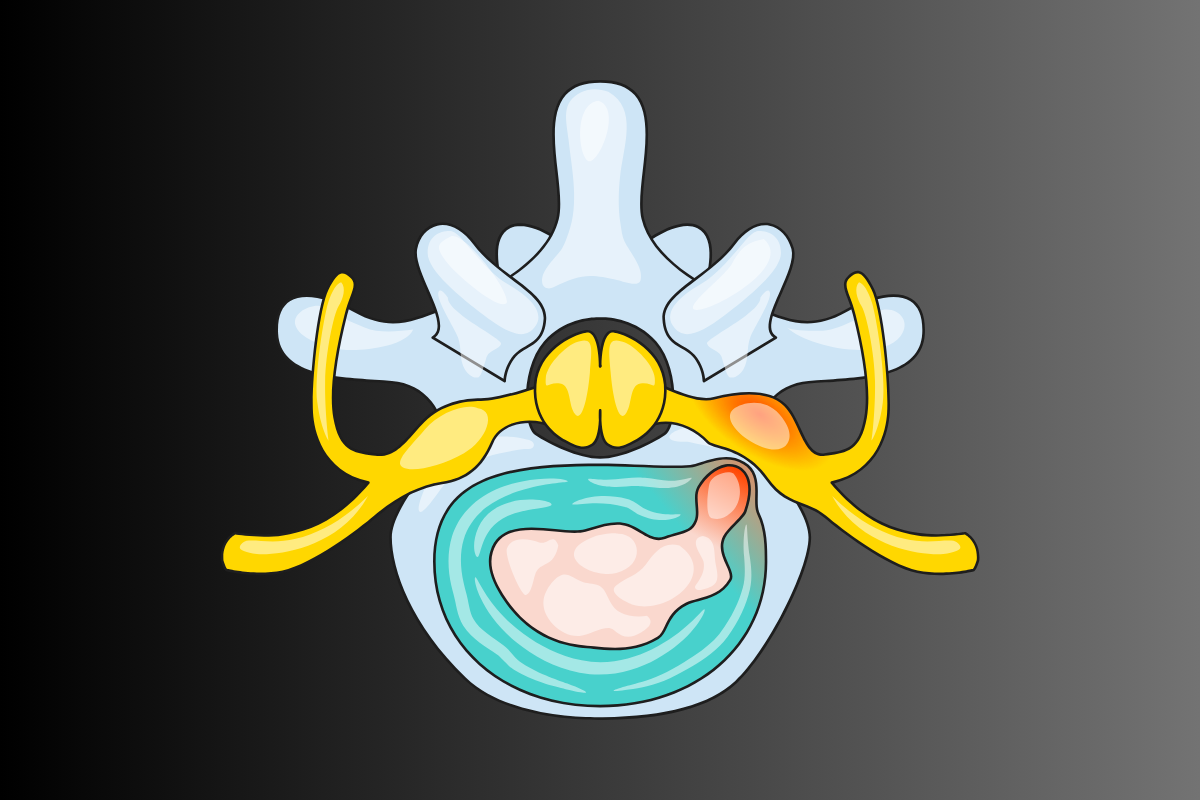
Herniated Disc
Occurs when spinal discs rupture or bulge, pressing on nerves. Ayurveda manages it with Kati Basti, herbal oils, and therapies to reduce pressure and pain.
Know More
Meningitis
An inflammation of the protective membranes covering the brain and spinal cord. Ayurveda aids recovery with immunity-boosting herbs and detox therapies.
Know More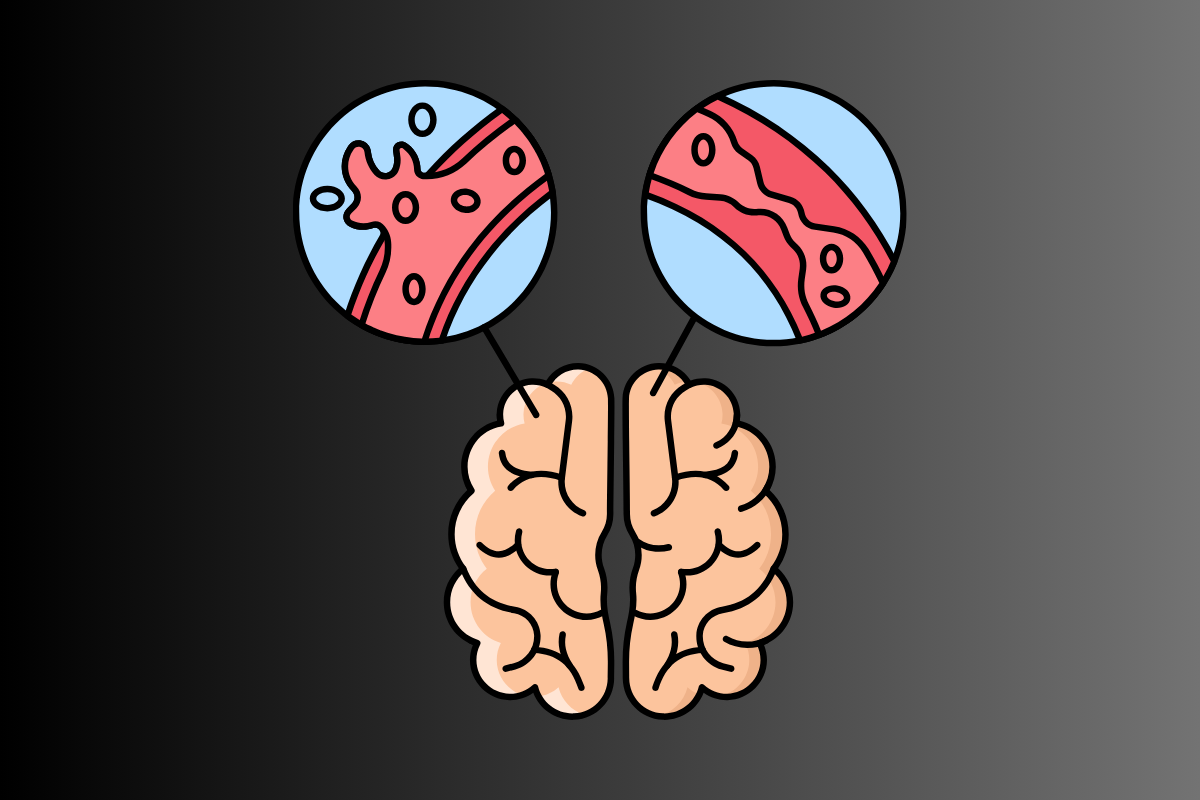
Stroke (Brain Attack)
Occurs when blood flow to the brain is interrupted, causing damage. Ayurveda helps restore function with Panchakarma, nerve-strengthening herbs, and rehabilitation therapies.
Know MoreNeurological disorders are among the most complex conditions affecting the human body. They arise when there is an imbalance, injury, or degeneration within the brain, spinal cord, or nerves — the core components of the nervous system responsible for controlling thought, movement, and sensation.
At Dr. Acharya’s Ayurveda, we approach neurological health through the lens of Ayurvedic wisdom — focusing on restoring Dosha balance, strengthening Majja Dhatu (nervous tissue), and rejuvenating the nervous system through Panchakarma therapies, herbal formulations, and lifestyle healing.
What Are Neurological Disorders?
Neurological disorders are diseases that affect the brain, spinal cord, and peripheral nerves. They can disrupt communication between the brain and the rest of the body, leading to loss of control over movement, speech, sensation, and even memory.
Types of Neurological Disorders
Some of the most common neurological disorders treated at Dr. Acharya’s Ayurveda include:
- Paralysis – Loss of muscle function due to nerve or brain injury
- Facial Paralysis (Bell’s Palsy) – Sudden weakness or drooping on one side of the face
- Alzheimer’s Disease – Degenerative brain disorder leading to memory loss and confusion
- Parkinson’s Disease – Progressive nervous system disorder affecting movement and coordination
- Epilepsy – Recurrent seizures caused by abnormal brain activity
- Multiple Sclerosis (MS) – Autoimmune disorder damaging nerve coverings (myelin sheath)
- Ataxia – Loss of coordination or balance due to brain or nerve dysfunction
- Tinnitus – Ringing or buzzing noise in the ears without external sound
- Headache and Migraine – Recurrent or chronic head pain with neurological triggers
- Herniated Disc – Nerve compression due to disc bulge in the spine
- Meningitis – Inflammation of brain and spinal membranes due to infection
- Stroke (Brain Attack) – Sudden interruption of blood supply to the brain causing paralysis or loss of speech
How Common Are Neurological Disorders?
Globally, neurological disorders account for nearly 6–7% of all diseases, affecting millions each year. With modern stress, poor lifestyle habits, and ageing populations, the prevalence is steadily increasing.
Symptoms of Neurological Disorders
The symptoms vary depending on the affected area of the nervous system, but common signs include:
- Persistent headaches or migraines
- Dizziness or loss of balance
- Numbness, tingling, or muscle weakness
- Tremors or involuntary movements
- Difficulty walking or loss of coordination
- Memory loss or cognitive decline
- Slurred speech or facial drooping
- Seizures or blackouts
- Vision or hearing changes
- Sudden paralysis on one side (as in stroke)
Causes of Neurological Disorders
Neurological disorders can result from various internal and external factors. Ayurveda identifies them as imbalances in Vata Dosha (governing nerve impulses and movement), whereas modern science classifies them under the following causes:
1. Vascular Causes
- Stroke or reduced blood flow to the brain
- Hemorrhage or aneurysm
2. Degenerative Causes
- Alzheimer’s, Parkinson’s, Multiple Sclerosis — due to progressive nerve degeneration
3. Inflammatory or Autoimmune
- Meningitis, Encephalitis, or immune-mediated nerve damage
4. Traumatic
- Injury to brain or spinal cord
5. Infectious
- Viral or bacterial infections affecting the central nervous system
6. Metabolic or Nutritional
- Diabetes-related nerve damage
- Vitamin B12 deficiency
- Toxic accumulation or drug side effects
7. Hereditary and Genetic
- Inherited neurological diseases such as Ataxia or Epilepsy
Ayurvedic Perspective on Neurological Disorders
In Ayurveda, neurological conditions are primarily caused by an imbalance in Vata Dosha — responsible for all movement, nerve impulses, and sensory activities in the body.
Key Ayurvedic Concepts:
Ayurvedic Term | Meaning | Correlation |
Vata Vikruti | Imbalance of Vata Dosha | Causes tremors, paralysis, numbness |
Majja Dhatu Kshaya | Weakness of nerve and marrow tissue | Leads to degenerative nerve disorders |
Avarana of Vata | Obstruction of Vata due to Kapha/Pitta/Ama | Causes stiffness, poor coordination |
Srotorodha | Blockage of nerve channels | Restricts nerve impulses |
Ama | Toxins from poor digestion | Creates heaviness and mental confusion |
Ayurveda emphasizes purification, rejuvenation, and Sattva (mental clarity) to restore the balance of the nervous system.
Diagnosis of Neurological Disorders
Ayurvedic diagnosis involves:
- Nadi Pariksha (Pulse Diagnosis) to assess Dosha imbalance
- Prakriti Analysis to understand the body constitution
- Examination of tongue, eyes, and skin for Vata/Pitta/Kapha dominance
- Assessment of Agni (digestive fire) and Manas (mental state)
When necessary, modern diagnostic tools like MRI, CT scan, EEG, or Nerve Conduction Studies may be used in combination to confirm the condition.
Ayurvedic Treatment for Neurological Disorders
Treatment at Dr. Acharya’s Ayurveda focuses on removing toxins, nourishing the nervous system, and rejuvenating neural pathways. The combination of Panchakarma therapies, herbal medicines, and restorative diet forms the core of healing.
1. Panchakarma Detoxification
Cleanses toxins and balances the Doshas.
- Virechana (Therapeutic Purgation): Clears toxins from the liver and intestines, improving nervous balance.
- Vamana (Therapeutic Emesis): Removes Kapha-related blockages affecting the brain.
- Basti (Medicated Enema): The most powerful therapy for neurological disorders — nourishes and stabilizes Vata Dosha.
2. Specialized Therapies
Therapy | Description | Best For |
Abhyanga | Full body oil massage with medicated oils to improve nerve conduction and circulation | Paralysis, Parkinson’s |
Swedan / Nadi Swedan | Herbal steam therapy post Abhyanga | Stiffness, heaviness |
Shirodhara | Continuous pouring of medicated oil on the forehead | Stress, insomnia, migraine, Parkinson’s |
Shirobasti | Retaining warm medicated oil on the scalp | Chronic nervous weakness |
Kati Vasti / Greeva Vasti / Prishtha Vasti | Warm oil pools over spine, neck, or back | Cervical, lumbar issues, herniated disc |
Njavara Kizhi / Navara Facial | Massage with medicated rice boluses to nourish nerves | Facial paralysis, neuropathy |
Nasyam | Medicated oil instilled through nostrils to cleanse head channels | Sinus issues, migraine, stroke recovery |
Udvartana | Herbal powder massage improving lymphatic flow | Obesity-related neurological aggravation |
Lepam | Herbal paste application to relieve local stiffness | Nerve inflammation |
Ayurvedic Herbs for Neurological Health
Ayurveda uses potent herbs that calm the nervous system, enhance neuroplasticity, and protect neurons from degeneration.
Herb | Key Benefits |
Ashwagandha (Withania somnifera) | Rejuvenates nervous tissue, reduces tremors |
Brahmi (Bacopa monnieri) | Enhances memory, concentration, and cognitive power |
Shankhpushpi | Improves mental calmness and focus |
Jatamansi | Reduces anxiety, improves sleep, balances Vata-Pitta |
Vacha (Acorus calamus) | Stimulates nerve function and speech |
Kustha / Rasna / Bala | Strengthens neuromuscular coordination |
Guggulu and Dashamool | Anti-inflammatory and nerve-protective |
Medhya Rasayanas | Nourish brain tissue and improve longevity |
Ayurvedic Diet and Lifestyle for Neurological Balance
A Vata-pacifying, Sattvic diet plays a major role in recovery.
Recommended Foods
- Warm, freshly cooked meals
- Cow’s ghee, milk, and almond-based preparations
- Cooked vegetables like bottle gourd, spinach, pumpkin
- Herbal teas made with Brahmi or Ashwagandha
- Moong dal, soups, and kichadi
Avoid
- Cold, dry, or processed food
- Caffeine and alcohol
- Excess spicy or sour foods
- Prolonged fasting or erratic eating
Lifestyle Modifications
- Maintain regular sleep cycles
- Gentle yoga and meditation (especially Shavasana, Bhramari, Anulom Vilom)
- Daily oil massage to balance Vata
- Avoid stress, overthinking, and late nights
- Regular digital detox to calm the mind
Outlook and Prognosis
With timely diagnosis and consistent Ayurvedic treatment, many neurological conditions can be stabilized or significantly improved.
Therapies like Shirodhara, Basti, and Abhyanga, when combined with dietary and herbal support, promote neuro-regeneration and restore motor control and cognition naturally.
Patients with stroke, paralysis, epilepsy, Parkinson’s, or migraine have shown remarkable recovery under Ayurvedic Panchakarma protocols when integrated with modern rehabilitation.
Prevention of Neurological Disorders
- Maintain regular detox routines
- Practice stress management through meditation
- Consume brain-strengthening herbs like Brahmi, Shankhpushpi
- Stay active with yoga and Pranayama
- Avoid excessive screen exposure and lack of sleep
- Ensure adequate hydration and nourishment of nervous tissue
When to See a Doctor
Seek immediate Ayurvedic consultation if you experience:
- Persistent numbness or tingling
- Sudden weakness or paralysis
- Severe headaches or blurred vision
- Memory loss or confusion
- Uncontrolled tremors or seizures
- Loss of coordination or speech difficulty
At Dr. Acharya’s Ayurveda, every neurological treatment is tailored to the individual’s body constitution (Prakriti), Dosha balance, and disease stage. The aim is not only to treat the disorder but to restore vitality, nerve strength, and mental clarity.
Ayurvedic Treatment for Joint Pain
In Ayurveda, joint pain treatment focuses on removing toxins (Ama), balancing aggravated Vata, and restoring joint lubrication and strength.
The goal is not just pain relief but to reverse degeneration, reduce inflammation, and restore flexibility naturally.
The treatment is personalized after assessing your Prakriti (body constitution), Dosha imbalance, and disease stage.
Key Principles in Ayurvedic Management
- Agnideepana & Ama Pachana – Improving digestion and metabolism to remove Ama (toxins).
- Vata Shamana – Calming aggravated Vata Dosha, which is the root of joint pain.
- Snehana (Oleation) & Swedana (Sudation) – Lubrication and sweating therapies to reduce stiffness.
- Panchakarma Detoxification – Cleansing body channels and tissues for long-term healing.
- Rasayana Chikitsa (Rejuvenation) – Rebuilding joint strength and restoring bone health.
Panchakarma Therapies for Joint Pain
Dr. Acharya’s Ayurveda offers a comprehensive range of traditional therapies that address both acute and chronic joint conditions. Each therapy is chosen based on the type of pain (inflammatory or degenerative) and the patient’s doshic imbalance.
1. Abhyanga (Ayurvedic Oil Massage)
Warm medicated oils such as Mahanarayan Taila or Dhanvantaram Taila are massaged all over the body.
Benefits: Improves blood circulation, nourishes tissues, reduces stiffness, and calms Vata.
2. Swedana (Sudation Therapy)
Steam therapy using herbal decoctions to open pores and expel toxins.
Benefits: Relieves stiffness, reduces swelling, and improves joint flexibility.
3. Nadi Swedana
Localized steam application through a herbal steam jet.
Ideal For: Arthritis, cervical/lumbar spondylosis, sciatica, and muscle pain.
4. Churna Pinda Sweda (Churn Potli)
A heated herbal powder bundle is applied over affected joints.
Benefits: Improves mobility, reduces inflammation, and helps in chronic arthritis.
5. Patra Pinda Sweda (Patra Potli)
Warm bundles of medicinal leaves (like Eranda, Nirgundi, and Arka) are used.
Benefits: Strengthens muscles, reduces joint pain, and promotes healing.
6. Kati Vasti / Greeva Vasti / Janu Vasti
A warm pool of medicated oil is retained on the lower back (Kati), neck (Greeva), or knees (Janu).
Benefits: Deep nourishment, relief from localized pain, and reversal of joint degeneration.
7. Pizhichil (Oil Bath Therapy)
Continuous pouring of warm medicated oil over the body with synchronized massage.
Ideal For: Chronic joint stiffness, rheumatoid arthritis, and neurological disorders with joint symptoms.
8. Virechana (Therapeutic Purgation)
Detoxification through controlled elimination of Pitta and Ama.
Benefits: Cleanses toxins, reduces inflammation, and balances metabolism.
9. Basti (Medicated Enema)
Considered the best therapy for Vata disorders. Medicated oils and herbal decoctions are administered rectally.
Benefits: Lubricates joints, relieves pain, and strengthens bones and nerves.
10. Lepam (Herbal Paste Application)
Herbal paste made from anti-inflammatory herbs is applied to swollen or painful joints.
Benefits: Reduces localized inflammation and improves mobility.
Ayurvedic Herbs for Joint Pain Relief
Several potent Ayurvedic herbs and formulations are used to target the root causes of joint pain:
Herb / Formulation | Ayurvedic Property | Action |
Guggulu (Commiphora mukul) | Anti-inflammatory, Vata-Kapha pacifier | Relieves swelling and stiffness |
Shallaki (Boswellia serrata) | Vata-pitta balancing | Reduces inflammation and pain |
Ashwagandha (Withania somnifera) | Rejuvenative (Rasayana) | Strengthens muscles and bones |
Eranda (Castor) | Vata-shamaka | Lubricates joints, aids detox |
Nirgundi (Vitex negundo) | Analgesic, anti-inflammatory | Relieves stiffness and nerve pain |
Rasna (Pluchea lanceolata) | Vata-balancing | Reduces joint swelling |
Dashamoola (Herbal decoction) | Balances all doshas | Relieves chronic pain and inflammation |
These herbs are used individually or in combination through oils, decoctions, powders, or tablets, depending on the condition.
Diet for Joint Health (Pathya & Apathya)
Recommended Foods (Pathya)
- Warm, freshly cooked meals
- Moong dal soup and vegetable broths
- Ghee (clarified butter) for joint lubrication
- Whole grains like rice and barley
- Spices such as turmeric, ginger, cumin, and fenugreek
- Herbal teas (Triphala, Rasna, or Dashamoola decoction)
Foods to Avoid (Apathya)
- Cold, dry, or processed foods
- Curd and sour foods at night
- Excessive salt, sugar, and fried food
- Red meat and alcohol
- Cold drinks and aerated beverages
Lifestyle Tips for Joint Pain Management
- Avoid exposure to cold or damp weather.
- Do mild yoga and stretching daily to keep joints mobile.
- Maintain ideal body weight to reduce stress on knees and hips.
- Get adequate rest and sound sleep.
- Manage stress through meditation or pranayama.
- Regularly undergo seasonal detox (Panchakarma) to prevent Ama accumulation.
Home Remedies for Joint Pain Relief
- Turmeric and Milk:
Mix 1 tsp turmeric in warm milk daily to reduce inflammation. - Castor Oil Massage:
Gently massage warm castor oil on affected joints before sleep to relieve stiffness. - Fenugreek Seeds:
Soak overnight and consume in the morning for anti-inflammatory benefits. - Garlic:
Eat 1–2 cloves daily to reduce joint swelling. - Hot Compress:
Use herbal compress or a simple hot towel to soothe stiff joints.
Integrative Approach at Dr. Acharya’s Ayurveda
At Dr. Acharya’s Ayurveda, treatment for joint pain is completely individualized.
We combine Panchakarma, medicated internal medicines, diet correction, and lifestyle therapy to address the condition holistically.
Our approach ensures:
- Natural pain relief without side effects
- Strengthening of bones and muscles
- Improved flexibility and energy levels
- Long-term prevention of recurrence

17+
Years of Experience
Our Legacy
Decades of Trusted Excellence
At Dr. Acharya’s Ayurveda, we offer a wide range of authentic Ayurvedic therapies to address chronic pain, joint disorders, neurological issues, and overall well-being. Each treatment is personalized to your body type (Prakriti) and health condition, ensuring holistic healing from the root cause.
- Personalized consultation
- Herbal medicines
- Panchakarma therapies
- Lifestyle & diet guidance
Your Path to Natural Healing & Wellness Starts Here
Experience the ancient wisdom of Ayurveda to restore balance, relieve pain, and rejuvenate your mind, body, and soul.