
Liver Disease Ayurveda: Types, Causes, Symptoms & Treatment
The liver is one of the body’s most vital organs, responsible for detoxification, digestion, and energy regulation. Liver disorders arise from poor lifestyle habits, alcohol use, infections, or metabolic imbalance. Ayurveda approaches liver health with detox therapies, rejuvenating herbs, dietary modifications, and lifestyle guidance to restore liver function and prevent further damage.
All Services
Our Full Range of Liver Disease Services
Liver diseases can manifest in multiple forms such as fatty liver, hepatitis, jaundice, liver enlargement, cirrhosis, gall bladder stones, and rare conditions like Gilbert’s Syndrome or Polycystic Liver Disease. If neglected, these disorders may progress into chronic complications, affecting digestion, energy levels, immunity, and overall health.
Liver Diseases We Treat
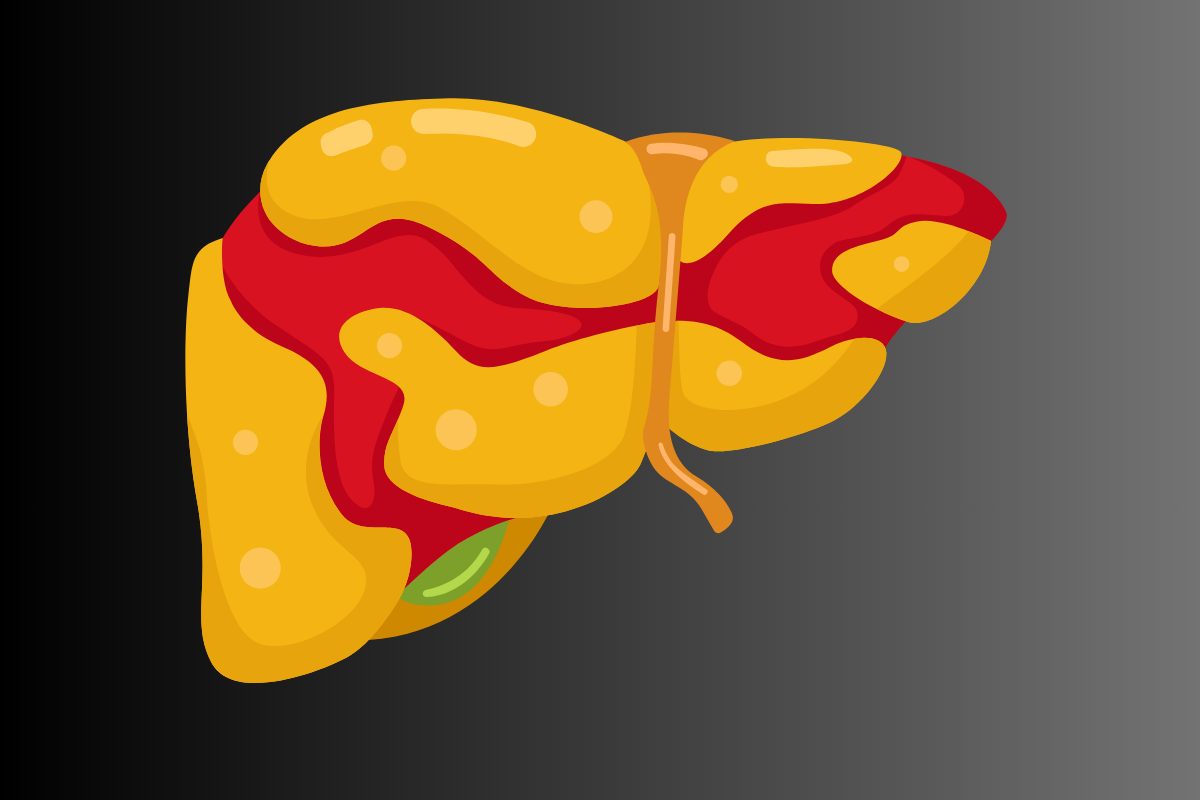
Fatty Liver
A condition where excess fat builds up in the liver. Ayurveda uses detox therapies, metabolism-boosting herbs, and dietary corrections to restore healthy liver function.
Know More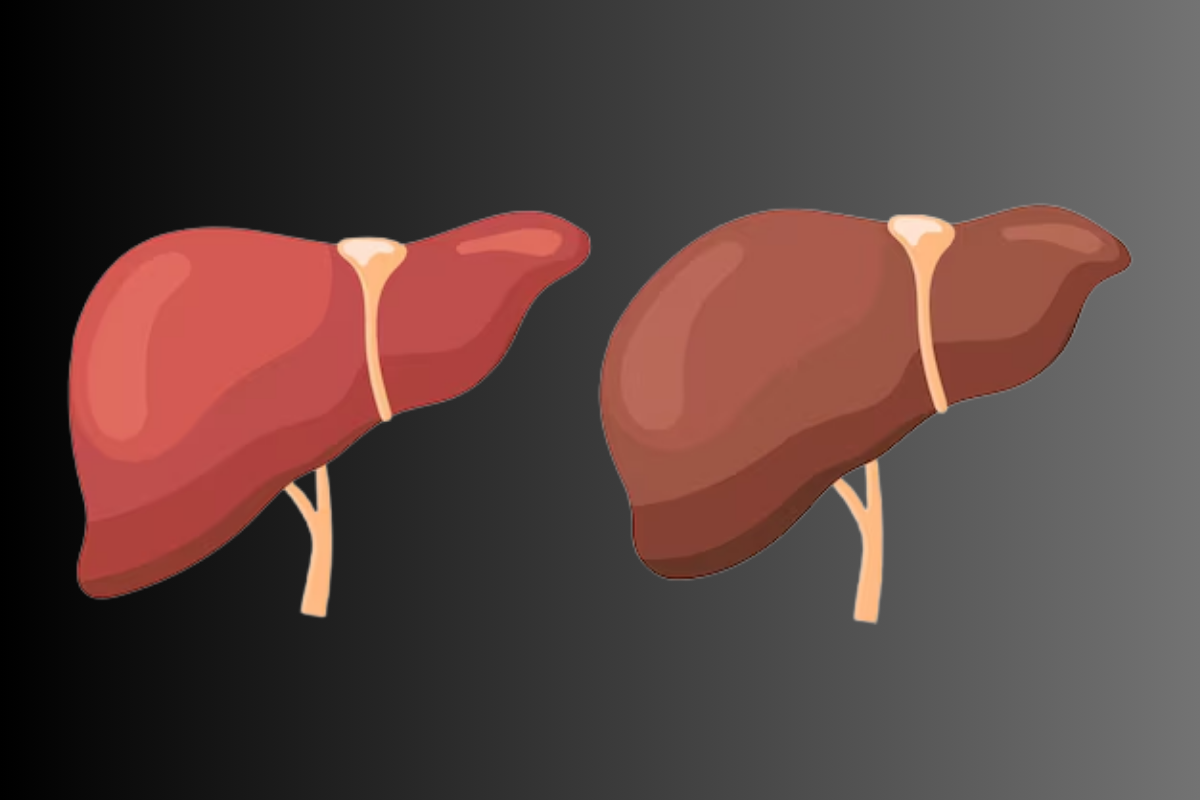
Liver Enlargement
A swollen liver caused by infections, toxins, or metabolic issues. Ayurveda treats it with detoxification, bitter herbs, and lifestyle changes to reduce swelling and restore balance.
Know More
Hepatitis
Inflammation of the liver, often due to viral infections. Ayurveda supports liver healing with immunity-boosting herbs, detox, and diet regulation to restore function.
Know More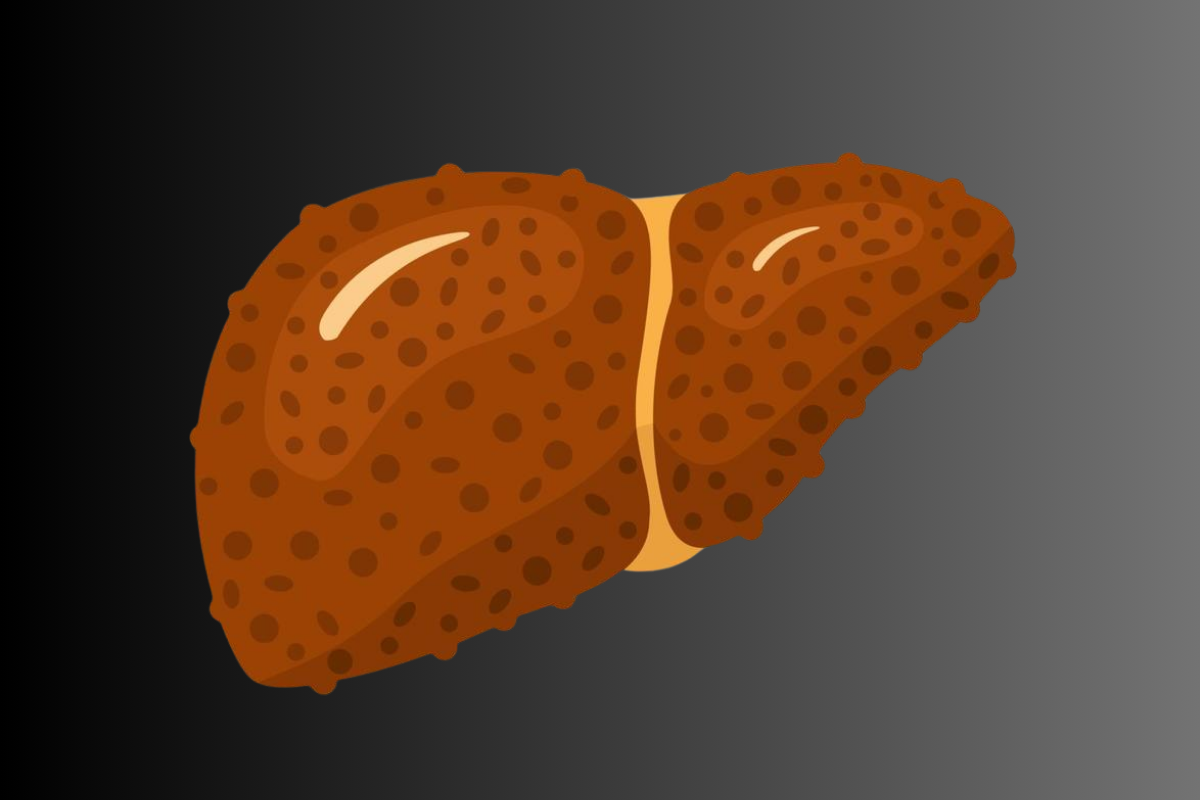
Liver Cirrhosis
A progressive liver disease where healthy tissue is replaced by scar tissue. Ayurveda focuses on detox, Rasayana herbs, and strengthening therapies to support remaining liver function.
Know More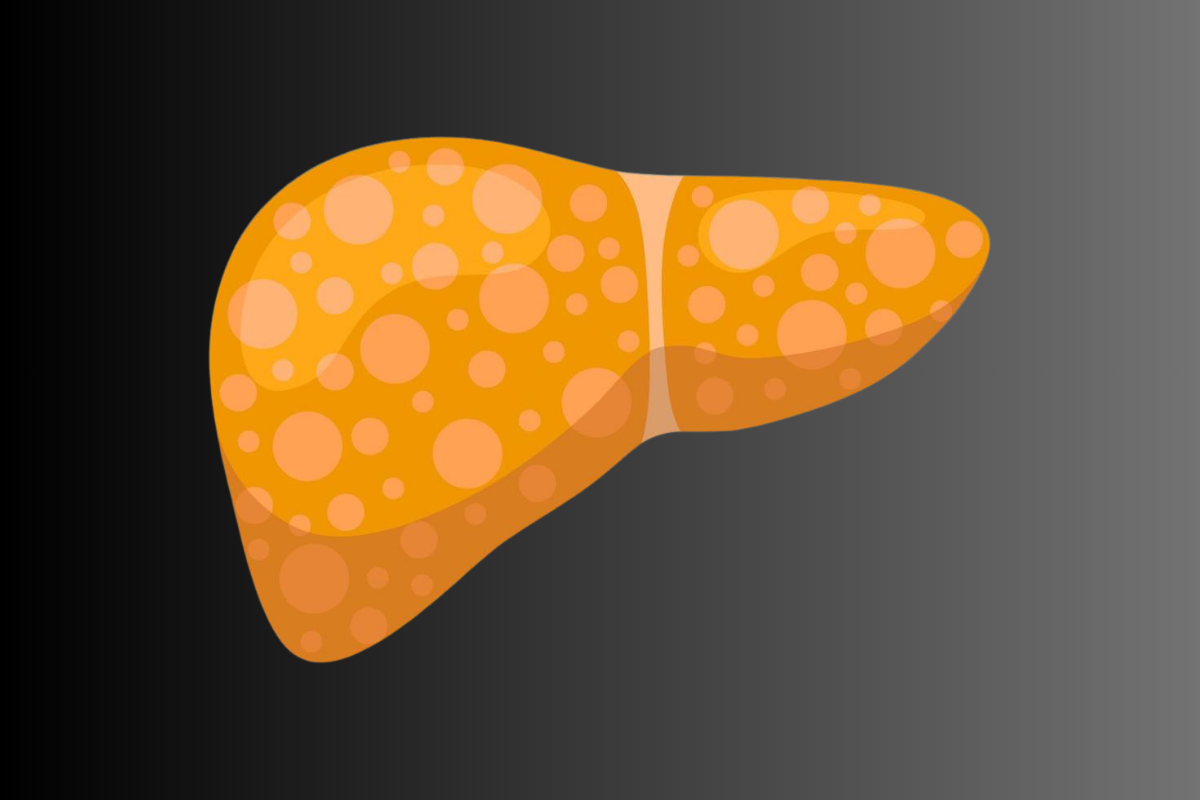
Jaundice
Characterized by yellowing of the skin and eyes due to bilirubin buildup. Ayurveda manages it with liver detox, cooling herbs, and dietary restrictions for faster recovery.
Know More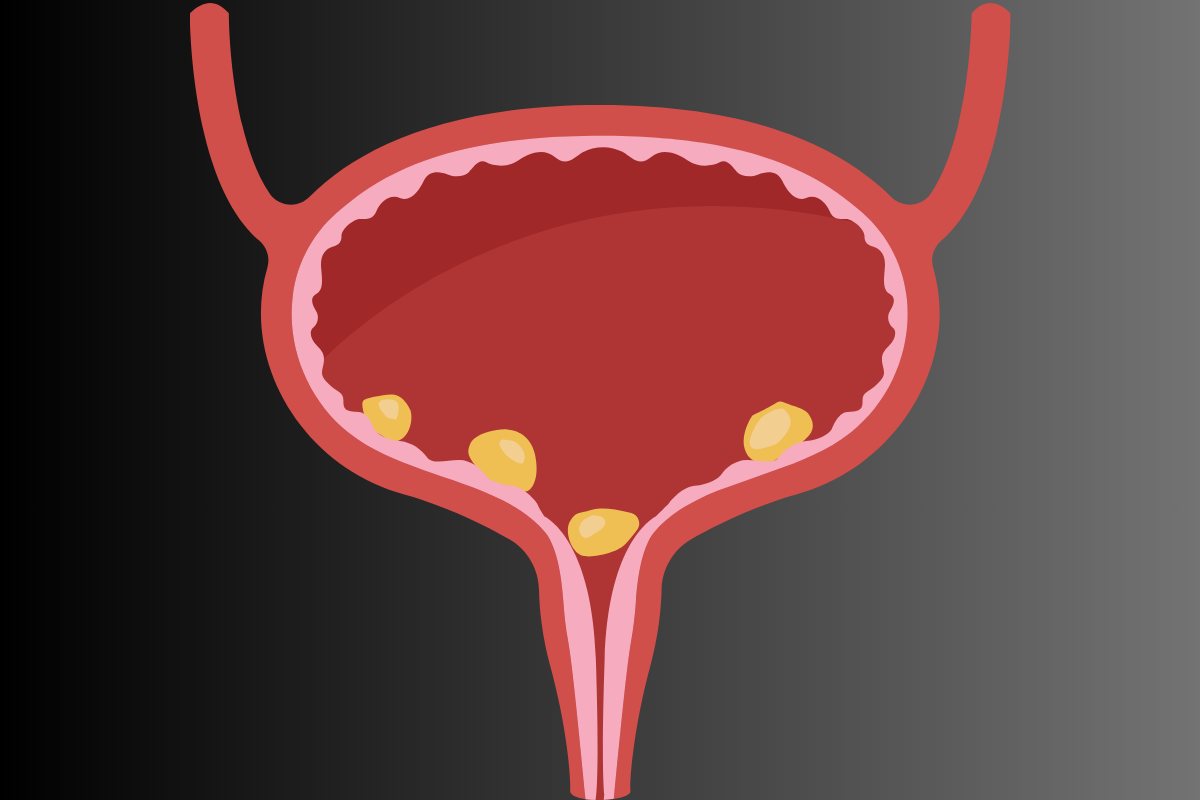
Gall Bladder Stone
Hard deposits in the gallbladder causing pain and indigestion. Ayurveda uses stone-dissolving herbs, Panchakarma, and lifestyle management to prevent recurrence.
Know More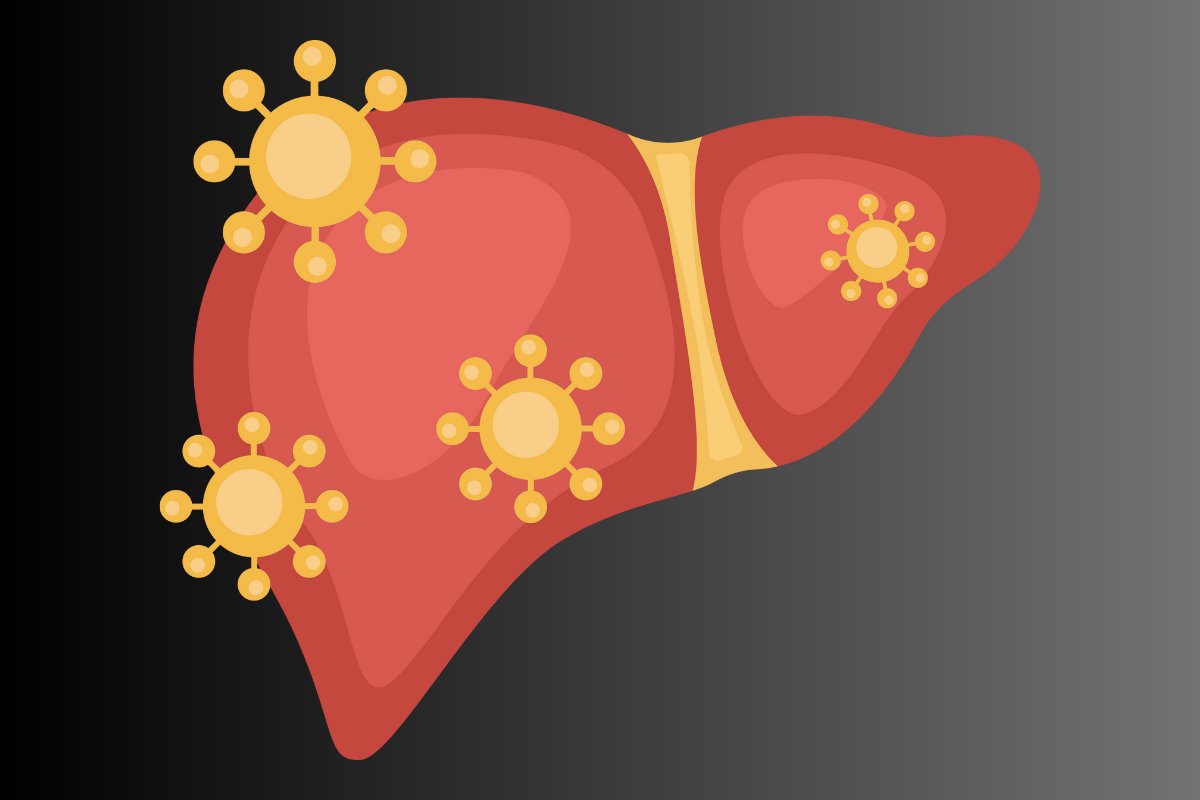
Gilbert’s Syndrome
A mild liver disorder where bilirubin is not processed properly. Ayurveda balances metabolism and strengthens liver health with herbs and diet care.
Know More
Polycystic Liver Disease
A rare condition where multiple cysts form in the liver. Ayurveda emphasizes detoxification, Vata-Pitta balance, and herbs to protect liver function.
Know MoreThe liver is one of the most vital organs in the human body. It performs more than 500 essential functions — from filtering toxins and metabolizing fats to producing bile and storing vitamins. Any disturbance in these functions can lead to liver disease, which, if ignored, can progress to irreversible damage such as cirrhosis or liver failure.
At Dr. Acharya’s Ayurveda, we treat liver disorders through time-tested Ayurvedic detoxification and rejuvenation therapies that focus on balancing Pitta Dosha, improving Agni (digestive fire), and eliminating Ama (toxins) from the body.
What Is Liver Disease?
“Liver disease” is a broad term that includes various conditions that cause inflammation, infection, genetic malfunction, or degeneration of liver cells. These may appear suddenly (acute) or develop gradually (chronic).
According to the Ayurvedic perspective, the liver corresponds to the organ Yakrit, governed primarily by Pitta Dosha. When Pitta becomes aggravated due to poor diet, alcohol, medications, or emotional stress, the liver’s metabolism becomes impaired, leading to the accumulation of toxins in the blood and tissues.
Common Types of Liver Disorders
Western Term | Ayurvedic Correlation | Primary Dosha Imbalance |
Fatty Liver (Hepatic Steatosis) | Medo Dhatu Dushti | Kapha + Pitta |
Hepatitis (A–E) | Yakrit Shotha / Pittaja Roga | Pitta |
Liver Cirrhosis | Kumbhaka Yakrit / Yakrit Roga | Vata + Pitta |
Jaundice | Kamala / Halimaka | Pitta |
Liver Enlargement (Hepatomegaly) | Yakrit Vriddhi | Kapha + Pitta |
Gall Bladder Stones | Pittashmari | Pitta + Kapha |
Gilbert’s Syndrome | Mild Pitta Dushti | Pitta |
Polycystic Liver Disease | Granthi Yakrit | Kapha Vata |
Stages of Liver Damage
Liver disease generally progresses through four stages:
- Inflammation (Hepatitis) — irritation or swelling of liver cells due to toxins, infection, or alcohol.
- Fibrosis (Scarring) — excessive collagen builds up as the liver tries to heal itself.
- Cirrhosis (Severe Scarring) — scarring replaces healthy tissue; liver function declines.
- Liver Failure / Liver Cancer — the liver can no longer perform its functions; life-threatening stage.
Ayurvedically, this progression reflects Pitta aggravation leading to Dhatu Kshaya (tissue depletion) and Vata dominance in the end stage.
Symptoms of Liver Disease
Early signs are often subtle but should not be ignored.
Common Symptoms:
- Fatigue or loss of energy
- Poor appetite and nausea
- Indigestion or bloating after meals
- Yellowish discoloration of eyes or skin (jaundice)
- Dark-colored urine, pale stool
- Swelling in legs or abdomen (ascites)
- Itching, skin rashes
- Unexplained weight loss
- Pain or heaviness in the upper right abdomen
When to See a Doctor:
Seek immediate medical attention if you notice persistent jaundice, severe abdominal swelling, confusion, or bleeding tendencies.
Causes of Liver Disorders
1. Infections
Viral hepatitis (A, B, C, D, E) is one of the leading causes.
2. Immune-System Conditions
Autoimmune hepatitis or primary biliary cholangitis, where the immune system attacks liver cells.
3. Genetic / Metabolic Disorders
Conditions like Wilson’s disease, hemochromatosis, or Gilbert’s syndrome.
4. Alcohol and Drugs
Chronic alcohol intake or long-term medication toxicity.
5. Lifestyle-Related Causes
Obesity, high cholesterol, insulin resistance, and stress lead to non-alcoholic fatty-liver disease.
Ayurvedic Understanding of Liver Disorders
According to Ayurveda, the liver (Yakrit) is the seat of Ranjaka Pitta, which helps in the formation of blood and metabolism of food essence (Ahara Rasa).
The Pathogenesis (Samprapti)
- Agnimandya – weak digestion due to improper diet or lifestyle.
- Ama formation – undigested toxins circulate in the body.
- Pitta vitiation – excessive heat and bile disturb Yakrit function.
- Srotorodha – blockage of micro-channels, impairing bile flow.
- Dhatu Dushti – tissue damage in the liver, leading to diseases like Kamala, Kumbhaka Yakrit, or Yakrit Vriddhi.
Key Dosha Involvement
- Pitta Dosha: Primary; governs metabolism and bile.
- Kapha Dosha: Leads to fatty deposition and sluggish metabolism.
- Vata Dosha: In advanced stages, causes degeneration and cirrhosis.
Risk Factors
- Excess alcohol consumption
- Obesity and high-fat diet
- Viral infections (Hepatitis B, C)
- Uncontrolled diabetes or metabolic syndrome
- Long-term medication use (painkillers, steroids)
- Stress and irregular sleep
- Exposure to environmental toxins or heavy metals
Complications of Liver Disease
If untreated, liver disorders can progress to:
- Portal hypertension
- Ascites (fluid accumulation)
- Variceal bleeding
- Hepatic encephalopathy (confusion due to toxins)
- Liver cancer
- Complete liver failure
Prevention: Ayurvedic Guidelines
- Avoid heavy, fried, or spicy foods that aggravate Pitta.
- Refrain from alcohol and excessive medication use.
- Maintain regular meal times and proper sleep.
- Practice mild yoga and breathing exercises.
- Undergo seasonal detox (Panchakarma) under expert guidance.
- Include herbs like Triphala, Guduchi, and Bhumi Amla for liver support.
Ayurvedic Diagnosis
At Dr. Acharya’s Ayurveda, diagnosis involves:
- Nadi Pariksha (Pulse diagnosis) to identify doshic imbalance.
- Agni Pariksha to assess digestive fire.
- Drig, Jihva, Sparsha Pariksha (eye, tongue, and touch examination).
- Correlation with modern parameters like LFT (Liver Function Test) and ultrasound findings
Ayurvedic Understanding of Liver Disorders
1. Ayurvedic View of Liver (Yakrit)
In Ayurveda, the liver (Yakrit) is considered the seat of Pitta Dosha — responsible for metabolism, digestion, and transformation in the body. When Pitta is aggravated due to improper diet, alcohol, stress, or suppressed emotions, it leads to Ama (toxins) accumulation in the liver. Over time, this hampers liver function and can manifest as Fatty Liver, Hepatitis, Cirrhosis, or Jaundice.
A healthy liver ensures:
- Proper digestion and assimilation of nutrients
- Effective detoxification of the blood
- Maintenance of hormonal and fat metabolism
- Balanced emotions and radiant skin
When the liver is disturbed, symptoms may appear across multiple systems — from indigestion, bloating, and tiredness to yellowing of the skin (jaundice) or even fluid accumulation in the abdomen in chronic cases.
2. Common Liver Disorders and Their Ayurvedic Perspective
Fatty Liver (Yakrit Roga)
Modern medicine explains fatty liver as the accumulation of fat within liver cells — either due to alcohol (AFLD) or other metabolic causes (NAFLD).
From an Ayurvedic view, this occurs when Kapha and Meda (fat tissues) accumulate in the liver due to sluggish Agni (digestive fire).
Symptoms:
- Feeling of heaviness or fullness after meals
- Slow digestion
- Fatigue and mental fog
- Mild pain in the right upper abdomen
Ayurvedic Focus: Stimulating digestion, reducing Kapha and Meda, and cleansing toxins through Panchakarma therapies like Virechana (purgation) and Udwartana (herbal powder massage).
Liver Enlargement (Yakrit Vriddhi)
Liver enlargement, or Hepatomegaly, is often a sign of underlying inflammation, infection, or fatty infiltration.
In Ayurveda, it is viewed as Pitta-Kapha imbalance and the accumulation of toxins in the Rakta Dhatu (blood tissue).
Symptoms:
- Swelling or discomfort in the right side of the abdomen
- Indigestion or nausea
- Yellowish eyes or skin
- Low appetite
Ayurvedic Focus: Balancing Pitta, reducing inflammation, and supporting natural detoxification with herbs like Triphala, Punarnava, and Kutki along with Abhyanga Swedan and Nadi Swedan therapies.
Hepatitis (Yakrit Shotha)
Hepatitis refers to liver inflammation due to viral infection, alcohol, or toxins. Ayurveda classifies it under Yakrit Shotha — “liver swelling caused by accumulated Pitta and Rakta vitiation.”
Symptoms:
- Fever, fatigue, and loss of appetite
- Yellow discoloration of eyes and skin
- Dark urine, pale stool
- Nausea and vomiting
Ayurvedic Focus:
Detoxification of Rakta (blood) and Pitta using Virechana Karma, herbal decoctions (like Bhumyamalaki, Kalmegh, and Guduchi), and dietary correction with light, cooling foods such as moong dal, ghee, and pomegranate.
Liver Cirrhosis (Yakrit Vikriti)
Cirrhosis represents advanced liver damage where healthy tissue is replaced with scar tissue, blocking normal blood flow. Ayurveda sees this as a chronic Kapha-Pitta-Rakta imbalance, often arising from years of toxin accumulation.
Symptoms:
- Weakness, loss of appetite
- Abdominal bloating and swelling (Ascites)
- Itching, spider-like veins on skin
- Mental confusion (due to Ama in the nervous system)
Ayurvedic Focus:
Gentle detox through Virechana and Vamana followed by Rasayana (rejuvenation) therapy.
Panchakarma therapies such as Patra Potli Swedan, Lepam, Kashaya Dhara, and Basti help reverse degeneration and restore tissue health.
Jaundice (Kamala)
In Ayurveda, Kamala is a direct result of aggravated Pitta and Rakta leading to bile overflow into blood.
Symptoms:
- Yellow skin, eyes, and urine
- Loss of appetite
- Nausea, weakness
- Dark stools or itching
Ayurvedic Focus:
Cooling and detoxifying therapies like Virechana (purgation), Basti (medicated enema), and use of herbs such as Kutki, Bhumyamalaki, Guduchi, and Aloe Vera.
Shirodhara and Abhyanga help manage stress, which worsens Pitta imbalance.
Gall Bladder Stone (Pittashmari)
Ayurveda considers gallstones as a manifestation of hardened Pitta and Kapha mixing with bile, forming crystals.
Symptoms:
- Sudden upper abdominal pain
- Nausea or vomiting
- Pain after fatty meals
- Jaundice (in some cases)
Ayurvedic Focus:
Dissolving stones naturally with Guggul-based formulations, Pitta-pacifying diet, and therapies like Abhyanga Swedan, Lepam, and Virechana. Regular Udwartana and Oil Bath help regulate fat metabolism.
Gilbert’s Syndrome & Polycystic Liver Disease
While modern medicine treats these as genetic or metabolic disorders, Ayurveda focuses on improving liver function and balancing metabolism with detox, strengthening, and rejuvenation.
Key Therapies:
Basti, Abhyanga, Shirodhara, and Navara Kizhi along with herbal formulations like Arogyavardhini Vati and Liver Rasayanas.
Ayurvedic Therapies for Liver Disorders at Dr. Acharya’s Ayurveda
Therapy | Benefit |
Abhyanga (Oil Massage) | Enhances circulation, promotes detoxification |
Swedan / Nadi Swedan (Steam Therapy) | Flushes toxins, relieves congestion |
Virechana (Purgation Therapy) | Cleanses Pitta and toxins from liver |
Vamana (Therapeutic Emesis) | Useful in Kapha-induced fatty liver |
Basti (Medicated Enema) | Detoxifies and rejuvenates colon-liver connection |
Udvartana (Herbal Scrub Massage) | Burns fat, reduces Kapha and Meda |
Patra Potli & Churna Potli Swedan | Improves circulation, reduces inflammation |
Shirodhara | Calms mind, controls stress-related liver issues |
Kashaya Dhara | Herbal decoction pour to detoxify skin and blood |
Lepam (Herbal Paste Application) | Localized detox and inflammation control |
Navara Facial / Njavara Kizhi | Nourishing therapy that enhances rejuvenation |
Uttara Basti / Prishtha Vasti | Deep-seated detox and hormonal regulation |
Diagnosis, Management & Ayurvedic Diet for Liver Health
1. Diagnosis: How Liver Diseases Are Identified
In modern medicine, liver disease is diagnosed through blood tests, ultrasound scans, and liver biopsies. But Ayurveda emphasizes identifying the root cause through holistic evaluation of Doshas (Vata, Pitta, Kapha), Dhatus (tissues), and Agni (digestive fire).
Ayurvedic Diagnostic Methods
- Darshana (Inspection) – Observation of skin color, eyes, tongue coating, and body odor. Yellowish tint often indicates Pitta aggravation and liver imbalance.
- Sparshana (Touch/Palpation) – Feeling for tenderness or enlargement in the liver region.
- Prashna (Inquiry) – Asking about digestion, appetite, bowel habits, fatigue, emotions, and sleep quality.
- Nadi Pariksha (Pulse Diagnosis) – Reveals imbalances in Doshas influencing liver function.
- Mutra & Mala Pariksha (Urine & Stool Examination) – Dark urine, pale stools, or oily residue point to liver or bile duct obstruction.
Through this deep assessment, the physician determines which dosha is dominant, and accordingly, a personalized Panchakarma and herbal treatment plan is created.
2. Management & Treatment of Liver Diseases in Ayurveda
Ayurveda focuses on three core principles of healing:
- Nidana Parivarjana (Removing the Cause) – Eliminating the root factor (unhealthy diet, alcohol, stress, late-night work, etc.)
- Shodhana (Detoxification) – Expelling accumulated toxins and balancing doshas through Panchakarma.
- Shamana (Pacification) – Using herbs, diet, and lifestyle to restore normal liver function.
Step 1: Detoxification through Panchakarma
Each liver disorder has a distinct combination of therapies depending on the patient’s condition.
Condition | Recommended Panchakarma Therapies |
Fatty Liver | Virechana, Udwartana, Abhyanga, Basti |
Hepatitis / Jaundice | Virechana, Nadi Swedan, Shirodhara |
Liver Cirrhosis | Vamana, Virechana, Basti, Patra Potli Swedan, Kashaya Dhara |
Gallbladder Stone | Virechana, Abhyanga, Lepam, Oil Bath |
Liver Enlargement | Nadi Swedan, Virechana, Udwartana |
These therapies work synergistically to:
- Remove fat and toxin buildup
- Cool down aggravated Pitta
- Revitalize liver cells
- Improve bile flow and digestion
Step 2: Ayurvedic Herbal Formulations for Liver Support
Ayurveda offers powerful Rasayanas (rejuvenators) that not only heal the liver but also prevent recurrence of disease.
Ayurvedic Herb / Formulation | Key Benefits |
Bhumyamalaki (Phyllanthus niruri) | Protects liver cells, used in Hepatitis and Fatty Liver |
Kutki (Picrorhiza kurroa) | Improves bile flow, reduces inflammation |
Kalmegh (Andrographis paniculata) | Detoxifies liver, supports immunity |
Guduchi (Tinospora cordifolia) | Rejuvenates the liver, reduces oxidative stress |
Punarnava (Boerhavia diffusa) | Reduces swelling and fluid retention |
Arogyavardhini Vati | Balances metabolism and clears liver toxins |
Triphala Churna | Improves digestion and removes Ama |
Liv.52 / Drakshadi Kashayam | Tonic support for liver function |
These herbs are often administered under supervision through decoctions, powders, or medicated ghee preparations for better absorption.
Step 3: Rasayana Chikitsa – Rejuvenation and Strengthening
After detox, the liver needs nourishment to regenerate healthy tissue.
Rasayana therapy uses specific herbs and oils to enhance regeneration, immunity, and vitality.
- Navara Kizhi and Oil Bath Therapy restore tissue integrity.
- Shirodhara reduces stress-induced inflammation.
- Basti therapy balances Vata and enhances liver circulation.
This stage ensures that the healing is sustainable and long-term, not just symptomatic.
3. Ayurvedic Diet for Liver Health
A healthy liver begins with a clean digestive system. Ayurveda prescribes Pitta-pacifying, Kapha-reducing diets for all liver ailments.
Recommended Foods
- Whole grains: Red rice, barley, millet
- Green leafy vegetables: Spinach, methi, coriander
- Fruits: Pomegranate, amla, papaya, apples
- Spices: Turmeric, cumin, coriander, fennel
- Healthy fats: Ghee (in moderation), flaxseed oil
- Herbal teas: Cumin-coriander-fennel tea, tulsi, or ginger tea
Foods to Avoid
- Fried, oily, or processed food
- Alcohol, caffeine, soft drinks
- Red meat and cheese
- Excessive salt and spicy food
- Late-night meals or skipping breakfast
Daily Lifestyle Tips
- Drink warm water throughout the day to enhance metabolism
- Practice deep breathing and meditation to balance Pitta
- Sleep early; avoid overstimulation and screen time post-dinner
- Perform Abhyanga (oil massage) weekly to improve circulation and detox naturally
4. Preventive Care and Long-Term Outlook
A liver once healed needs continuous care. Ayurveda emphasizes daily and seasonal detox to prevent reaccumulation of Ama.
Prevention Tips:
- Follow Dinacharya (daily routine) and Ritucharya (seasonal detox)
- Practice Virechana every 6–12 months under medical guidance
- Maintain ideal body weight and avoid alcohol
- Include Triphala or Amla regularly for antioxidant support
Outlook:
With timely Ayurvedic care, most liver disorders — especially fatty liver, early-stage hepatitis, and mild cirrhosis — can be reversed or stabilized naturally. Ayurveda doesn’t just treat the liver; it restores balance across the body, mind, and spirit.
Conclusion: Healing Beyond Symptoms
The liver is the engine of life — constantly cleansing, transforming, and renewing your inner world.
At Dr. Acharya’s Ayurveda, we go beyond treating the disease. Our approach combines ancient Ayurvedic wisdom, therapeutic Panchakarma, and modern diagnostic understanding to heal the liver from its root — naturally, safely, and effectively.
Whether you’re struggling with fatty liver, hepatitis, cirrhosis, jaundice, or gallstones, your journey to recovery can begin with holistic, personalized care.

17+
Years of Experience
Our Legacy
Decades of Trusted Excellence
At Dr. Acharya’s Ayurveda, we offer a wide range of authentic Ayurvedic therapies to address chronic pain, joint disorders, neurological issues, and overall well-being. Each treatment is personalized to your body type (Prakriti) and health condition, ensuring holistic healing from the root cause.
- Personalized consultation
- Herbal medicines
- Panchakarma therapies
- Lifestyle & diet guidance
Your Path to Natural Healing & Wellness Starts Here
Experience the ancient wisdom of Ayurveda to restore balance, relieve pain, and rejuvenate your mind, body, and soul.