
Anorectal Disorders Ayurveda: Types, Causes, Symptoms & Treatment
Ano-rectal disorders involve conditions affecting the anus and rectum such as piles (hemorrhoids), fissures, fistula, and abscesses. These problems often present with pain, bleeding, itching, or swelling, and may worsen with constipation, sedentary lifestyle, or poor diet. Ayurveda offers safe and effective management through herbal medicines, Ksharasutra therapy, Panchakarma detox, and lifestyle-dietary corrections to relieve symptoms, heal tissues, and prevent recurrence.
All Services
Our Full Range of Ano-Rectal Care Services
Ano-rectal problems, though common, can severely impact daily life and cause persistent discomfort if left untreated. Conditions like piles, fissures, and fistulas may progress over time, leading to chronic pain, infection, and complications. Ayurvedic treatment focuses on root-cause correction by improving digestion, relieving constipation, and reducing inflammation.
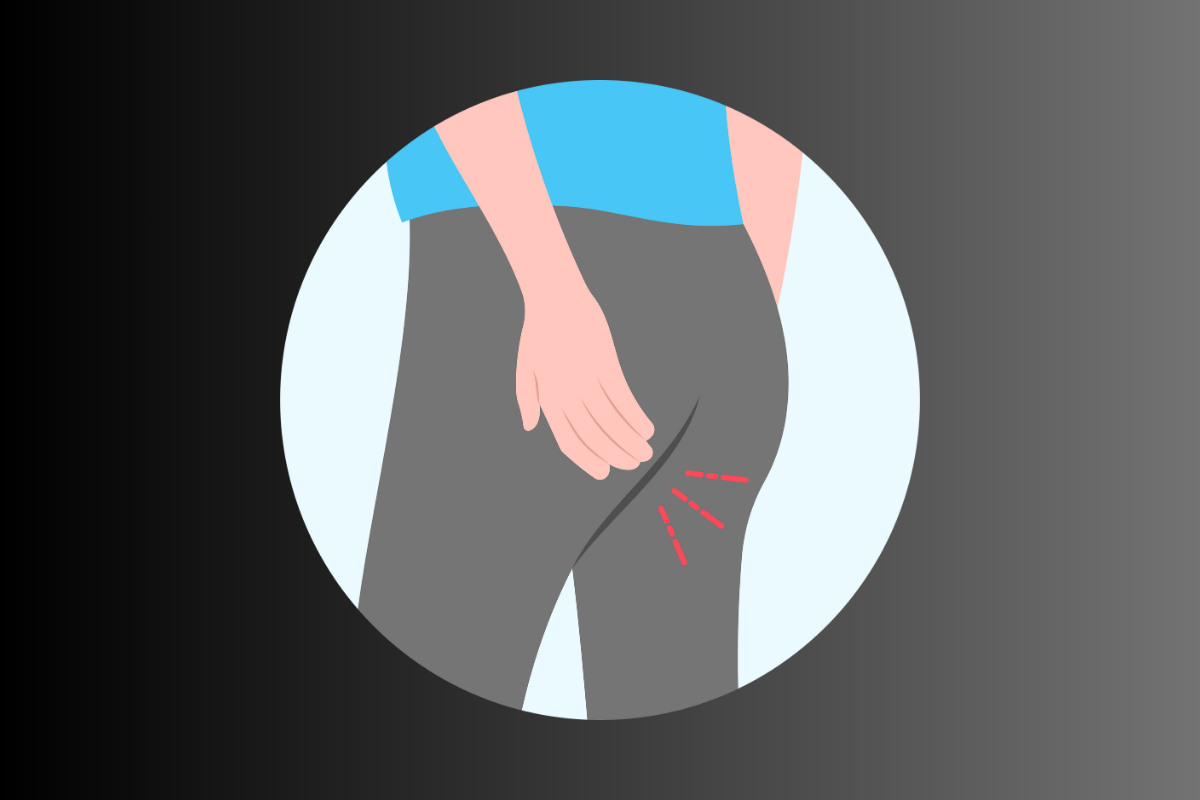
Piles (Hemorrhoids)
Swollen veins in the rectal area causing pain and bleeding. Ayurveda uses herbal formulations, Sitz baths, and dietary adjustments for relief.
Know More
Fissure
Small tears in the lining of the anus causing pain and bleeding. Ayurveda promotes healing with herbal pastes, oils, and bowel regulation therapies.
Know More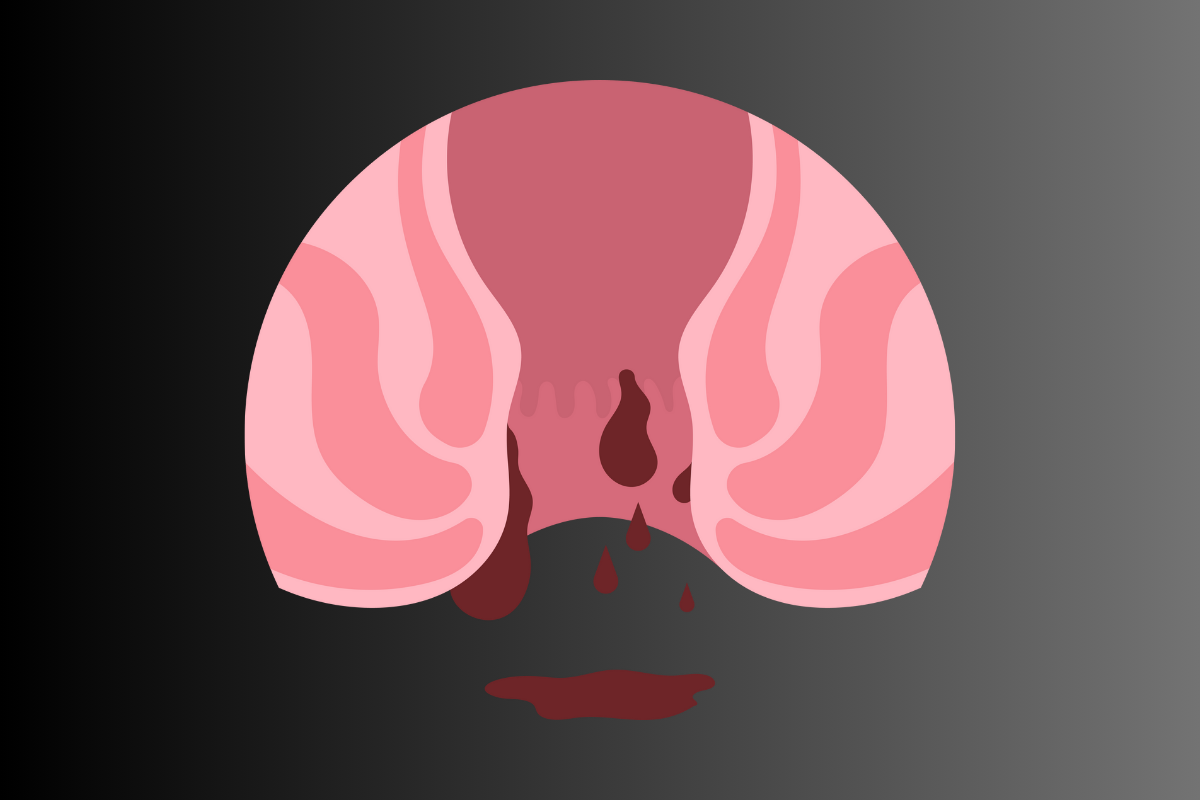
Fistula
Abnormal connection between the anal canal and skin causing discharge and discomfort. Ayurveda aids healing with detox, herbal medicines, and supportive therapies.
Know More
Constipation
Difficulty passing stools due to digestive imbalance. Ayurveda restores digestive fire, promotes bowel movement, and strengthens colon health naturally.
Know MoreAnorectal disorders are among the most common yet neglected health conditions. They often begin with minor symptoms like itching, pain, or bleeding during bowel movements — but when left untreated, they can turn into chronic and painful conditions.
In Ayurveda, these disorders are not just treated for symptom relief but are approached from the root — correcting Dosha imbalance, improving digestive fire (Agni), and ensuring proper elimination (Apana Vata balance).
At Dr. Acharya’s Ayurveda, we offer a time-tested and holistic management plan for Piles (Arsha), Anal Fissure (Parikartika), Anal Fistula (Bhagandara), and Chronic Constipation (Vibandha) using a blend of classical Panchakarma therapies, herbal medications, and lifestyle corrections.
Understanding Anorectal Disorders
What Are Anorectal Disorders?
Anorectal disorders involve diseases of the anal canal and rectum — the last portion of the digestive system. The most common types include piles, fissures, fistulas, and constipation. These disorders may cause pain, bleeding, discharge, and discomfort during bowel movements.
Common Causes (According to Ayurveda):
- Irregular eating habits
- Sedentary lifestyle
- Excessive intake of spicy, oily, or processed food
- Suppression of natural urges (especially urge to defecate)
- Chronic constipation
- Mental stress and strain
Ayurveda attributes anorectal diseases to the imbalance of Vata (dryness and strain), Pitta (inflammation and bleeding), and Kapha (mucus accumulation and blockage).
1. Piles (Arsha)
Overview:
Piles or hemorrhoids are swollen veins in the rectal region that cause bleeding, itching, and discomfort during defecation. In Ayurveda, Arsha is described as a disease caused by vitiation of Vata, Pitta, and Kapha doshas, leading to the growth of vein-like masses in the anal canal.
Types:
- Internal Piles – Occur inside the rectum, often painless but bleed easily.
- External Piles – Located under the skin around the anus, often painful and itchy.
Symptoms:
- Bright red bleeding after defecation
- Anal itching and burning
- Swelling or lump around anus
- Pain during sitting or bowel movements
Ayurvedic Causes:
- Chronic constipation
- Prolonged sitting or standing
- Low-fiber diet
- Straining during bowel movement
Ayurvedic Management:
- Virechana (Therapeutic Purgation): Removes excess Pitta and toxins from the digestive tract.
- Basti (Medicated Enema): Balances Vata, promotes regular bowel movement.
- Kshara Karma (Alkaline Therapy): A minimally invasive Ayurvedic procedure using herbal alkali to cauterize pile mass without surgery.
- Lepam: Application of soothing herbal paste to reduce inflammation.
- Herbs: Triphala, Arshoghni Vati, Haritaki, Kutaja, Neem, Nagakesara.
Diet & Lifestyle:
- High-fiber diet with fruits, vegetables, and whole grains
- Avoid spicy, fried, or heavy meals
- Drink warm water throughout the day
- Practice Ashwini Mudra and light yoga
2. Anal Fissure (Parikartika)
Overview:
An anal fissure is a small tear or cut in the lining of the anus, causing sharp pain and bleeding during bowel movements. Ayurveda classifies it as Parikartika, primarily caused by Vata-Pitta aggravation.
Symptoms:
- Severe pain during and after defecation
- Burning sensation
- Bleeding or spotting
- Visible tear near the anus
Causes:
- Passing hard stools
- Chronic constipation
- Long sitting hours
- Postpartum trauma in women
Ayurvedic Treatment:
- Sitz Bath (Avagaha Swedan): Warm herbal decoction bath to soothe and heal the fissure.
- Lepam: Application of herbal ointments like Jatyadi Taila, Yashtimadhu Taila for faster healing.
- Basti: Helps soften stools and reduce strain.
- Virechana: Gentle detoxification to remove Pitta and reduce inflammation.
- Diet: Include ghee, fiber, and fluids; avoid chili and fried food.
Herbal Support:
Triphala, Guggulu, Aloe vera, Jatyadi Ghrita, Eranda Taila.
3. Anal Fistula (Bhagandara)
Overview:
An anal fistula is an abnormal channel connecting the rectum to the skin near the anus. It usually develops after an abscess that fails to heal properly. Ayurveda describes this as Bhagandara, a deep-seated tract due to Kapha-Vata imbalance and pus formation.
Symptoms:
- Pus discharge
- Pain and swelling around the anus
- Recurrent abscesses
- Itching and irritation
Ayurvedic Approach:
- Kshar Sutra Therapy: A specialized Ayurvedic procedure involving a medicated thread to gradually cut, heal, and sterilize the fistula tract.
- Basti: To balance Vata and promote healing.
- Lepam: Herbal paste application to reduce inflammation and aid drainage.
- Antiseptic herbs: Neem, Haridra, Triphala, Manjistha, Guggulu.
Benefits of Kshar Sutra:
- Minimally invasive
- No need for hospitalization
- Less recurrence
- Preserves anal sphincter control
4. Chronic Constipation (Vibandha)
Overview:
Constipation occurs when bowel movements become infrequent or difficult. In Ayurveda, it is known as Vibandha, primarily caused by Vata imbalance. Chronic constipation is often the root cause of other anorectal disorders like piles and fissures.
Symptoms:
- Infrequent or hard stools
- Bloating, gas, and abdominal discomfort
- Straining during bowel movement
Ayurvedic Management:
- Abhyanga (Oil Massage): Relaxes the colon and balances Vata.
- Basti (Medicated Enema): The most effective therapy for Vata-related disorders.
- Virechana: Cleanses intestines and improves bowel function.
- Diet: Fiber-rich food, soaked raisins, ghee, and warm water.
- Herbs: Triphala, Isabgol, Haritaki, Castor oil.
Common Ayurvedic Therapies for Anorectal Disorders
Therapy | Description & Benefits |
Abhyanga | Full-body medicated oil massage to enhance circulation and Vata balance. |
Swedan / Nadi Swedan | Steam therapy to relieve stiffness and detoxify the lower body. |
Virechana | Purgation therapy for clearing accumulated Pitta and toxins. |
Basti | Medicated enema to relieve constipation and regulate Apana Vata. |
Lepam | Herbal paste application for localized healing. |
Kshar Sutra | Ayurvedic surgical thread therapy for piles and fistula. |
Kashaya Dhara | Pouring herbal decoctions for pain relief and inflammation. |
Ayurvedic Diet & Lifestyle Guidelines
- Eat light, easy-to-digest food with ghee, moong dal, and rice.
- Avoid red meat, processed foods, refined flour, and spicy meals.
- Drink warm water and herbal teas like Triphala kwatha.
- Do not suppress natural urges.
- Exercise daily, practice yoga postures like Pavanmuktasana, Malasana, and Ashwini Mudra.
- Include buttermilk, papaya, and flaxseeds in diet for regular bowel movements.
Why Choose Dr. Acharya’s Ayurveda for Anorectal Disorders?
- Authentic Panchakarma-based treatments for complete detoxification.
- Kshar Sutra therapy performed by skilled Ayurvedic surgeons.
- Personalized diet and lifestyle guidance based on Prakriti (body constitution).
- Holistic care — we focus on digestive balance, not just symptom suppression.
- Safe, non-surgical, and lasting relief from recurrence.
Understanding Anorectal Disorders in Detail
What Are Anorectal Disorders?
Anorectal disorders refer to diseases or abnormalities that affect the anus (the opening where stool exits the body) and the rectum (the final part of the large intestine). These conditions can range from mild irritation to chronic inflammatory or structural issues that cause pain, bleeding, itching, or difficulty in bowel movements.
Common examples include:
- Piles (Hemorrhoids) – swollen veins in the rectum or anus.
- Fissure (Anal Fissure) – a small tear in the lining of the anal canal.
- Fistula (Anal Fistula) – an infected tunnel between the anal canal and skin near the anus.
- Constipation – infrequent or difficult bowel movements often causing strain.
These conditions, though common, can severely affect one’s quality of life and often need a combined approach of diagnosis, treatment, and long-term management.
Causes of Anorectal Disorders
Several factors contribute to anorectal diseases, both physiological and lifestyle-related. Ayurveda categorizes these causes under Agni (digestive fire) imbalance and Vata aggravation, often leading to poor digestion and disturbed bowel habits.
🔸 Common Causes Include:
- Chronic Constipation – leading to hard stools and strain during defecation.
- Sedentary Lifestyle – lack of movement weakens digestive fire and circulation.
- Low-Fiber Diet – insufficient roughage leads to difficulty in bowel evacuation.
- Pregnancy – increased abdominal pressure causes hemorrhoidal veins to swell.
- Prolonged Sitting – especially in jobs requiring long hours on a chair.
- Suppression of Natural Urges – a common cause in Ayurveda for Vata dosha aggravation.
- Obesity or Overeating – leading to pressure on pelvic veins and sluggish digestion.
Ayurveda also points to “Apana Vata Dushti”, or the imbalance of downward-moving energy, as the core cause behind most anorectal conditions.
Symptoms and Warning Signs
Symptoms may vary depending on the exact disorder, but they often overlap. Being aware of these signs helps in early diagnosis and prevents chronic complications.
Common Symptoms:
- Pain or burning sensation during and after bowel movement
- Bleeding (bright red or mixed with stool)
- Itching and irritation around the anus
- Mucus discharge or pus (especially in fistula)
- Hard stools or incomplete evacuation
- Swelling or a palpable lump near the anal region
- Foul smell or oozing fluid from the anal opening
- Constipation or alternating loose motions
Ignoring these symptoms can lead to infections, abscess formation, or chronic inflammation, making treatment more complex.
Diagnosis & Screening
At Dr. Acharya’s Ayurveda, diagnosis blends modern assessment and Ayurvedic diagnostic methods to get a complete understanding of the disease.
Modern Diagnostic Tools:
- Digital Rectal Examination (DRE) – to assess swelling, tears, or lumps.
- Anoscopy / Proctoscopy – visual examination of the anal canal.
- Colonoscopy – in chronic or unexplained cases.
- Ultrasound / MRI Fistulogram – for detecting fistulas or abscesses.
Ayurvedic Diagnostic Approach:
- Nadi Pariksha (Pulse Diagnosis) – to understand dosha imbalance (Vata, Pitta, Kapha).
- Mala Pariksha (Stool Analysis) – to assess digestive efficiency and toxins (Ama).
- Prakriti Analysis – to identify body constitution and recurrence risk.
- Samprapti Ghatak (Pathogenesis Study) – identifying root cause, site, and strength of the disease.
Together, this dual approach helps identify not just what the disease is, but why it happened — essential for long-term cure, not just symptom relief.
Ayurvedic Approach to Anorectal Disorders
Ayurveda focuses on “Shodhana” (detoxification) and “Shamana” (pacification) therapies to cleanse the body of accumulated toxins and restore balance in Vata, Pitta, and Kapha doshas.
The goal is not only to remove symptoms but to correct digestive imbalances, strengthen rectal muscles, and prevent recurrence.
Key Ayurvedic Principles in Treatment:
- Apana Vata Regulation – restoring downward flow of energy to ease bowel movement.
- Agni Deepana – rekindling digestive fire to improve metabolism.
- Srotoshodhana – clearing blockages in rectal and pelvic channels.
- Rakta Shodhana – purifying blood to prevent inflammation and infection.
- Local Healing – through medicated oils, lepas, and sitz baths.
Panchakarma Therapies Used in Anorectal Treatment
Dr. Acharya’s Ayurveda uses time-tested Panchakarma therapies to treat these disorders safely and effectively:
Therapy | Purpose & Benefits |
Abhyanga (Oil Massage) | Enhances circulation, reduces pain, relieves muscle stiffness. |
Swedana (Steam Therapy) | Softens tissues, opens channels, and helps toxin removal. |
Virechana (Purgation Therapy) | Removes excess Pitta and toxins from the digestive tract, excellent for piles and fissures. |
Basti (Medicated Enema) | The most powerful treatment for rectal disorders; regulates Apana Vata, relieves constipation and heals fissures. |
Kshara Sutra Therapy | Ayurvedic parasurgical procedure for fistula-in-ano using medicated thread for safe, recurrence-free healing. |
Lepam (Herbal Paste Application) | Reduces inflammation, itching, and pain. |
Avagaha Svedana (Sitz Bath) | Warm herbal decoction bath for local healing and soothing. |
Herbal and Dietary Management
Along with therapies, Ayurveda emphasizes herbal medicine and dietary correction to enhance healing.
Common Ayurvedic Herbs Used:
- Triphala – regulates bowel movements and detoxifies the colon.
- Haritaki & Amalaki – improve digestion and prevent constipation.
- Arshoghni Vati, Abhayarishta, Kutajarishta – specific for piles and fistula management.
- Nirgundi, Neem, Turmeric – potent anti-inflammatory herbs for fistula and abscess.
Dietary Guidelines:
- Include high-fiber foods (whole grains, fruits, vegetables).
- Avoid spicy, fried, and processed foods.
- Drink warm water throughout the day.
- Consume ghee for lubrication of the colon.
- Avoid suppressing natural urges.
- Maintain fixed meal times for proper digestion.
Ayurvedic Treatment of Anorectal Disorders
(Piles • Fissure • Fistula • Constipation)
This section goes condition by condition, offering complete coverage of modern understanding, Ayurvedic perspective, symptoms, causes, and the full Ayurvedic line of treatment as practiced at Dr. Acharya’s Ayurveda.
1. Piles (Hemorrhoids) – Arsha Roga
What Are Piles?
Piles or Hemorrhoids are swollen and inflamed veins in the rectum or anus that cause discomfort, itching, pain, and bleeding during defecation.
They may be internal (inside the rectum) or external (around the anus).
In Ayurveda, this condition is termed “Arsha Roga”, described as an outgrowth or swelling in the anal region caused by vitiation of Vata, Pitta, and Kapha, particularly Apana Vata imbalance.
Causes of Piles (Modern + Ayurvedic View)
Modern Causes | Ayurvedic Correlation |
Chronic constipation & straining | Apana Vata vitiation |
Sedentary lifestyle | Agni Mandya (weak digestion) |
Pregnancy | Avarana of Vata (obstruction due to pressure) |
Obesity | Kapha aggravation |
Suppression of natural urges | Vegadharana |
Spicy & fried food | Pitta prakopa leading to inflammation |
Symptoms
- Bleeding during defecation (bright red blood)
- Pain, itching, or burning around the anus
- Swelling or lumps near the anal opening
- Mucus discharge
- Feeling of incomplete evacuation
Ayurvedic Pathogenesis (Samprapti)
Weak digestive fire (Mandagni) leads to accumulation of toxins (Ama) and vitiation of Vata and Pitta doshas.
This affects Mamsa dhatu (muscle tissue) and Rakta dhatu (blood), causing swollen veins and inflammation.
Ayurvedic Treatments for Piles at Dr. Acharya’s Ayurveda
Panchakarma & Therapies
- Virechana (Purgation Therapy): Eliminates excess Pitta and toxins.
- Basti (Medicated Enema): Relieves constipation, regulates Apana Vata.
- Kshara Karma: Application of alkaline medicine to shrink hemorrhoids.
- Avagaha Swedana (Sitz Bath): Reduces pain and inflammation.
- Abhyanga & Swedana: Improves circulation and relieves discomfort.
Ayurvedic Medicines
- Arshoghni Vati – Shrinks piles and controls bleeding.
- Abhayarishta – Relieves constipation and cleanses intestines.
- Triphala Churna – Detoxifies colon and improves digestion.
- Nagakeshara & Kutaj Ghan Vati – Controls bleeding and inflammation.
Diet & Lifestyle
- Eat fiber-rich foods and stay hydrated.
- Avoid spicy, oily, or heavy meals.
- Include ghee and warm water in the diet.
- Do not strain or sit long on the toilet.
- Practice yoga poses like Pavanamuktasana and Malasana.
2. Anal Fissure – Parikartika
What Is Anal Fissure?
An Anal Fissure is a small tear in the mucosal lining of the anal canal. It causes severe pain during and after bowel movements, sometimes accompanied by bleeding.
In Ayurveda, this condition is termed “Parikartika”, meaning “cutting pain in the anal region”.
Causes
- Passing hard or large stools
- Chronic constipation
- Long sitting hours
- Spicy or constipating foods
- Vata aggravation due to stress or irregular meals
Symptoms
- Sharp pain during defecation
- Burning sensation and itching
- Blood streaks on stool
- Spasm of the anal sphincter
- Foul odor or discharge in chronic cases
Ayurvedic Pathogenesis (Samprapti)
When Vata Dosha becomes aggravated, it dries and cracks the mucous membranes, leading to tearing and inflammation.
In chronic cases, Pitta adds burning and Kapha delays healing.
Ayurvedic Treatments for Anal Fissure
Panchakarma & Local Therapies
- Avagaha Swedana (Herbal Sitz Bath): Soothes pain and promotes healing.
- Lepam (Herbal Paste Application): Reduces inflammation and aids tissue repair.
- Basti Therapy: Softens stool and repairs mucosa.
- Nadi Swedana (Steam Therapy): Promotes blood circulation and pain relief.
Ayurvedic Medicines
- Abhayarishta & Triphala Churna – For soft stool and bowel regulation.
- Jatyadi Tailam or Nirgundi Tailam – Topical application for healing fissures.
- Gandhak Rasayana & Haridra Khanda – Anti-inflammatory and antiseptic.
Diet & Lifestyle
- Consume warm food, plenty of fluids, and green vegetables.
- Avoid spicy, fried, or sour food.
- Do not suppress natural urges.
- Practice regular mild exercise or walking.
3. Anal Fistula – Bhagandara
What Is Anal Fistula?
An Anal Fistula is an abnormal channel between the anal canal and the skin near the anus, often resulting from an untreated abscess or chronic infection.
It causes pain, pus discharge, and recurrent swelling.
Ayurveda calls this condition “Bhagandara”, a severe Vata-predominant disorder described in Sushruta Samhita.
Causes
- Untreated anal abscess
- Infection of anal glands
- Chronic constipation
- Poor hygiene and recurrent inflammation
- Weak immune response or diabetes
Symptoms
- Recurrent abscess near anus
- Pus or foul-smelling discharge
- Pain and burning sensation
- Low-grade fever during infection
- Formation of small opening(s) near anus
Ayurvedic Pathogenesis (Samprapti)
Due to Vata-Pitta vitiation, there is tissue destruction (Dushti) and pus formation in anal glands, leading to a sinus tract (Nadi Roga).
Ayurvedic Treatments for Anal Fistula
Panchakarma & Specialized Therapies
- Kshara Sutra Therapy (Medicated Thread):
A classical Ayurvedic procedure where a herbal-coated thread is passed through the fistula tract.
It cuts, drains, and heals simultaneously — ensuring minimal recurrence and no major surgery. - Avagaha Swedana: Herbal decoction sitz bath for daily hygiene.
- Basti Therapy: Regulates Apana Vata and aids internal healing.
- Lepam: Herbal paste to reduce swelling and infection.
Ayurvedic Medicines
- Triphala Guggulu – Anti-inflammatory and antimicrobial.
- Nirgundi Tailam – Local application for wound healing.
- Haridra (Turmeric) & Neem – Blood purification and infection control.
- Punarnava & Guggulu Compounds – Promote tissue regeneration.
Diet & Lifestyle
- Eat light, detoxifying meals.
- Avoid non-veg, alcohol, and dairy during treatment.
- Keep the anal region clean and dry.
- Regular follow-up and herbal support prevent recurrence.
4. Constipation – Vibandha
What Is Constipation?
Constipation is a condition where bowel movements become infrequent, hard, or difficult to pass.
Ayurveda refers to this as “Vibandha”, mainly caused by Vata dosha imbalance and weak digestive fire (Agni Mandya).
Causes
- Low fiber or water intake
- Irregular eating habits
- Stress or lack of sleep
- Suppression of natural urges
- Overuse of laxatives
- Sedentary lifestyle
Symptoms
- Infrequent or incomplete bowel movement
- Hard or dry stool
- Abdominal bloating or heaviness
- Headache or fatigue
- Bad breath or indigestion
Ayurvedic Treatments for Constipation
Panchakarma Therapies
- Abhyanga (Oil Massage): Balances Vata and improves peristalsis.
- Swedana (Steam Therapy): Relaxes abdominal muscles.
- Virechana: Cleanses intestines and liver.
- Matra Basti (Oil Enema): Lubricates colon and promotes smooth evacuation.
Ayurvedic Medicines
- Triphala Churna – Gentle natural laxative.
- Abhayarishta – Enhances bowel tone.
- Eranda Taila (Castor Oil) – For deep cleansing.
- Isabgol Husk – Increases stool bulk naturally.
Diet & Lifestyle
- Eat fiber-rich diet (fruits, vegetables, oats).
- Drink warm water and herbal teas.
- Sleep on time and maintain a morning routine.
- Perform yoga poses like Pavanamuktasana and Vajrasana after meals.
Holistic Healing at Dr. Acharya’s Ayurveda
At DrAcharyasAyurveda.com, every treatment plan is personalized — combining Panchakarma therapies, herbal formulations, and lifestyle correction based on your Prakriti (body type) and Dosha imbalance.
Our therapies include:
Abhyanga Swedan • Nadi Swedan • Churn Potli • Virechana • Basti • Lepam • Kshara Sutra • Nasyam • Shirodhara
— ensuring deep healing, not just symptom control.
Conclusion
Anorectal disorders may begin as minor discomforts but can severely affect daily life if ignored. Ayurveda offers a comprehensive, root-cause-based management for these conditions through detoxification, herbal support, and rejuvenation therapies.
At Dr. Acharya’s Ayurveda, we specialize in non-surgical management of Piles, Fissure, Fistula, and Constipation using Kshar Sutra, Basti, Virechana, and custom herbal formulations, ensuring long-term comfort and healthy digestion.
Rediscover pain-free living — naturally.
Book your consultation with Dr. Acharya’s Ayurveda today and experience true healing through ancient Ayurvedic wisdom.

17+
Years of Experience
Our Legacy
Decades of Trusted Excellence
At Dr. Acharya’s Ayurveda, we offer a wide range of authentic Ayurvedic therapies to address chronic pain, joint disorders, neurological issues, and overall well-being. Each treatment is personalized to your body type (Prakriti) and health condition, ensuring holistic healing from the root cause.
- Personalized consultation
- Herbal medicines
- Panchakarma therapies
- Lifestyle & diet guidance
Your Path to Natural Healing & Wellness Starts Here
Experience the ancient wisdom of Ayurveda to restore balance, relieve pain, and rejuvenate your mind, body, and soul.