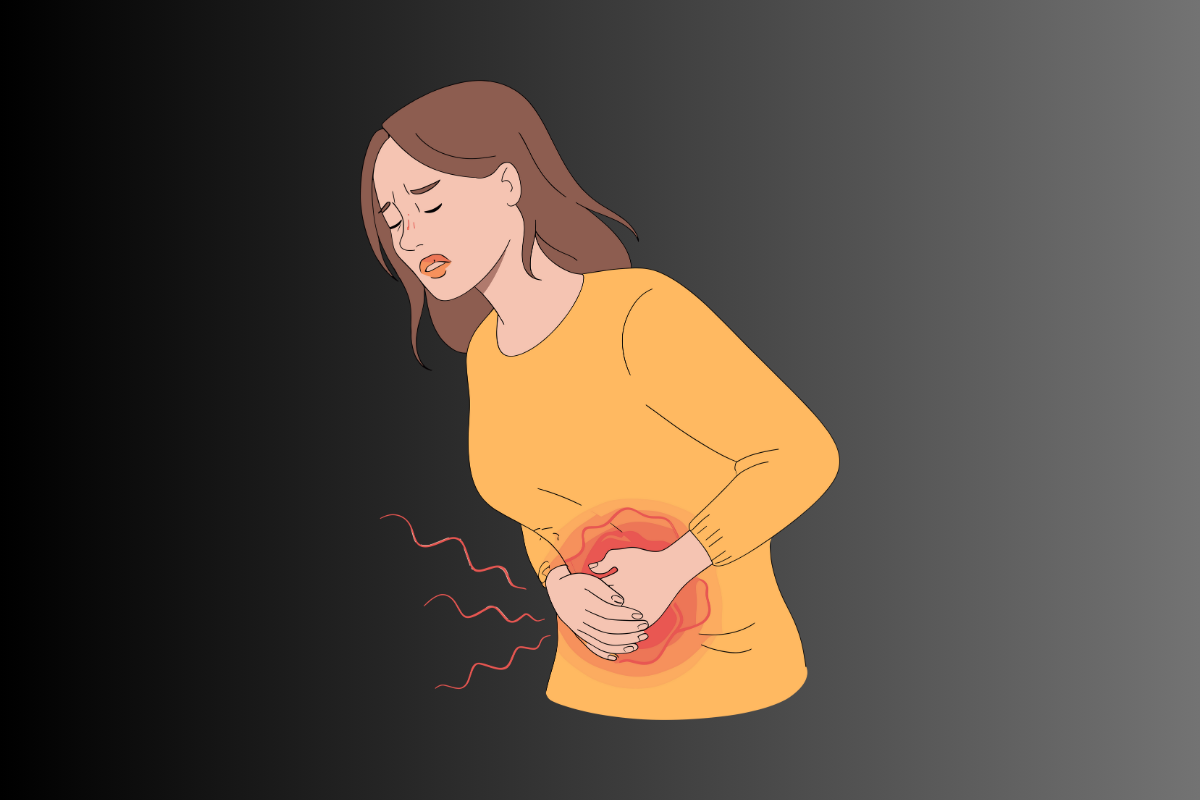
What is Abdominal Pain?
Abdominal pain describes any discomfort in the belly area. It ranges from mild cramping to severe, sharp pain and may come from organs such as the stomach, intestines, gallbladder, pancreas, liver, kidneys or reproductive organs.
Common causes
- Functional: gas, indigestion, constipation, IBS (Irritable Bowel Syndrome).
- Inflammatory/infective: gastroenteritis, appendicitis, pancreatitis, diverticulitis.
- Obstructive/urgent: bowel obstruction, perforation, gallstones.
- Others: peptic ulcer disease, urinary or gynecologic causes, medication-induced.
Red flags — seek emergency care
- Sudden severe pain with fever, persistent vomiting, fainting, low blood pressure.
- Blood in vomit or stool, rigid abdomen, breathing difficulty, jaundice (yellowing of eyes/skin).
- If any of these are present, go to the emergency department first — Ayurveda is for supportive care and rehabilitation once acute emergencies are ruled out.
Ayurvedic Perspective
In Ayurveda, abdominal pain is commonly linked to Vata or Pitta and sometimes Kapha disorders depending on the nature of pain (colicky, burning, distension). Causes include impaired Agni (digestive fire), Ama (undigested metabolic toxins), Vata derangement causing spasms, or Pitta inflammation. Treatment targets digestion (Agni), removal of Ama, normalization of Vata/Pitta and symptomatic relief.
Critical Safety Note
Always obtain medical evaluation first to exclude surgical or emergency causes. Ayurvedic therapies are complementary and are applied after clinical assessment and necessary investigations. If acute abdomen or red-flag signs exist, prioritize emergency care.
Therapies Useful for Abdominal Pain — with reference images
Below are clinic therapies commonly used to relieve abdominal pain by reducing Vata/Ama, calming spasms, improving digestion and restoring gut motility. Each therapy entry includes a reference photo.
Abhyanga (Warm Oil Massage)
Purpose: Soothes Vata, relieves abdominal cramping, enhances circulation and lymphatic drainage.
- Warm herbal oils and gentle, rhythmic strokes relax abdominal musculature and reduce spasms.
- Improves appetite and digestion by calming systemic Vata and supporting Agni.
- Often used daily during early rehabilitation or as supportive care for functional pain.
Swedan (Therapeutic Sudation / Steam)
Purpose: Relieves gas, reduces muscular tension and eases pain from Vata or Kapha-related congestion.
- Whole-body or localized steam loosen muscle spasm, encourage bowel movement and ease bloating.
- Performed gently; contraindicated in high fever, acute inflammation or severe cardiac/pulmonary conditions.
Nadi Swedan (Local Steam to Abdomen)
Purpose: Focused steam over the abdomen to relieve localized cramps, trapped gas and improve peristalsis.
- Directs warm herbal steam along targeted areas (e.g., around the navel) to relieve colic and distension.
- Often follows abdominal massage to deepen relaxation and promote movement of trapped gas.
Patra Potli (Herbal Bolus Application)
Purpose: Local counter-irritation and deep warmth to relieve persistent localized pain and muscular tension.
- Warm potlis (cloth bundles) containing herbal pastes or leaves are applied with gentle pressure and circular motion on the abdomen.
- Helps reduce localized stiffness, improves circulation and aids digestion when applied over the navel or lower abdomen.
Churn Potli (Powder Bolus Therapy)
Purpose: Gentle exfoliating/massaging action and localized stimulation to reduce stiffness and improve motility.
- Dry or slightly oiled herbal powders in a bolus are massaged over the abdomen to stimulate local circulation and relieve pain from Vata-origin.
- Selected when oil-based therapies are less appropriate or to add mild counter-irritation.
Lepam (Herbal Paste Poultice)
Purpose: Soothing, anti-inflammatory topical application for tender or inflamed abdominal areas.
- Herbal pastes made from cooling or carminative herbs are applied to reduce local inflammation, pain and burning sensations.
- Used in acute-on-chronic complaints under clinician guidance; patch testing and medical review recommended.
Kashaya Dhara (Herbal Decoction Pouring on Abdomen)
Purpose: Continuous warm decoction pouring to soothe visceral discomfort and reduce spasms.
- Warm, carefully selected decoctions are poured over the abdomen to relieve cramps, improve local blood flow and calm inflammation.
- Formulations are chosen keeping gut and liver safety in mind; used in sub-acute and rehabilitative phases.
Basti (Medicated Enema) — For Vata-related Abdominal Pain
Purpose: Core Ayurvedic therapy to correct Vata, relieve colic and chronic functional abdominal pain.
- Medicated decoction or oil enemas restore gut motility, remove stagnant Vata and reduce chronic spasmodic pain.
- Given only after assessment and when not contraindicated; requires monitoring and physician oversight.
Herbs, Diet & Supportive Measures
Internal medicines and diet are always individualized. Below are commonly used supportive approaches — prescribe only after clinical evaluation.
- Carminative herbs: Hing (asafoetida), Ajwain, Pippali in physician-guided formulations to relieve gas and colic.
- Mild digestive tonics: Trikatu or light ginger-based formulations to kindle Agni (use carefully if Pitta signs exist).
- Demulcents: Licorice (Yashtimadhu) preparations to soothe mucosa where indicated.
- Diet: Warm, light, simple meals — khichdi, moong dal, steamed vegetables; avoid cold drinks, raw heavy salads, beans and fried foods during acute episodes.
- Hydration: Small sips of warm water, herbal teas (peppermint/ginger) only as advised by your clinician.
- Lifestyle: Gentle walking after meals, avoid strenuous exercise during acute pain, regular sleep and stress reduction techniques.
Any herbal or internal medicine must be prescribed after medical and Ayurvedic assessment, especially when there are red flags or ongoing conventional treatments.
Sample Clinic Pathways (examples)
Acute (non-emergent) colic / gas- Medical evaluation to exclude surgical causes
- Targeted Abhyanga + Nadi Swedan → carminative medicines
- Diet: light, warming, avoid raw/flatulent foods
Chronic Vata-colic / IBS-like- Course of Basti (individualized) + supportive Abhyanga
- Patra/Churn Potli localized applications and Kashayadhara if indicated
- Longer-term diet, herbs and lifestyle changes to stabilize Vata
Inflammatory / post-infective discomfort- Medical labs/imaging to exclude ongoing infection
- Soothing Lepam, Kashaya Dhara and gentle abdominal therapies in recovery phase
- Rehabilitative plan with Njavara Kizhi or nutritive therapies if weakness persists (clinician decision)
Therapy selection, sequence and intensity depend on cause, acuity and patient constitution. Written informed consent and explanation of expected effects are provided before procedures.
Quick Reference — Therapies & Roles
| Therapy | Primary role | When considered |
|---|
| Abhyanga | Relax muscles, soothe Vata | Functional/rehabilitative abdominal pain |
| Swedan / Nadi Swedan | Relieve gas, reduce spasm | Bloating, colic without fever |
| Patra / Churn Potli | Local warming & stimulation | Persistent localized pain or stiffness |
| Kashaya Dhara | Soothing pouring to reduce visceral discomfort | Sub-acute inflammation, guarded cases |
| Lepam | Topical anti-inflammatory | Tender, inflamed abdominal regions (as advised) |
| Basti | Correct Vata, relieve chronic colic | Chronic Vata-dominant pain under supervision |
Have persistent abdominal pain?
Book a consultation — we will assess red flags, coordinate medical tests if needed, and design a safe Ayurvedic plan combining therapies, diet and medicines tailored for you.
Book ConsultationEmergency symptoms (severe sudden pain, fever, bleeding) require immediate medical attention. Ayurvedic care is provided after acute causes are excluded.