
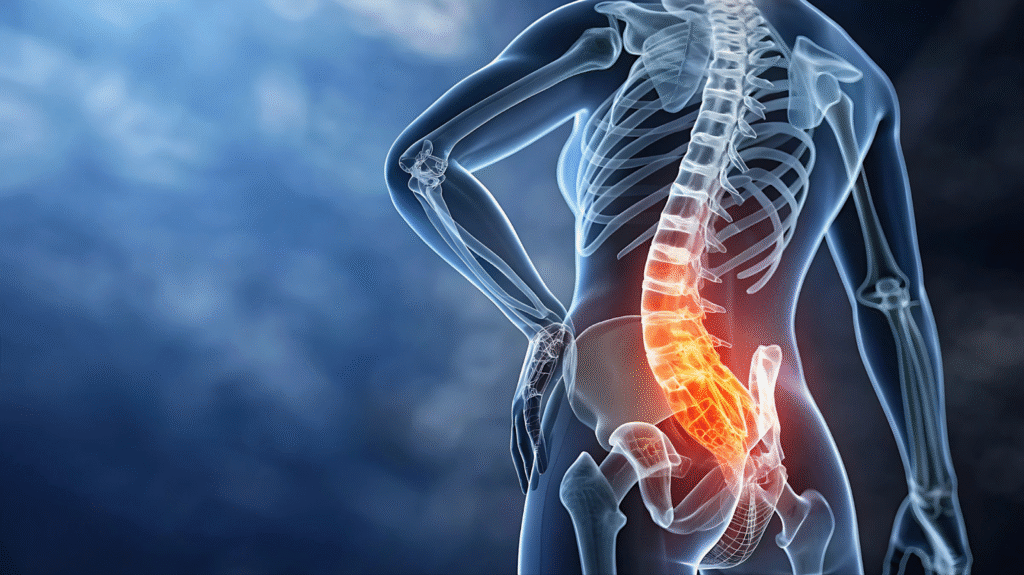
Sciatica, characterized by radiating pain from the lower back through the hip and down the leg, affects millions worldwide and can severely impact daily functioning. While conventional medicine often relies on pain medications and surgical interventions, Ayurveda offers comprehensive natural solutions that address root causes rather than merely managing symptoms. For patients in Jammu seeking effective sciatica treatment, an important consideration emerges: should they pursue the renowned Kerala Ayurveda traditions or trust local Jammu expertise?
Kerala, often called the birthplace of authentic Ayurveda, has preserved traditional healing methods for over 5,000 years, particularly excelling in Panchakarma therapies and specialized treatments for neurological conditions like sciatica. Local Jammu practitioners, however, bring unique advantages including regional constitutional understanding, accessibility, and often generations of family healing wisdom adapted to local climate and lifestyle patterns.
This comparison explores both approaches to help patients make informed decisions about their sciatica treatment while understanding how each methodology addresses this challenging condition through Ayurvedic principles.
Understanding Sciatica Through Ayurvedic Lens
Ayurveda classifies sciatica under “Gridhrasi,” literally meaning “gait of a vulture,” describing the characteristic limping walk of affected patients. This condition primarily results from aggravated Vata dosha, which governs nervous system function and movement throughout the body.
The pathophysiology involves Vata imbalance affecting the lumbar region, creating compression or irritation of nerve roots that form the sciatic nerve. Contributing factors include poor posture, sedentary lifestyle, improper lifting techniques, stress, and digestive imbalances leading to toxin (Ama) accumulation in neural pathways.
Unlike conventional medicine’s focus on structural abnormalities, Ayurveda recognizes that sciatica symptoms reflect deeper constitutional imbalances requiring comprehensive treatment approaches that restore nervous system health while addressing underlying causative factors.
Kerala Ayurveda Excellence in Sciatica Treatment
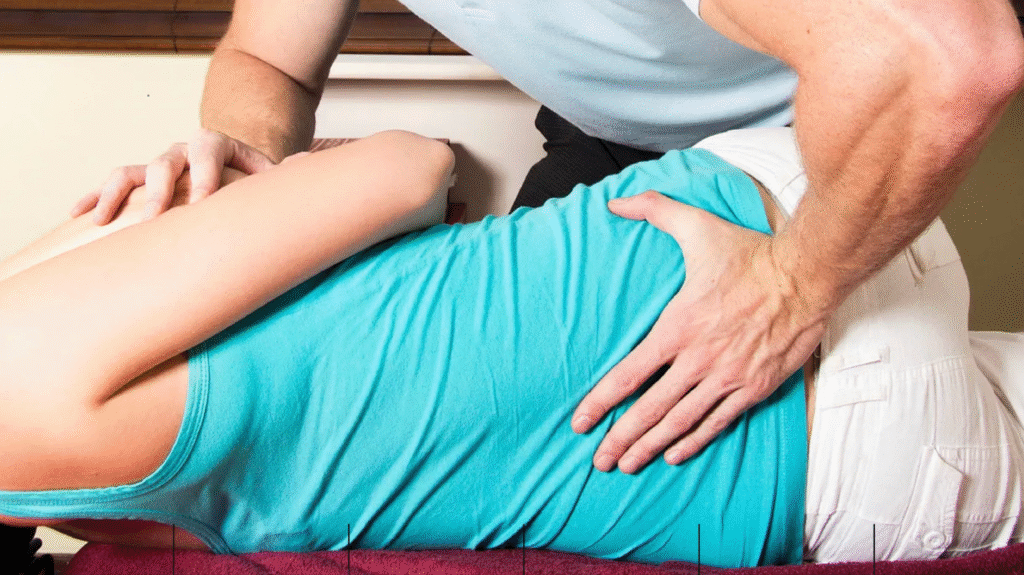
Kerala’s reputation for superior Ayurvedic care stems from several unique factors that have been preserved and refined over millennia, making it particularly effective for complex neurological conditions like sciatica.
Traditional Panchakarma Mastery
Kerala practitioners excel in authentic Panchakarma therapies, particularly specialized treatments like Kati Basti (localized oil pooling around the lumbar region) and Akshi Tarpana (oil treatments for neurological conditions). These intensive therapies involve precise oil temperatures, specific herbal combinations, and exact timing protocols that have been perfected through generations of clinical practice.
The systematic approach to detoxification through Virechana (therapeutic purgation) and specialized Basti (medicated enemas) helps eliminate deep-seated toxins from nervous system pathways while restoring proper Vata function. Kerala’s mastery of these techniques often produces remarkable results in chronic sciatica cases that haven’t responded to other treatments.
Authentic Herbal Preparations
Kerala maintains traditional herb processing methods, including classical preparations like Sahacharadi Kashayam, Maharasnadi Kashayam, and specialized oils like Ksheerabala Taila and Dhanwantaram Taila. These authentic formulations often utilize herbs processed according to ancient methods that may not be readily available elsewhere.
The region’s tropical climate supports cultivation of specific medicinal plants mentioned in classical texts, ensuring access to fresh, potent herbs that form the foundation of effective sciatica treatments. Many Kerala preparations undergo traditional processing methods that enhance therapeutic potency beyond modern manufacturing techniques.
Specialized Treatment Protocols
Kerala institutions often employ systematic 21-day or longer treatment protocols that combine internal medicines, external therapies, dietary modifications, and lifestyle counseling in carefully orchestrated sequences. These comprehensive programs address not only immediate pain relief but also long-term nervous system rejuvenation and constitutional rebalancing.
The integration of traditional Kerala martial arts (Kalaripayattu) principles into therapeutic exercise recommendations provides unique insights into body mechanics and movement patterns that support sciatica recovery and prevention.
Local Jammu Expertise Advantages
Local Jammu practitioners bring distinct advantages that often make them optimal choices for many patients seeking effective, accessible sciatica treatment.
Regional Constitutional Understanding
Jammu practitioners possess deep knowledge of how the region’s unique climate, altitude, and seasonal variations affect different constitutional types and their response to sciatica treatments. This regional expertise enables treatment modifications that account for local environmental factors, seasonal changes, and population-specific health patterns.
The understanding of how Jammu’s climate affects Vata dosha allows for seasonal treatment adjustments that optimize therapeutic outcomes while preventing symptom exacerbation during weather changes that commonly trigger sciatica flares.
Accessibility and Continuity
Local practitioners offer immediate accessibility for acute sciatica episodes, regular follow-up visits, and ongoing monitoring of treatment progress. This accessibility is particularly valuable for patients with severe mobility limitations or those requiring frequent treatment adjustments.
The continuity of care provided by local practitioners often results in deep understanding of individual patient patterns, family health histories, and long-term treatment responses that inform ongoing care decisions and preventive strategies.
Personalized Treatment Approaches
Local practitioners typically provide highly personalized care with extended consultation times, detailed attention to individual symptoms, and treatment approaches tailored to each patient’s unique circumstances, lifestyle, and constitutional needs.
Many local practitioners incorporate family healing wisdom and regional treatment variations that have been refined through decades of clinical experience within specific local contexts, often resulting in unique therapeutic insights not found in standardized institutional protocols.
Comparative Treatment Methodologies
Internal Medicine Approaches
Kerala practitioners typically utilize classical formulations prepared according to traditional methods with authentic herbs, while local Jammu practitioners may employ similar formulations but often customize combinations based on individual assessment and regional herb availability.
Both approaches recognize the importance of digestive health in sciatica treatment, utilizing herbs like Ashwagandha, Guggulu, and Rasna to reduce inflammation while supporting nervous system health, though preparation methods and dosing strategies may vary.
External Therapy Variations
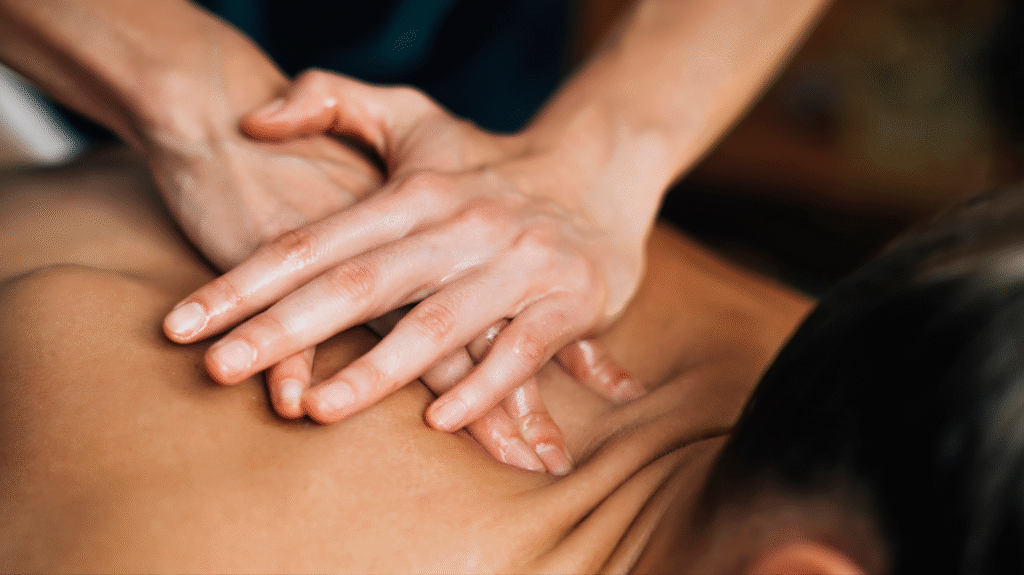
Kerala’s specialized Panchakarma facilities offer intensive external therapies with standardized protocols and trained technicians, while local practitioners may provide similar treatments in more intimate settings with personalized attention and flexible scheduling.
The oil preparation methods may differ, with Kerala utilizing traditional processing techniques and specific oil combinations, while local practitioners may employ regional variations or family-specific preparations that reflect local healing traditions.
Integration of Modern Understanding
Both approaches increasingly integrate modern understanding of sciatica with traditional Ayurvedic principles, though Kerala institutions may have more systematic research documentation, while local practitioners often rely on clinical experience and individualized observation of treatment outcomes.
Making the Optimal Choice
Severity and Chronicity Factors
Acute sciatica episodes often respond well to either approach, with local practitioners offering immediate accessibility advantages. Chronic, severe sciatica with multiple failed treatments may benefit from Kerala’s intensive institutional protocols and specialized facilities.
Patients with complex presentations involving multiple health conditions may benefit from Kerala’s comprehensive assessment and systematic treatment approaches, while straightforward cases often respond excellently to local practitioners’ personalized care.
Practical Considerations
Cost-effectiveness often favors local practitioners, making quality Ayurvedic care accessible to broader populations. Travel requirements and time commitments for Kerala treatments may be prohibitive for some patients, particularly those with limited mobility.
Family support systems, work obligations, and ongoing healthcare needs should influence decision-making, with local practitioners offering advantages for patients requiring regular monitoring and treatment adjustments.
Integration Strategies
Many patients achieve optimal results by combining both approaches – utilizing Kerala expertise for intensive initial treatments or complex cases while maintaining ongoing care with accessible local practitioners for monitoring, follow-up, and preventive strategies.
This integrated approach allows patients to benefit from Kerala’s specialized expertise while ensuring practical, sustainable long-term management through local practitioners who understand regional health patterns and individual circumstances.
Conclusion
Both Kerala Ayurveda practices and local Jammu expertise offer valuable approaches to sciatica treatment, each with distinct advantages suited to different patient needs and circumstances. Kerala’s traditional excellence, authentic preparations, and intensive treatment protocols provide unmatched depth of classical Ayurvedic care, particularly valuable for complex or chronic conditions.
Local Jammu practitioners offer personalized attention, regional expertise, accessibility, and cost-effective care that often produces excellent results while fitting seamlessly into patients’ daily lives. The choice between these approaches should consider individual circumstances, condition severity, practical limitations, and personal preferences.
Rather than viewing these options as competing alternatives, patients can often achieve optimal outcomes by strategically utilizing both approaches – accessing Kerala’s specialized expertise when needed while maintaining ongoing care with local practitioners who provide accessible, personalized support for long-term sciatica management and prevention.
The key to successful sciatica treatment lies not necessarily in choosing between these excellent options, but in selecting the approach that best matches individual needs while ensuring consistent application of Ayurvedic principles that address root causes and promote lasting healing. Both Kerala traditions and local Jammu expertise can guide patients toward pain-free, active lives when their unique strengths are properly utilized and their recommendations are conscientiously followed.