

Knee pain affects millions, limiting mobility and daily life. Causes range from osteoarthritis and injuries to age-related degeneration. While conventional medicine often focuses on symptom relief, Ayurveda addresses root causes and promotes long-term joint health.
In Jammu, patients choosing Ayurvedic care face two main options: Dhanwanthari centers or local practitioners.
- Dhanwanthari centers: Institutional care with standardized protocols, advanced Panchakarma therapies, and decades of clinical experience for chronic knee issues.
- Local Jammu practitioners: Personalized attention, regional herbal knowledge, and family traditions tailored to local climates and patient constitutions.
Knowing the differences helps patients choose the most suitable approach for effective knee pain management.
Understanding Knee Pain Through Ayurvedic Lens
Ayurveda’s approach to knee pain differs fundamentally from conventional medicine by viewing symptoms as manifestations of deeper constitutional imbalances rather than isolated joint problems. This holistic perspective provides insights into why some people develop knee problems while others remain healthy, and more importantly, how these conditions can be effectively addressed through comprehensive treatment protocols.
Dosha Imbalances in Knee Disorders
According to Ayurvedic principles, knee pain primarily involves Vata dosha imbalance, which governs movement, circulation, and nervous system function throughout the body. When Vata becomes aggravated due to factors like improper diet, excessive physical activity, stress, or age-related changes, it creates dryness, stiffness, and pain in joint structures.
However, knee pain often involves multiple dosha imbalances. Pitta imbalance manifests as inflammatory conditions with heat, swelling, and acute pain episodes. Kapha imbalance contributes to fluid accumulation, morning stiffness, and the heavy, aching sensations often associated with chronic knee problems. Understanding these patterns allows practitioners to develop targeted treatment strategies that address specific constitutional imbalances.
Sandhigata Vata: The Ayurvedic Understanding of Joint Degeneration
Ayurveda describes knee pain and joint degeneration under the concept of Sandhigata Vata, which literally means “Vata in the joints.” This condition encompasses various symptoms including joint pain, stiffness, crackling sounds, swelling, and progressive loss of function. The condition typically progresses through stages, from initial stiffness and mild discomfort to severe pain and significant functional limitation.
The development of Sandhigata Vata involves multiple factors including natural aging processes, accumulated wear and tear, digestive imbalances leading to toxin formation (Ama), poor circulation, and lifestyle factors that aggravate Vata dosha. Understanding these developmental factors helps practitioners design preventive strategies and treatment protocols that address both current symptoms and underlying causes.
Constitutional Factors in Knee Health
Individual constitution (Prakriti) significantly influences both susceptibility to knee problems and optimal treatment approaches. Vata-predominant individuals typically experience more joint stiffness, crackling sounds, and pain that varies with weather changes. Pitta-predominant people may develop inflammatory knee conditions with heat and swelling. Kapha-predominant individuals often experience morning stiffness, fluid retention, and gradual onset of symptoms.
These constitutional differences require personalized treatment approaches that consider individual responses to various therapies, optimal timing of treatments, dietary recommendations, and lifestyle modifications that support long-term joint health.
Dhanwanthari Approach to Knee Pain Treatment
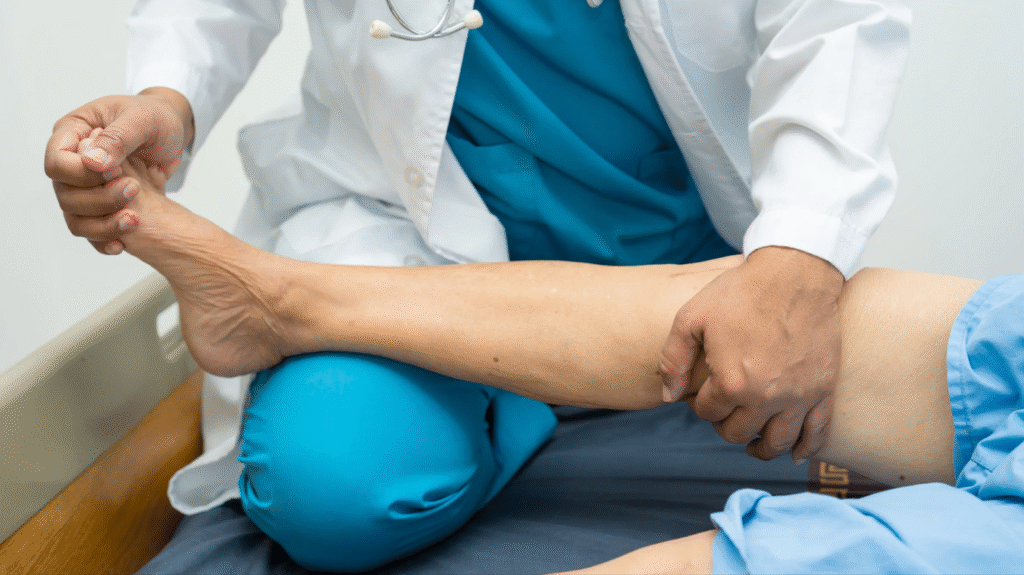
Dhanwanthari centers and institutions typically represent systematic, research-based approaches to Ayurvedic medicine, offering comprehensive treatment protocols that have been refined through decades of clinical experience and often supported by modern research methodologies.
Comprehensive Assessment and Diagnosis
Dhanwanthari institutions typically employ thorough diagnostic procedures that combine traditional Ayurvedic assessment methods with modern diagnostic tools. The initial evaluation often includes detailed consultation examining patient history, constitutional assessment (Prakriti and Vikriti), pulse diagnosis (Nadi Pariksha), physical examination of affected joints, and often imaging studies to assess the extent of joint damage.
This comprehensive approach ensures accurate diagnosis and helps practitioners develop treatment plans that address both immediate symptoms and underlying constitutional imbalances. The systematic documentation and follow-up protocols often employed by institutional centers allow for precise monitoring of treatment progress and adjustment of therapeutic interventions as needed.
Standardized Treatment Protocols
Dhanwanthari centers often utilize standardized treatment protocols that have been developed and refined through extensive clinical experience. These protocols typically include specific combinations of internal medicines, external therapies, dietary recommendations, and lifestyle modifications that have proven effective for different types and stages of knee pain.
The standardization ensures consistency in treatment quality while allowing for individual modifications based on specific patient needs. These centers often have access to high-quality herbal medicines, standardized formulations, and specialized equipment for advanced therapies that may not be readily available in smaller practices.
Advanced Panchakarma Therapies
Institutional Dhanwanthari centers typically offer comprehensive Panchakarma programs that may include specialized treatments like Janu Basti (localized oil pooling around the knee), Abhyanga (whole-body oil massage), Swedana (herbal steam therapy), and internal purification procedures like Virechana (therapeutic purgation) when appropriate.
These centers often have dedicated facilities for Panchakarma treatments, trained technicians, and the infrastructure necessary to provide intensive treatment programs that may span several weeks. The systematic approach to detoxification and rejuvenation can provide significant benefits for chronic knee pain conditions that haven’t responded adequately to simpler interventions.
Research Integration and Modern Facilities
Many Dhanwanthari institutions integrate traditional Ayurvedic knowledge with modern research findings, utilizing evidence-based approaches to treatment selection and outcome measurement. This integration often results in more precise treatment protocols and better documentation of therapeutic outcomes.
The facilities at institutional centers typically include modern amenities, hygienic treatment environments, and often accommodation facilities for patients undergoing intensive treatment programs. This infrastructure can be particularly valuable for patients with severe knee pain who require comprehensive care and monitoring during treatment.
Local Jammu Ayurvedic Care Advantages
Local Ayurvedic practitioners in Jammu bring unique strengths to knee pain treatment that often complement or sometimes exceed the benefits offered by larger institutional centers. Understanding these advantages helps patients appreciate the value of community-based traditional healing approaches.
Personalized Attention and Traditional Wisdom
Local practitioners often provide highly personalized care with extended consultation times, detailed attention to individual symptoms and concerns, and treatment approaches that are tailored specifically to each patient’s unique circumstances. This personalized attention allows for nuanced modifications of treatment protocols based on patient response and changing symptoms.
Many local practitioners bring generations of family healing wisdom, with treatment approaches that have been refined through decades or centuries of clinical experience within specific regional contexts. This traditional knowledge often includes insights into local herb preparations, seasonal treatment modifications, and cultural factors that influence healing processes.
Regional Constitutional Understanding
Practitioners in Jammu often have deep understanding of regional constitutional patterns, climate-related health influences, and seasonal variations that affect knee pain symptoms. This regional expertise allows for treatment modifications that account for local environmental factors, seasonal changes, and population-specific health patterns.
The understanding of how Jammu’s climate, altitude, and seasonal variations affect different constitutional types enables local practitioners to provide recommendations that are specifically relevant to the regional environment and lifestyle patterns.
Accessibility and Continuity of Care
Local practitioners offer significant advantages in terms of accessibility, allowing for regular follow-up visits, immediate consultation for symptom changes, and ongoing monitoring of treatment progress. This accessibility is particularly valuable for elderly patients or those with limited mobility due to severe knee pain.
The continuity of care provided by local practitioners often results in deep understanding of individual patient patterns, family health histories, and long-term treatment outcomes that can inform ongoing care decisions and preventive strategies.
Cost-Effectiveness and Community Integration
Local Ayurvedic care is often more cost-effective than institutional treatments, making comprehensive Ayurvedic care accessible to broader segments of the population. The integration of practitioners within local communities also provides social support and cultural familiarity that can enhance treatment compliance and outcomes.
Community-based practitioners often understand local dietary patterns, lifestyle factors, and social circumstances that influence health outcomes, allowing for recommendations that are practical and sustainable within patients’ daily lives.
Comparative Treatment Approaches
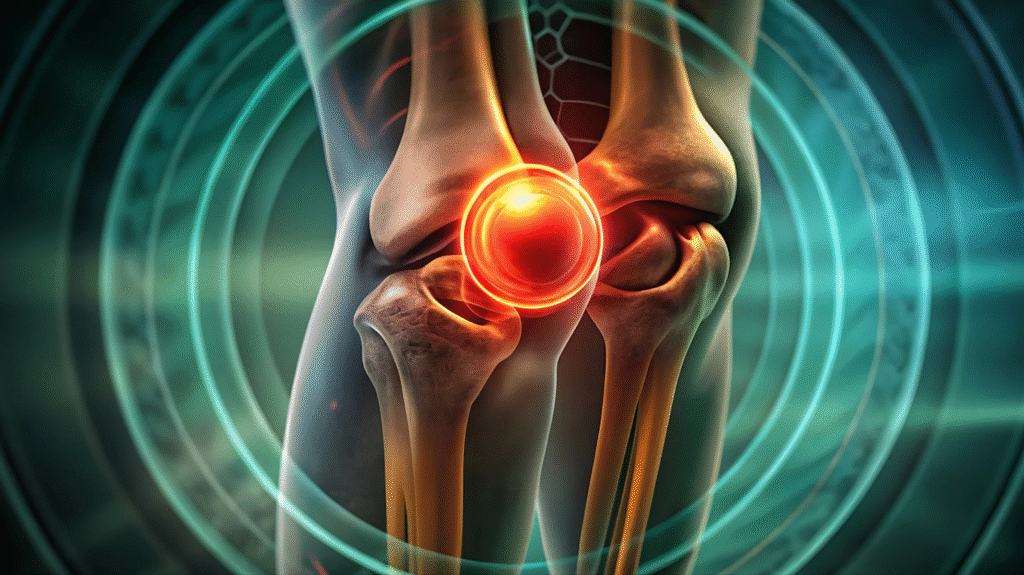
Understanding the specific treatment approaches utilized by Dhanwanthari institutions versus local Jammu practitioners helps patients make informed decisions about their care while recognizing that both approaches have distinct advantages for different types of patients and conditions.
Internal Medicine Protocols
Dhanwanthari centers typically utilize standardized herbal formulations that have been prepared according to classical Ayurvedic texts and often manufactured under controlled conditions with quality assurance protocols. Common formulations for knee pain include Yogaraja Guggulu, Maharasnadi Kashayam, and Sahacharadi Kashayam, often prescribed in specific dosages and combinations.
Local practitioners may utilize similar classical formulations but often prepare customized herbal combinations based on individual patient assessment and regional herb availability. They may also use locally sourced herbs and traditional preparation methods that have been passed down through generations.
External Therapy Variations
Both approaches typically utilize external therapies, but the specific techniques and preparations may vary significantly. Dhanwanthari centers often use standardized oil preparations and systematic therapy protocols, while local practitioners may employ family-specific oil preparations, regional herb combinations, and treatment techniques that reflect local healing traditions.
The infrastructure differences also influence therapy delivery – institutional centers may have specialized equipment and facilities, while local practitioners often provide treatments in more intimate, home-like environments that some patients find more comfortable and less intimidating.
Dietary and Lifestyle Recommendations
Dhanwanthari institutions typically provide comprehensive dietary guidelines based on classical Ayurvedic principles, often supported by printed materials and systematic education programs. Local practitioners may provide similar nutritional guidance but often emphasize locally available foods, traditional cooking methods, and dietary modifications that are practical within regional cultural contexts.
The lifestyle recommendations from both approaches generally align with Ayurvedic principles but may differ in their specific applications based on the practitioner’s understanding of local lifestyle patterns and individual patient circumstances.
Treatment Outcomes and Patient Experiences
Evaluating the effectiveness of different treatment approaches requires considering both objective health improvements and subjective patient experiences, as both factors contribute to overall treatment success and patient satisfaction.
Acute vs. Chronic Knee Pain Management
For acute knee pain conditions, both Dhanwanthari and local approaches can be highly effective, though they may achieve results through different mechanisms. Institutional centers may provide intensive treatment programs that can rapidly address acute inflammatory conditions, while local practitioners may offer more gradual but sustainable approaches that prevent recurrence.
Chronic knee pain often requires long-term management strategies where local practitioners may have advantages in providing ongoing support, monitoring, and treatment adjustments. However, severe chronic conditions may benefit from the intensive protocols and advanced facilities available at Dhanwanthari institutions.
Patient Satisfaction Factors
Patient satisfaction often depends on individual preferences, treatment expectations, and personal circumstances. Some patients prefer the systematic, research-based approaches of institutional centers, while others value the personal attention and traditional wisdom of local practitioners.
Factors influencing satisfaction include treatment environment preferences, cost considerations, accessibility needs, cultural comfort levels, and individual responses to different therapeutic approaches. Understanding these factors helps patients choose the approach most likely to meet their specific needs and preferences.
Long-term Joint Health Outcomes
Long-term outcomes for knee pain treatment often depend more on patient compliance with lifestyle recommendations and ongoing preventive care than on the initial treatment approach. Both Dhanwanthari and local practitioners can achieve excellent long-term results when patients maintain recommended dietary habits, exercise routines, and preventive care measures.
The key to long-term success often lies in choosing a treatment approach that the patient can sustain over time, whether that involves periodic visits to institutional centers for intensive treatments or ongoing care with accessible local practitioners.
Making the Right Choice for Your Knee Pain
Selecting between Dhanwanthari institutional care and local Jammu practitioners requires careful consideration of multiple factors that influence both treatment effectiveness and patient experience.
Severity Assessment
Mild to moderate knee pain may respond well to either approach, giving patients flexibility in choosing based on personal preferences and practical considerations. Severe knee pain with significant functional limitation may benefit from the intensive protocols and advanced facilities available at Dhanwanthari institutions.
Acute conditions often require prompt intervention that may be more readily available through local practitioners, while chronic conditions may benefit from the systematic approaches and long-term programs offered by institutional centers.
Individual Preferences and Circumstances
Personal preferences regarding treatment environment, practitioner interaction style, and therapeutic approaches should strongly influence the decision. Some patients thrive in systematic institutional environments, while others prefer the intimate, personalized attention of local practitioners.
Practical considerations including transportation, time availability, financial resources, and family support systems also play crucial roles in determining the most appropriate treatment approach for individual patients.
Integration and Hybrid Approaches
Many patients find that combining both approaches provides optimal outcomes – utilizing institutional centers for intensive treatments or complex conditions while maintaining ongoing care with accessible local practitioners for monitoring, follow-up, and preventive care.
This integrated approach allows patients to benefit from the strengths of both treatment modalities while ensuring continuity of care and sustainable long-term management of knee health.
Conclusion
Choosing between Dhanwanthari institutional care and local Jammu Ayurvedic practitioners for knee pain is an opportunity, not a limitation. Dhanwanthari institutions offer research-based, standardized treatments and advanced facilities ideal for severe or complex cases. Local practitioners provide personalized care, traditional wisdom, and accessibility, making them valuable for ongoing management and preventive care.
The best outcomes often come from combining both: institutional care for intensive treatment and local care for long-term management. Success in Ayurvedic knee care also depends on lifestyle, diet, and preventive practices. By making informed choices, patients can benefit from Jammu’s rich Ayurvedic tradition and achieve lasting joint health.