
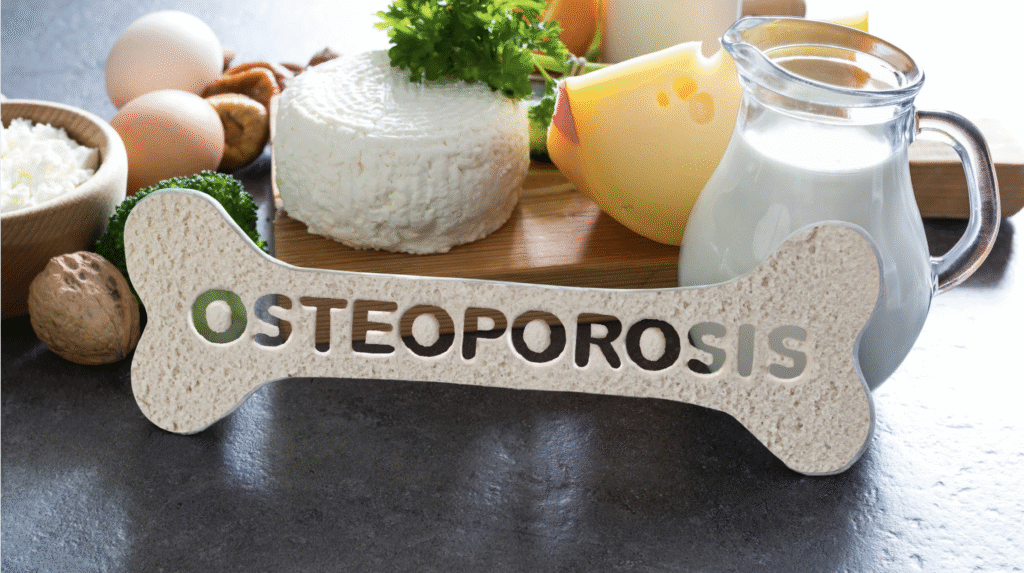
Osteoporosis, characterized by weakened bones and increased fracture risk, is a prevalent condition, particularly among postmenopausal women and the elderly. While conventional medicine offers various treatments, Ayurveda provides a holistic approach that addresses the root causes of the disease, focusing on restoring balance within the body. This comprehensive guide delves into the Ayurvedic perspective on osteoporosis, exploring its causes, diagnostic methods, treatment options, and lifestyle recommendations.
Understanding Osteoporosis in Ayurveda
In Ayurveda, osteoporosis is primarily associated with an imbalance in the Vata dosha, which governs movement and structure in the body. The condition is referred to as “Asthigata” or “Asthishaya,” indicating a depletion or weakening of the bones (Asthi Dhatu). According to Ayurvedic principles, bones are considered the supporting structure of the body and are governed by the Vata dosha, making them susceptible to dryness, brittleness, and deterioration when this dosha becomes imbalanced.
The Asthi Dhatu (bone tissue) is one of the seven fundamental tissues (Sapta Dhatus) in Ayurveda. When the formation and nourishment of this tissue become compromised, it leads to various bone-related disorders, including osteoporosis. The condition typically manifests when there is insufficient nourishment reaching the bone tissue or when the metabolic processes governing bone formation become disrupted.
Primary Causes According to Ayurveda
Vata Aggravation: Excessive Vata leads to dryness and brittleness of bones. This can occur due to aging, irregular lifestyle, excessive physical activity, or emotional stress. When Vata increases, it creates micro-channels in the bones, making them porous and weak.
Poor Digestion (Agni Dhatukshaya): Impaired digestion results in the formation of Ama (toxins), which accumulate in the bones and interfere with proper nutrient absorption. When the digestive fire (Agni) is weak, the body cannot effectively process and utilize nutrients essential for bone health.
Nutrient Deficiency: Inadequate intake of essential nutrients weakens the bones. This includes deficiencies in calcium, vitamin D, magnesium, and other minerals crucial for bone formation and maintenance.
Hormonal Imbalance: Particularly in postmenopausal women, decreased estrogen levels contribute to bone loss. Ayurveda views this as a natural transition that requires proper support and management to prevent excessive bone deterioration.
Chronic Stress and Mental Factors: Prolonged stress and anxiety increase Vata dosha, which directly impacts bone health. Mental factors like worry, fear, and overexertion can accelerate bone loss.
Genetic Predisposition (Beeja Dosha): Some individuals may have a constitutional tendency toward bone weakness due to genetic factors, which Ayurveda terms as Beeja Dosha or seed defects.
Ayurvedic Diagnosis of Osteoporosis
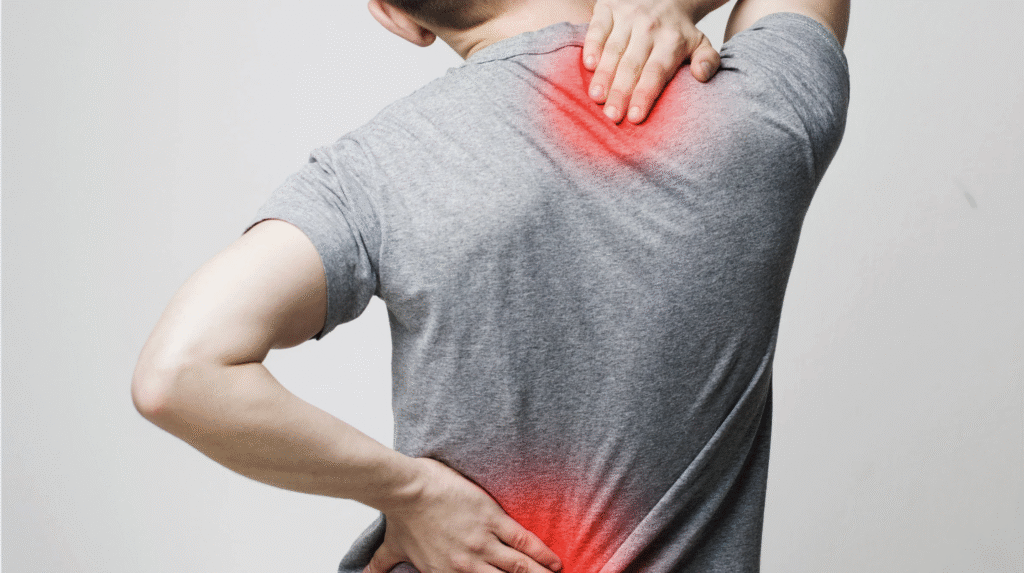
Ayurvedic diagnosis involves a comprehensive assessment that goes beyond modern diagnostic tools to understand the complete picture of an individual’s health status. The diagnostic approach includes:
Nadi Pariksha (Pulse Examination): This sophisticated diagnostic technique determines the balance of doshas by feeling the pulse at different levels and positions. A trained Ayurvedic physician can detect Vata imbalance and tissue deficiencies through subtle variations in pulse quality.
Jihva Pariksha (Tongue Examination): The tongue serves as a mirror reflecting the state of internal organs and doshas. Assessors look for signs of Ama accumulation, digestive strength, and overall tissue health through tongue color, texture, and coating.
Mala Pariksha (Stool Examination): This evaluation provides insights into digestive health, absorption capacity, and toxin accumulation. The consistency, color, and frequency of elimination help determine the root causes of bone weakness.
Roga Pariksha (Disease Examination): This involves identifying specific symptoms related to bone health, including joint pain, stiffness, crackling sounds, and overall structural weakness.
Prakriti and Vikriti Assessment: Understanding an individual’s constitutional type (Prakriti) and current state of imbalance (Vikriti) helps in formulating personalized treatment strategies.
These diagnostic tools work synergistically to provide a holistic understanding of the patient’s condition, helping practitioners formulate truly personalized treatment plans.
Ayurvedic Treatment Modalities
1. Herbal Formulations
Ayurvedic herbs play a pivotal role in managing osteoporosis through their unique properties and synergistic actions:
Ashwagandha (Withania somnifera): Known for its rejuvenating properties, it strengthens bones and muscles while reducing cortisol levels that can accelerate bone loss. It also enhances calcium absorption and promotes osteoblast activity.
Shatavari (Asparagus racemosus): Particularly beneficial for women, it balances hormonal levels and supports bone health through its phytoestrogenic properties. It also nourishes the reproductive system and helps maintain bone density during menopause.
Arjuna (Terminalia arjuna): Rich in calcium and other minerals, it aids in bone mineralization and strengthens the cardiovascular system, ensuring proper circulation to bone tissues.
Cissus quadrangularis: Known as “bone setter,” this herb promotes bone healing, enhances osteoblast activity, and accelerates fracture repair. It also has anti-inflammatory properties that reduce bone resorption.
Guduchi (Tinospora cordifolia): Boosts immunity, detoxifies the body, and enhances the bioavailability of other herbs. It also has anti-inflammatory properties that support overall bone health.
Laksha (Laccifer lacca): Traditionally used for bone healing, it provides essential minerals and promotes bone density.
Kapikacchu (Mucuna pruriens): Supports hormonal balance and provides natural L-DOPA, which can help maintain bone health through neurotransmitter balance.
These herbs are often combined in classical formulations like Calci-7, Asthishrnkhala compounds, or Praval Panchamrit, which have shown efficacy in treating osteoporosis in postmenopausal women through clinical studies.
2. Panchakarma Therapies
Panchakarma, a set of five detoxification procedures, is integral to Ayurvedic treatment for osteoporosis:
Virechana (Purgation): Eliminates excess Pitta and toxins while improving digestive capacity. This therapy helps in better nutrient absorption, which is crucial for bone health.
Basti (Medicated Enema): Considered the most effective treatment for Vata disorders, different types of Basti therapies using medicated oils and decoctions directly address bone tissue health and help in removing accumulated waste products.
Abhyanga (Oil Massage): Regular oil massage improves circulation, nourishes tissues, and helps in the absorption of oil-soluble vitamins essential for bone health.
Shirodhara (Oil Pouring on Forehead): Calms the nervous system, reduces stress hormones, and indirectly supports bone health by managing the stress-related component of bone loss.
Swedana (Therapeutic Sweating): Enhances circulation and helps in the elimination of toxins from deep tissues, including bone tissue.
3. Dietary Recommendations
Ayurvedic nutrition for osteoporosis focuses on foods that strengthen Asthi Dhatu and balance Vata dosha:
Calcium-Rich Foods: Include dairy products (preferably organic), leafy greens like spinach and kale, sesame seeds, almonds, and figs. These should be consumed regularly but in appropriate combinations for optimal absorption.
Vitamin D Sources: Adequate sunlight exposure, especially morning sun, along with foods like ghee, fish, and fortified cereals help maintain vitamin D levels essential for calcium absorption.
Anti-Inflammatory Foods: Incorporate turmeric, ginger, garlic, and other spices that reduce inflammation and support overall bone health. These also improve digestion and nutrient absorption.
Healthy Fats: Include ghee, coconut oil, and omega-3 rich foods that support hormone production and reduce inflammation.
Avoid: Excessive salt, caffeine, processed foods, and carbonated beverages that can deplete calcium from bones. Also limit foods that increase Vata, such as dry, cold, and light foods.
4. Lifestyle Modifications
Comprehensive lifestyle changes are essential for effective osteoporosis management:
Regular Exercise: Engage in weight-bearing activities like walking, yoga asanas specifically designed for bone health, and resistance training. Surya Namaskara (Sun Salutations) and specific asanas like Vrikshasana (Tree Pose) are particularly beneficial.
Adequate Sleep: Ensure 7-8 hours of quality sleep as bone regeneration occurs primarily during sleep. Following proper sleep hygiene and maintaining regular sleep-wake cycles is crucial.
Stress Management: Practice meditation, Pranayama (breathing exercises), and other stress-reduction techniques. Chronic stress increases cortisol levels, which accelerate bone loss.
Seasonal Routine (Ritucharya): Adapt lifestyle and diet according to seasonal changes to maintain dosha balance throughout the year.
Daily Routine (Dinacharya): Establish regular daily routines for eating, sleeping, and activities to support overall health and hormone balance.
Integrating Ayurveda with Conventional Treatments
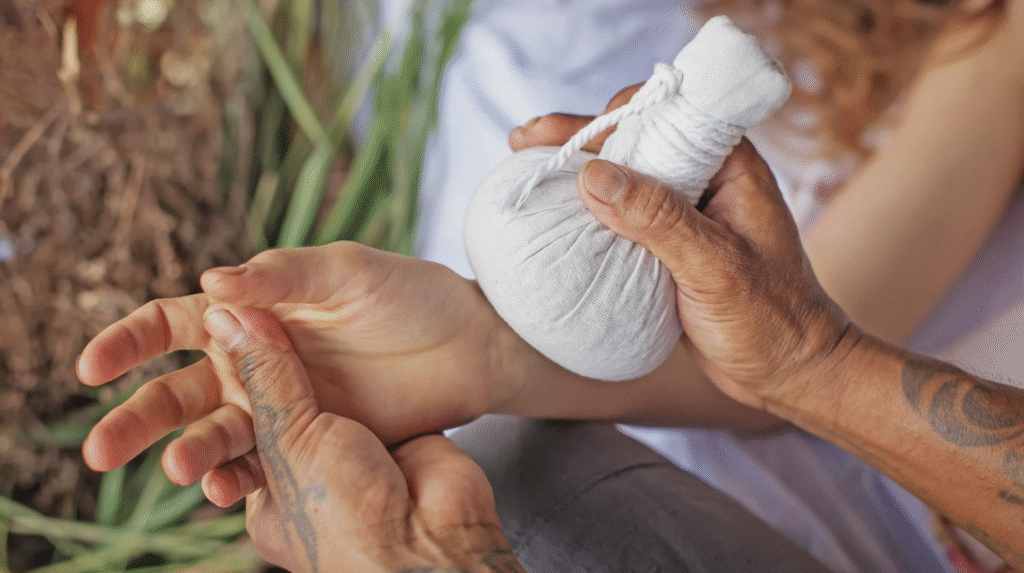
Modern integrative medicine recognizes the value of combining Ayurvedic principles with conventional treatments for comprehensive osteoporosis management:
Calcium and Vitamin D Supplements: These can complement Ayurvedic herbs and dietary recommendations, ensuring adequate nutrient levels for bone health.
Bisphosphonates: Medications like alendronate that inhibit bone resorption can be used alongside Ayurvedic treatments, with proper monitoring for potential interactions.
Hormone Replacement Therapy (HRT): In postmenopausal women, HRT can prevent bone loss while Ayurvedic herbs provide additional support for overall hormonal balance and minimize side effects.
Regular Monitoring: Bone density tests and other conventional diagnostic tools can track progress when combined with traditional Ayurvedic assessment methods.
Prevention and Long-term Management
Ayurveda emphasizes prevention through maintaining balance in daily life. Early intervention with appropriate diet, lifestyle modifications, and herbal support can prevent the development of osteoporosis or slow its progression significantly. The holistic approach addresses not just the bones but the entire system, ensuring sustainable health improvements.
Regular consultation with both Ayurvedic and conventional healthcare providers ensures a balanced, safe, and effective approach to osteoporosis treatment, combining the wisdom of ancient medicine with modern scientific understanding.
Case Studies
- Case Study 1: A 60-year-old woman with osteoporosis underwent Ayurvedic treatment, including herbal formulations and Panchakarma therapies. After six months, bone density improved, and symptoms like joint pain and stiffness reduced.
- Case Study 2: A 55-year-old male with early-stage osteoporosis incorporated dietary changes and regular exercise. Follow-up assessments showed stabilization of bone density and improved mobility.
Frequently Asked Questions
Is Ayurveda effective for treating osteoporosis?
Yes, Ayurveda addresses the root causes of osteoporosis by balancing doshas, strengthening bones, and improving digestion.
Can Ayurvedic treatments be combined with conventional medicine?
Yes, a holistic approach combining both can be beneficial. However, consult healthcare providers before starting any new treatment.
Are there any side effects of Ayurvedic treatments?
When administered by qualified practitioners, Ayurvedic treatments are generally safe. Ensure the authenticity and quality of herbal formulations.
How long does it take to see results?
The duration varies depending on the severity of the condition and individual response to treatment. Some patients report improvement within weeks, while others may take longer.
Can lifestyle changes help in managing osteoporosis?
Yes, adopting a Vata-pacifying lifestyle, including regular exercise, adequate rest, and stress management, can significantly aid in managing osteoporosis symptoms.
Conclusion
Osteoporosis is a multifaceted condition that requires a comprehensive approach for effective management. Ayurveda offers valuable insights and treatments that not only address the symptoms but also focus on restoring balance within the body. By integrating Ayurvedic principles with conventional treatments, individuals can achieve optimal bone health and overall well-being.