
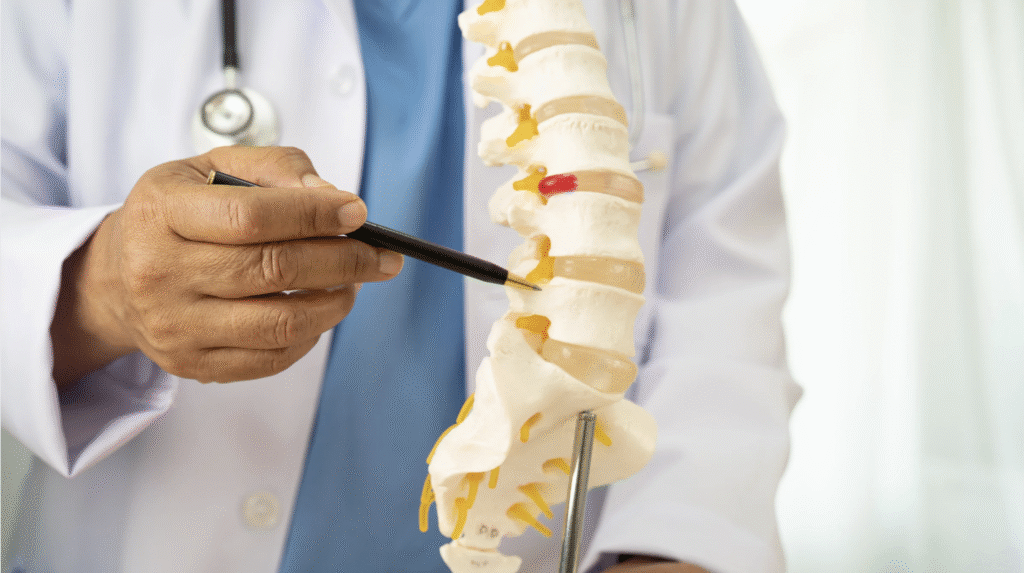
Ankylosing Spondylitis (AS) is a chronic, inflammatory autoimmune disorder primarily affecting the spine and sacroiliac joints, leading to pain, stiffness, and potential fusion of spinal vertebrae. This progressive condition affects millions worldwide, predominantly young males, and can significantly impact quality of life if left untreated.
While conventional treatments focus on symptom management through anti-inflammatory medications and biologics, Ayurveda offers a holistic approach addressing the root causes and promoting overall well-being through natural healing methods.
Understanding Ankylosing Spondylitis
AS is characterized by inflammation of the spinal joints (spondylitis) and the joints connecting the spine to the pelvis (sacroiliitis), causing pain and stiffness, particularly in the lower back and hips. The inflammation typically begins in the sacroiliac joints and gradually progresses up the spine. Over time, this chronic inflammation can lead to the formation of new bone tissue, resulting in the fusion of vertebrae and creating what is commonly described as a “bamboo spine” appearance on X-rays.
The condition follows an unpredictable course, with periods of flare-ups alternating with remission. Early symptoms often include morning stiffness lasting more than 30 minutes, pain that improves with movement, and discomfort that worsens with rest. As the disease progresses, patients may experience reduced spinal flexibility, postural changes, and in severe cases, complete spinal rigidity.
The exact cause remains unknown, but genetic factors, particularly the presence of the HLA-B27 gene, play a significant role. Approximately 90% of individuals with AS carry this genetic marker, though not everyone with HLA-B27 develops the condition. Environmental factors, infections, and immune system dysfunction are also believed to contribute to disease onset and progression.
Beyond spinal involvement, AS can manifest extra-articular symptoms including uveitis (eye inflammation), inflammatory bowel disease, psoriasis, and cardiovascular complications. This systemic nature of the disease underscores the need for comprehensive treatment approaches that address the whole person rather than isolated symptoms.
Ayurvedic Perspective on Ankylosing Spondylitis

1. Dosha Imbalance and Pathogenesis
In Ayurveda, AS is primarily associated with an imbalance in the Vata dosha, which governs movement, circulation, and structural integrity in the body. The condition is often referred to as “Amsavata” or compared to “Gridhrasi” when sciatic involvement occurs. The pathophysiology involves multiple doshas working in complex interactions:
Vata Dosha Predominance: The aggravated Vata dosha creates dryness, stiffness, and irregular movement patterns in the joints. This leads to the characteristic morning stiffness and pain that improves with movement, as movement helps to balance Vata naturally.
Kapha Dosha Involvement: The condition may also involve Kapha dosha, leading to stiffness, heaviness, and accumulation of toxins (Ama) in the joints. The progressive fusion of vertebrae reflects Kapha’s tendency toward solidification and blockage of natural channels (srotas).
Pitta Component: In acute inflammatory phases, Pitta dosha contributes to the heat, swelling, and inflammatory processes characteristic of active disease periods.
2. Accumulation of Ama (Metabolic Toxins)
Ama refers to undigested metabolic waste products resulting from poor digestion and compromised cellular metabolism. In AS, the accumulation of Ama in the joints, particularly around the spine and sacroiliac region, leads to inflammation, pain, and gradual tissue damage. This concept parallels modern understanding of how inflammatory metabolites and immune complexes accumulate in affected joints.
The formation of Ama occurs when the digestive fire (Agni) becomes weakened, leading to incomplete metabolism of food and formation of sticky, toxic substances. These toxins circulate through the body and tend to accumulate in areas of weakness or constitutional vulnerability, in this case, the axial skeleton.
3. Aggravation of Vata and Srotas (Channel) Blockage
The aggravated Vata dosha contributes to the dryness and stiffness observed in AS. This imbalance disrupts the normal function of the joints and connective tissues while also blocking the natural channels (srotas) responsible for nourishing and cleansing the tissues. The blockage of Asthivaha Srotas (bone and joint channels) and Majjavaha Srotas (nervous system channels) contributes to the progressive nature of the disease.
4. Constitutional Factors (Prakriti)
Individuals with Vata-predominant constitutions or those with inherent weakness in the musculoskeletal system (Asthivaha Srotas) may be more susceptible to developing AS. This constitutional predisposition, combined with lifestyle factors that aggravate Vata, creates the foundation for disease manifestation.
Ayurvedic Management of Ankylosing Spondylitis

1. Panchakarma Therapies
Panchakarma, a set of five specialized detoxification procedures, is central to Ayurvedic treatment of AS. These therapies work systematically to eliminate toxins, balance doshas, and rejuvenate the affected tissues:
Snehana (Oleation): This involves the systematic application of medicated oils both internally and externally. Internal oleation prepares the body for deeper detoxification, while external applications include:
- Abhyanga: Full-body massage with warm medicated oils to improve circulation and reduce stiffness
- Kati Basti: Pooling of medicated oil over the lower back region for localized treatment
- Greeva Basti: Oil pooling therapy for neck and cervical spine involvement
- Akshi Tarpana: Specialized eye treatment when uveitis is present
Swedana (Sudation): Therapeutic sweating using various methods helps open the body’s channels and expel deep-seated toxins:
- Bashpa Swedana: Herbal steam therapy to reduce stiffness and improve mobility
- Pinda Swedana: Massage with heated herbal boluses to provide deep tissue therapy
- Kumbhi Swedana: Steam box therapy for systemic detoxification
Basti (Medicated Enema): Considered the most effective treatment for Vata-related disorders, various types of Basti therapies are employed:
- Anuvasana Basti: Oil-based enemas for nourishment and Vata pacification
- Niruha Basti: Decoction-based enemas for deeper cleansing and toxin removal
- Yoga Basti and Kala Basti: Specialized courses combining both types for comprehensive treatment
Virechana (Therapeutic Purgation): Controlled elimination therapy to remove excess Pitta and associated toxins from the body, particularly beneficial during acute inflammatory phases.
Raktamokshana (Bloodletting): Selective removal of vitiated blood to detoxify the system and improve circulation. Modern adaptations include leech therapy and controlled phlebotomy under medical supervision.
2. Specialized Therapies for AS
Kshara Sutra Therapy: In specific cases with complications, this specialized technique may be considered for targeted treatment.
Agnikarma (Therapeutic Cauterization): Carefully applied heat therapy at specific points to improve circulation and reduce pain.
Marma Therapy: Stimulation of vital points to improve energy flow and reduce stiffness.
3. Herbal Formulations
Ayurvedic pharmacology offers numerous herbs and formulations specifically beneficial for AS management:
Primary Anti-inflammatory Herbs:
- Ashwagandha (Withania somnifera): Beyond its anti-inflammatory properties, it acts as an adaptogen, helping the body manage stress and supporting immune system balance. Clinical studies show its effectiveness in reducing inflammatory markers.
- Guggul (Commiphora wightii): Particularly effective in reducing joint inflammation and promoting tissue repair. Its active compounds, guggulsterones, have demonstrated anti-inflammatory and lipid-regulating properties.
- Turmeric (Curcuma longa): Contains curcumin, a potent anti-inflammatory compound that inhibits multiple inflammatory pathways. When combined with piperine (black pepper), its bioavailability increases significantly.
- Boswellia (Boswellia serrata): Contains boswellic acids that specifically target inflammatory enzymes involved in joint inflammation, helping reduce pain and improve mobility.
Immunomodulatory Herbs:
- Giloy (Tinospora cordifolia): Acts as an immunomodulator, helping balance immune responses while detoxifying the body. It’s particularly valuable in autoimmune conditions.
- Guduchi Satva: A concentrated extract of Giloy with enhanced therapeutic properties.
- Manjistha (Rubia cordifolia): Excellent blood purifier that helps remove inflammatory toxins.
Classical Formulations:
- Mahayogaraj Guggulu: Comprehensive formulation for joint disorders with anti-inflammatory and analgesic properties.
- Simhanada Guggulu: Specifically indicated for chronic joint conditions and autoimmune disorders.
- Sahacharadi Kashayam: Decoction for Vata-related joint disorders and stiffness.
- Rasna Saptak Kashaya: Effective in managing chronic joint inflammation and pain.
4. Comprehensive Dietary Recommendations
Ayurvedic nutrition for AS focuses on pacifying aggravated Vata while reducing Ama formation:
Foods to Incorporate:
- Warm, Cooked Foods: Soups, stews, and warm preparations that are easy to digest and don’t aggravate Vata
- Whole Grains: Rice, wheat, oats, and quinoa prepared with digestive spices
- Fresh Vegetables: Cooked vegetables, particularly root vegetables and leafy greens
- Healthy Fats: Ghee, olive oil, and sesame oil to lubricate joints and support nutrient absorption
- Protein Sources: Well-cooked legumes, fish, and lean meats for tissue repair
Therapeutic Spices and Herbs:
- Ginger: Enhances digestion and reduces inflammation
- Garlic: Natural anti-inflammatory with immune-supporting properties
- Turmeric: Daily inclusion for its potent anti-inflammatory effects
- Cumin, Coriander, and Fennel: Digestive spices that prevent Ama formation
- Ajwain (Carom Seeds): Particularly effective for joint pain and stiffness
Foods to Avoid:
- Cold, Dry Foods: Raw salads, cold drinks, and dry snacks that aggravate Vata
- Processed Foods: Packaged foods with preservatives and artificial additives
- Excessive Dairy: While moderate amounts of warm milk are beneficial, excessive cold dairy should be avoided
- Nightshades: Tomatoes, potatoes, eggplant, and peppers may increase inflammation in sensitive individuals
- Refined Sugars and Caffeine: These can increase inflammatory processes and disturb Vata
5. Lifestyle Modifications and Holistic Practices
Adopting a comprehensive Vata-pacifying lifestyle is crucial for long-term AS management:
Exercise and Physical Therapy:
- Yoga: Specific asanas like Bhujangasana (Cobra), Marjarisana (Cat-Cow), and gentle backbends to maintain spinal flexibility
- Swimming: Excellent low-impact exercise that provides resistance without joint stress
- Walking: Regular gentle walking, especially in natural environments
- Physiotherapy: Integration with conventional physiotherapy for optimal results
Sleep and Rest Management:
- Adequate Sleep: 7-8 hours of quality sleep in a comfortable, supportive bed
- Sleep Hygiene: Regular sleep-wake cycles aligned with natural circadian rhythms
- Afternoon Rest: Short rest periods during Pitta time (10 AM – 2 PM) when possible
Stress Management and Mental Health:
- Meditation: Regular practice of mindfulness or mantra meditation to reduce stress-induced inflammation
- Pranayama: Breathing exercises like Nadi Shodhana (Alternate Nostril Breathing) and Ujjayi to balance the nervous system
- Counseling Support: Professional support for managing chronic illness and lifestyle adaptations
Seasonal Adaptations (Ritucharya):
- Winter Care: Extra attention to staying warm and maintaining regular routines during Vata season
- Monsoon Precautions: Avoiding dampness and maintaining digestive strength during Kapha-aggravating seasons
- Summer Modifications: Protecting against excessive heat while maintaining moderate activity levels
Integration with Conventional Medicine
Modern integrative approaches recognize the value of combining Ayurvedic principles with conventional AS treatments:
Medication Compatibility: Most Ayurvedic herbs can safely complement conventional treatments like NSAIDs, DMARDs, and biologics, though proper medical supervision is essential to monitor for interactions.
Monitoring and Assessment: Regular medical monitoring through inflammatory markers (ESR, CRP), imaging studies, and functional assessments can track progress when combined with traditional Ayurvedic evaluation methods.
Collaborative Care: Working with both rheumatologists and qualified Ayurvedic practitioners ensures comprehensive care that addresses both symptom management and underlying constitutional imbalances.
Preventive Focus: While conventional medicine excels at managing acute symptoms, Ayurveda’s preventive approach helps reduce flare frequency and maintain long-term stability.
Long-term Management and Prevention
Ayurvedic management of AS emphasizes sustainable lifestyle changes that prevent disease progression while maintaining quality of life. The holistic approach addresses not just the physical symptoms but also the emotional and spiritual aspects of living with a chronic condition. Regular seasonal detoxification, adherence to constitutional guidelines, and proactive stress management create a foundation for optimal long-term outcomes.
Success in Ayurvedic AS management requires patience, consistency, and a commitment to comprehensive lifestyle changes. When properly implemented under qualified guidance, this ancient system of medicine offers hope for improved mobility, reduced pain, and enhanced overall well-being for individuals living with Ankylosing Spondylitis.
Case Studies and Clinical Evidence
Case Study 1: Integrative Approach
A 25-year-old male with AS underwent a combination of Ayurvedic therapies, including Patrapinda Swedana and Erandamooladi Basti, along with Shamana therapy for 16 days. Post-treatment assessments indicated significant improvement in disease activity and quality of life parameters.
Case Study 2: Herbo-Mineral Intervention
A study demonstrated that Ayurvedic herbo-mineral medicines led to a reduction in pain, decreased severity of deformities, and improved quality of life in AS patients. However, larger sample sizes are needed for confirmation.
Case Study 3: Panchakarma Efficacy
A clinical study found that Panchakarma procedures, combined with Ayurvedic drugs, effectively managed AS symptoms, providing relief from pain and stiffness.
Frequently Asked Questions (FAQs)
Is Ayurveda effective for treating AS?
Yes, Ayurveda offers a holistic approach to managing AS by addressing the root causes, balancing doshas, and promoting overall well-being.
Can Ayurvedic treatments be combined with conventional medicine?
Ayurvedic treatments can complement conventional medicine. However, it’s essential to consult with healthcare providers before combining therapies.
Are there any side effects of Ayurvedic treatments?
When administered by qualified practitioners, Ayurvedic treatments are generally safe. It’s crucial to ensure the authenticity and quality of herbal formulations.
How long does it take to see results?
The duration varies depending on the severity of the condition and individual response to treatment. Some patients report improvement within weeks, while others may take longer.
Can lifestyle changes help in managing AS?
Yes, adopting a Vata-pacifying lifestyle, including regular exercise, adequate rest, and stress management, can significantly aid in managing AS symptoms.
Lifestyle and Home Remedies
- Yoga: Specific poses like Cobra Pose and Child’s Pose can enhance spinal flexibility and reduce stiffness.
- Massage Therapy: Gentle massage can alleviate pain and improve function. However, aggressive techniques should be avoided to prevent potential harm.
- Heat Therapy: Applying heat to affected areas can reduce pain and stiffness.
- Dietary Adjustments: Incorporate anti-inflammatory foods and avoid those that may exacerbate symptoms.
Conclusion
Ankylosing Spondylitis is a challenging condition, but Ayurveda provides a comprehensive approach to its management. By addressing the root causes, balancing doshas, and promoting overall well-being, Ayurvedic treatments can offer significant relief and improve the quality of life for individuals with AS.