
Slip disc, medically known as lumbar disc herniation or prolapsed intervertebral disc, affects millions of people worldwide, causing debilitating pain, reduced mobility, and significant impact on quality of life.
While modern medicine often focuses on pain management, physical therapy, and surgical interventions, Ayurveda offers a comprehensive approach that addresses the root causes of disc problems through therapeutic nutrition, with ghee playing a particularly crucial role in the healing process.
In Ayurvedic understanding, slip disc is primarily a manifestation of aggravated Vata dosha, which governs movement, circulation, and nervous system function.
When Vata becomes imbalanced due to factors like improper posture, excessive physical strain, poor nutrition, or stress, it can lead to degeneration of spinal tissues, reduced lubrication between vertebrae, and the characteristic pain and stiffness associated with disc problems.
The traditional Ayurvedic approach to slip disc recovery emphasizes the powerful role of therapeutic foods, particularly ghee (clarified butter), in nourishing spinal tissues, reducing inflammation, and supporting the body’s natural healing mechanisms. This ancient wisdom recognizes that proper nutrition is not merely supportive care but forms the foundation of effective treatment for musculoskeletal disorders.
Understanding how specific foods and ghee contribute to disc healing requires exploring the fundamental Ayurvedic principles that govern tissue health, the unique properties of ghee that make it therapeutic for spinal conditions, and practical dietary strategies that can accelerate recovery while preventing recurrence of disc problems.
Understanding Slip Disc from Ayurvedic Perspective
Ayurveda views slip disc through the lens of dosha imbalance, tissue health, and digestive fire (Agni), providing a framework that explains both why disc problems develop and how they can be effectively treated through nutritional therapy.
Vata Dosha and Spinal Health
In Ayurvedic physiology, Vata dosha is responsible for all movement in the body, including the subtle movements that occur within spinal joints during daily activities. When Vata becomes aggravated due to factors like irregular lifestyle, excessive travel, poor posture, or inadequate nutrition, it begins to create dryness and rigidity in spinal tissues.
The intervertebral discs, which serve as shock absorbers between vertebrae, require adequate moisture and flexibility to function properly. Aggravated Vata reduces the natural lubrication of these discs, making them more susceptible to compression, bulging, or herniation under normal mechanical stress.
This explains why many people with slip disc report that their symptoms worsen in cold, dry weather or during periods of high stress – both conditions that naturally increase Vata.
Tissue Degeneration and Ama Formation
Ayurveda recognizes that chronic disc problems often involve a combination of tissue degeneration (Dhatu Kshaya) and accumulation of metabolic toxins (Ama). Poor digestion, irregular eating habits, and consumption of difficult-to-digest foods can lead to Ama formation, which circulates throughout the body and settles in vulnerable areas like spinal joints.
When Ama accumulates around spinal discs, it interferes with normal nutrient delivery to these tissues while creating localized inflammation. This toxic accumulation, combined with Vata-induced dryness, creates ideal conditions for disc degeneration and herniation. Understanding this process highlights why dietary intervention is so crucial for effective slip disc treatment.
The Role of Ojas in Spinal Health
Ojas, often described as the essence of immunity and vitality, plays a crucial role in maintaining spinal health. Strong Ojas ensures robust tissue repair mechanisms, adequate lubrication of joints, and resistance to degenerative changes. Factors that deplete Ojas – such as chronic stress, poor nutrition, excessive physical or mental strain, and irregular lifestyle – directly contribute to spinal vulnerability.
Foods that enhance Ojas, particularly ghee and other nourishing substances, therefore play a therapeutic role in slip disc recovery by supporting the body’s innate healing capacity and providing the raw materials necessary for tissue repair and regeneration.
The Therapeutic Properties of Ghee for Slip Disc

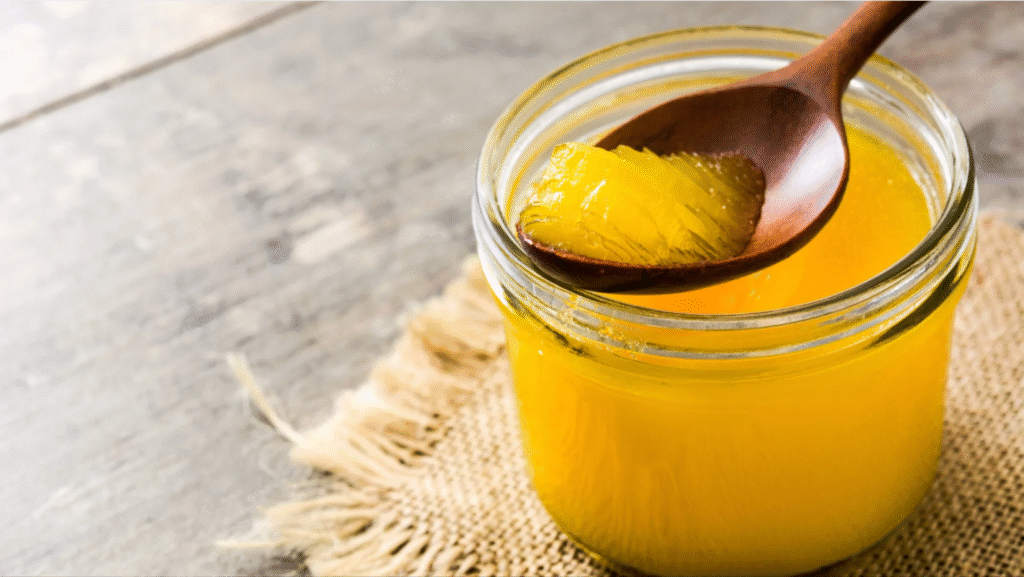
Ghee holds a unique position in Ayurvedic medicine as one of the most powerful therapeutic foods, particularly for conditions involving Vata imbalance and tissue degeneration. Its specific properties make it exceptionally valuable for slip disc recovery.
Vata Pacifying Qualities
Ghee possesses inherent qualities that directly counteract aggravated Vata dosha. Its unctuous (snigdha) nature provides the lubrication that Vata-affected tissues desperately need. Unlike other oils, ghee has the unique ability to penetrate deep into tissues, carrying nutrients and moisture to areas that are difficult to reach through other means.
The warming (ushna) quality of ghee helps balance Vata’s cold nature, while its heavy (guru) and stable (sthira) qualities counteract Vata’s light and mobile characteristics. These opposing qualities make ghee an ideal therapeutic substance for restoring balance in Vata-related spinal conditions.
Enhancing Nutrient Absorption
One of ghee’s most remarkable properties is its ability to enhance the absorption and assimilation of other nutrients. This quality, known as Yogavahi in Ayurveda, means that ghee acts as a carrier medium, helping transport therapeutic compounds to target tissues more effectively than they could reach on their own.
For slip disc patients, this property is particularly valuable because spinal discs have limited blood supply, making nutrient delivery challenging under normal circumstances. Ghee’s ability to enhance nutrient absorption ensures that therapeutic foods and herbs reach spinal tissues more efficiently, accelerating the healing process.
Anti-inflammatory and Tissue Regenerative Properties
Modern research has confirmed many of ghee’s traditional therapeutic claims, including its anti-inflammatory properties. Ghee contains butyric acid and other short-chain fatty acids that have been shown to reduce inflammatory markers and support tissue healing. These compounds help calm the inflammatory responses often associated with disc herniation while providing the building blocks necessary for tissue repair.
The presence of fat-soluble vitamins A, D, E, and K in ghee supports various aspects of tissue health, from collagen synthesis to calcium metabolism – both crucial for maintaining healthy spinal structures.
Promoting Ojas and Vitality
Ghee is considered one of the most powerful Ojas-enhancing foods in Ayurveda. Regular consumption of appropriate amounts of high-quality ghee helps build the deep immunity and vitality that supports long-term spinal health.
This Ojas-building property explains why many people report not just pain relief but improved overall energy and resilience when incorporating therapeutic amounts of ghee into their slip disc recovery protocol.
Ayurvedic Dietary Principles for Slip Disc Recovery
Successful slip disc recovery through Ayurvedic nutrition involves understanding and applying specific dietary principles that support tissue healing while preventing further aggravation of underlying imbalances.
Balancing Agni (Digestive Fire)
Strong digestive fire is fundamental to slip disc recovery because it prevents Ama formation while ensuring optimal nutrient absorption. Foods that kindle Agni without aggravating Vata are particularly valuable. These include warm, cooked foods seasoned with digestive spices like ginger, cumin, and coriander.
The timing of meals also affects Agni. Eating the largest meal at midday when digestive fire is naturally strongest, while keeping breakfast and dinner lighter, supports optimal digestion and prevents Ama formation. Irregular eating patterns, skipping meals, or eating large meals late at night can significantly impair Agni and hinder the healing process.
Emphasizing Warm, Moist Foods
Cold, dry foods directly aggravate Vata and should be minimized during slip disc recovery. Instead, emphasize warm, freshly cooked foods that provide the moisture and warmth needed to balance Vata dosha. Soups, stews, cooked grains, and warm milk preparations are particularly beneficial.
Raw salads, cold beverages, leftover foods, and frozen items should be avoided as they increase Vata and can slow the healing process. Even beneficial foods like fruits are better consumed at room temperature or lightly cooked rather than cold from the refrigerator.
Incorporating Therapeutic Spices
Specific spices play crucial roles in slip disc recovery by reducing inflammation, improving circulation, and supporting tissue healing. Turmeric, with its powerful anti-inflammatory compounds, should be included daily, often combined with a pinch of black pepper and ghee to enhance absorption.
Ginger supports digestion while providing anti-inflammatory benefits. Asafoetida (hing) is particularly valuable for Vata-related conditions, helping to reduce spasms and improve circulation. Fenugreek seeds, when soaked and cooked, provide mucilaginous compounds that support tissue healing and lubrication.
Specific Foods for Slip Disc Healing
Certain foods have particular therapeutic value for slip disc recovery based on their ability to nourish spinal tissues, reduce inflammation, and support overall healing.
Milk and Dairy Products
Warm milk, especially when combined with turmeric and ghee, provides calcium and proteins necessary for tissue repair while delivering anti-inflammatory compounds directly to affected areas. The combination of milk’s cooling nature with warming spices creates a balanced therapeutic preparation that nourishes without aggravating any dosha.
Fresh, soft cheeses and cultured dairy products like lassi (when made fresh) provide probiotics that support digestive health while delivering easily absorbed proteins and fats needed for tissue regeneration.
Nourishing Grains and Legumes
Rice, particularly basmati rice, is considered ideal for Vata conditions due to its easy digestibility and nourishing properties. Wheat, when properly prepared as fresh chapati or cooked preparations, provides sustained energy and B-vitamins crucial for nervous system health.
Among legumes, mung dal (split yellow mung beans) is particularly valuable as it’s easy to digest while providing high-quality protein needed for tissue repair. Red lentils and well-cooked, spiced preparations of other legumes can also support healing when prepared properly.
Therapeutic Nuts and Seeds
Almonds, especially when soaked overnight and peeled, provide healthy fats, protein, and vitamin E that support nerve health and tissue repair. Sesame seeds, rich in calcium and healthy oils, can be particularly beneficial when ground fresh and added to warm preparations.
Walnuts, despite their heating nature, can be valuable in small quantities for their omega-3 fatty acids, which support anti-inflammatory processes and nerve health.
Healing Vegetables
Cooked root vegetables like sweet potatoes, carrots, and beets provide grounding energy that helps balance Vata while supplying nutrients needed for tissue health. Leafy greens, when cooked with appropriate spices and ghee, provide minerals and vitamins crucial for bone and nerve health.
Okra, with its naturally mucilaginous properties, supports tissue lubrication and healing. Asparagus is particularly valued in Ayurveda for its ability to strengthen and nourish nervous system tissues.
Practical Dietary Protocols for Recovery
Implementing Ayurvedic dietary principles for slip disc recovery requires specific protocols that can be adapted to individual constitution and current condition severity.
Morning Routine and Breakfast
Begin each day with warm water, optionally with a small amount of ghee and a pinch of rock salt, to kindle digestive fire and support elimination. This simple preparation helps clear accumulated toxins while preparing the digestive system for the day’s nutrition.
Breakfast should be warm and nourishing but not heavy. Options include cooked oats with ghee, nuts, and warming spices; upma (semolina preparation) with vegetables and ghee; or warm milk with dates and almonds. The key is choosing easily digestible foods that provide sustained energy without creating digestive burden.
Therapeutic Lunch Preparations
Lunch, being the main meal when digestive fire is strongest, should include therapeutic preparations specifically designed for slip disc recovery. A typical healing lunch might include basmati rice cooked with ghee and digestive spices, dal prepared with turmeric and asafoetida, sautéed vegetables cooked in ghee with therapeutic spices, and a small amount of fresh pickle or chutney to stimulate digestion.
Including a small cup of warm buttermilk with roasted cumin and coriander can aid digestion while providing probiotics and easily absorbed nutrients.
Evening and Dinner Guidelines
Dinner should be lighter and eaten at least three hours before bedtime to prevent digestive burden that can interfere with healing during sleep. Warm soups, khichdi (rice and lentil preparation), or light vegetable preparations are ideal choices.
A cup of warm milk with a teaspoon of ghee, a pinch of turmeric, and a small amount of natural sweetener like dates or jaggery can be consumed an hour before bed. This preparation provides nutrients for overnight tissue repair while promoting restful sleep.
Therapeutic Ghee Preparations
Specific ghee preparations can be used therapeutically for slip disc recovery. Triphala ghee, prepared by processing ghee with Triphala herbs, supports detoxification while providing tissue nourishment. Brahmi ghee enhances nervous system health and can be particularly beneficial for nerve-related symptoms.
For daily use, medicated ghee can be prepared by gently heating ghee with therapeutic spices like turmeric, ginger, and black pepper, straining, and using small amounts with meals.
Foods to Avoid During Recovery
Understanding which foods to avoid is equally important for successful slip disc recovery, as certain foods can directly aggravate the underlying imbalances that contribute to disc problems.
Cold and Raw Foods
Ice cream, cold beverages, raw salads, and refrigerated foods should be strictly avoided as they directly increase Vata and can worsen stiffness and pain. Even beneficial foods like fruits are better consumed at room temperature or lightly cooked.
Processed and Packaged Foods
Packaged foods, fast foods, and processed items often contain preservatives and artificial ingredients that can contribute to Ama formation while providing poor nutritional value. These foods also tend to be high in refined sugars and unhealthy fats that can increase inflammation.
Difficult-to-Digest Items
Heavy, oily foods that are difficult to digest can create Ama and burden the digestive system, diverting energy away from healing processes. This includes deep-fried foods, rich gravies, and excessive amounts of nuts or seeds.
Stimulants and Irritants
Excessive caffeine, alcohol, and spicy foods can aggravate Vata and Pitta while interfering with proper digestion and sleep – both crucial for healing. If coffee is consumed, it should be in small amounts, preferably with milk and consumed with food rather than on an empty stomach.
Integrating Diet with Other Ayurvedic Therapies
While dietary therapy forms the foundation of Ayurvedic slip disc treatment, it works most effectively when integrated with other therapeutic modalities that address different aspects of the healing process.
Herbal Support
Specific herbs complement dietary therapy by providing concentrated therapeutic compounds that support tissue healing and pain relief. Herbs like Guggulu, Shallaki (Boswellia), and Rasna can be taken with ghee or warm milk to enhance their absorption and effectiveness.
The timing of herbal medicines should coordinate with meals to optimize absorption while preventing digestive disturbance. Generally, herbs are most effective when taken with or immediately after meals that contain appropriate amounts of ghee or other healthy fats.
Oil Therapy and External Treatments
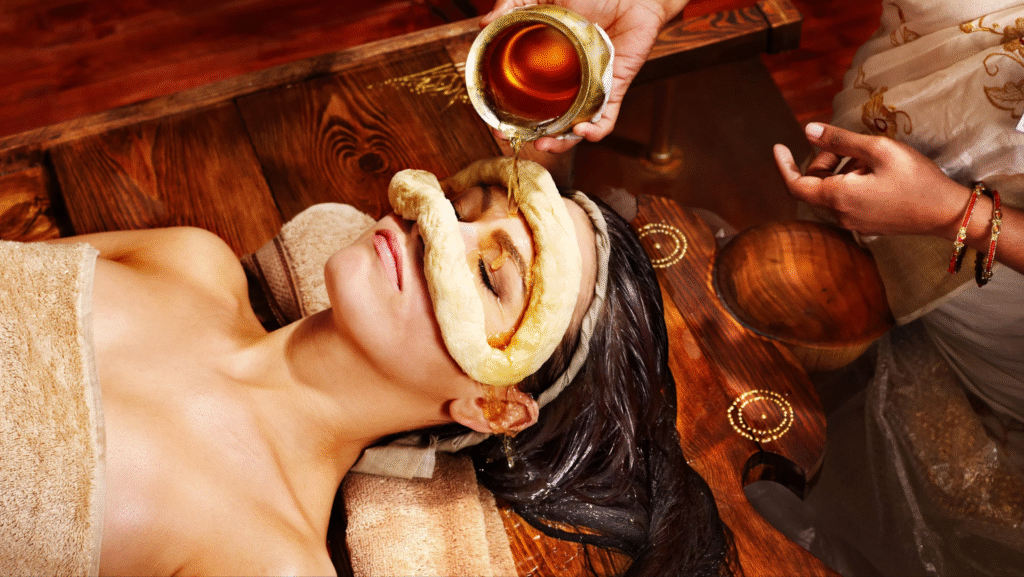
External oil therapies like Abhyanga (warm oil massage) and Kati Basti (localized oil treatment for the lower back) work synergistically with dietary therapy. The internal lubrication provided by ghee and therapeutic foods enhances the effectiveness of external oil treatments, creating comprehensive tissue nourishment.
Lifestyle Integration
Dietary changes must be supported by appropriate lifestyle modifications to maximize healing potential. Regular, gentle exercise that doesn’t aggravate the condition, proper sleep schedule, stress management, and maintaining regular meal times all contribute to the overall effectiveness of nutritional therapy.
Long-term Dietary Maintenance
Successful slip disc recovery through Ayurvedic nutrition requires understanding that dietary modifications may need to continue long-term to prevent recurrence and maintain spinal health.
Constitutional Considerations
Individual constitution (Prakriti) influences both susceptibility to disc problems and optimal dietary choices for long-term maintenance. People with Vata-predominant constitutions may need to maintain more consistent attention to Vata-pacifying foods even after recovery, while those with different constitutional types may have more flexibility once healing is complete.
Seasonal Adjustments
Dietary needs change with seasons, particularly for those recovering from Vata-related conditions like slip disc. During cold, dry seasons, increased amounts of ghee and warming foods may be necessary to maintain spinal health, while hot seasons might require lighter preparations with cooling spices.
Preventive Nutrition
Long-term spinal health requires ongoing attention to digestive health, regular consumption of tissue-nourishing foods like ghee, and avoidance of foods that create Ama or aggravate Vata. This doesn’t mean strict dietary restrictions forever, but rather developing awareness of how different foods affect individual spinal health and making conscious choices accordingly.
Conclusion
The role of ghee and therapeutic foods in Ayurvedic slip disc recovery extends far beyond simple nutrition. These ancient principles recognize that proper dietary therapy can address the fundamental imbalances that contribute to disc problems while providing the specific nutrients and therapeutic compounds necessary for tissue healing and regeneration.
Ghee’s unique properties – its ability to pacify Vata, enhance nutrient absorption, reduce inflammation, and build Ojas – make it an invaluable therapeutic tool for slip disc recovery.
When combined with other appropriate foods and eating practices based on Ayurvedic principles, ghee becomes part of a comprehensive healing protocol that addresses both symptoms and root causes.
The success of Ayurvedic dietary therapy for slip disc requires understanding that food is medicine, and like any medicine, it must be used appropriately, consistently, and with proper knowledge. The warm, nourishing, easily digestible foods emphasized in Ayurveda provide not just symptom relief but support the body’s innate healing mechanisms, often leading to recovery that extends beyond simple pain management to genuine tissue healing and improved overall health.
For those dealing with slip disc, incorporating these time-tested dietary principles offers a natural, effective approach that can complement other treatments while providing long-term benefits for spinal health and overall wellbeing.
The key lies in understanding individual constitution, maintaining consistency in dietary practices, and working with qualified practitioners who can provide personalized guidance based on specific needs and conditions.
Through proper application of Ayurvedic dietary principles, with ghee playing its crucial therapeutic role, many people find not only relief from slip disc symptoms but renewed vitality and resilience that supports long-term spinal health and prevents recurrence of disc problems.