
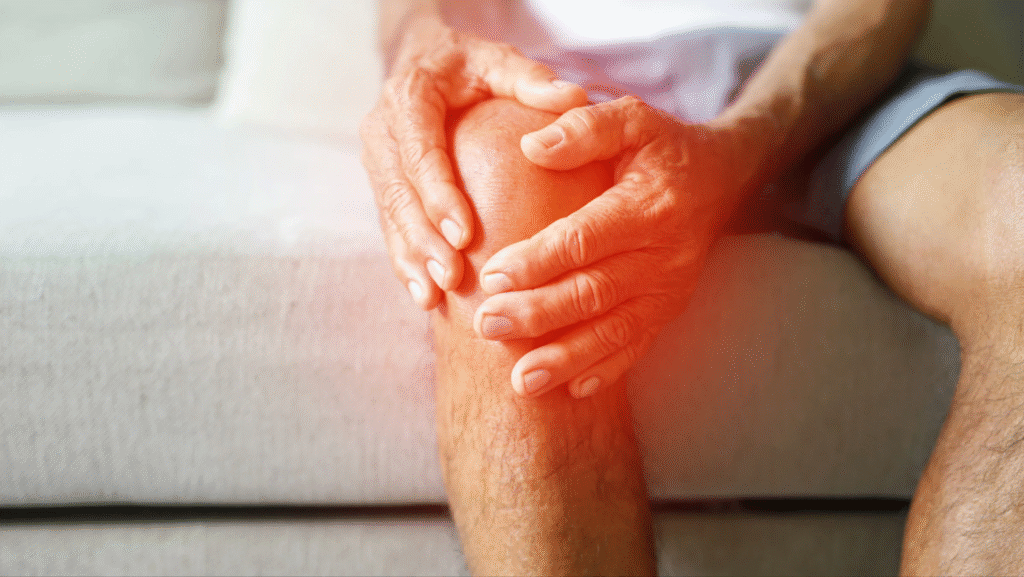
Knee pain affects millions of people worldwide, significantly impacting their quality of life and mobility. While modern medicine offers various treatment options, traditional Ayurvedic medicine provides time-tested, holistic approaches that address not just the symptoms but the root causes of knee pain.
Two prominent regional traditions within Ayurveda—Kerala Ayurveda and Jammu Ayurveda—offer distinct methodologies and treatments for managing knee pain effectively.
Understanding Knee Pain Through Ayurvedic Lens
In Ayurveda, knee pain is primarily understood as a manifestation of Vata dosha imbalance, often accompanied by Kapha dosha disturbances. The knee joint, being a weight-bearing structure, is particularly susceptible to wear and tear, inflammation, and degenerative changes. Ayurvedic texts describe various conditions affecting the knee under different terminologies such as Sandhivata (osteoarthritis), Amavata (rheumatoid arthritis), and Vatavyadhi (neurological disorders affecting joints).
The ancient science recognizes that knee pain can result from multiple factors including poor digestion (mandagni), accumulation of toxins (ama), improper lifestyle choices, genetic predisposition, and environmental factors. This comprehensive understanding forms the foundation for both Kerala and Jammu Ayurvedic treatment approaches.
Kerala Ayurveda: The Panchakarma Powerhouse
Historical Background and Philosophy
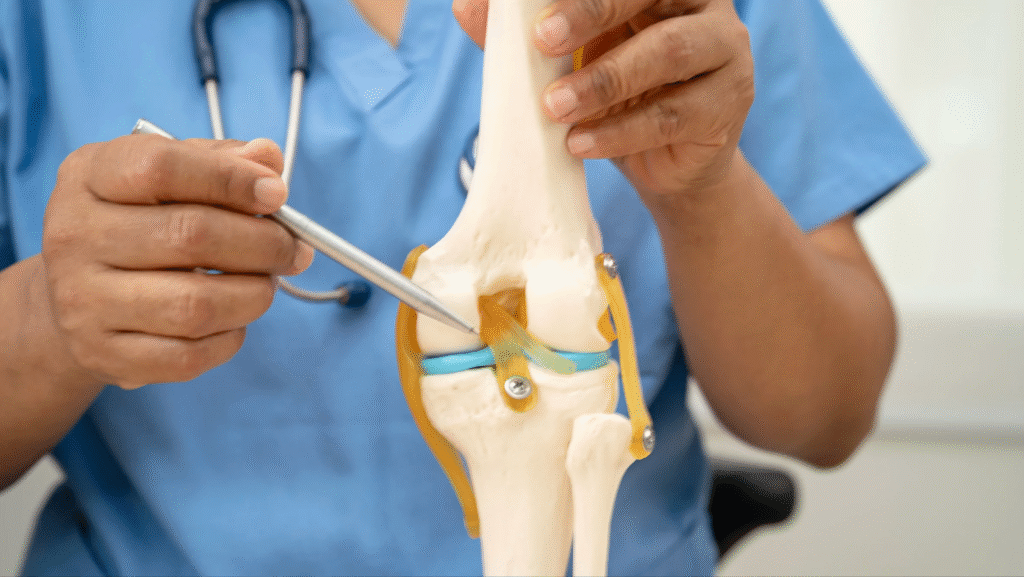
Kerala Ayurveda represents one of the most refined and systematized approaches to Ayurvedic medicine in India. With a tradition spanning over 5000 years, Kerala has preserved and perfected many classical Ayurvedic treatments, particularly the five-fold detoxification therapy known as Panchakarma. The Kerala tradition emphasizes the use of medicated oils, specialized massage techniques, and comprehensive detoxification protocols.
For knee pain management, Kerala Ayurveda follows a systematic approach that begins with thorough diagnosis through Ashtavidha Pariksha (eight-fold examination) and Panchamahabhuta assessment to understand the individual’s constitution (Prakriti) and current state of imbalance (Vikriti).
Kerala Ayurvedic Treatment Modalities for Knee Pain
1. Abhyanga (Therapeutic Oil Massage)
Kerala Ayurveda places tremendous emphasis on Abhyanga using specially prepared medicated oils. For knee pain, oils like Mahanarayana Taila, Ksheerabala Taila, and Dhanwantaram Taila are commonly used. The massage technique involves specific strokes and pressure points that improve circulation, reduce inflammation, and strengthen the joint structures.
2. Kizhi Therapies
Kerala tradition includes various types of Kizhi (herbal bolus treatments):
- Elakizhi (Leaf bolus): Using fresh medicinal leaves like Eranda, Nirgundi, and Rasna
- Podikizhi (Powder bolus): Utilizing herbal powders mixed with medicated oils
- Njavarkizhi: Special treatment using rice cooked in herbal decoctions
3. Pizhichil
This signature Kerala treatment involves continuous pouring of warm medicated oil over the affected knee while simultaneously massaging. Pizhichil is particularly effective for chronic knee pain and degenerative conditions.
4. Dhanyamladhara
A unique Kerala therapy involving pouring of fermented herbal liquid over the knee joint, which helps in reducing inflammation and pain while improving joint mobility.
5. Basti (Medicated Enemas)
Kerala practitioners extensively use various types of Basti therapies, including:
- Dashamoola Basti: For Vata-related knee pain
- Guggulu-based Basti: For inflammatory conditions
- Ksheerabasti: For degenerative changes
Kerala Ayurvedic Medicines for Knee Pain
Kerala Ayurveda has developed several classical and proprietary formulations specifically for knee pain:
- Yogaraja Guggulu: For joint pain and inflammation
- Maharasnadi Kashayam: Decoction for Vata disorders
- Sahacharadi Kashayam: For muscle and joint pain
- Gandha Taila: External application for localized pain
- Murivenna: Proprietary Kerala oil for trauma-related knee pain
Jammu Ayurveda: The High-Altitude Healing Tradition
Historical Background and Unique Characteristics
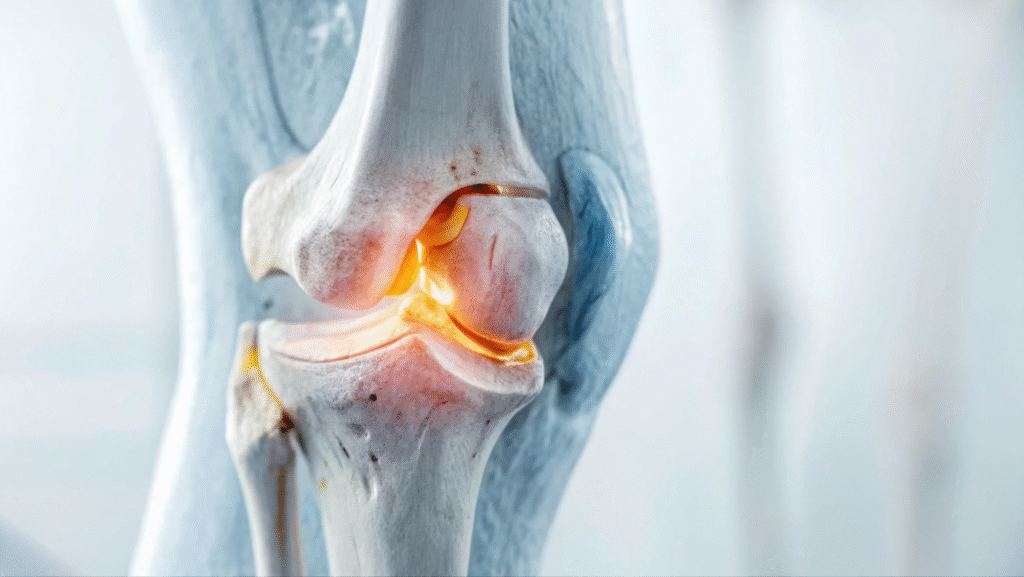
Jammu Ayurveda represents a distinct regional tradition that has evolved in the challenging terrain and climate of the Jammu region. This tradition has been influenced by the availability of unique high-altitude medicinal plants and the specific health challenges faced by people living in mountainous regions. The cold climate and geographical conditions have led to the development of specialized treatments that are particularly effective for joint-related disorders.
The Jammu tradition emphasizes the use of locally available herbs and has developed unique preparation methods that maximize the therapeutic potential of mountain herbs. This regional approach has created treatments that are particularly effective for conditions exacerbated by cold and dampness—common triggers for knee pain.
Jammu Ayurvedic Treatment Approaches for Knee Pain
1. Agnikarma (Therapeutic Heat Application)
Jammu practitioners have refined the ancient technique of Agnikarma, using heated metal instruments to create therapeutic burns at specific points around the knee. This treatment is particularly effective for chronic pain and has shown remarkable results in degenerative knee conditions.
2. Specialized Herbal Steam Treatments
Due to the cold climate, Jammu Ayurveda has developed sophisticated steam therapies using local herbs like:
- Juniper (Hapusha): For its anti-inflammatory properties
- Wild Thyme (Ajwain): For circulation improvement
- Mountain Cedar: For joint strengthening
3. Unique Oil Preparations
Jammu tradition includes several region-specific oil preparations:
- Shallaki Oil: Made from Boswellia serrata abundant in the region
- Mountain Garlic Oil: For deep-penetrating pain relief
- Devdaru Oil: From Himalayan cedar for chronic conditions
4. Cold-Climate Specific Therapies
- Warm Stone Therapy: Using heated stones placed on specific points
- Herbal Poultices: Made from locally available warming herbs
- Specialized Fomentation: Using region-specific aromatic herbs
Jammu Ayurvedic Medicines for Knee Pain
The Jammu tradition has developed several unique formulations:
- Shallaki-based preparations: Utilizing the region’s abundant Boswellia
- Guggulu compounds: Enhanced with local herbs
- Mountain herb decoctions: Using high-altitude medicinal plants
- Specialized Rasayana formulations: For long-term joint health
Comparative Analysis: Kerala vs Jammu Ayurveda for Knee Pain
Treatment Philosophy Differences
Kerala Ayurveda follows a more systematic Panchakarma approach with emphasis on complete detoxification and constitutional balance. The treatments are elaborate, often requiring 14-28 days of intensive therapy. The focus is on removing deep-seated toxins (ama) and restoring the natural balance of doshas.
Jammu Ayurveda takes a more direct, symptom-focused approach while maintaining holistic principles. The treatments are designed to work effectively in shorter durations and are adapted to the lifestyle and climate requirements of mountain dwellers.
Therapeutic Techniques Comparison
| Aspect | Kerala Ayurveda | Jammu Ayurveda |
| Oil Usage | Extensive, elaborate preparations | Targeted, potent formulations |
| Treatment Duration | 14-28 days typical | 7-14 days typical |
| Massage Techniques | Complex, ritualistic | Direct, result-oriented |
| Heat Therapy | Moderate, oil-based | Intense, dry heat preferred |
| Herbal Selection | Classical combinations | Local, climate-specific herbs |
Effectiveness for Different Types of Knee Pain
Acute Knee Pain
Kerala Ayurveda excels in acute inflammatory conditions through its comprehensive Panchakarma protocols. The systematic approach of Abhyanga, Swedana, and Basti provides rapid relief from acute inflammation and pain.
Jammu Ayurveda offers quick relief through targeted therapies like Agnikarma and specialized herbal applications. The direct approach is particularly effective for trauma-related acute pain.
Chronic Degenerative Conditions
Kerala Ayurveda shows superior results in chronic conditions like osteoarthritis through its rejuvenative therapies. The comprehensive detoxification and tissue regeneration approach addresses the root cause of degeneration.
Jammu Ayurveda provides excellent management of chronic pain through its specialized heat therapies and mountain herb formulations. The treatments are particularly effective for cold-induced stiffness and chronic inflammation.
Rheumatoid Arthritis
Both traditions offer effective approaches, but with different methodologies:
- Kerala focuses on immune system modulation through Panchakarma
- Jammu emphasizes direct anti-inflammatory interventions
Integration and Modern Applications
Clinical Evidence and Research
Recent research has validated many principles of both Kerala and Jammu Ayurvedic approaches. Studies have shown:
- Kerala’s Panchakarma protocols significantly reduce inflammatory markers in arthritis patients
- Jammu’s Agnikarma therapy shows measurable improvement in pain scores and joint mobility
- Combined approaches yield better results than single-modality treatments
Patient Selection Criteria
Kerala Ayurveda is ideal for:
- Patients with complex, multi-system involvement
- Those seeking comprehensive detoxification
- Individuals with time for extended treatment protocols
- Cases requiring constitutional rebalancing
Jammu Ayurveda is suitable for:
- Patients seeking targeted, quick relief
- Those with cold-aggravated conditions
- Individuals preferring intensive, shorter treatments
- Cases where local inflammation is the primary concern
Lifestyle Integration and Prevention
Kerala Ayurveda Lifestyle Recommendations
Kerala tradition emphasizes:
- Daily oil massage (Dinacharya)
- Seasonal cleansing (Ritucharya)
- Yoga and meditation practices
- Proper sleep hygiene
- Digestive health maintenance
Jammu Ayurveda Lifestyle Approach
Jammu tradition focuses on:
- Climate-appropriate clothing and protection
- Warming food choices
- Regular heat therapy sessions
- Mountain-specific yoga practices
- Seasonal herb supplementation
Choosing the Right Approach
The choice between Kerala and Jammu Ayurveda for knee pain should consider several factors:
Individual Constitution (Prakriti)
- Vata-predominant individuals often respond better to Kerala’s oil-based therapies
- Kapha-predominant patients may benefit more from Jammu’s heat-based treatments
- Pitta-predominant people need careful selection based on severity and climate
Geographic and Climate Factors
- Cold, humid climates favor Jammu approaches
- Warm, coastal regions align better with Kerala methods
- Seasonal variations should guide treatment selection
Treatment Goals
- Comprehensive health transformation: Kerala Ayurveda
- Targeted pain relief: Jammu Ayurveda
- Prevention and maintenance: Combination approach
Future Directions and Innovations
The integration of Kerala and Jammu Ayurvedic approaches represents the future of holistic knee pain management. Modern practitioners are developing protocols that combine the systematic approach of Kerala with the targeted effectiveness of Jammu traditions.
Research initiatives are focusing on:
- Standardization of treatment protocols
- Evidence-based selection criteria
- Integration with modern physiotherapy
- Development of combination therapies
Conclusion
Both Kerala Ayurveda and Jammu Ayurveda offer valuable, scientifically-grounded approaches to knee pain management. Kerala Ayurveda provides comprehensive, systematic healing through its elaborate Panchakarma protocols and classical formulations. Jammu Ayurveda offers targeted, efficient treatments adapted to challenging climatic conditions using unique local resources.
The choice between these approaches should be made based on individual constitution, type of knee pain, lifestyle factors, and treatment goals. In many cases, a combination of both traditions, guided by experienced practitioners, provides optimal results.
As we move toward more personalized medicine, the rich traditions of both Kerala and Jammu Ayurveda will continue to play crucial roles in providing natural, effective solutions for knee pain. The integration of these time-tested approaches with modern diagnostic methods and evidence-based protocols represents the future of holistic joint health management.
For individuals seeking authentic Ayurvedic treatment for knee pain, consultation with qualified practitioners who understand both traditions can provide personalized treatment plans that maximize therapeutic benefits while minimizing treatment duration and costs. The ancient wisdom of Ayurveda, as preserved and refined in both Kerala and Jammu traditions, continues to offer hope and healing for millions suffering from knee pain worldwide.