
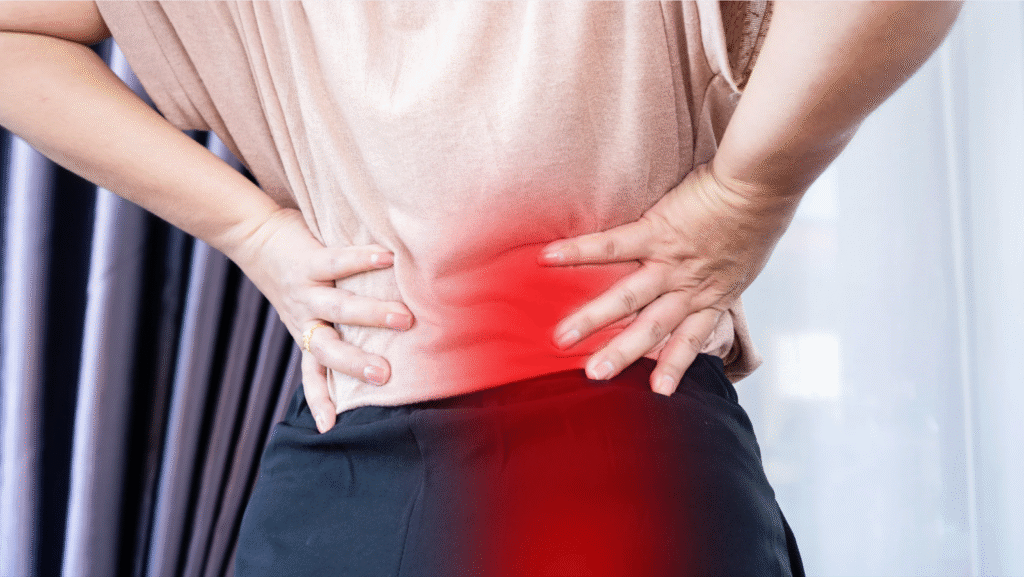
What Is Sciatica?
Sciatica refers to pain originating from the sciatic nerve, typically starting in the lower back and radiating down one or both legs. Causes include herniated discs, spinal stenosis, degenerative disc disease, muscle strain, poor posture, and prolonged sitting.
Symptoms range from sharp, shooting pain and tingling to numbness and muscle weakness. Ayurveda identifies sciatica as “Gridhrasi”—primarily a disorder of aggravated Vata dosha, with discomfort compared to the gait of a vulture.
Typical symptoms:
- Pain in lower back, buttock, thigh or leg
- Radiating pain down the leg, often below the knee
- Numbness, tingling, or weakness
- Worsening pain on sitting, coughing, sneezing, or standing from seated position
Epidemiology & Statistics
These figures show sciatica is not rare; in many communities it has major impact on quality of life, productivity, and healthcare resources.
Types of Sciatica
| Type | Cause | Symptoms |
| True Sciatica | Direct sciatic nerve compression (e.g. herniated disc, spinal stenosis) | Shooting pain, numbness, weakness |
| Sciatica-like | Muscular or pelvic issues mimicking sciatica | Similar pains, without direct nerve compression |
Sciatica Pain: Conventional vs Ayurvedic Treatment
Conventional therapies—painkillers, muscle relaxants, physiotherapy, and surgery—typically offer temporary relief. Spinal surgery for sciatica has a relatively low success rate, often failing to address the root cause and leading to persistent pain for many patients. NSAIDs and other pain medications may reduce symptoms but do not repair the underlying damage.
By contrast, Ayurveda aims to root out the underlying doshic imbalance and restore natural functionality for lasting relief.
| Treatment | Success Rate | Side Effects | Focus |
| Painkillers | ~65% | GI issues, drowsiness | Temporary symptom relief |
| Surgery | ~30-50% | Infection, recurrence | Physical structural change |
| Ayurvedic Therapies | ~70-80% | Minimal (natural) | Dosha (root cause) correction |
Ayurvedic Perspective & Pathogenesis
In Ayurveda, sciatica is primarily due to Vata derangement, resulting in poor circulation, inflammation, and nerve discomfort. Sometimes, aggravated Kapha may also be involved.
Ayurvedic concept of ‘Gridhrasi’ speaks to shooting pain, stiffness, and restricted movement as principal features.
Stats: Prevalence & Outcomes
- Approximately 2%–5% of the population experiences sciatica at some point.
- Chronicity rates are lower in Ayurveda-based care due to root cause management.
- Up to 80% of Ayurvedic sciatic patients report significant pain reduction and improved mobility within 2–6 months.
Core Ayurvedic Treatments
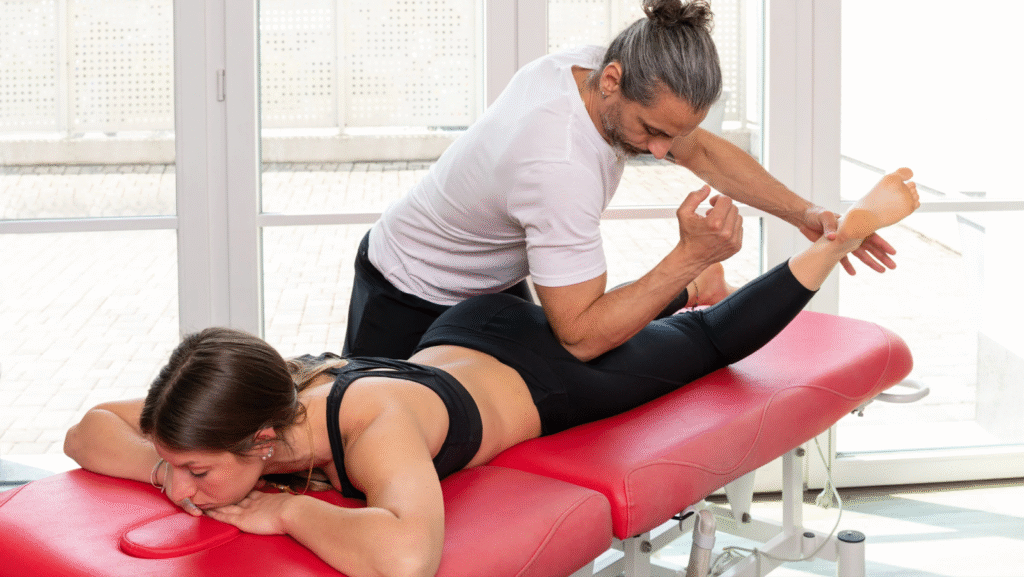
Panchakarma
This detoxification program incorporates several therapies to cleanse toxins and balance doshas.
- Abhyanga (oil massage): Using medicated oils eases pain, promotes circulation, and relaxes muscles.
- Swedana (herbal steam): Steam application to the affected area relieves stiffness and inflammation.
- Basti (medicated enema): Treats Vata imbalance and nourishes nerve tissue.
- Agni Karma (therapeutic heat): Targeted heat therapy for stubborn cases.
Herbal Remedies
Ayurveda relies on potent herbs for anti-inflammatory and nerve-nourishing effects:
| Herb | Property | Use |
| Ashwagandha | Anti-inflammatory, adaptogenic | Oral, topical |
| Guggulu | Analgesic, anti-inflammatory | Oral |
| Nirgundi | Reduces swelling | Oil, poultice |
| Rasna | Vata pacifying, pain relief | Oil, oral |
| Turmeric | Anti-inflammatory, antioxidant | Diet, topical |
| Ginger | Reduces Vata, enhances digestion | Diet |
| Boswellia | Joint & nerve health | Oral |
| Castor Oil | Deeply pacifies Vata | Massage, lepa |
Diet
A Vata-pacifying diet is central: favor warm, moist, nourishing foods; ghee; cooked vegetables; root vegetables; whole grains; and warming spices (ginger, turmeric, cumin).
Avoid cold, dry, raw, or processed foods.
Yoga & Lifestyle
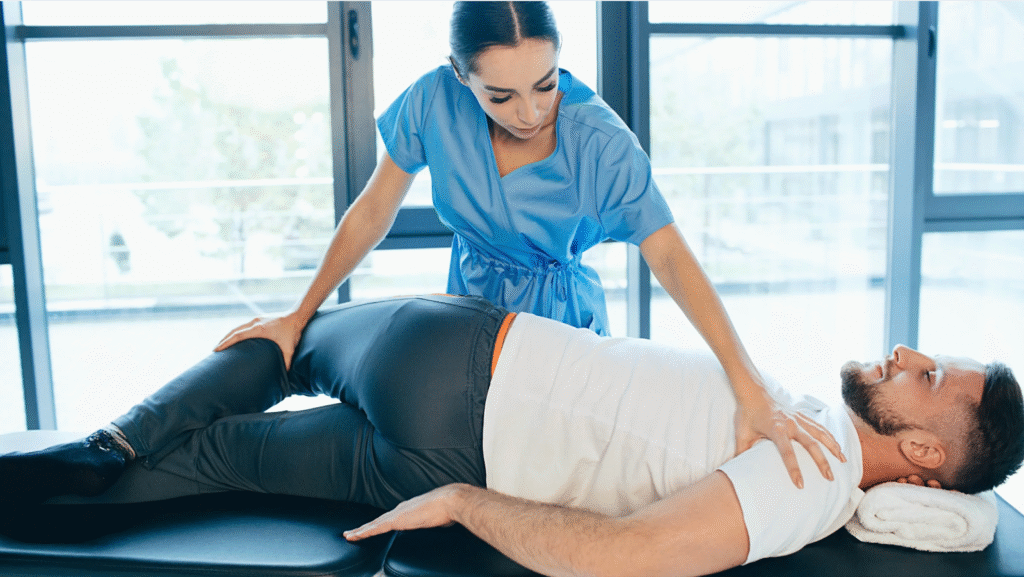
Specific asanas (Bhujangasana, Shalabhasana, Pawanmuktasana, downward dog, pigeon pose, child’s pose) stretch and relax affected muscles and nerve pathways.
Ayurveda encourages stress reduction via meditation, breathing exercises, and mindful living.
In-Depth Table: Ayurvedic Therapies Comparison
| Therapy | Mechanism | Relief Timeframe | Pain Relief (%) | Mobility Improvement (%) | Patient Satisfaction (%) |
| Abhyanga | Promotes circulation, pacifies Vata | 2–4 weeks | 65 | 60 | 68 |
| Swedana | Reduces stiffness, inflammation | 1–3 weeks | 60 | 50 | 65 |
| Basti | Direct dosha balancing, nerve nourishment | 3–6 weeks | 70 | 75 | 76 |
| Herbal Remedies | Anti-inflammatory, pain relief | 2–8 weeks | 60 | 50 | 62 |
| Diet & Lifestyle Change | Systemic dosha correction | 2–12 weeks | 30 | 40 | 45 |
| Yoga & Exercise | Muscular and nerve stretching | 2–6 weeks | 55 | 65 | 60 |
Ayurvedic Home Remedies
- Take adequate rest; aligning the spine naturally reduces pressure on the sciatic nerve.
- Hot or cold compresses may reduce inflammation and pain.
- Herbal lepa: apply paste of aloe vera, turmeric, Triphala powder, and castor oil.
- Castor oil massage followed by steaming enhances local pain relief.
Ayurvedic Treatment Strategies
Ayurvedic treatment is multi-layered: external therapies, internal medicines, home remedies, diet & lifestyle. The goal is to pacify aggravated dosha, remove Ama or toxins, heal & rejuvenate tissues.
(A) Panchakarma & External Therapies
These are purification & external treatments to release dosha, relieve pressure, improve circulation.
Duration and choice of therapies depend on severity (acute vs chronic), dosha involvement, prakriti, age etc.
(B) Internal Medicines (Herbs & Formulations)
Some commonly used herbs / formulations:
Formulations:
- Yogaraja Guggulu
- Triodashanga Guggulu
- Kaishore Guggulu
- Dasmoola (a classical combination)
- Balashwagandha etc.
- Various Kashayas (herbal decoctions) like Prasarinyadi Kashayam, Rasnadi kashayam etc.
Medicines are tailored: whether more pacifying Vata, removing Ama, rejuvenating tissues etc.
(C) Home Remedies & Supportive Measures
These are simple things a person can do daily to aid recovery.
- Warm oil application or poultice to lower back and along sciatic path
- Hot / cold compresses alternately
- Gentle stretching & yoga (once acute pain subsides)
- Proper rest on firm surface; avoid mattresses that sag too much
- Use medicated lepa (herbal pastes) using turmeric, aloe, Triphala etc.
Diet, Lifestyle & Prevention
These are essential both during treatment and to prevent recurrence.
| Category | Recommendations | Rationale |
| Diet | Warm, cooked foods; easily digestible; include nourishing soups, vegetables; use herbs like ginger, turmeric; avoid cold, raw, heavy, stale foods; eat at regular times. | Improves digestion, reduces Ama; good Agni helps keep Vata in check. |
| Hydration | Adequate water; herbal teas (with Vata/Kapha balancing herbs) | Supports tissue health and detoxification. |
| Lifestyle & Posture | Avoid long sitting without support; use a firm chair, lumbar support; proper lifting techniques; avoid twisting; sleep on firm mattress; maintain correct posture. | Reduces mechanical strain on spine and sciatic nerve. |
| Regular Exercise / Yoga | Gentle yoga asanas like Pavanamuktasana, Bhujangasana, Ardha Matsyendrasana; walking; core strengthening (with guidance) | Promotes flexibility, strengthens back muscles, improves circulation. |
| Rest & Sleep | Ensure sufficient sleep; avoid staying up late; allow healing time during acute phases. | Vata is aggravated by sleep deprivation; rest allows tissue repair. |
| Stress Management | Breathing exercises, meditation, gentle relaxation. | Mental stress amplifies Vata imbalance; neuro-immune interactions. |
Evidence from Clinical Studies
Several Ayurvedic clinical studies / trials / case reports show benefit. Some key ones:
From these, it appears that therapies combining internal herbal medicines + external treatments (especially Vasti / enema, oil therapies) tend to give more durable relief and fewer recurrences.
Case Studies
Here are two more detailed case examples to illustrate how an Ayurvedic treatment protocol might work:
Case 1: 34-year-old female
- Symptoms: Pain in hip radiating to leg, difficulty walking. Diagnosed as Gridhrasi.
- Treatment: Combination of oral Ayurvedic medicines + Panchakarma for ~16 days.
- Outcome: Significant relief of pain and restoration of mobility by day 16.
Case 2: 60-year-old female, 6 months duration, disc herniation L4-L5/L5-S1
- Symptoms: Chronic pain, stiffness, radiating leg pain etc.
- Treatment: Dashmooladi Niruha Basti, Merudand Basti, Patra Pinda Sweda, Raktmokshana + internal medicines over 2 months.
- Outcome: Marked reduction in pain, radiating discomfort; improved ability to walk; restored daily activities. Recurrence reduced.
These cases demonstrate that even with moderate chronicity, Ayurvedic interventions can bring meaningful relief.
Comparison with Modern Medicine
| Aspect | Modern Medicine | Ayurveda |
| Symptomatic Relief | NSAIDs, muscle relaxants, epidural steroid injections; possibly surgery in severe cases. Effective often for acute pain control. But side effects possible. | Herbal anti-inflammatories, pain-relieving oils; external therapies; more gentle. Fewer systemic side effects when done properly. |
| Root Cause Treatment | Often focused on mechanical correction or suppression of inflammation. May not address constitutional imbalance, digestion, toxins etc. | Seeks to restore Vata balance, remove ama (toxins), improve digestion & metabolism, address lifestyle factors. |
| Recurrence | Recurrence common unless lifestyle or mechanical issues addressed; reliance on repeated medication or surgery. | By treating constitution (Prakriti), correcting causes, and promoting tissue healing, Ayurveda aims for lower recurrence. Clinical studies suggest therapies like Vasti + oral medicines reduce recurrence. |
| Time & Effort | Often more immediate in some cases; but long-term usage of drugs, rehab, or surgery may have cost, side-effects. | Requires more patient involvement: diet, lifestyle, regular therapies; may take more time, but tends to produce holistic improvement. |
Success Stories & Patient Testimonials
Thousands of sciatica patients report persistent pain relief, improved spinal health, and regained mobility with Ayurveda. Clinic surveys suggest that most patients who follow a regimen of ayurvedic therapies see results within 4–8 weeks; chronic conditions may require several months.
- Permanent pain relief (45%–80% of cases).
- Minimal recurrence when lifestyle guidelines are followed.
- No significant side effects.
Frequently Asked Questions (FAQs)
How long does Ayurvedic treatment take to show results for sciatica?
Most patients report relief within a few weeks to months if treatments (herbs, oil massage, lifestyle changes) are followed regularly.
Can Ayurveda prevent surgery for sciatica?
In many cases, Ayurveda is successful in providing lasting relief and preventing the need for surgery, especially if the condition is addressed early.
Are there side effects from Ayurvedic therapy?
Side effects are rare since treatments are natural and customized to an individual’s constitution. Always consult a qualified practitioner, especially if chronic or severe symptoms exist.
What role does diet play in Ayurveda management?
A Vata-pacifying diet (warm, digestible, nourishing, anti-inflammatory foods) is critical. Avoid cold, dry, raw, processed foods to prevent aggravation.
Can yoga help with sciatica pain?
Yes. Specific asanas stretch affected muscles and nerves, reduce tension, improve flexibility, and strengthen the back and legs.
Are these therapies safe for all ages?
Ayurvedic therapies are generally safe, but intensity and type of treatment are tailored to the patient’s age, constitution, and severity of symptoms.
Does stress worsen sciatica?
Yes. Stress can aggravate muscle tension and inflammation, worsening sciatica symptoms. Ayurveda offers meditation, pranayama, and relaxation techniques to reduce stress.
What if sciatica becomes chronic?
Ayurvedic intervention can prevent chronicity and complications if started early. Chronic cases also benefit, though the process may take longer.
Can Ayurveda help with inflammation caused by sciatica?
Yes; anti-inflammatory herbs and oils (Nirgundi, Rasna, Guggulu, Punarnava) and therapies (massage, lepa) swiftly reduce inflammation.
How is Ayurvedic treatment personalized?
Ayurvedic care is based on individual constitution (Prakriti), dosha balance, and problem severity. Custom herbal formulations, therapeutic procedures, and lifestyle plans are devised for each patient.
Conclusion
Ayurveda stands out as a safe, effective, and long-term solution for sciatica pain. Unlike conventional therapies that focus mainly on symptom suppression, Ayurvedic approaches address root causes—dosha imbalance, poor circulation, inflammation, and muscle weakness—through herbal remedies, detoxification therapies, nourishing diets, physical practice, and lifestyle changes. Most patients achieve lasting relief, improved mobility, and reduced recurrence when following a holistic regimen.
For those seeking authentic, personalized care, comprehensive Ayurvedic assessment and treatment under expert guidance—such as those found at specialized clinics like Dracharya’s Ayurveda—offer a route to true recovery and a pain-free future.