
Osteoarthritis (OA) stands as the most common form of arthritis worldwide, affecting millions of people and significantly impacting quality of life. This degenerative joint disease, characterized by the breakdown of cartilage in joints, leads to pain, stiffness, and reduced mobility that can severely limit daily activities.
In India, particularly in regions like Jammu with its unique climate and lifestyle patterns, osteoarthritis affects approximately 22-39% of the population, making it a significant health concern that demands effective, sustainable treatment approaches.
While conventional medicine often focuses on symptom management through pain medications, anti-inflammatory drugs, and eventual joint replacement surgery, these approaches frequently fail to address the root causes of the condition or promote genuine healing and regeneration.
The limitations of purely symptomatic treatment have led many patients to seek alternative approaches that offer hope for actual recovery rather than mere management.
Ayurveda, India’s ancient system of medicine, presents a fundamentally different approach to osteoarthritis recovery. Rather than simply masking symptoms, Ayurvedic medicine aims to restore balance to the body’s fundamental energies (doshas), eliminate toxins (ama), and promote the natural regeneration of joint tissues.
This holistic approach not only addresses pain and inflammation but also works to strengthen the body’s inherent healing mechanisms, offering the possibility of genuine recovery and improved quality of life.
In this comprehensive article, you’ll discover how Ayurvedic principles can be applied specifically for osteoarthritis recovery in Jammu’s unique environment. We’ll explore evidence-based dietary modifications, powerful herbal remedies, specialized therapies, detoxification protocols through Panchakarma, and practical lifestyle adjustments tailored to the local climate and conditions.
Additionally, we’ll provide guidance on finding qualified Ayurvedic practitioners in Jammu and integrating traditional wisdom with modern diagnostic approaches for optimal results.
Understanding Osteoarthritis from an Ayurvedic Perspective
The Ayurvedic Framework
In Ayurvedic terminology, osteoarthritis is primarily understood as Sandhivata, literally meaning “wind in the joints.” This condition is fundamentally viewed as a Vata dosha disorder, where the qualities of dryness, lightness, and movement become excessive, leading to the degeneration of joint structures. However, the condition often involves complex interactions between all three doshas—Vata, Pitta, and Kapha—each contributing different aspects to the disease process.
The Ayurvedic understanding of joint health centers on the concept that joints require adequate lubrication, nourishment, and structural support to function optimally. When Vata dosha becomes imbalanced, it creates dryness and reduces the natural lubrication of joints. This leads to increased friction, wear and tear of cartilage, and the characteristic pain and stiffness associated with osteoarthritis.
The Role of Ama and Dhatu Depletion
A crucial aspect of Ayurvedic pathology in osteoarthritis involves the accumulation of Ama (metabolic toxins) and the depletion of Dhatus (body tissues). Ama forms when digestion is weak or impaired, leading to the production of toxic byproducts that circulate throughout the body and settle in vulnerable tissues like joints. This accumulation blocks proper nutrition and circulation to joint structures, accelerating degeneration.
Simultaneously, the condition involves Dhatu Kshaya (tissue depletion), particularly affecting Asthi Dhatu (bone tissue) and Majja Dhatu (nervous tissue). This depletion occurs when the body’s nourishing and building processes become inadequate, often due to poor digestion, inadequate nutrition, or excessive physical or mental stress.
Climate and Environmental Factors in Jammu
The unique geographical and climatic conditions of Jammu significantly influence the manifestation and progression of osteoarthritis. The region’s cold winters and varying humidity levels can aggravate Vata dosha, leading to increased joint stiffness and pain during certain seasons. The dry, cold winds characteristic of the area can penetrate joints and worsen symptoms, making seasonal adjustments in treatment protocols essential.
Understanding these local environmental factors allows for more precise treatment planning, ensuring that therapeutic interventions align with natural seasonal rhythms and local conditions that may influence the disease process.
Symptoms & Diagnostic Signs of Osteoarthritis (OA) and Sandhivata
| Category | Details |
| Classical Manifestations (OA) | – Joint pain, especially after inactivity or overuse (deep, aching pain). – Morning stiffness or stiffness after prolonged sitting. – Intermittent swelling, particularly after activity or during flare-ups. – Grinding or crackling sensations (crepitus) due to cartilage wear. – Progressive limitation of mobility affecting daily tasks (walking, climbing stairs, household activities). |
| Ayurvedic Diagnostic Approach (Sandhivata) | – Nadi Pariksha (Pulse Diagnosis): Detects Vata predominance; pulse may feel irregular, thin, or fast. – Tongue Examination: Coated tongue (white/gray) indicates Ama (toxins) and poor digestion; texture and marks reveal tissue health and dosha imbalance. – Joint Examination: Checks for temperature, swelling, range of motion, and pain patterns. – Constitutional Assessment: Evaluates Prakriti (body type), Vikriti (current imbalance), and Agni (digestive fire). |
| Regional Considerations (Jammu) | – Symptoms worsen in cold, dry weather. – Altitude and pressure changes may aggravate joint discomfort. – Seasonal treatment adjustments are important to balance environmental influences. |
Principles of Ayurvedic Treatment for Osteoarthritis
Therapeutic Objectives in Ayurvedic Management of Osteoarthritis
- Pacify Aggravated Vata Dosha
- Use nourishing, warming, and stabilizing interventions.
- Balance Pitta (inflammation) and Kapha (sluggish metabolism, stiffness).
- Use nourishing, warming, and stabilizing interventions.
- Eliminate Accumulated Ama (Toxins)
- Strengthen digestive fire (Agni).
- Apply detoxification and elimination therapies.
- Create conditions for better nutrient absorption and tissue healing.
- Strengthen digestive fire (Agni).
- Promote Dhatu (Tissue) Regeneration
- Support regeneration of bone and cartilage.
- Use targeted herbs, nutrients, and therapies.
- Focus on long-term repair, not just symptom relief.
- Support regeneration of bone and cartilage.
Treatment Modalities in Ayurveda for Osteoarthritis
- Internal Treatments
- Herbal formulations tailored to dosha imbalances.
- Dietary modifications to support digestion and reduce inflammation.
- Lifestyle adjustments (sleep, activity, stress management).
- Herbal formulations tailored to dosha imbalances.
- External Therapies
- Medicated oil applications (Abhyanga, Pinda Sweda, etc.).
- Heat therapies for stiffness relief.
- Herbal poultices and specialized massages.
- Improve circulation, reduce swelling, nourish joints.
- Medicated oil applications (Abhyanga, Pinda Sweda, etc.).
- Panchakarma (Detoxification Procedures)
- Intensive therapies for deep toxin removal.
- Reset body’s healing mechanisms.
- Establish optimal conditions for systemic recovery and joint repair.
- Intensive therapies for deep toxin removal.
Dietary & Lifestyle Modifications for Osteoarthritis Recovery
1. Nutritional Framework for Joint Health
- General Guidelines
- Prefer warm, moist, and cooked foods over cold, raw items to pacify Vata and ease digestion.
- Maintain regular meal timings to stabilize metabolism and prevent erratic digestion.
- Emphasize nourishing, easily digestible meals that support tissue regeneration.
- Prefer warm, moist, and cooked foods over cold, raw items to pacify Vata and ease digestion.
- Healthy Fats
- Include ghee, sesame oil, and olive oil for joint lubrication and tissue repair.
- Consume in moderation based on individual digestion and constitution.
- Include ghee, sesame oil, and olive oil for joint lubrication and tissue repair.
- Protein Sources
- Favor light, digestible proteins: mung dal, chicken, fish, and dairy (if tolerated).
- Adequate protein maintains muscle mass and supports joint stability.
- Favor light, digestible proteins: mung dal, chicken, fish, and dairy (if tolerated).
2. Specific Foods to Include
- Turmeric
- Anti-inflammatory; supports joint repair.
- Use in daily cooking or prepare turmeric milk with warm milk, ghee, and spices.
- Anti-inflammatory; supports joint repair.
- Ginger
- Warming, circulation-enhancing, and reduces inflammation.
- Consume as tea, in meals, or in small amounts with food.
- Warming, circulation-enhancing, and reduces inflammation.
- Bone Broth
- Rich in collagen and minerals for cartilage and bone health.
- Traditional slow-cooked preparation aligns with Ayurveda’s “food as medicine” principle.
- Rich in collagen and minerals for cartilage and bone health.
- Leafy Greens
- Cooked and spiced greens (spinach, methi, seasonal varieties in Jammu).
- Provide minerals, antioxidants, and support tissue regeneration.
- Cooked and spiced greens (spinach, methi, seasonal varieties in Jammu).
3. Foods and Practices to Avoid
- Aggravating Foods
- Cold, dry, frozen, and processed foods (e.g., raw veggies, cold drinks, packaged snacks).
- Promote Ama (toxins) and worsen Vata imbalance.
- Cold, dry, frozen, and processed foods (e.g., raw veggies, cold drinks, packaged snacks).
- Poor Eating Habits
- Irregular meal timings, skipping meals, or eating at odd hours.
- Disrupt digestive rhythm and weaken Agni (digestive fire).
- Irregular meal timings, skipping meals, or eating at odd hours.
- Excessive Tastes
- Overuse of bitter, astringent, or pungent foods aggravates Vata.
- Balance with sweet, sour, and salty tastes for nourishment and stability.
- Overuse of bitter, astringent, or pungent foods aggravates Vata.
4. Lifestyle Adjustments for Joint Health
- Movement & Exercise
- Gentle, regular exercise suited to joint condition.
- Yoga sequences focusing on mobility, stability, and flexibility are ideal.
- Gentle, regular exercise suited to joint condition.
- Breathing Practices (Pranayama)
- Reduce stress and inflammation; improve circulation.
- Techniques like deep diaphragmatic breathing and alternate nostril breathing recommended daily.
- Reduce stress and inflammation; improve circulation.
- Rest & Sleep
- Ensure adequate, consistent sleep for tissue repair and dosha balance.
- Maintain a calming bedtime routine.
- Ensure adequate, consistent sleep for tissue repair and dosha balance.
- Stress Management
- Meditation, gentle yoga, or relaxation techniques reduce Vata aggravation.
- Prevents stress-related inflammation and supports long-term healing.
- Meditation, gentle yoga, or relaxation techniques reduce Vata aggravation.
Herbal Remedies & Supplements for Osteoarthritis
Classical Ayurvedic Herbs for Joint Health
- Shallaki (Boswellia serrata)
- Rich in boswellic acids with strong anti-inflammatory properties.
- Reduces pain and swelling while supporting cartilage health.
- Clinically proven benefits for osteoarthritis management.
- Rich in boswellic acids with strong anti-inflammatory properties.
- Guggulu (Commiphora mukul)
- Potent anti-inflammatory and tissue-regenerative properties.
- Classical formulations include:
- Yogaraja Guggulu
- Mahayogaraja Guggulu
- Triphala Guggulu
- Yogaraja Guggulu
- Widely used for comprehensive joint recovery.
- Potent anti-inflammatory and tissue-regenerative properties.
- Ashwagandha (Withania somnifera)
- Anti-inflammatory and adaptogenic herb.
- Reduces pain, strengthens tissues, and enhances vitality.
- Supports bone and joint regeneration.
- Anti-inflammatory and adaptogenic herb.
- Rasna (Pluchea lanceolata)
- Specifically indicated for Vata disorders in joints.
- Provides analgesic and anti-inflammatory effects.
- Strengthens weakened joint structures, often combined with other herbs.
- Specifically indicated for Vata disorders in joints.
Specialized Ayurvedic Formulations
- Dashmoolarishta
- Classical fermented preparation.
- Pacifies Vata and nourishes joints.
- Easy to absorb; provides long-term benefits.
- Classical fermented preparation.
- Maharasnadi Kwath
- Traditional herbal decoction.
- Powerful for severe joint conditions when properly prepared.
- Combines multiple joint-supporting herbs.
- Traditional herbal decoction.
- Sahacharadi Kashayam
- Specifically designed for joint disorders.
- Offers anti-inflammatory, analgesic, and tissue-strengthening effects.
- Specifically designed for joint disorders.
Modern Herbal & Nutritional Supplements
- Turmeric (Curcumin extract)
- Strong anti-inflammatory action.
- Enhanced absorption when combined with piperine (black pepper) or healthy fats.
- Strong anti-inflammatory action.
- Omega-3 Fatty Acids
- From fish oil or plant-based sources.
- Reduce inflammation and support joint lubrication.
- Complement traditional Ayurvedic herbs.
- From fish oil or plant-based sources.
- Glucosamine & Chondroitin
- Not classical Ayurvedic, but consistent with its regenerative principles.
- Provide building blocks for cartilage repair.
- Useful in integrated holistic protocols.
- Not classical Ayurvedic, but consistent with its regenerative principles.
External Therapies & Local Treatments
Oil Therapies and Massage
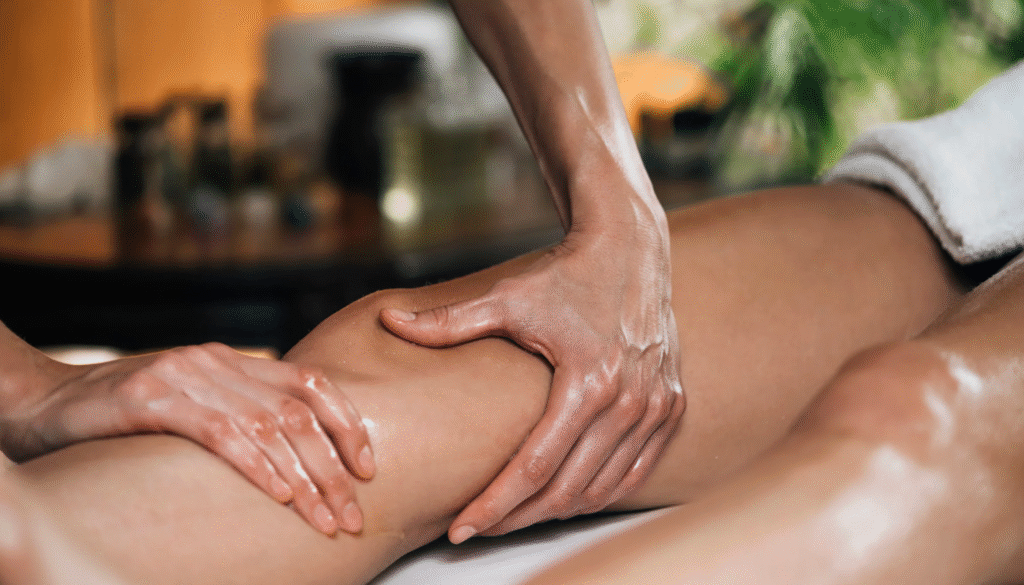
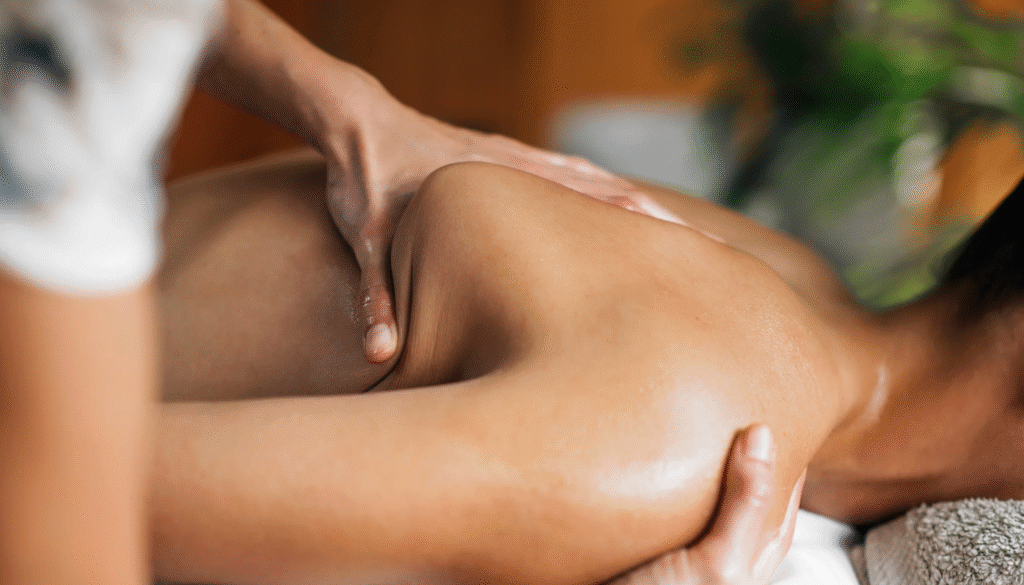
Abhyanga, the classical Ayurvedic oil massage, provides fundamental support for osteoarthritis recovery through multiple mechanisms. Regular application of medicated oils like Mahanarayana Taila, Dhanvantaram Taila, or Ksheerabala Taila nourishes joint tissues, improves circulation, and provides Vata pacification through the healing touch and oil absorption.
The technique involves warming appropriate oils and applying them with specific massage strokes that follow energy channels (nadis) and lymphatic pathways. This promotes both local healing and systemic balance, making it an essential component of comprehensive treatment protocols.
Specialized joint-specific oil applications like Kati Basti for lower back joints or Janu Basti for knee joints provide concentrated therapeutic effects. These procedures involve creating reservoirs of warm medicated oil over affected joints, allowing for prolonged contact and deep penetration of healing compounds.
Heat and Herbal Therapies
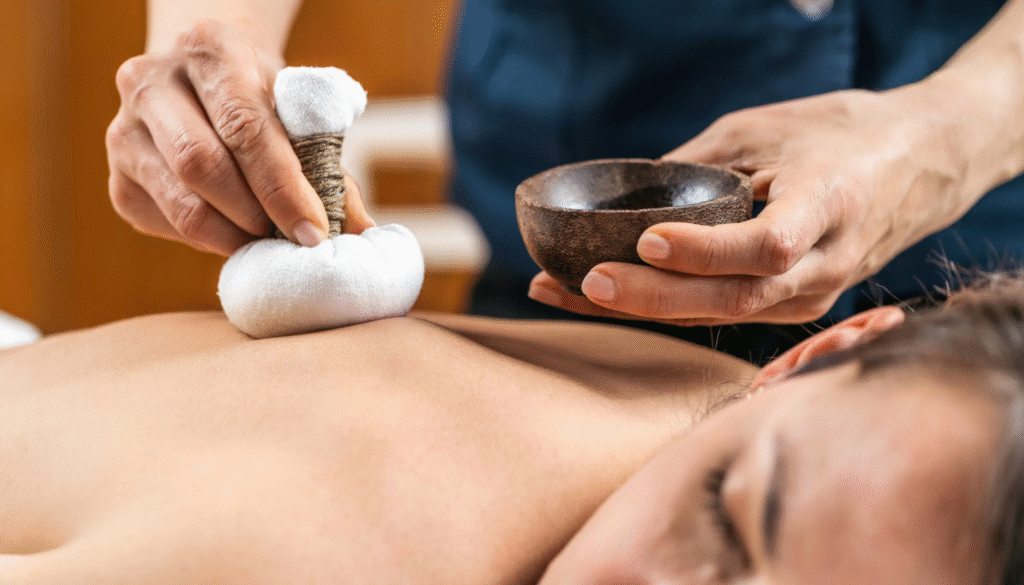
Patra Pinda Sweda involves the application of warm herbal poultices to affected joints. Fresh herbs are cooked with appropriate oils, wrapped in cloth, and applied as warm compresses that provide both heat therapy and herbal medicine directly to joint tissues. This treatment reduces stiffness, improves mobility, and supports local tissue regeneration.
Pizhichil, often called the “king of Ayurvedic treatments,” combines oil massage with continuous pouring of warm medicated oils over the entire body. This luxurious treatment provides profound Vata pacification and comprehensive joint nourishment, making it particularly beneficial for widespread joint involvement.
Udvartana, or herbal powder massage, helps improve circulation and reduce inflammation while supporting the elimination of accumulated toxins from joint tissues. This treatment uses specific herbal powders mixed with oils and applied with vigorous massage techniques that stimulate circulation and lymphatic drainage.
Localized Treatment Applications
Steam therapy using medicated herbs provides moist heat that penetrates deeply into joint structures, reducing stiffness and improving mobility. Local steam applications can be performed using specialized equipment or simple methods like herbal steam baths that provide whole-body benefits.
Herbal paste applications using fresh herbs like turmeric, ginger, and other anti-inflammatory plants provide concentrated local treatment. These pastes can be applied to specific joints and left for appropriate durations to provide sustained therapeutic effects.
Clay therapy using medicated clays mixed with herbal decoctions provides cooling and anti-inflammatory effects, particularly beneficial during acute inflammatory phases of osteoarthritis. These applications help reduce swelling and provide mineral support for tissue healing.
Panchakarma & Detoxification
Understanding Panchakarma for Joint Health
Panchakarma represents the pinnacle of Ayurvedic therapeutic intervention, providing comprehensive detoxification and rejuvenation that addresses the deepest levels of imbalance contributing to osteoarthritis. This intensive treatment protocol works systematically to eliminate accumulated toxins, restore proper dosha balance, and create optimal conditions for tissue regeneration.
The process begins with preparatory procedures (Purvakarma) that ready the body for intensive detoxification. These include specialized oil treatments and heat therapies that mobilize toxins from deep tissues and direct them toward elimination channels. This preparation phase is crucial for ensuring the safety and effectiveness of subsequent intensive procedures.
Specific Panchakarma Procedures for Osteoarthritis
Virechana (therapeutic purgation) plays a particularly important role in osteoarthritis treatment by eliminating excess Pitta dosha and accumulated Ama from the digestive tract and deeper tissues. This procedure uses carefully prepared herbal medications that promote controlled elimination while supporting digestive health and overall balance.
Basti (medicated enemas) represents the most important Panchakarma procedure for Vata-related disorders like osteoarthritis. Different types of Basti using oils, decoctions, or milk-based preparations provide targeted therapy for joint conditions while supporting overall systemic health. The procedure nourishes the colon, which is considered the primary seat of Vata dosha, creating systemic improvements in joint health.
Raktamokshana (bloodletting) may be indicated in cases where significant inflammation and heat accumulation contribute to joint problems. This procedure, performed through methods like leech therapy or controlled bloodletting, helps reduce inflammatory load and improve circulation to affected tissues.
Post-Panchakarma Care and Integration
Following intensive Panchakarma procedures, a carefully structured rehabilitation period helps integrate the therapeutic benefits and prevent reaccumulation of toxins. This includes specific dietary guidelines, gentle physical activities, and herbal medicines that support the newly balanced state.
The post-treatment period often reveals the most significant improvements in joint function, as the body’s natural healing mechanisms operate in an optimized environment free from accumulated toxins and dosha imbalances. Patients frequently report sustained improvements in pain, mobility, and overall quality of life that continue for months or years after treatment.
Tailoring Treatment for Jammu’s Unique Environment
Climate Considerations and Seasonal Adjustments
Jammu’s continental climate with its distinct seasonal variations requires careful attention to treatment modifications throughout the year. The cold, dry winters can significantly aggravate Vata dosha, necessitating increased emphasis on warming, nourishing treatments and protective measures against cold exposure.
During winter months, oil therapies should be performed more frequently and with warming oils that provide deeper penetration and sustained heat. Internal medications may require adjustment to include more heating herbs and spices that counteract the cold, dry qualities of the environment that can worsen joint symptoms.
The summer months, while providing natural warming that can benefit joint mobility, may require modifications to prevent excessive heat accumulation that could aggravate Pitta dosha. Treatment protocols should balance the need for joint warmth with cooling measures that prevent inflammatory flare-ups.
Local Resources and Availability
Jammu’s rich botanical diversity provides access to many traditional herbs used in osteoarthritis treatment. Local plants like wild turmeric, ginger varieties, and regional medicinal plants can be incorporated into treatment protocols, reducing costs while maintaining therapeutic effectiveness.
Traditional knowledge holders in the region often possess valuable insights into local plant medicine that can enhance treatment outcomes. Collaborating with knowledgeable local practitioners and herbalists can provide access to unique regional approaches that complement classical Ayurvedic methods.
The availability of fresh, seasonal produce in Jammu allows for optimal dietary modifications that align with both Ayurvedic principles and local food culture. Emphasizing locally grown, seasonal foods ensures better nutritional quality while supporting digestive health and environmental harmony.
Cultural Integration and Lifestyle Factors
The traditional lifestyle patterns in Jammu, including dietary habits, work routines, and social customs, can be leveraged to support osteoarthritis recovery. Traditional cooking methods, seasonal food preservation techniques, and community support systems all contribute to comprehensive healing approaches.
Religious and cultural practices like meditation, prayer, and community gathering provide natural stress reduction and social support that complement medical treatment. These practices align well with Ayurvedic principles of holistic healing that address mental and spiritual dimensions of health.
Family support systems characteristic of the region can be educated and mobilized to provide practical assistance with dietary changes, exercise routines, and treatment adherence that significantly improve outcomes.
Integrating Modern & Ayurvedic Approaches
Diagnostic Integration and Safety Monitoring
Modern diagnostic tools like X-rays, MRI scans, and blood tests provide valuable objective information about the extent of joint damage and systemic inflammation that helps guide treatment intensity and expectations. These assessments should be integrated with traditional Ayurvedic diagnostic methods to create comprehensive treatment plans.
Regular monitoring through modern laboratory tests can track improvements in inflammatory markers, nutritional status, and overall health parameters that complement clinical observations of pain and mobility improvements. This integrated monitoring approach provides both patient and practitioner with confidence in treatment progress and safety.
Safety considerations require careful attention to potential interactions between herbal medicines and any concurrent pharmaceutical medications. Qualified practitioners should maintain awareness of drug-herb interactions and monitor patients appropriately when treatments are combined.
Collaborative Care Models
Working with orthopedic specialists, physical therapists, and other healthcare providers creates comprehensive care teams that address different aspects of osteoarthritis management. This collaboration ensures that patients receive optimal care while avoiding conflicts between different treatment approaches.
Physical therapy can be enhanced by incorporating Ayurvedic principles of gentle, progressive movement that respects constitutional needs and dosha balance. This integration often produces superior results compared to either approach used alone.
Nutritional counseling can be enhanced by incorporating Ayurvedic dietary principles that address individual constitution and digestive capacity, creating more personalized and effective dietary interventions than standard nutritional approaches.
Precautions, Duration and Expectations
Treatment Duration and Realistic Timelines
Ayurvedic treatment for osteoarthritis requires patience and commitment, as genuine healing and tissue regeneration occur gradually over extended periods. Initial symptom relief may be experienced within 2-4 weeks of beginning treatment, particularly regarding pain and stiffness reduction.
Significant functional improvements typically become apparent after 2-3 months of consistent treatment, including increased mobility, reduced pain intensity, and improved quality of life measures. However, deeper healing and tissue regeneration may require 6-12 months or longer, depending on the severity of joint damage and individual healing capacity.
Long-term maintenance and prevention of further deterioration require ongoing lifestyle modifications and periodic treatment support. Many patients find that annual Panchakarma treatments or seasonal therapeutic interventions help maintain optimal joint health and prevent symptom recurrence.
Realistic Expectations and Limitations
While Ayurvedic treatment offers remarkable potential for osteoarthritis recovery, it’s important to maintain realistic expectations based on individual circumstances. Complete cartilage regeneration may not be possible in cases of severe structural damage, but significant functional improvement and pain reduction are achievable in most cases.
Age, overall health status, severity of joint damage, and commitment to lifestyle modifications all influence treatment outcomes. Younger patients with less severe damage generally respond more favorably, while older patients or those with extensive joint destruction may experience meaningful improvement in symptoms and quality of life even if structural changes are limited.
The goal of treatment should focus on optimizing function, reducing pain, preventing further deterioration, and improving overall quality of life rather than achieving perfect joint restoration. These achievable goals often exceed patients’ expectations and provide significant life improvements.
Safety Considerations and Monitoring
Proper supervision by qualified Ayurvedic practitioners ensures safe and effective treatment implementation. Self-treatment or guidance from unqualified sources may result in inappropriate herb selection, incorrect dosing, or missed safety considerations that could compromise outcomes or cause harm.
Regular monitoring of treatment response, including assessment of symptom changes, side effects, and overall health status, helps optimize treatment protocols and ensure safety throughout the therapeutic process. Patients should maintain open communication with practitioners regarding any concerns or unexpected responses.
Integration with conventional medical care provides additional safety assurance, particularly for patients with other health conditions or those taking pharmaceutical medications. Coordination between healthcare providers prevents conflicts and ensures comprehensive, safe care.
Finding Quality Ayurvedic Care in Jammu
Identifying Qualified Practitioners
Selecting qualified Ayurvedic practitioners requires attention to formal education, practical experience, and reputation within the community. Practitioners should hold recognized degrees in Ayurvedic medicine (BAMS or higher) from accredited institutions and maintain current registration with appropriate regulatory bodies.
Experience with joint disorders and Panchakarma procedures represents crucial qualifications for osteoarthritis treatment. Practitioners should demonstrate familiarity with classical texts, modern research, and practical applications of complex treatment protocols required for comprehensive osteoarthritis management.
Recommendations from satisfied patients, referrals from other healthcare providers, and reputation within the medical community provide valuable insights into practitioner quality and treatment effectiveness. Personal consultations allow assessment of communication style, treatment philosophy, and individual comfort levels.
Evaluating Treatment Facilities
Quality Ayurvedic treatment facilities should maintain high standards of cleanliness, equipment maintenance, and procedural protocols. Panchakarma facilities require specialized equipment, trained therapists, and proper hygiene standards to ensure safe and effective treatment delivery.
Herb quality and sourcing represent critical factors in treatment effectiveness. Reputable facilities should use high-quality, properly identified herbs from reliable sources and maintain appropriate storage conditions that preserve therapeutic potency.
Treatment protocols should be individualized based on proper assessment rather than standardized approaches that fail to address individual constitutional needs and specific presentations of osteoarthritis.
Cost Considerations and Value Assessment
Ayurvedic treatment costs vary significantly based on treatment complexity, facility quality, and geographic location. While intensive treatments like Panchakarma require significant investment, the potential for long-term improvement and reduced need for expensive conventional treatments often provides excellent value.
Insurance coverage for Ayurvedic treatment remains limited in many areas, making out-of-pocket payment necessary for most patients. However, many practitioners offer payment plans or packages that make comprehensive treatment more accessible.
Value assessment should consider not only immediate costs but also long-term benefits, including reduced medication expenses, improved quality of life, and potential prevention of expensive surgical interventions.
Lifestyle For Sustained Joint Health Post-Treatment
Daily Routines for Joint Health Maintenance
Establishing consistent daily routines (Dinacharya) provides ongoing support for joint health and prevents recurrence of symptoms. Morning oil massage, even if brief, helps maintain joint lubrication and circulation while providing daily Vata pacification that supports long-term stability.
Gentle morning exercise or yoga practice helps maintain joint mobility and strength without excessive stress on healing tissues. Consistent practice, even if limited in duration or intensity, provides more benefits than sporadic intensive sessions that may cause setbacks.
Regular meal timings with appropriate foods help maintain digestive health and prevent Ama accumulation that could contribute to joint problems. Continuing dietary modifications learned during treatment ensures ongoing therapeutic benefits.
Seasonal Adaptations for Jammu’s Climate
Winter preparations should include increased oil treatments, warming foods, and protective measures against cold exposure that can aggravate joint symptoms. Seasonal herbs and spices can be incorporated into daily routines to provide natural support during challenging weather periods.
Summer modifications may include cooling practices and foods that prevent excessive heat accumulation while maintaining joint mobility. Seasonal adjustments help maintain balance throughout the year and prevent weather-related symptom flare-ups.
Monsoon season requires attention to increased humidity and its effects on joint comfort, often necessitating modifications in treatment approaches and lifestyle practices to maintain optimal comfort and function.
Long-term Prevention Strategies
Weight management through appropriate diet and exercise helps reduce mechanical stress on joints while supporting overall health. Maintaining healthy weight represents one of the most important factors in preventing osteoarthritis progression.
Stress management through regular meditation, adequate sleep, and appropriate work-life balance helps prevent Vata aggravation that can worsen joint problems. Chronic stress contributes to inflammation and tissue breakdown, making stress reduction essential for long-term joint health.
Regular follow-up with qualified practitioners allows for treatment adjustments, early intervention for symptom changes, and ongoing optimization of health maintenance strategies. Preventive care often prevents more serious problems and maintains treatment benefits over time.
Frequently Asked Questions (FAQs)
Is Ayurvedic treatment safe for all ages?
Ayurvedic treatment can be safely adapted for people of all ages, though specific modifications are necessary for children, elderly patients, and those with other health conditions. Qualified practitioners assess individual capacity and adjust treatments accordingly to ensure safety and effectiveness.
Elderly patients may require gentler approaches with modified detoxification protocols, while younger patients often tolerate more intensive treatments. Individual assessment ensures appropriate treatment selection for optimal outcomes with minimal risk.
Can Ayurveda completely reverse cartilage damage?
While complete cartilage restoration may not be possible in cases of severe damage, significant functional improvement and symptom reduction are achievable in most cases. Ayurvedic treatment aims to optimize remaining cartilage health, improve joint lubrication, and strengthen supporting structures.
Early intervention provides the best opportunity for meaningful tissue regeneration, while advanced cases benefit from improved function and quality of life even if structural changes are limited.
How quickly can one expect to feel relief?
Initial symptom relief, particularly for pain and stiffness, often begins within 2-4 weeks of starting appropriate treatment. However, significant functional improvements typically require 2-3 months of consistent treatment, with optimal benefits developing over 6-12 months.
Individual response varies based on age, severity of condition, overall health status, and adherence to treatment recommendations. Patience and consistency are essential for achieving optimal outcomes.
Is surgery completely avoidable with Ayurvedic treatment?
Many patients successfully avoid surgical intervention through comprehensive Ayurvedic treatment, particularly when treatment begins before severe structural damage occurs. However, cases with extensive joint destruction may still require surgical intervention despite improvements in symptoms and function.
The decision regarding surgery should be made collaboratively with healthcare providers, considering individual circumstances, treatment response, and quality of life factors.
What are typical treatment costs in Jammu?
Treatment costs vary significantly based on treatment complexity and facility quality. Basic outpatient consultations and medications may range from modest amounts for monthly treatments, while comprehensive Panchakarma programs require more substantial investment.
Many practitioners offer package deals or payment plans that make comprehensive treatment more accessible. The potential for long-term improvement and reduced ongoing medical expenses often provides excellent value for comprehensive treatment approaches.
Conclusion
Osteoarthritis recovery through Ayurveda goes beyond symptom relief, offering holistic healing, improved mobility, and better overall well-being. In Jammu, with its growing network of practitioners and herbal resources, patients can access natural and effective treatment options. Lasting results depend on early care, the right guidance, and consistent lifestyle practices, making Ayurveda a sustainable path to joint health.