
Lifestyle Disorder Ayurveda: Types, Causes, Symptoms & Treatment
Lifestyle disorders arise from unhealthy habits, stress, sedentary routines, improper diet, or lack of exercise, leading to conditions such as obesity, hypertension, high cholesterol, metabolic syndrome, and stress-related disorders. Ayurveda addresses these conditions holistically through herbal formulations, detoxification therapies, dietary-lifestyle corrections, and stress management techniques to restore balance, improve metabolism, and enhance overall well-being.
All Services
Our Full Range of Lifestyle Disorder Services
Lifestyle-related health issues, if neglected, can progress into chronic diseases affecting the heart, liver, metabolism, and overall vitality. Common concerns include obesity, hypertension, diabetes, fatigue, insomnia, and stress-induced disorders. Ayurvedic treatment focuses on correcting the root cause by balancing doshas, improving digestion (Agni), eliminating toxins (Ama), and enhancing physical and mental resilience.
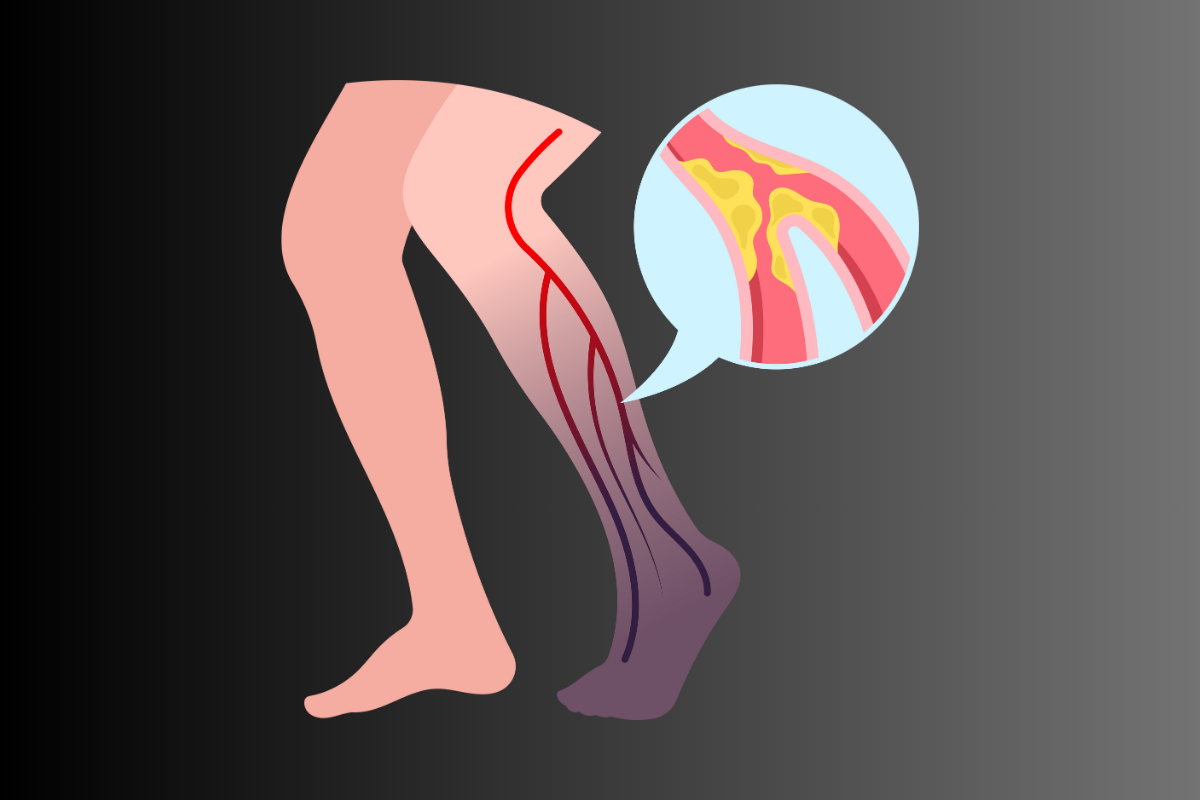
Diabetic Neuropathy
Nerve damage due to high sugar levels causing pain or numbness. Ayurveda improves nerve health, circulation, and sugar control naturally.
Know More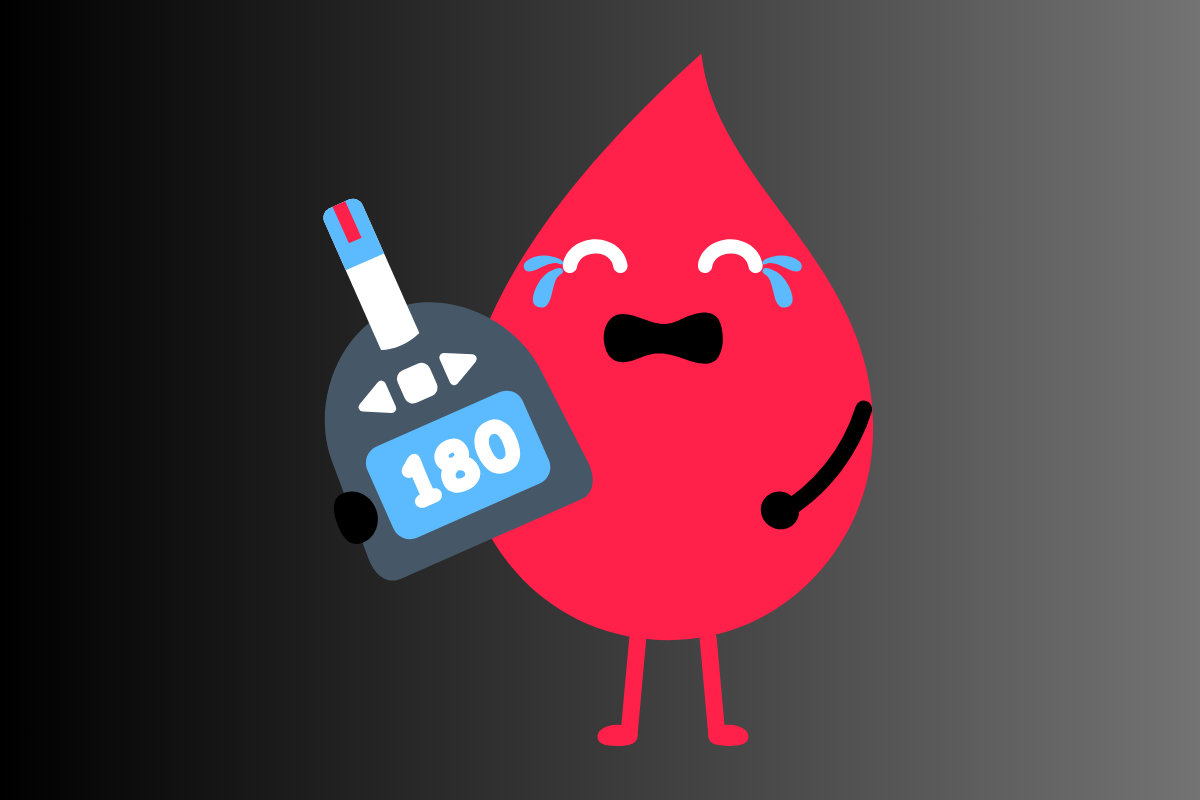
Diabetes Mellitus
Chronic blood sugar imbalance. Ayurveda manages with diet, herbs, detox, and lifestyle modifications for long-term control.
Know More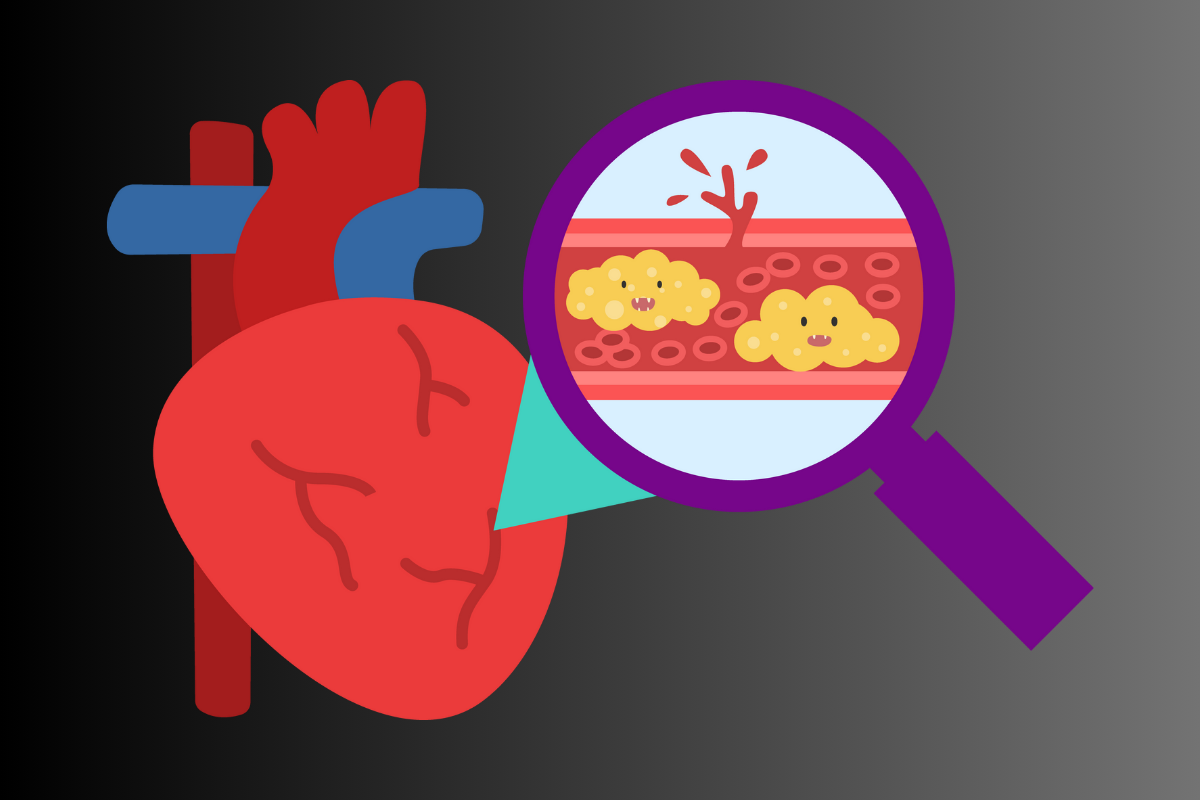
Cardiovascular Disease (CVD)
Heart and blood vessel disorders including hypertension and blockage. Ayurveda improves circulation, heart strength, and overall cardiac health.
Know More
Stroke
Brain attack caused by blocked or ruptured blood vessels. Ayurveda supports recovery, improves circulation, and strengthens neurological function.
Know More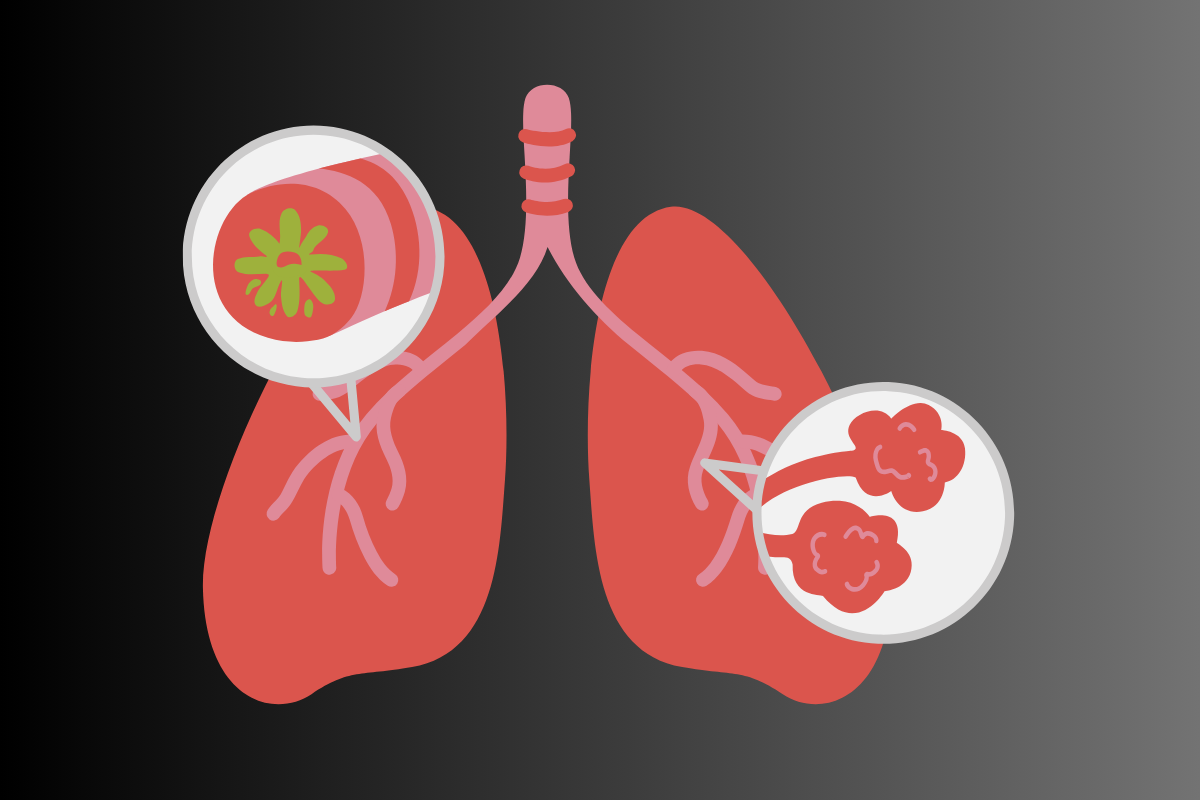
COPD (Chronic Respiratory Disease)
Chronic lung disorder causing breathlessness and cough. Ayurveda reduces inflammation, strengthens lungs, and enhances respiratory function.
Know More
Low Blood Pressure
Causing dizziness and fatigue. Ayurveda stabilizes circulation, strengthens heart and vessels, and improves energy naturally.
Know More
High Blood Pressure
Hypertension affecting heart and arteries. Ayurveda balances stress, improves circulation, and supports long-term heart health.
Know More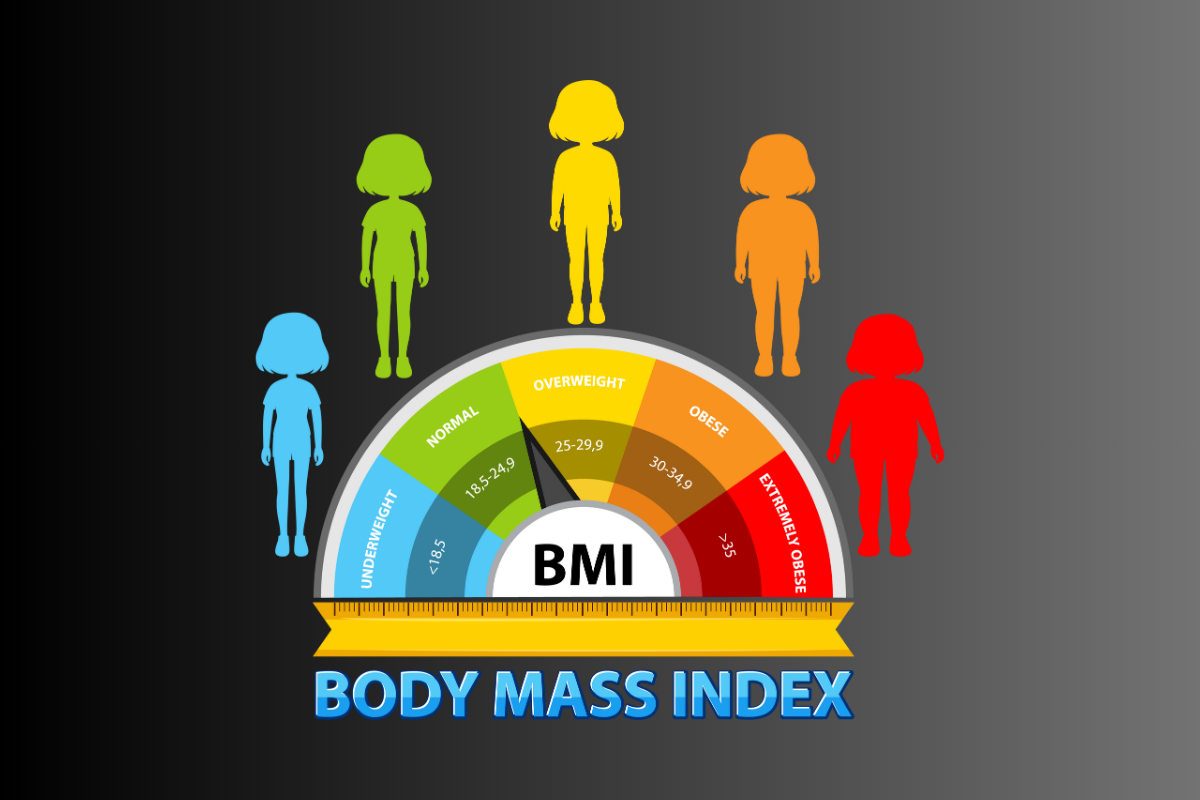
Obesity
Excess body weight causing metabolic stress. Ayurveda promotes weight loss through diet, herbs, and lifestyle adjustments.
Know More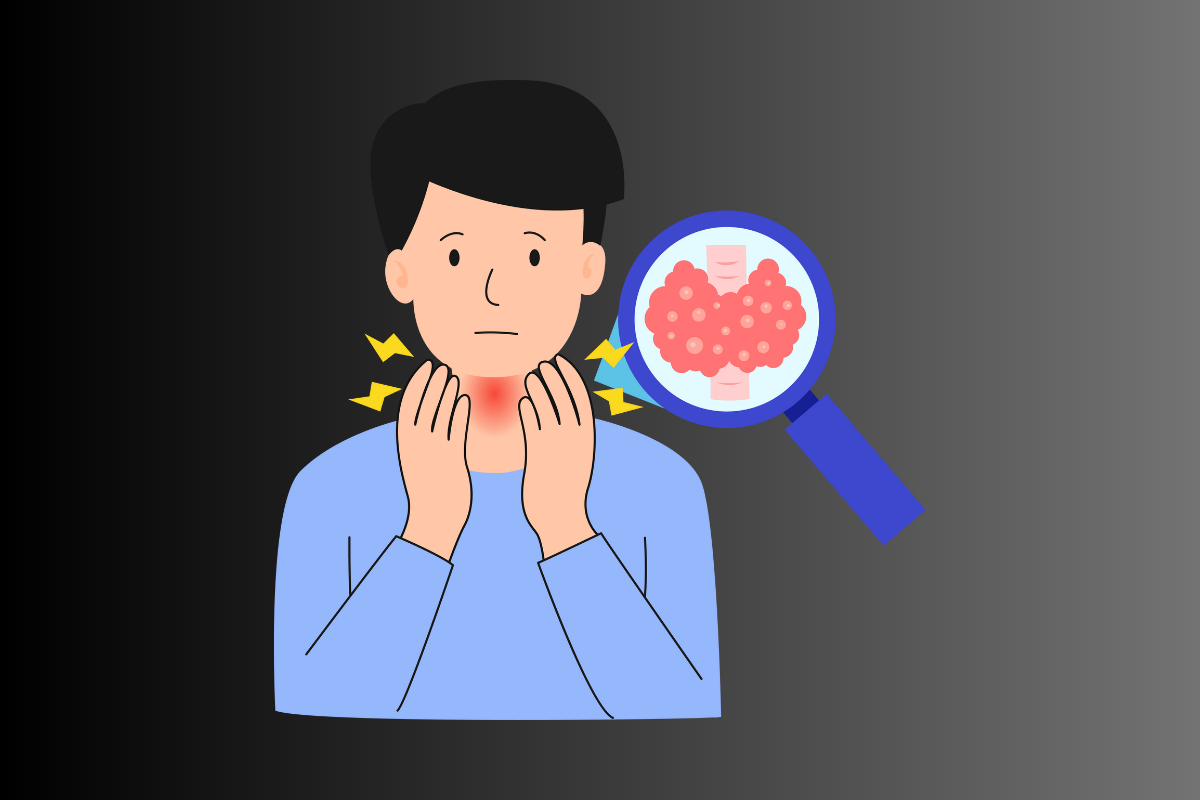
Hypothyroidism
Underactive thyroid affecting metabolism. Ayurveda boosts thyroid function with herbs, diet, and detox therapies.
Know More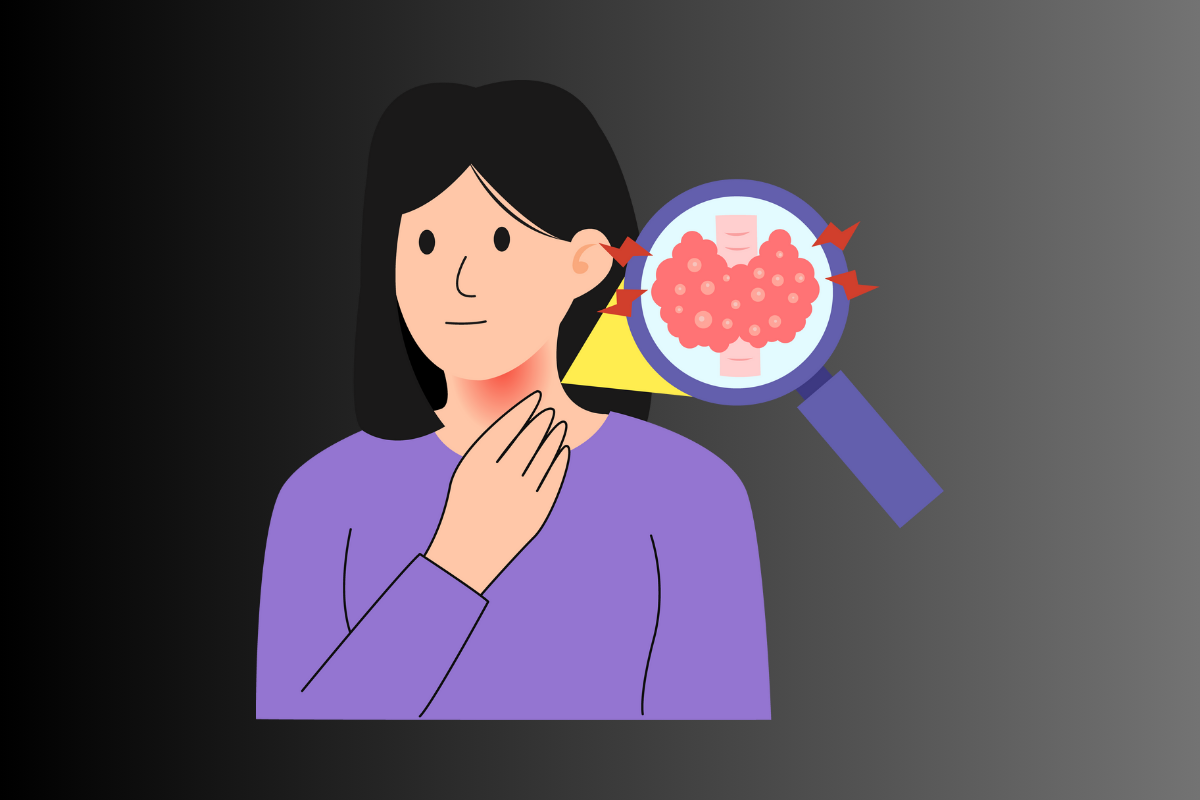
Hyperthyroidism
Overactive thyroid causing metabolic imbalance. Ayurveda regulates hormones and metabolism with herbal therapies.
Know More
Insomnia
Difficulty sleeping due to stress or imbalance. Ayurveda promotes restful sleep with herbal tonics, meditation, and lifestyle care.
Know More
Anxiety
Stress and nervous tension. Ayurveda calms the mind, balances Vata dosha, and improves overall mental well-being.
Know More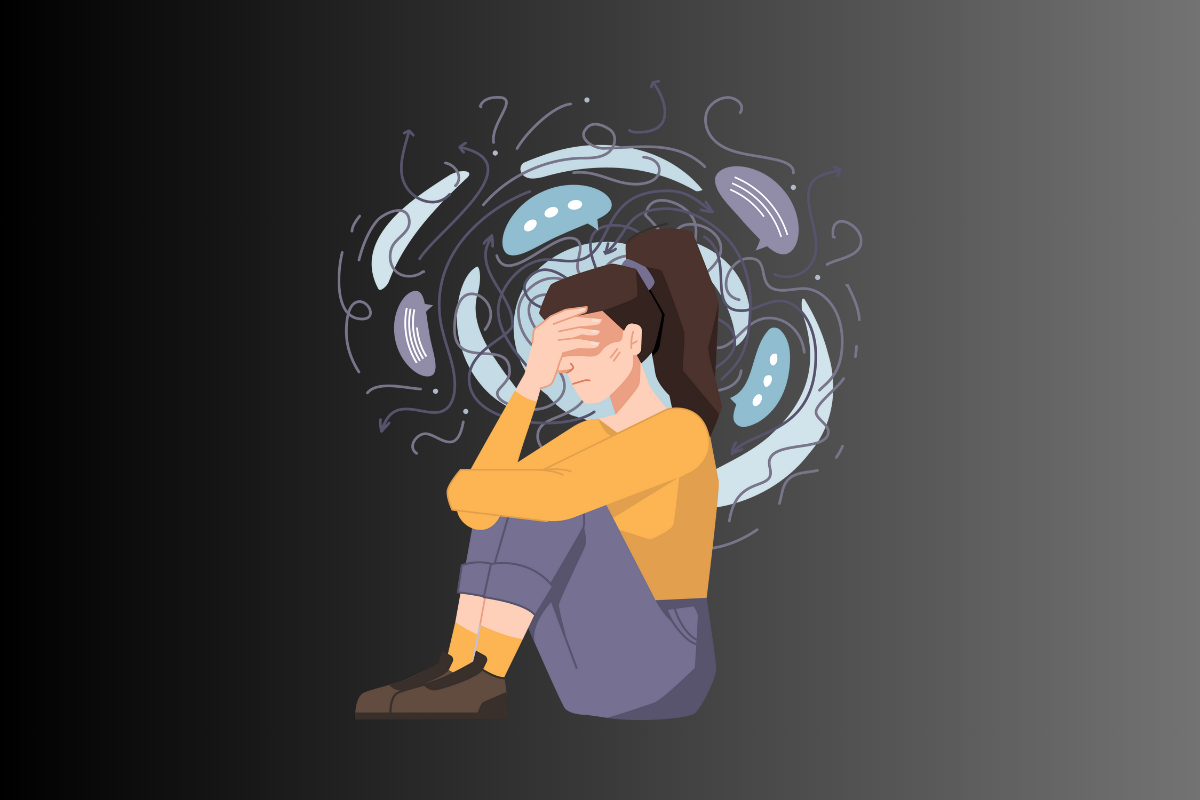
Depression
Persistent low mood affecting quality of life. Ayurveda uses herbal remedies, stress management, and lifestyle therapies for mental balance.
Know More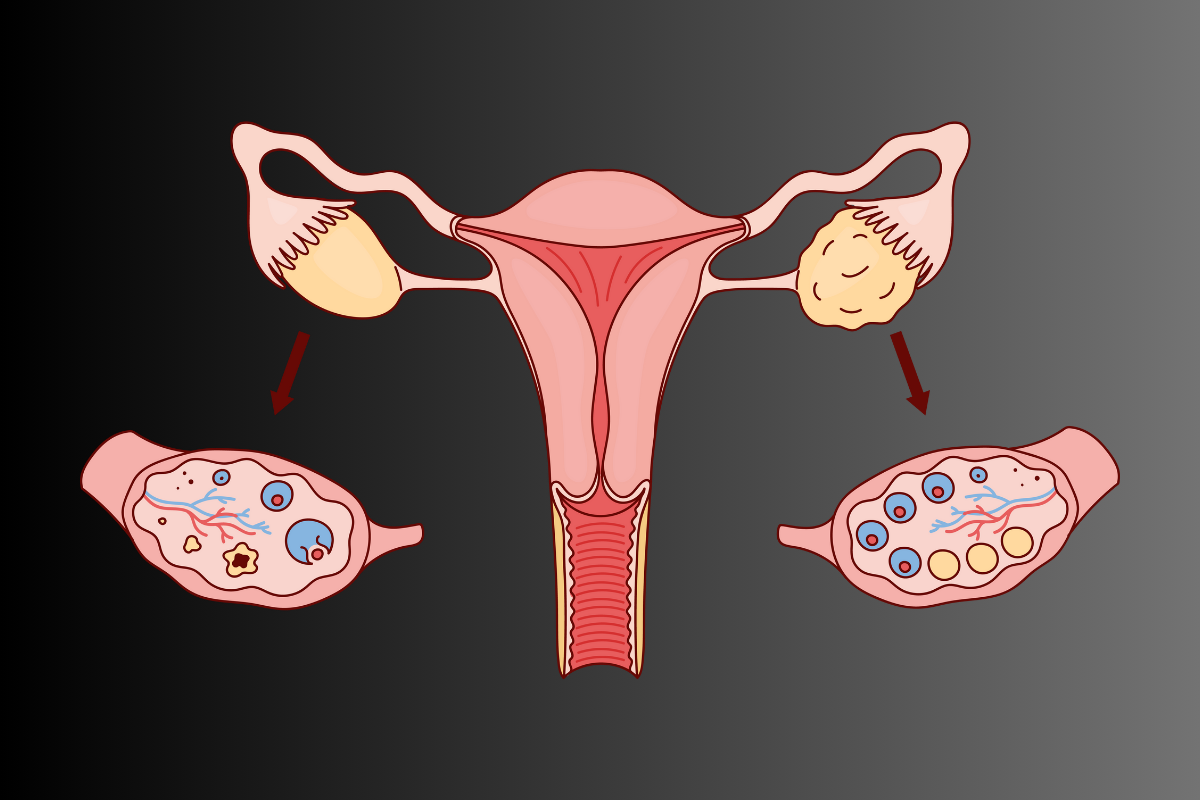
PCOD / PCOS
Hormonal imbalance causing irregular periods, weight gain, and fertility issues. Ayurveda regulates hormones, improves metabolism, and supports reproductive health.
Know MoreModern lifestyles, irregular eating patterns, stress, and lack of movement have led to a rise in chronic diseases such as diabetes, cardiovascular disorders, thyroid imbalance, PCOS, anxiety, and depression. While modern medicine primarily focuses on managing symptoms, Ayurveda emphasizes addressing the root cause (Mula Hetu) — restoring balance in body, mind, and spirit.
Understanding Chronic Diseases through the Ayurvedic Lens
In Ayurveda, all diseases arise due to an imbalance of the Tridoshas — Vata, Pitta, and Kapha, and accumulation of Ama (metabolic toxins). These doshas influence every biological and psychological process in the body.
When these doshas become imbalanced due to poor diet, lack of exercise, stress, or suppressed emotions, it leads to malfunctioning of tissues (Dhatus) and channels (Srotas), resulting in chronic ailments.
Disease Type | Primary Dosha Involved | Ayurvedic View |
Diabetes Mellitus | Kapha & Pitta | Excess sweetness and sedentary lifestyle leading to Meda (fat tissue) vitiation and Ojas depletion |
Cardiovascular Disease | Vata & Pitta | Circulatory blockages and oxidative stress damaging Hridaya (heart) |
Obesity | Kapha | Sluggish metabolism and accumulation of Ama |
Hypothyroidism | Kapha | Metabolic slowdown due to impaired Agni (digestive fire) |
Hyperthyroidism | Pitta & Vata | Overactive metabolism and nervous excitation |
PCOD/PCOS | Kapha & Vata | Hormonal imbalance due to faulty metabolism and stress |
Anxiety & Insomnia | Vata | Excessive mental activity and nervous system dryness |
Depression | Kapha & Vata | Emotional stagnation and nervous exhaustion |
Ayurveda’s Healing Philosophy
Unlike modern systems that isolate each disease, Ayurveda sees the human body as a network of interdependent systems. Hence, treatment focuses on:
- Dosha Balance (Tridosha Samya) – Using herbs, diet, and therapies to balance Vata, Pitta, and Kapha.
- Agni Restoration (Digestive Fire Correction) – Improving metabolism to prevent toxin buildup.
- Ama Elimination (Detoxification) – Removing accumulated waste through Panchakarma.
- Dhatu Nourishment – Strengthening tissues like blood (Rakta), muscle (Mamsa), and nerve (Majja).
- Manas Shanti (Mental Peace) – Addressing emotional causes through meditation, Shirodhara, and herbal Rasayanas.
Common Root Causes of Chronic Diseases (According to Ayurveda)
- Apathya Ahara – Overeating, fast food, processed items, incompatible food combinations.
- Apathya Vihara – Irregular sleep, sedentary lifestyle, excess screen time, late-night work.
- Manasika Nidana – Emotional stress, anxiety, anger, or suppression of natural urges.
- Vishama Agni – Disturbed digestive fire causing improper metabolism.
- Ama Sanchaya – Accumulation of toxins clogging channels and tissues.
By identifying these causes, Ayurveda not only treats diseases but prevents relapses and promotes long-term wellness.
The Panchakarma Connection: Cleansing Before Healing
For any chronic disease, Ayurveda begins with detoxification through Panchakarma Chikitsa. This five-fold purification removes deep-seated toxins, resets metabolism, and prepares the body for rejuvenation therapies.
Panchakarma Procedure | Purpose | Ideal For |
Vamana (Therapeutic Emesis) | Eliminates excess Kapha and toxins from the upper body | Obesity, Diabetes, Asthma |
Virechana (Purgation) | Cleanses Pitta and the liver | Hypertension, Hyperthyroidism, PCOD |
Basti (Medicated Enema) | Nourishes and detoxifies the colon | Diabetes Neuropathy, Anxiety, Stroke recovery |
Nasya (Nasal Therapy) | Clears toxins from head region | COPD, Sinus, Insomnia, Depression |
Raktamokshana (Bloodletting) | Purifies blood and improves circulation | Hypertension, Skin disorders |
Why Ayurveda Excels in Managing Chronic Conditions
- Root-Cause Healing: Ayurveda eliminates disease from its origin instead of suppressing symptoms.
- Customized Treatment: Every therapy is tailored according to the patient’s Prakriti and Dosha imbalance.
- Natural & Safe: No dependency, no long-term side effects.
- Holistic Care: Integrates physical, emotional, and spiritual healing.
Ayurvedic Therapies at Dr. Acharya’s Ayurveda for Chronic Diseases
Dr. Acharya’s Ayurveda integrates classical Panchakarma with rejuvenative therapies for sustainable healing. Each therapy supports organ detoxification, mental calmness, and hormonal balance.
- Abhyanga & Swedana – Improve circulation, metabolism, and nervous strength.
- Nadi Swedan, Churna Potli, Patra Potli – Reduce inflammation, stiffness, and improve mobility.
- Shirodhara – Calms the mind, balances hormones, and treats insomnia and anxiety.
- Udvartana – Dry herbal powder massage for obesity and metabolism correction.
- Virechana & Vamana – Detoxification for metabolic and hormonal balance.
- Basti & Nasyam – Strengthen nervous system, support cardiovascular and respiratory health.
- Kashaya Dhara, Lepam, and Navara Kizhi – Rejuvenate tissues, especially in neuropathic and vascular conditions.
- Uttara Basti & Prishtha Vasti – Regulate endocrine and reproductive system functions.
Ayurvedic Lifestyle Guidelines (Dinacharya & Ritucharya)
- Wake up before sunrise (Brahma Muhurta) to regulate circadian rhythm.
- Daily Abhyanga (self-massage) to nourish the nervous system.
- Eat fresh, warm, easily digestible food according to your dosha.
- Avoid cold, heavy, fried foods that increase Kapha.
- Practice Yoga & Pranayama daily – especially Nadi Shodhana, Kapalabhati, Bhramari, and Ujjayi.
- Meditate 10–15 minutes daily to manage stress and stabilize emotions.
- Sleep between 10 PM and 6 AM for hormonal balance and rejuvenation.
Ayurvedic Management of Cardiovascular & Neurological Disorders
2.1 CVD (Cardiovascular Disease) and Stroke
Understanding the Cause (Nidana):
From an Ayurvedic perspective, Hrudroga (heart diseases) arise due to imbalances in Vata and Kapha doshas. Excessive stress, irregular diet, consumption of oily and processed foods, and sedentary lifestyle lead to the accumulation of Ama (toxins) that block srotas (channels) — particularly those responsible for blood circulation (Rasa Vaha Srotas). Over time, this results in plaque formation, hypertension, and weakened cardiac function.
Symptoms:
- Chest heaviness or tightness
- Fatigue and breathlessness
- Irregular heartbeat or palpitations
- Swelling in feet or ankles
- Dizziness and weakness
Ayurvedic Management:
- Panchakarma:
- Abhyanga and Swedan improve circulation, reduce stiffness, and eliminate toxins through sweating.
- Hridaya Basti (oil pooling over the heart region) nourishes cardiac tissues and strengthens the heart muscles.
- Virechana helps remove Pitta and Ama from the liver and intestines, aiding lipid metabolism.
- Abhyanga and Swedan improve circulation, reduce stiffness, and eliminate toxins through sweating.
- Herbal Support:
- Arjuna (Terminalia arjuna) is a potent cardiac tonic that enhances heart function and regulates cholesterol.
- Guggulu and Triphala support lipid metabolism and improve vessel elasticity.
- Arjuna (Terminalia arjuna) is a potent cardiac tonic that enhances heart function and regulates cholesterol.
- Lifestyle Advice:
- Consume a Sattvic diet rich in fruits, green vegetables, and whole grains.
- Practice Pranayama and Anulom-Vilom daily to calm Vata and improve oxygenation.
- Avoid emotional stress — engage in meditation, chanting, or light walks after meals.
- Consume a Sattvic diet rich in fruits, green vegetables, and whole grains.
For Stroke (Pakshaghata):
Ayurveda associates stroke with aggravated Vata dosha obstructing nerve channels. Post-stroke management focuses on restoring nerve function and improving mobility.
- Therapies:
- Nadi Swedan and Patra Potli Swedan enhance blood flow to paralyzed limbs.
- Shirodhara balances the nervous system and reduces post-stroke anxiety.
- Basti therapy (medicated enema) rejuvenates the nervous system and improves limb strength.
- Nadi Swedan and Patra Potli Swedan enhance blood flow to paralyzed limbs.
2.2 COPD (Chronic Obstructive Pulmonary Disease)
Ayurvedic Viewpoint:
In Ayurveda, COPD is related to Shwasa Roga — a group of respiratory disorders caused by imbalances in Vata and Kapha. Excess mucus accumulation, environmental pollution, and weak digestion (Mandagni) lead to respiratory constriction and breathlessness.
Symptoms:
- Chronic cough with mucus
- Wheezing
- Shortness of breath
- Chest tightness
Ayurvedic Management:
- Detox Therapies:
- Vamana (Therapeutic Vomiting) clears excess Kapha from the lungs and upper channels.
- Nasyam (nasal therapy) removes obstructions and improves breathing capacity.
- Kashaya Dhara (herbal decoction pouring) detoxifies respiratory pathways.
- Vamana (Therapeutic Vomiting) clears excess Kapha from the lungs and upper channels.
- Herbal Support:
- Vasa (Adhatoda vasica) and Tulsi act as natural bronchodilators.
- Pippali (long pepper) enhances lung function and clears phlegm.
- Vasa (Adhatoda vasica) and Tulsi act as natural bronchodilators.
- Lifestyle:
- Avoid exposure to smoke and dust.
- Perform Pranayama (especially Bhastrika and Kapalabhati) to strengthen the lungs.
- Include warm, light, easily digestible foods — soups, herbal teas, and ginger-infused water.
- Avoid exposure to smoke and dust.
2.3 Blood Pressure Disorders (High & Low BP)
High Blood Pressure (Hypertension)
Ayurvedic Understanding:
Known as Raktagata Vata, hypertension occurs when aggravated Vata moves within the blood channels, disturbing Pitta and Kapha. Stress, anger, irregular sleep, and excessive salt intake aggravate the condition.
Ayurvedic Treatment:
- Shirodhara with medicated oils (Brahmi, Chandan) calms the nervous system and controls stress-induced BP spikes.
- Virechana helps regulate Pitta and detoxifies the liver.
- Abhyanga improves circulation and relaxes the mind.
- Herbs: Sarpagandha, Arjuna, Brahmi, and Jatamansi naturally lower BP.
- Diet & Lifestyle: Avoid salt, caffeine, and stress. Follow a balanced diet with fruits like pomegranate and bottle gourd.
Low Blood Pressure (Hypotension)
Ayurvedic Perspective:
Attributed to Vata imbalance and poor digestion, resulting in weak cardiac output and low energy.
- Therapies: Abhyanga, Basti, and Navara Kizhi to enhance strength and circulation.
- Herbs: Ashwagandha, Shatavari, and Licorice to improve vitality.
- Diet: Include warm milk, ghee, soups, and herbal teas to stabilize energy levels.
2.4 Obesity (Sthoulya)
Root Cause:
Obesity in Ayurveda is seen as a disorder of Kapha and Medo Dhatu (fat tissue). Poor metabolism, lack of exercise, and emotional eating cause accumulation of fat and Ama.
Ayurvedic Therapies:
- Udvartana (Dry Powder Massage): Breaks down fat deposits and improves lymphatic drainage.
- Patra Potli & Churna Potli Swedan: Reduce Kapha and improve metabolism.
- Virechana: Detoxifies the digestive system and supports fat metabolism.
- Herbal Support: Triphala, Guggulu, Mustaka, and Punarnava enhance digestion and remove toxins.
- Diet & Lifestyle:
- Avoid sugar, dairy, and fried food.
- Practice early dinners and intermittent fasting under guidance.
- Include daily walks, yoga, and Surya Namaskar to burn calories naturally.
- Avoid sugar, dairy, and fried food.
Ayurvedic Management of Hormonal & Neurological Imbalances
3.1 Hypothyroidism and Hyperthyroidism
Ayurvedic Understanding
In Ayurveda, thyroid disorders are primarily classified under Agnimandya (weak digestive fire) and Doshic Imbalance. The thyroid gland’s dysfunction is linked with disturbed Vata, Pitta, and Kapha balance.
- Hypothyroidism (Galaganda / Kapha-Vata imbalance):
The sluggish metabolism, fatigue, and weight gain occur due to Kapha dosha dominance, which slows down Agni (digestive fire). - Hyperthyroidism (Pitta-Vata aggravation):
Overactive metabolism, irritability, and excessive sweating result from aggravated Pitta and Vata doshas.
Symptoms
Hypothyroidism:
- Weight gain and fatigue
- Constipation
- Cold intolerance
- Dry skin and hair fall
- Depression or dull mood
Hyperthyroidism:
- Weight loss despite good appetite
- Anxiety and palpitations
- Insomnia and restlessness
- Excess sweating
- Tremors or heat intolerance
Ayurvedic Therapies
- Abhyanga & Swedan: Regular oil massage with medicated sesame or mustard oil to improve circulation and reduce Kapha accumulation.
- Virechana: Gentle purgation to detoxify Pitta and support hormonal balance.
- Basti: Medicated enema therapy to stabilize Vata and rejuvenate the endocrine system.
- Shirodhara: Continuous pouring of herbal oil on the forehead to balance stress hormones and regulate thyroid function.
- Patra Potli Swedan & Udvartana: Stimulate metabolism and lymphatic drainage.
Herbal & Dietary Support
- Kanchanar Guggulu – classical Ayurvedic formulation to reduce goiter and regulate thyroid function.
- Triphala – improves digestion and removes metabolic waste.
- Ashwagandha – balances Vata and supports thyroid hormone production.
- Punarnava – helps in water retention and supports liver detoxification.
- Brahmi & Jatamansi – calm the mind and regulate overactive metabolism.
Diet Recommendations:
- Avoid processed food, refined flour, and excess dairy.
- Include iodine-rich foods (if medically suitable), sesame seeds, and leafy greens.
- Practice mindful eating — small, warm, freshly cooked meals.
3.2 Insomnia (Anidra)
Ayurvedic Perspective
Insomnia occurs when Vata dosha becomes aggravated, disturbing the mind’s calmness (Manovaha Srotas). Mental stress, excessive screen time, irregular sleep schedules, and caffeine overuse worsen Vata and Pitta, disrupting sleep cycles.
Ayurvedic Therapies
- Shirodhara: Flow of medicated oil on the forehead helps in calming the nervous system and inducing deep relaxation.
- Abhyanga (Oil Massage): Soothing massage with Brahmi taila or Ksheerabala taila before bedtime promotes relaxation.
- Nasyam: Application of herbal oil in nostrils nourishes brain tissues and regulates Prana Vata.
- Padabhyanga (Foot Massage): Using warm sesame or ghee helps induce natural sleep.
Herbs & Diet
- Brahmi, Jatamansi, Tagara, Ashwagandha – natural nervine tonics and mild sedatives.
- Warm milk with nutmeg or turmeric before bed improves sleep quality.
- Avoid caffeine, alcohol, and spicy food.
- Maintain a fixed sleep schedule and perform Yoga Nidra or gentle breathing exercises before bed.
3.3 Anxiety and Depression (Chittodvega / Vishada)
Ayurvedic Understanding
Mental health issues in Ayurveda are primarily due to imbalance in Vata (especially Prana Vata) and disturbance in the Sattva (purity) of the mind. Emotional stress, poor sleep, and toxin buildup in the nervous system (Aam in Manovaha Srotas) lead to instability, fear, and low mood.
Symptoms
- Restlessness or excessive worry
- Fatigue or lack of motivation
- Loss of appetite or overeating
- Palpitations or breathlessness
- Negative thoughts or brain fog
Ayurvedic Therapies
- Shirodhara: Profoundly effective for stress, anxiety, and emotional imbalance.
- Abhyanga & Swedan: Promote grounding and relaxation by pacifying Vata.
- Nasya: Improves mental clarity and emotional balance.
- Basti: Restores nervous system health and enhances neurotransmitter balance.
- Kashaya Dhara: Herbal decoctions poured over the body for calming the mind and improving circulation.
Herbs & Supportive Measures
- Ashwagandha – combats stress and stabilizes mood.
- Brahmi – improves clarity, focus, and emotional resilience.
- Mandukaparni (Gotu Kola) – rejuvenates the nervous system.
- Jatamansi – relieves anxiety, supports deep sleep, and balances Vata.
- Meditation, pranayama (Anulom Vilom, Bhramari), and exposure to sunlight support serotonin balance naturally.
3.4 PCOD/PCOS (Artava Vyapad)
Ayurvedic Perspective
Polycystic Ovarian Syndrome (PCOS) is seen as a Kapha-Vata disorder that disrupts Artava Dhatu (reproductive tissue) and Agni (digestive fire). Hormonal imbalance leads to irregular menstruation, ovarian cysts, acne, weight gain, and infertility.
Causes
- Poor digestion and accumulation of Ama (toxins)
- Stress and sedentary lifestyle
- Excessive intake of sugary and processed foods
- Irregular sleep and hormonal imbalance
Ayurvedic Management
- Panchakarma Therapies:
- Virechana: Cleanses excess Pitta and toxins from the body.
- Udvartana & Patra Potli Swedan: Reduce Kapha and improve metabolism.
- Basti & Uttara Basti: Regulate menstrual cycle and clear reproductive blockages.
- Shirodhara: Balances stress hormones and restores endocrine health.
- Virechana: Cleanses excess Pitta and toxins from the body.
- Herbal Formulations:
- Triphala Guggulu, Kanchanar Guggulu, Ashoka, Lodhra, Shatavari, and Aloe Vera (Kumari) help regulate periods and hormone function.
- Cinnamon, Fenugreek (Methi), and Turmeric improve insulin sensitivity.
- Triphala Guggulu, Kanchanar Guggulu, Ashoka, Lodhra, Shatavari, and Aloe Vera (Kumari) help regulate periods and hormone function.
- Diet & Lifestyle:
- Favor light, warm, and freshly cooked food.
- Avoid dairy, sweets, and fried foods.
- Engage in regular yoga (Surya Namaskar, Baddha Konasana, Malasana).
- Prioritize sleep and emotional balance.
- Favor light, warm, and freshly cooked food.
Ayurvedic Therapies at Dr. Acharya’s Ayurveda
At Dr. Acharya’s Ayurveda, we combine traditional Panchakarma therapies and individualized herbal formulations for holistic healing. Depending on the diagnosis, the following treatments are prescribed:
- Abhyanga Swedan – for detox, circulation, and stress relief
- Shirodhara – for insomnia, anxiety, thyroid, and stress
- Virechana / Vamana – for internal purification and metabolic balance
- Udvartana – for obesity and PCOD
- Basti / Uttara Basti – for hormonal and reproductive disorders
- Nasyam – for neurological rejuvenation and mood balance
Final Word
Modern lifestyle diseases like thyroid imbalance, PCOD, depression, and insomnia are not merely physical ailments — they are reflections of deep-seated energetic and metabolic disharmony. Ayurveda focuses not just on symptom relief but on restoring harmony between body, mind, and spirit.
Through authentic Ayurvedic diagnosis, Panchakarma, and personalized herbs, Dr. Acharya’s Ayurveda helps patients reclaim energy, clarity, and emotional well-being naturally — without side effects, by treating the root cause.

17+
Years of Experience
Our Legacy
Decades of Trusted Excellence
At Dr. Acharya’s Ayurveda, we offer a wide range of authentic Ayurvedic therapies to address chronic pain, joint disorders, neurological issues, and overall well-being. Each treatment is personalized to your body type (Prakriti) and health condition, ensuring holistic healing from the root cause.
- Personalized consultation
- Herbal medicines
- Panchakarma therapies
- Lifestyle & diet guidance
Your Path to Natural Healing & Wellness Starts Here
Experience the ancient wisdom of Ayurveda to restore balance, relieve pain, and rejuvenate your mind, body, and soul.