
ENT Ayurveda: Types, Causes, Symptoms & Treatment
ENT disorders affect the ears, nose, and throat, leading to symptoms such as hearing loss, earache, sinus congestion, sore throat, tonsillitis, or recurrent infections. These conditions often arise due to infections, allergies, environmental factors, or imbalances in the body’s doshas—particularly Vata and Kapha. Ayurveda addresses ENT problems with herbal remedies, nasal therapies (Nasya), detoxification procedures, and lifestyle adjustments to reduce inflammation, strengthen immunity, and restore proper functioning of the ENT system.
All Services
Our Full Range of ENT Care Services
ENT conditions can range from mild issues like sinus congestion, tonsillitis, or earwax buildup to chronic problems such as hearing loss, chronic sinusitis, or recurrent throat infections. If left untreated, these may lead to persistent discomfort, reduced immunity, or complications affecting daily life. Ayurvedic treatment focuses on root-cause correction by balancing doshas, cleansing toxins (Ama), and supporting natural immunity.
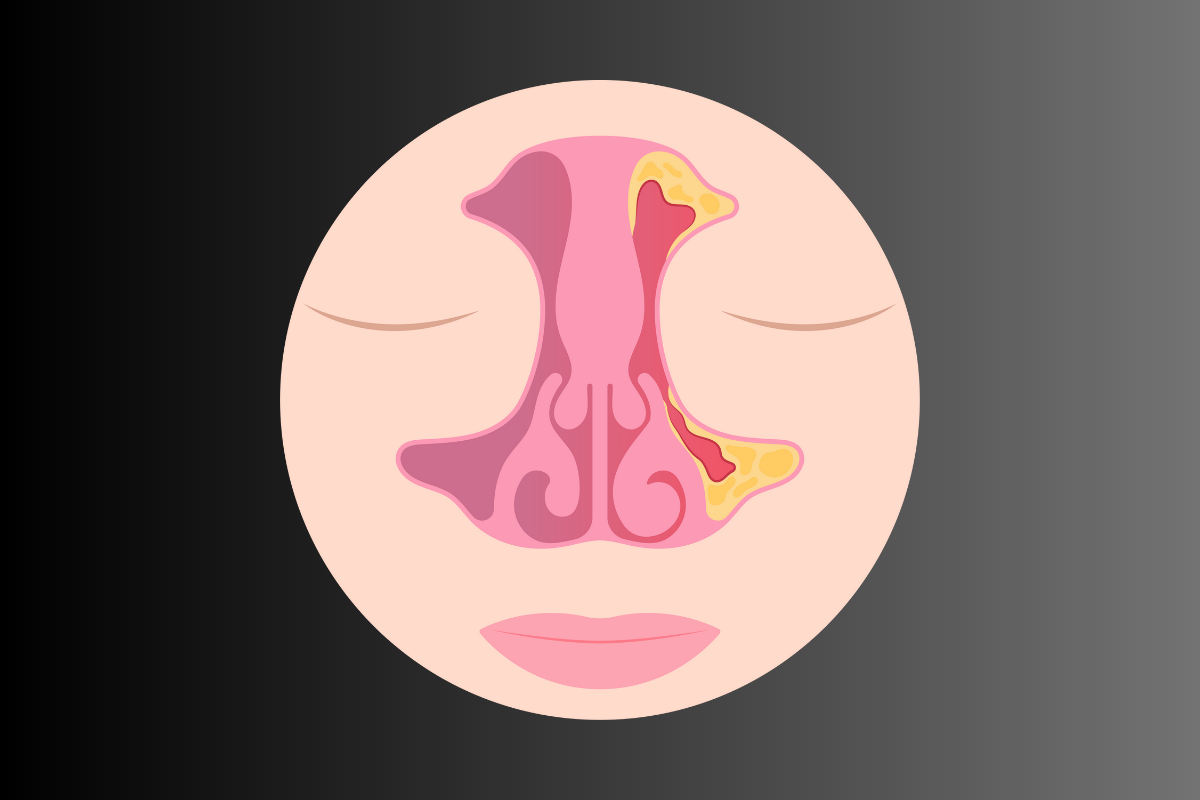
Sinusitis
Inflammation of sinuses causing congestion, headache, and pressure. Ayurveda uses herbal nasal therapies, detox, and immunity support.
Know More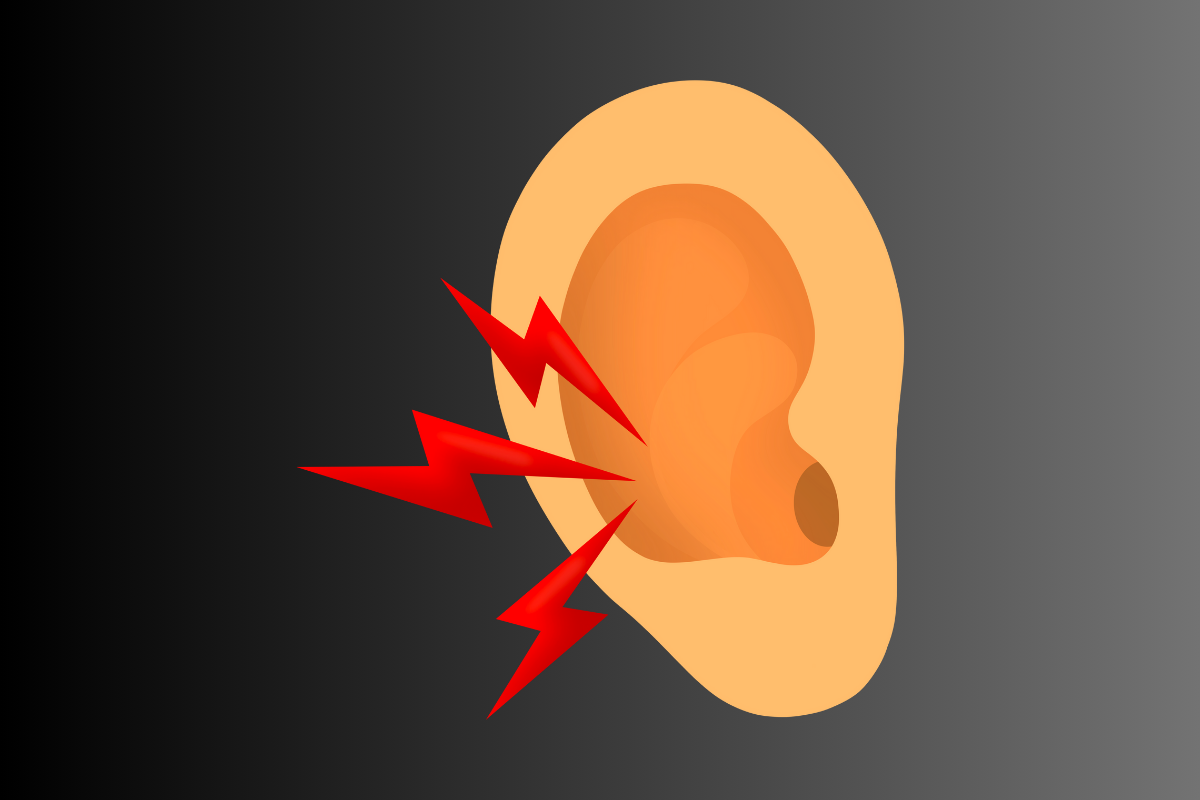
Tinnitus
Ringing or buzzing in the ears. Ayurveda balances Vata dosha, improves circulation, and uses herbal therapies for relief.
Know More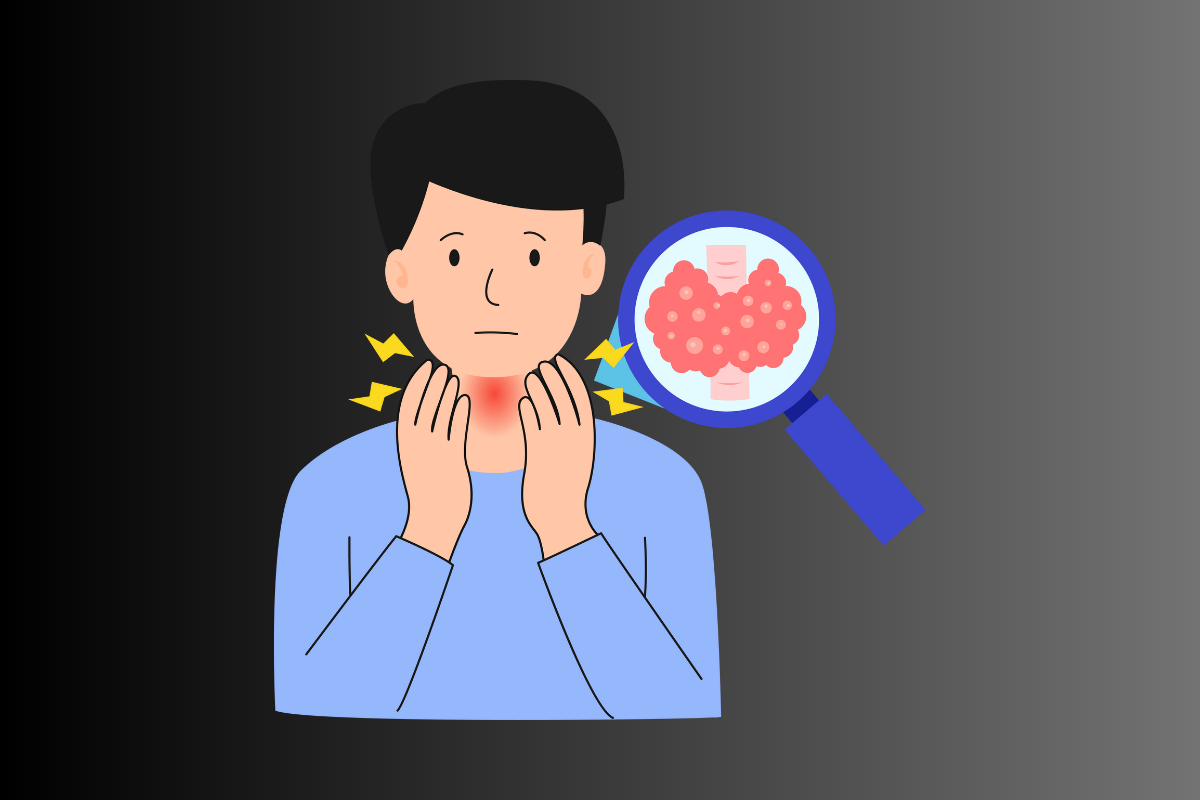
Hypothyroidism
Underactive thyroid causing fatigue, weight gain, and weakness. Ayurveda strengthens metabolism and supports thyroid function naturally.
Know More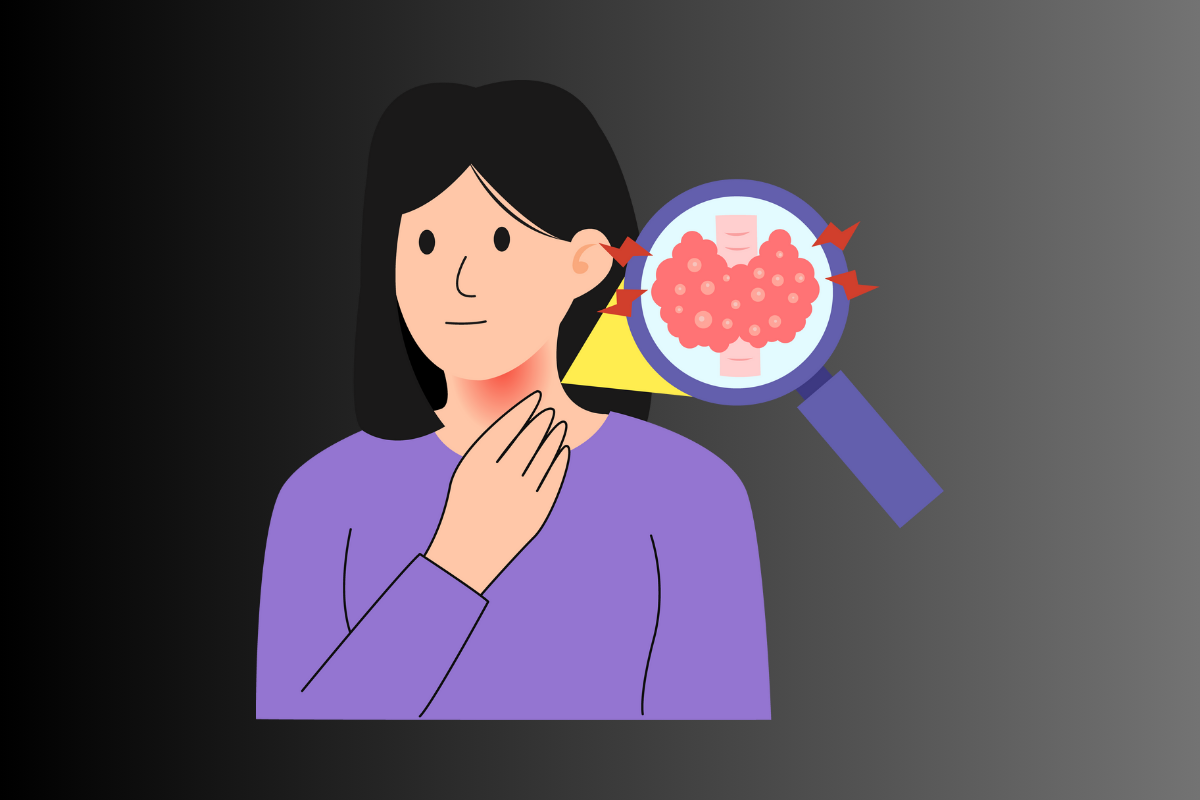
Hyperthyroidism
Overactive thyroid causing weight loss, anxiety, and palpitations. Ayurveda regulates metabolism, reduces stress, and balances hormones.
Know More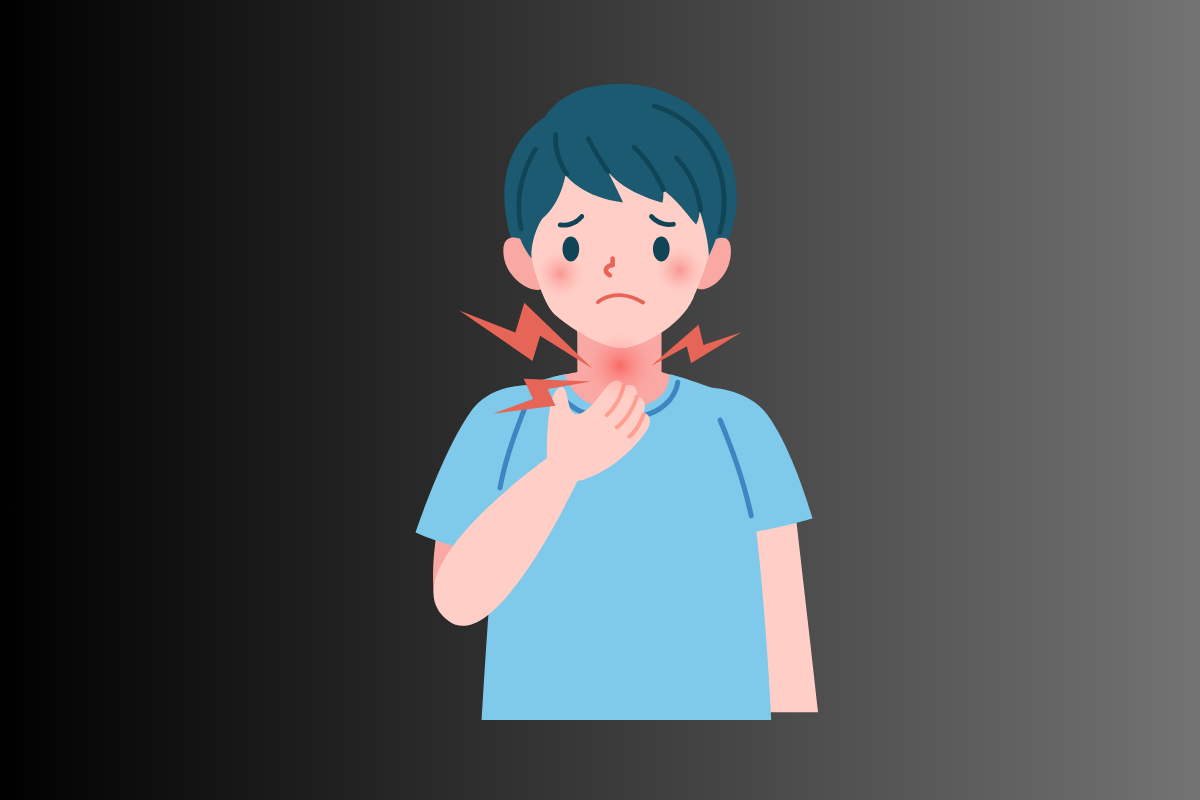
Sore Throat
Pain or irritation in the throat often due to infection. Ayurveda soothes with herbal gargles, teas, and immunity-supporting remedies.
Know More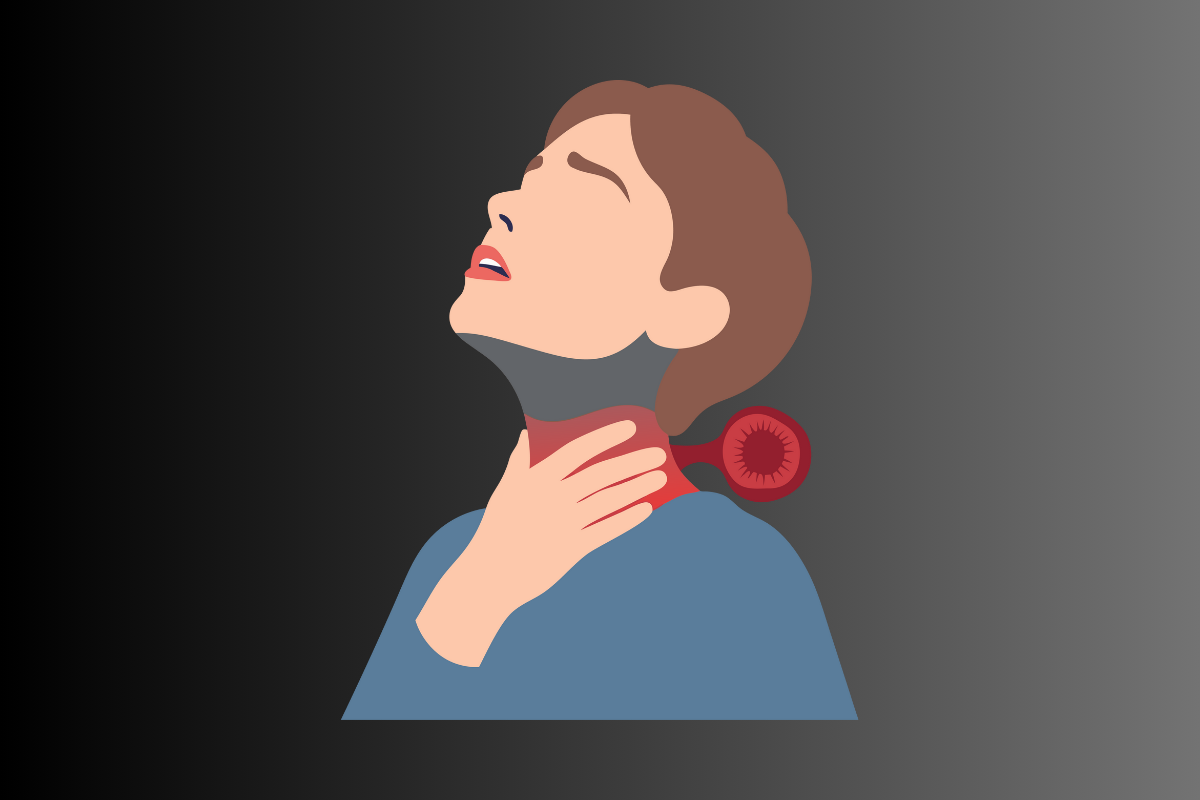
Tonsilitis
Inflammation of tonsils causing pain, fever, and difficulty swallowing. Ayurveda uses herbal decoctions, gargles, and detox therapies.
Know More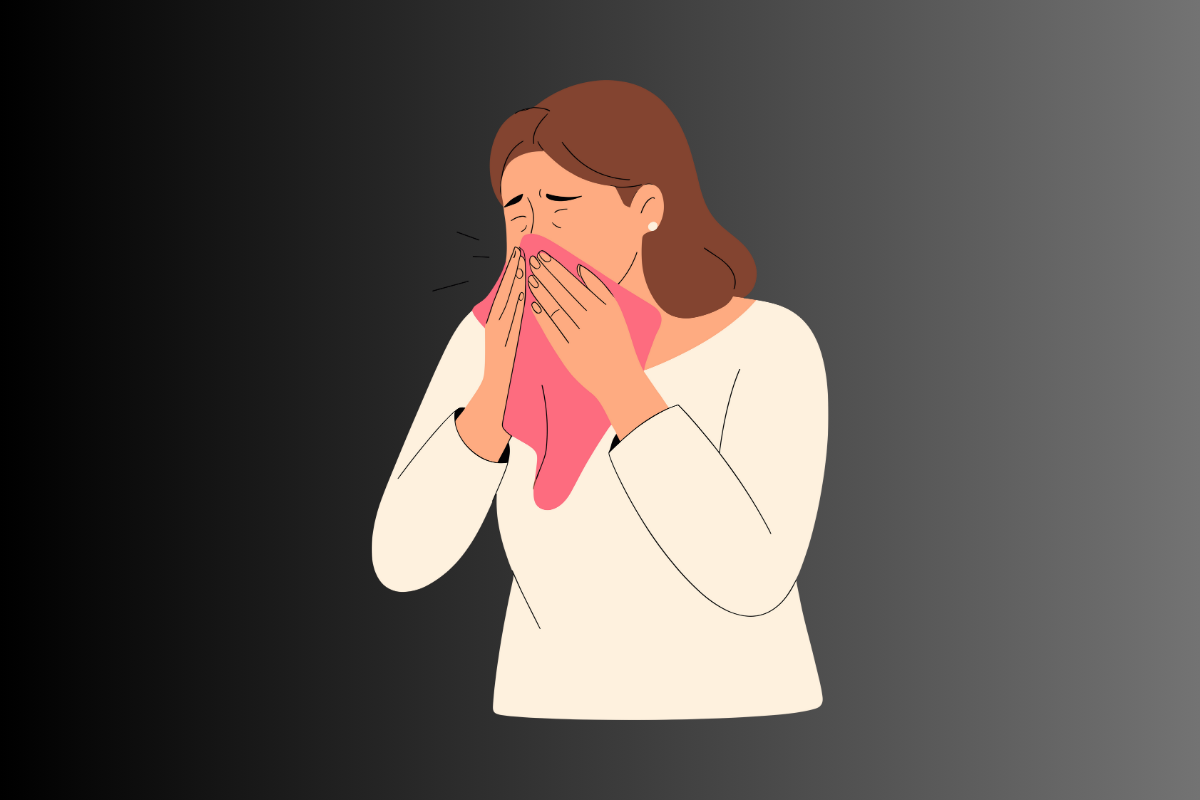
Allergic Cough
Cough triggered by allergens causing irritation. Ayurveda reduces inflammation, strengthens lungs, and balances immunity naturally.
Know More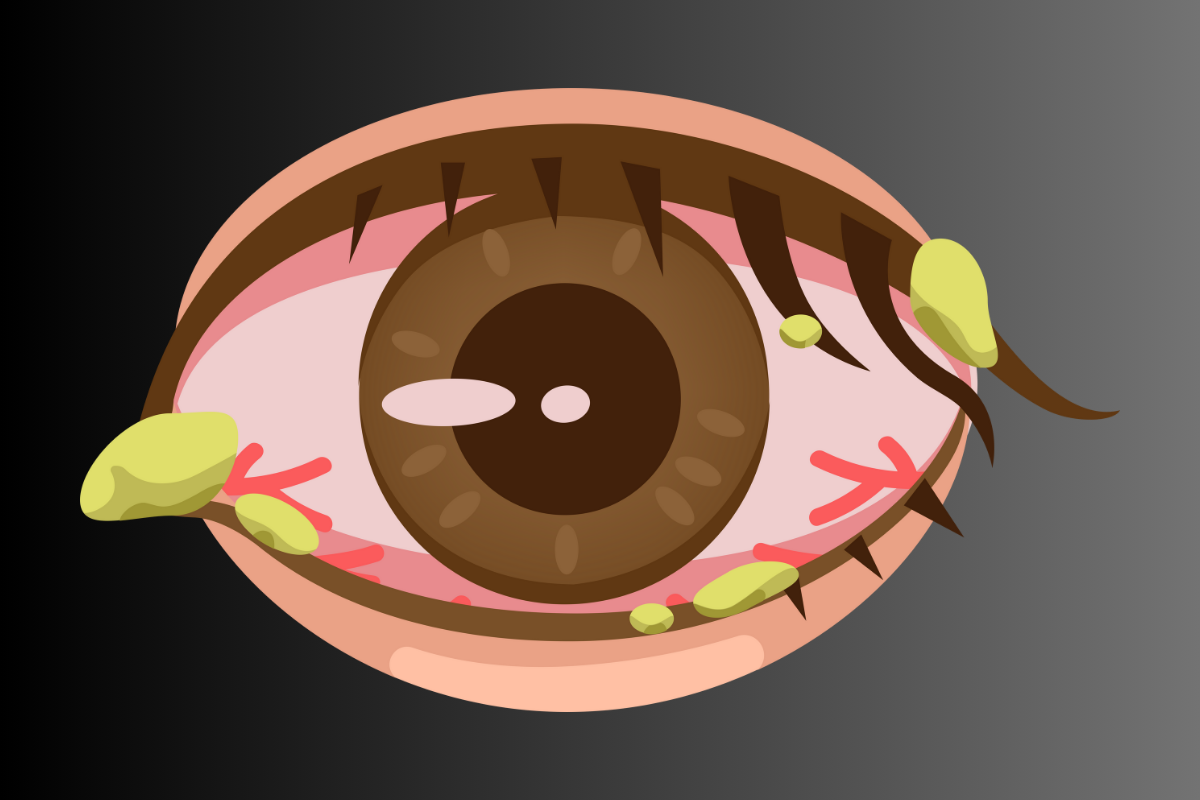
Eye Discharge
Watery or sticky discharge from eyes due to infection or allergies. Ayurveda uses herbal eye washes and immune-strengthening remedies.
Know More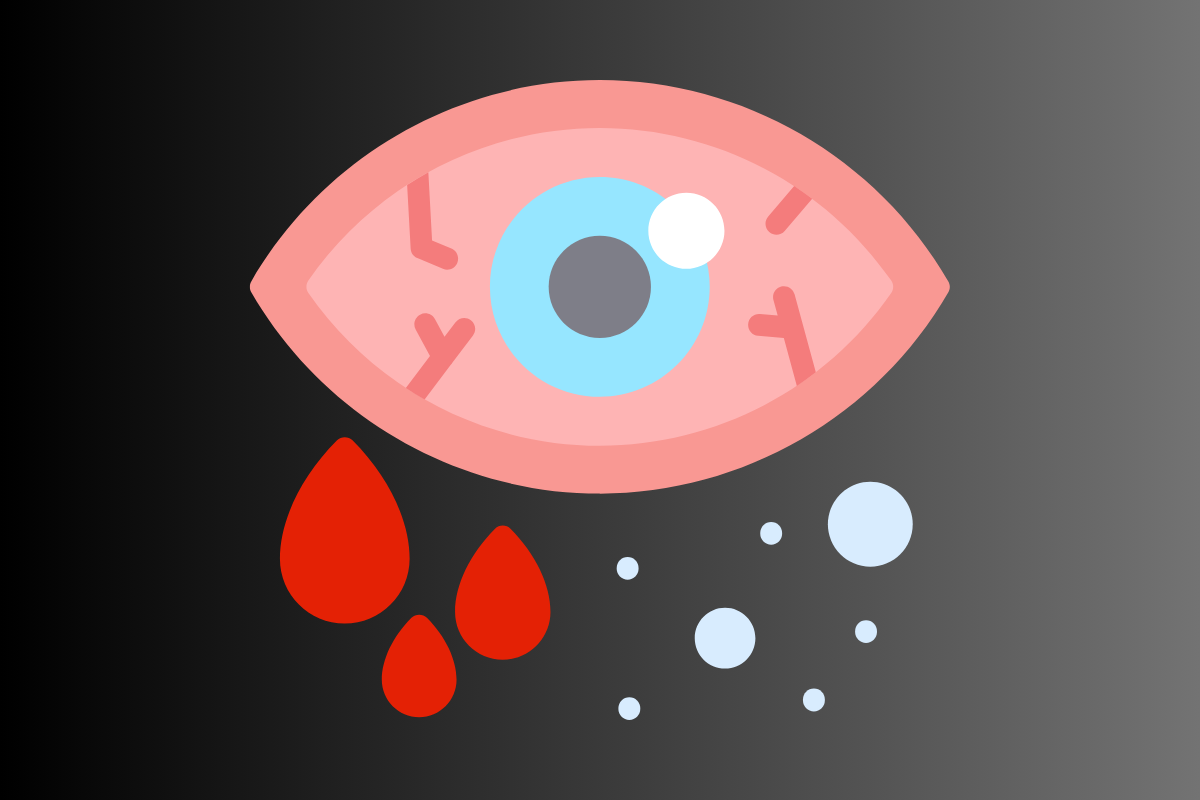
Conjunctivitis
Inflammation of the eye lining causing redness and itching. Ayurveda heals with herbal drops, detox, and immunity enhancement.
Know More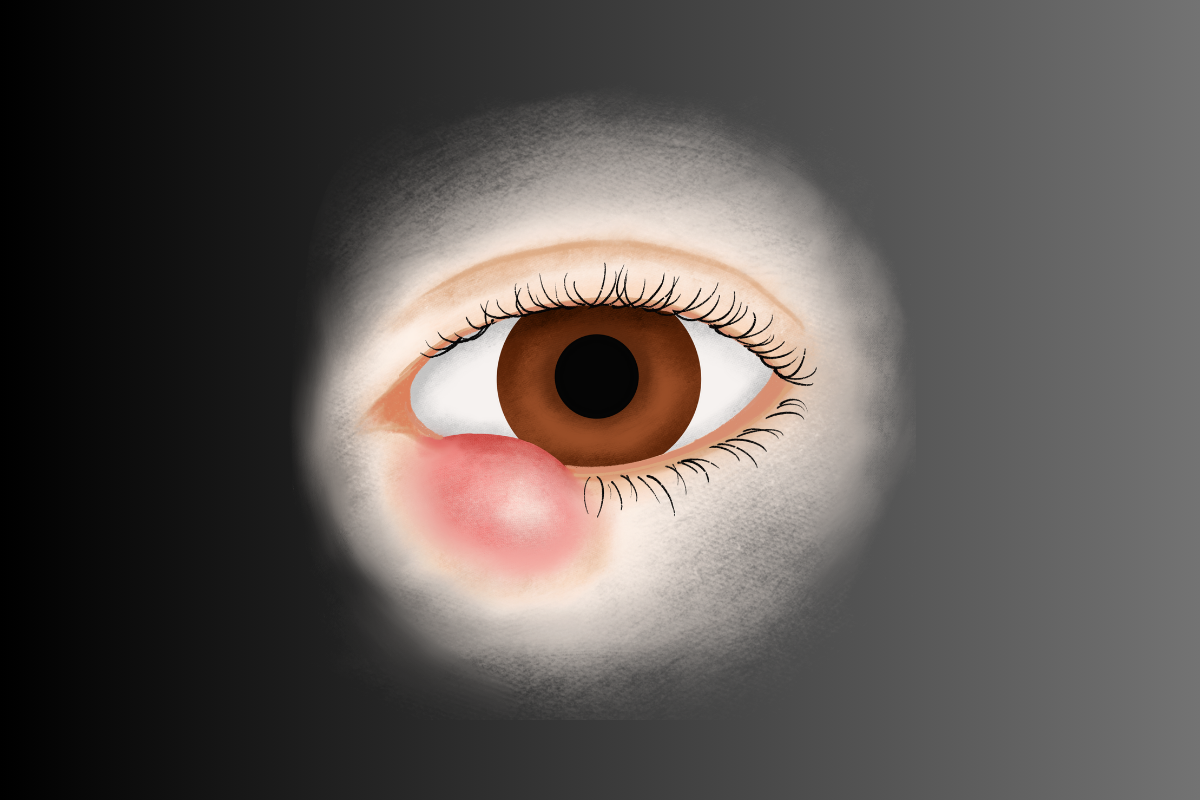
Stye
Painful lump on eyelid caused by bacterial infection. Ayurveda treats with herbal pastes, medicated oils, and immunity support.
Know More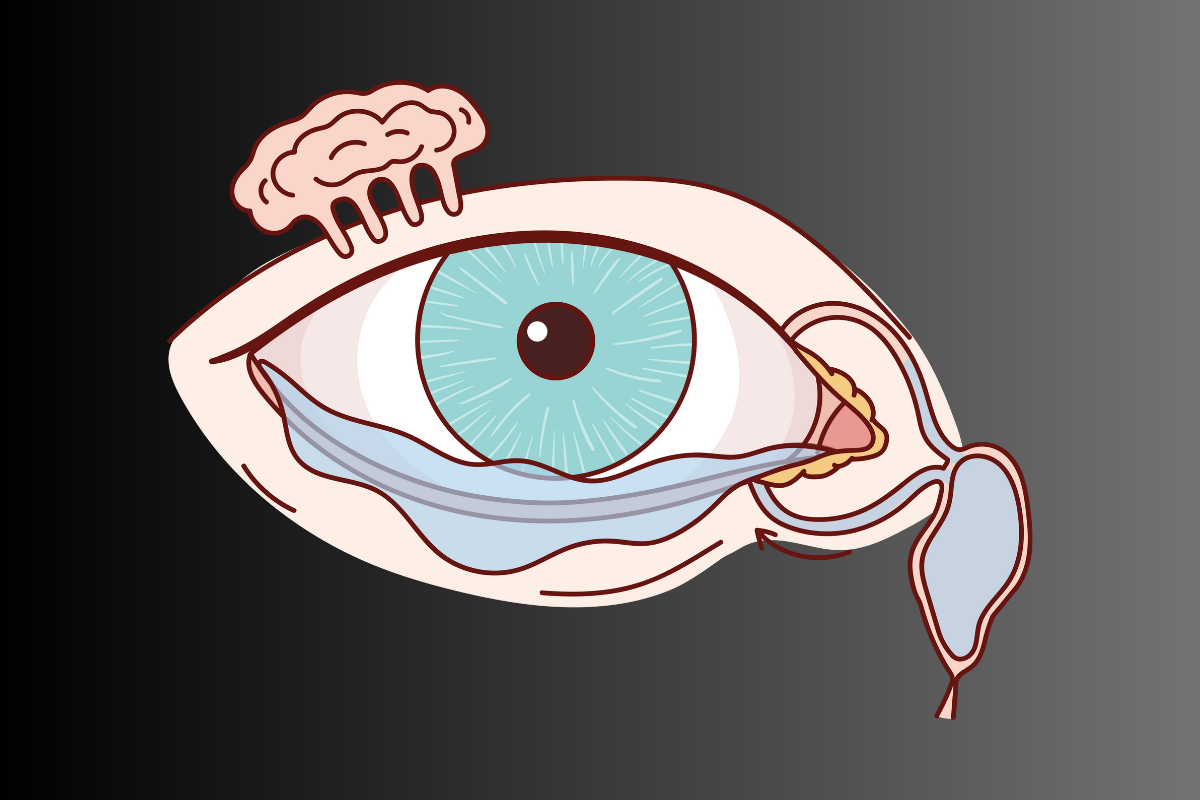
Blocked Tear Ducts
Causes watery eyes and recurrent infections. Ayurveda opens the ducts naturally with gentle massage, herbal washes, and detox therapies.
Know More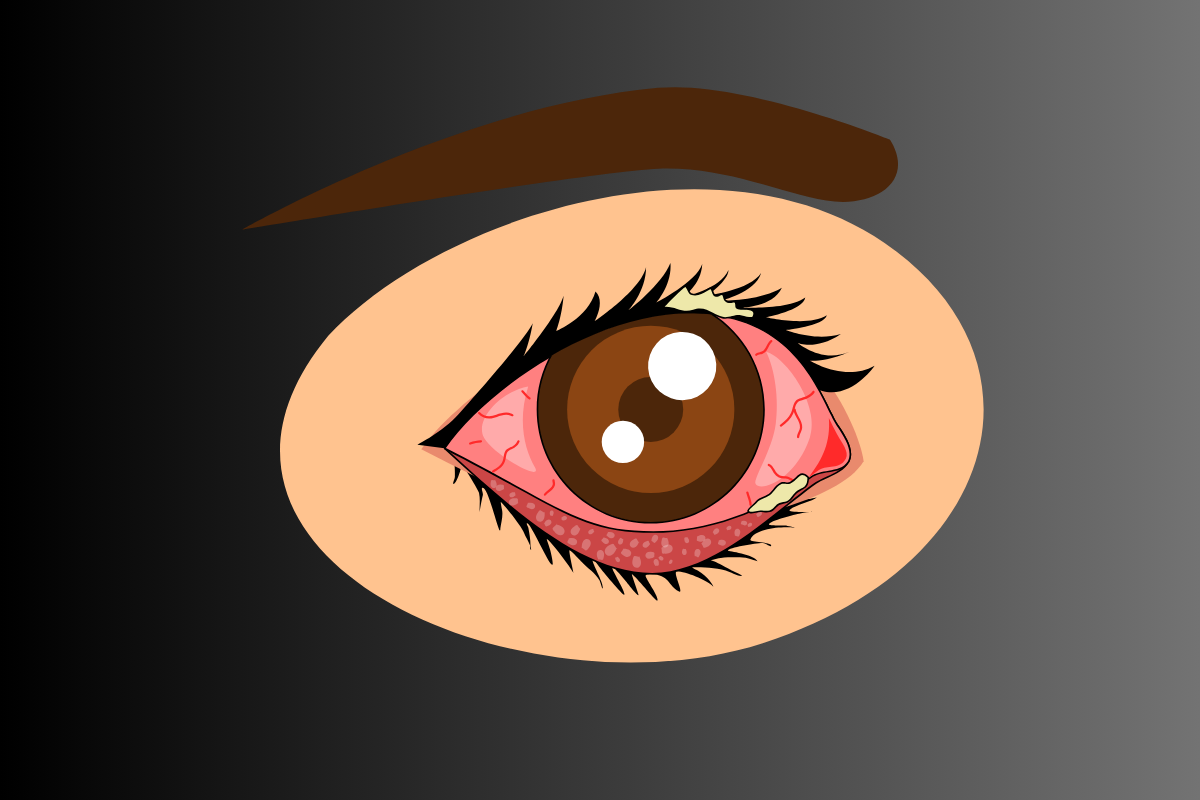
Burning & Itching in Eyes
Often caused by allergies or infection. Ayurveda calms irritation with herbal washes, anti-inflammatory herbs, and lifestyle care.
Know More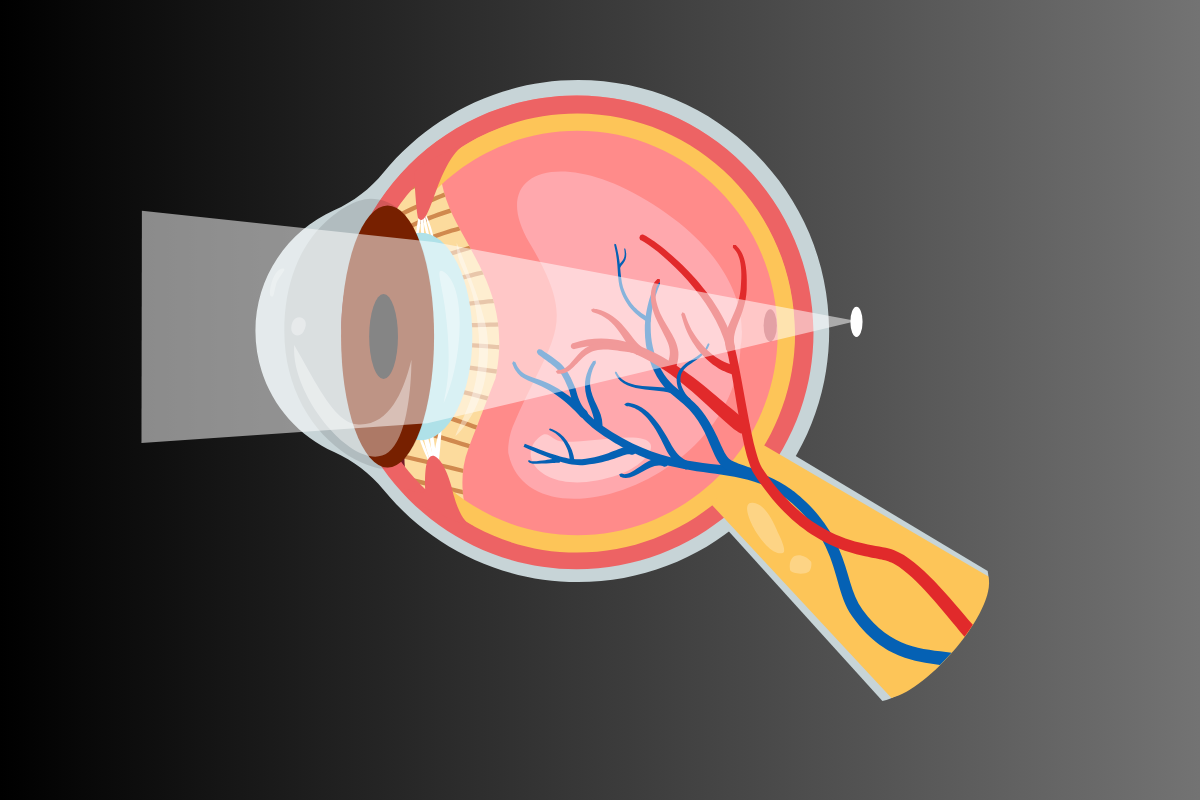
Myopia & Hypermetropia
Vision problems such as nearsightedness and farsightedness. Ayurveda improves eye strength with Medhya herbs, eye exercises, and dietary care.
Know MoreAt Dr. Acharya’s Ayurveda, our ENT care combines the precision of Shalakya Tantra (the Ayurvedic branch for head and neck diseases) with modern understanding of otolaryngology. We offer comprehensive diagnosis and treatment for ear, nose, throat, and related head and neck disorders through safe, non-invasive, and root-cause-based Ayurvedic therapies.
What Is ENT and What Does an Otolaryngologist Do?
ENT stands for Ear, Nose, and Throat, representing the branch of medicine known as Otolaryngology.
An otolaryngologist, commonly called an ENT specialist, is a doctor who diagnoses and treats disorders of these areas as well as associated structures of the head and neck, including sinuses, larynx, thyroid, and facial nerves.
ENT vs. Otolaryngologist
Both terms refer to the same specialty. “ENT” is the more familiar term, while “Otolaryngologist” is the formal medical designation.
Scope of ENT Disorders
An otolaryngologist’s work covers:
- Ear Conditions – infections, tinnitus (ringing), hearing loss, vertigo.
- Nose Conditions – sinusitis, nasal obstruction, polyps, allergies.
- Throat Conditions – sore throat, tonsillitis, voice changes, sleep apnea.
- Head and Neck Disorders – thyroid diseases, neck swelling, tumors.
- Sleep Disorders – snoring, obstructive sleep apnea, chronic congestion.
Why Do People Need ENT Treatment?
ENT disorders are among the most frequent health issues worldwide. Pollution, allergies, poor lifestyle habits, and weakened immunity are common triggers. Ayurveda offers an effective alternative to symptom-based treatments by balancing doshas (Vata, Pitta, Kapha), detoxifying the system, and strengthening local immunity (Ojas).
Ayurveda and ENT: The Shalakya Tantra Perspective
Shalakya Tantra, one of the eight branches of Ayurveda, specializes in diseases above the clavicle — eyes, ears, nose, throat, and head.
According to Ayurveda, ENT disorders arise due to imbalance in Kapha and Vata doshas, often accompanied by Ama (toxins) that accumulate in sinuses, ear canals, or throat passages.
Common Causes (According to Ayurveda)
- Excessive exposure to cold, dust, and damp environments
- Poor digestion and Ama formation
- Suppression of natural urges (like sneezing or coughing)
- Improper diet and lifestyle
- Excess stress and irregular sleep
Common ENT Conditions Treated at Dr. Acharya’s Ayurveda
Below are the major conditions treated holistically through Ayurvedic diagnosis and therapy:
1. Sinusitis (Peenasa)
Modern View: Sinus inflammation causing congestion, headache, and nasal blockage.
Ayurvedic View: Caused by Kapha accumulation and blocked channels (Srotas).
Therapies Used:
- Nasyam: Herbal oil administration through nostrils to clear sinuses.
- Kashaya Dhara: Pouring warm decoction over forehead for congestion relief.
- Swedan & Patra Potli: Steam and herbal compress to improve circulation.
- Vamana: Therapeutic emesis for deep Kapha detox (if chronic).
Diet & Lifestyle: Avoid cold foods, take warm soups, steam inhalation with tulsi and eucalyptus.
2. Tinnitus (Karna Nada)
Modern View: Persistent ringing or buzzing in the ears.
Ayurvedic Explanation: Vata imbalance affecting auditory nerves.
Therapies:
- Karna Purana: Pouring warm medicated oil into the ear for lubrication and nerve balance.
- Shirodhara: Continuous oil stream on forehead to calm the nervous system.
- Abhyanga & Basti: Full-body oil massage and enema to pacify Vata.
Herbs: Ashwagandha, Bala, Brahmi, Yashtimadhu.
3. Hypothyroidism & Hyperthyroidism
Ayurvedic Understanding: Thyroid imbalances are related to disrupted metabolism governed by Kapha and Pitta doshas.
Therapies:
- Virechana (Detoxification): Removes excess Pitta and toxins.
- Abhyanga + Swedan: Improves metabolism and glandular circulation.
- Shirodhara / Shiro Abhyanga: Balances stress-related hormonal imbalance.
- Basti: Regulates digestion and hormonal equilibrium.
Diet: Include iodine-rich foods, avoid refined sugar and processed grains.
4. Sore Throat (Kantha Shoola) and Tonsillitis (Tundikeri)
Causes: Infections, cold foods, pollution, or Kapha accumulation in throat.
Therapies:
- Nasyam and Gandusha (Oil Pulling) with medicated oils to clear phlegm.
- Lepam (Herbal Paste) on throat for inflammation.
- Dhoomapana: Inhalation of medicated herbal smoke.
- Vamana: For recurrent or chronic infections.
Herbs: Yashtimadhu, Tulsi, Turmeric, Pippali.
- Allergic Cough (Kasa Roga)
Ayurvedic View: Aggravated Kapha and Vata cause persistent irritation and mucus.
Therapies:
- Abhyanga and Swedan: Relieves congestion.
- Nasyam and Kashaya Dhara: Cleanse respiratory tract.
- Vamana: For chronic cough due to excess Kapha.
Supportive Herbs: Sitopaladi Churna, Vasaka, Talisadi, Pushkaramool.
- Eye Disorders (Shalakya Eye Care)
Eye Discharge / Conjunctivitis (Abhishyanda)
Ayurvedic View: Pitta and Kapha imbalance causing inflammation and discharge.
Therapies:
- Netra Sekha: Pouring herbal decoctions over eyes.
- Lepam: Herbal paste to reduce swelling.
- Nasyam: Balances head region and clears channels.
Stye (Kumbhika)
Treatment:
- Lepam with Triphala and Turmeric
- Kashaya Dhara with Neem decoction
- Eye compress with warm ghee and turmeric
Blocked Tear Ducts / Watery Eyes
Therapies:
- Nasyam and Netra Tarpana to clear blockages.
Burning and Itching Eyes
Therapies:
- Shirodhara and Netra Dhara for Pitta pacification.
- Use cooling herbs like rose water, triphala, and yashtimadhu.
Myopia and Hypermetropia
Ayurvedic Focus: Strengthening optic nerves and ocular muscles.
Therapies:
- Netra Tarpana: Retention of medicated ghee over eyes.
- Shiro Abhyanga: Improves blood supply to eyes.
- Nasya: Clears head channels for vision improvement.
Ayurvedic Therapies Used in ENT Care
Therapy | Description | Benefits |
Nasyam | Nasal administration of medicated oil | Clears sinuses, relieves headaches, improves breathing |
Karna Purana | Medicated oil instilled into ears | Nourishes auditory nerves, relieves tinnitus |
Abhyanga & Swedan | Full body oil massage + steam | Improves circulation, clears congestion |
Shirodhara | Oil streaming on forehead | Calms nervous system, beneficial for tinnitus and thyroid |
Virechana / Vamana | Detoxification therapies | Removes accumulated toxins from sinuses and throat |
Lepam | Herbal paste application | Reduces inflammation and swelling |
Kashaya Dhara | Decoction pouring therapy | Useful for sinusitis and throat disorders |
Netra Tarpana | Eye rejuvenation therapy | Improves eyesight and relieves strain |
Dietary and Lifestyle Recommendations
Foods to Balance Doshas
- For Vata: Warm soups, ghee, sesame oil, cooked vegetables.
- For Pitta: Cooling foods like cucumber, coconut water, milk.
- For Kapha: Spices like ginger, black pepper, turmeric; avoid cold or dairy-heavy meals.
Lifestyle
- Avoid direct exposure to cold air or dust.
- Practice Pranayama (Anulom Vilom, Bhramari) to clear nasal and ear passages.
- Follow Dinacharya (daily routine) — regular sleep, oil massage, and balanced diet.
Integrating Ayurveda with Modern ENT Treatments
At Dr. Acharya’s Ayurveda, we combine classical Ayurvedic wisdom with modern diagnostic tools.
Each treatment is customized based on Prakriti (body constitution), dosha imbalance, and disease stage.
Our holistic approach ensures relief from chronic ENT conditions without the side effects of steroids or surgery.
Ayurvedic Diagnosis and Understanding of ENT Disorders
Ayurveda views ENT disorders as conditions deeply rooted in the imbalance of the three doshas — Vata, Pitta, and Kapha. Each sensory organ (ear, nose, throat, and eyes) is governed by specific doshas, and their imbalance leads to disease manifestation.
Rather than merely managing symptoms, Ayurvedic practitioners focus on identifying the root cause through a detailed diagnosis that includes Nadi Pariksha (pulse diagnosis), Jihva Pariksha (tongue examination), and physical assessments of the affected areas.
- Ayurvedic Understanding of ENT Disorders
In Ayurveda, disorders related to the ear, nose, and throat fall under the branch of Shalakya Tantra, one of the eight main branches of Ayurvedic medicine. Shalakya Tantra primarily deals with diseases above the neck — the head, scalp, eyes, ears, nose, and throat.
According to this science, disturbances in Prana Vayu (the sub-type of Vata controlling respiration and sensory activities), Alochaka Pitta (responsible for vision and perception), and Tarpaka Kapha (lubrication and nourishment of sensory organs) are responsible for ENT-related diseases.
2. The Role of Doshas in ENT Disorders
Each dosha plays a distinct role:
- Vata Dosha: Governs movement, sound, and air regulation. Imbalance can cause dryness, tinnitus (ringing in ears), vertigo, or blocked sinuses.
- Pitta Dosha: Governs metabolism, heat, and vision. Imbalance leads to inflammation, infections, sore throats, burning eyes, and conjunctivitis.
- Kapha Dosha: Controls stability, lubrication, and immunity. Imbalance leads to congestion, sinusitis, nasal blockage, allergic cough, and tonsillitis.
In Ayurvedic treatment, restoring balance among these doshas is key to both relieving symptoms and preventing recurrence.
3. Ayurvedic Diagnostic Methods for ENT Disorders
a. Pulse Diagnosis (Nadi Pariksha)
An Ayurvedic practitioner assesses the patient’s pulse to determine doshic imbalances. A Kapha-dominant pulse indicates congestion-related conditions like sinusitis, while a Pitta pulse shows inflammatory states such as sore throat or conjunctivitis.
b. Tongue Examination (Jihva Pariksha)
The tongue’s coating, color, and texture reveal internal health. A thick white coating may indicate excess Kapha, dryness suggests Vata imbalance, and redness indicates aggravated Pitta.
c. Eye and Nose Examination
Visual inspection helps identify infections, discharge, or swelling in nasal and eye structures. The practitioner may also test smell or hearing responses to assess functional health.
d. Detailed Patient History and Lifestyle Evaluation
Diet, sleep patterns, stress levels, and exposure to pollutants are also considered to understand the underlying cause and tailor an individual treatment plan.
4. Common ENT Disorders and Their Ayurvedic Perspectives
a. Sinusitis (Dushta Pratishyaya)
Caused by aggravated Kapha and Vata doshas leading to blocked sinuses, headache, and heaviness in the head. Ayurvedic therapies like Nasyam (nasal cleansing) and Swedana (steam therapy) are prescribed to remove congestion and improve breathing.
b. Tinnitus (Karna Nada)
Triggered by Vata imbalance causing ringing sounds or buzzing in the ears. Treatments like Karna Purana (ear oiling) and Vata-pacifying diet bring relief.
c. Hypothyroidism & Hyperthyroidism (Galaganda / Agnimandya)
Ayurveda attributes thyroid disorders to imbalance in Kapha and Pitta doshas. Herbs like Kanchanar Guggulu, Punarnava, and therapies such as Virechana (purgation) help balance metabolism and hormone function.
d. Sore Throat (Kantha Shoola) & Tonsillitis (Tundikeri)
Usually linked to aggravated Pitta and Kapha causing inflammation, pain, and swelling. Ayurvedic management involves gargling with herbal decoctions, lepa (herbal paste) applications, and immune-boosting herbs.
e. Allergic Cough (Kasa Roga)
Excess Kapha and Ama (toxins) cause persistent cough and throat irritation. Detoxification therapies like Vamana (therapeutic emesis) and Nasya clear the respiratory channels.
f. Eye Disorders (Netra Rogas)
Conditions like conjunctivitis, stye, eye discharge, and burning or itching in eyes are commonly seen due to Pitta vitiation. Eye-cleansing therapies and cooling herbal formulations such as Triphala Ghrita and Rosewater wash are often prescribed.
g. Vision Disorders (Myopia & Hypermetropia)
Ayurveda explains these as defects in Alochaka Pitta and Vata. Regular Netra Tarpana (eye rejuvenation therapy), diet correction, and specific yoga practices help improve and maintain vision.
5. Why Choose Ayurveda for ENT Disorders
Ayurveda not only focuses on curing the disease but also on preventing its recurrence through holistic healing — balancing doshas, detoxifying the body, strengthening immunity, and improving lifestyle.
Key benefits include:
- Long-term relief without side effects
- Natural strengthening of ear, nose, throat, and eye tissues
- Improved metabolism and immunity
- Personalized treatment based on individual Prakriti (body constitution)
Ayurvedic Remedies and Therapies for ENT Disorders
Ayurveda’s approach to treating ENT disorders (ear, nose, throat, and eyes) is both restorative and preventive. It combines herbal medicines, detoxifying procedures, and external therapies to balance the doshas, eliminate toxins (ama), and rejuvenate the sense organs.
Each treatment is personalized based on the dominant dosha imbalance, disease stage, and the patient’s constitution (Prakriti). Below is a detailed explanation of Ayurvedic medicines, classical therapies, and Panchakarma procedures used for ENT healing.
1. Ayurvedic Remedies and Herbal Formulations for ENT Disorders
a. Powerful Herbs for Ear Infections and Tinnitus
- Bilva (Aegle marmelos) – Reduces inflammation and relieves ear pain.
- Dashamoola (Ten Root Formula) – A classical anti-inflammatory blend that pacifies Vata and supports nerve function in the ears.
- Brahmi (Bacopa monnieri) – Enhances neural function and calms the nervous system, useful in tinnitus and vertigo.
- Sesame Oil (Tila Taila) – Used in Karna Purana for nourishing ear tissues and improving hearing.
b. Natural Solutions for Nasal and Sinus Problems
- Turmeric (Haridra) – Acts as a natural anti-inflammatory and mucolytic.
- Trikatu (Ginger, Black Pepper, Long Pepper) – Breaks down Kapha accumulation, improving nasal clearance.
- Sitopaladi Churna – A traditional powder for managing allergic cough, sinus congestion, and blocked nose.
- Tulsi (Holy Basil) – Promotes respiratory health and clears Kapha from nasal channels.
c. Ayurvedic Treatments for Throat and Tonsil Conditions
- Yashtimadhu (Licorice Root) – Soothes sore throat and reduces inflammation.
- Kantakari (Solanum xanthocarpum) – Useful in chronic cough, tonsillitis, and throat infections.
- Tankana Bhasma (Borax Ash) – Reduces swelling in tonsils when used in small therapeutic doses under supervision.
- Triphala Decoction Gargle – Helps clear infection and maintain throat hygiene.
d. Herbs for Eye Disorders
- Triphala – Balances all three doshas, rejuvenates eye tissues, and strengthens vision.
- Patol Patra – Reduces Pitta-related inflammation in conjunctivitis.
- Chandana (Sandalwood) and Usheera (Vetiver) – Cooling herbs for burning and itching eyes.
- Jivaniya Ganas (Rejuvenating group of herbs) – Nourish the optic nerves and eye muscles.
e. Herbs for Thyroid Disorders
- Kanchanar Guggulu – Classical formulation to dissolve thyroid gland swellings and balance Kapha-Pitta.
- Punarnava (Boerhavia diffusa) – Reduces water retention and supports metabolism.
- Triphala Guggulu – Detoxifies and improves lymphatic drainage in thyroid-related issues.
2. Ayurvedic Therapies for ENT Disorders
Ayurveda uses specialized Shalakya Tantra therapies for ENT diseases. These treatments not only provide symptomatic relief but also strengthen the sensory organs for long-term health.
a. Nasya (Nasal Administration of Herbal Oils)
A primary therapy for sinusitis, headaches, and nasal blockages. Medicated oils are instilled into the nostrils to clear Kapha, improve breathing, and enhance mental clarity.
- Best for: Sinusitis, migraine, allergic rhinitis, nasal polyps, and snoring.
- Oils Used: Anu Taila, Shadbindu Taila, or Ksheerabala Taila.
b. Karna Purana (Ear Therapy)
Warm medicated oil is gently poured into the ears to lubricate, nourish, and detoxify ear canals. It relieves ringing, pain, and dryness.
- Best for: Tinnitus, hearing loss, vertigo, and ear infections.
- Oils Used: Bilva Taila, Tila Taila, or Dashamoola Taila.
c. Shirodhara (Oil Therapy for Head and Mind)
A continuous stream of warm medicated oil poured over the forehead calms Vata, improves sleep, relieves stress, and enhances sensory functions.
- Best for: Headaches, anxiety-related ENT symptoms, and tinnitus.
- Oils Used: Brahmi Taila, Ksheerabala Taila, and Chandana Bala Lakshadi Taila.
d. Abhyanga (Full Body Massage with Herbal Oils)
Daily or therapeutic oil massage that promotes lymphatic drainage, reduces inflammation, and supports immune health.
- Best for: Vata imbalance-related ENT issues like tinnitus and dryness.
e. Swedana (Herbal Steam Therapy)
Steam infused with medicinal herbs opens blocked sinuses, improves circulation, and relieves congestion.
- Types: Nadi Swedana (local steam), Churna Potli Swedana (herbal poultice steam).
- Best for: Sinusitis, cough, cold, and nasal allergies.
f. Vamana (Therapeutic Emesis)
A Panchakarma therapy that removes excess Kapha from the upper respiratory tract. Conducted under supervision, it offers deep detoxification.
- Best for: Chronic sinusitis, bronchial allergies, and recurrent throat infections.
g. Virechana (Purgation Therapy)
Eliminates excess Pitta and cleanses the liver and intestines, indirectly supporting ENT and thyroid health.
- Best for: Sore throat, conjunctivitis, and hyperthyroidism.
h. Basti (Medicated Enema Therapy)
A Vata-balancing therapy that rejuvenates the nervous system and supports head and neck function indirectly through systemic balance.
- Best for: Tinnitus, vertigo, and chronic headaches.
i. Lepam and Loka Chikitsa (Topical Applications)
Herbal pastes applied locally over the affected areas help in reducing inflammation, pain, and swelling.
- Best for: Tonsillitis, thyroid swelling, and sinus pain.
3. Supporting Therapies at Dr. Acharya’s Ayurveda
Your clinic provides a comprehensive suite of Panchakarma and rejuvenation therapies that enhance ENT healing:
- Abhyanga Swedan, Nadi Swedan, Churn Potli, Patra Potli – Promote detoxification and sinus clearance.
- Virechana, Vamana, and Basti – Core Panchakarma for doshic balance.
- Shirodhara, Nasya, Karna Purana – Target head, nose, and ear health directly.
- Udvartana, Kati Vasti, Greeva Vasti, Janu Vasti – Restore postural balance and circulation.
- Njavara Kizhi, Kashaya Dhara, Oil Bath – Nourish tissues and calm the mind.
- Uttara Basti and Prishtha Vasti – Support endocrine and systemic health.
These therapies are used in combination for tailored results under the guidance of experienced Ayurvedic doctors.
4. Integrating Ayurveda with Modern ENT Treatments
Ayurveda can be safely integrated with modern medical care for ENT diseases. For instance:
- Sinusitis patients can use Nasya alongside allopathic antibiotics to accelerate healing.
- Thyroid disorders benefit from Panchakarma therapies while maintaining hormone medication under medical supervision.
- Tinnitus and hearing loss improve with Karna Purana and Shirodhara while continuing ENT consultations.
Ayurveda complements modern medicine by improving overall immunity, reducing dependency on frequent medication, and preventing recurrences.
5. Ayurvedic Dietary and Lifestyle Guidelines for ENT Health
- Avoid: Cold, sour, and oily foods that aggravate Kapha.
- Include: Warm water, ginger tea, turmeric milk, and light soups.
- Daily Routines (Dinacharya): Nasal oil application (Anu Taila), tongue cleaning, and regular head massage.
- Yoga and Pranayama: Practice Bhramari, Anulom Vilom, and Kapalabhati to strengthen respiratory and ENT functions.
- Sleep and Stress: Maintain consistent sleep cycles and manage stress with meditation or Shirodhara.

17+
Years of Experience
Our Legacy
Decades of Trusted Excellence
At Dr. Acharya’s Ayurveda, we offer a wide range of authentic Ayurvedic therapies to address chronic pain, joint disorders, neurological issues, and overall well-being. Each treatment is personalized to your body type (Prakriti) and health condition, ensuring holistic healing from the root cause.
- Personalized consultation
- Herbal medicines
- Panchakarma therapies
- Lifestyle & diet guidance
Your Path to Natural Healing & Wellness Starts Here
Experience the ancient wisdom of Ayurveda to restore balance, relieve pain, and rejuvenate your mind, body, and soul.