
Gynecological Problem Ayurveda: Types, Causes, Symptoms & Treatment
A broad category of conditions affecting women’s reproductive health, including menstrual irregularities, hormonal imbalances, infertility, PCOS/PCOD, and menopausal concerns. These issues often stem from lifestyle stress, poor diet, or imbalance in the body’s doshas. Ayurveda offers gentle yet effective solutions through herbal formulations, purification therapies, and lifestyle guidance to restore natural balance, regulate cycles, and promote overall reproductive wellness.
All Services
Our Full Range of Gynecological Problem Services
Gynecological conditions can significantly impact daily life—whether through painful menstruation, irregular cycles, excessive bleeding, fertility challenges, or menopausal discomforts. If not addressed, these issues may worsen over time, leading to chronic hormonal disturbances and emotional strain. Through individualized Ayurvedic treatment, we aim to balance the reproductive system, improve hormonal health, and address root causes rather than symptoms alone. Our therapies not only relieve pain and discomfort but also promote fertility, strengthen uterine health, and support smooth transitions through different stages of a woman’s life. Early care ensures better outcomes, long-term well-being, and enhanced quality of life.
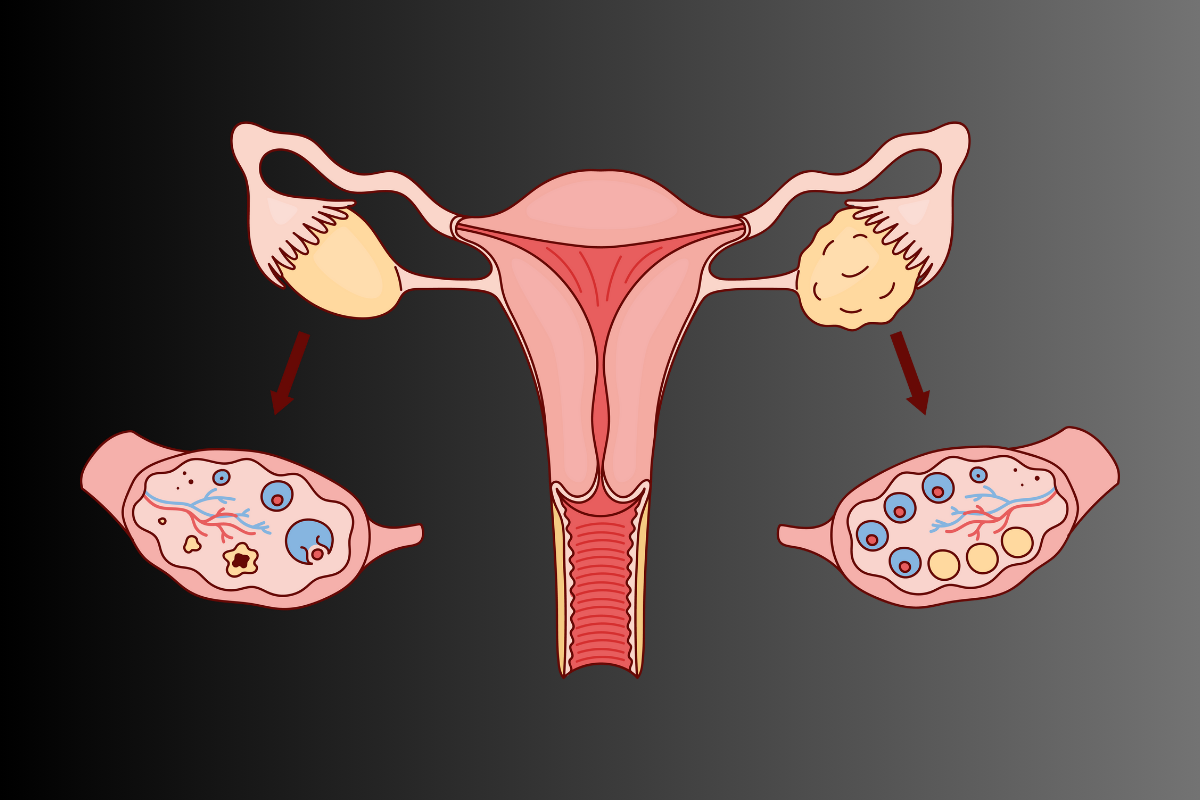
Ovarian Cyst
Fluid-filled sacs in ovaries causing pain or irregular cycles. Ayurveda balances hormones, reduces cyst formation, and restores ovarian health.
Know More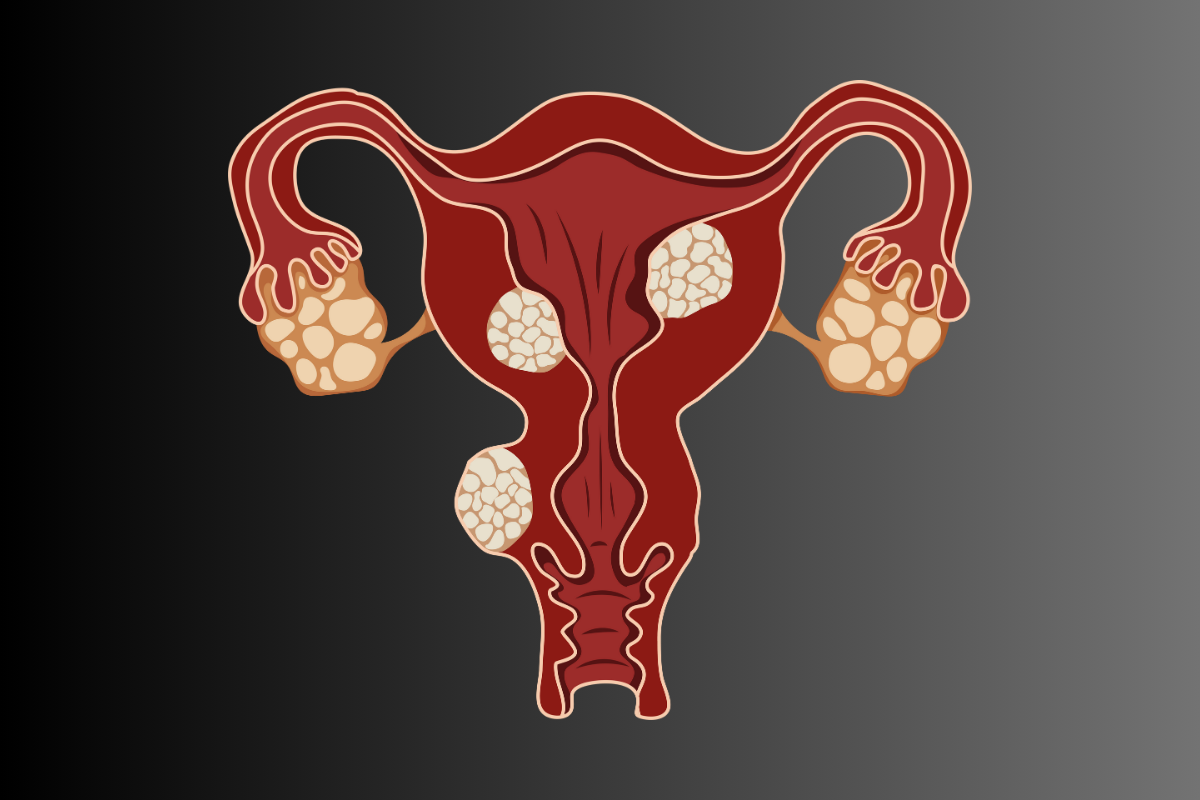
Fibroid
Noncancerous uterine growths causing heavy bleeding and discomfort. Ayurveda uses detox, diet, and herbal remedies to shrink fibroids naturally.
Know More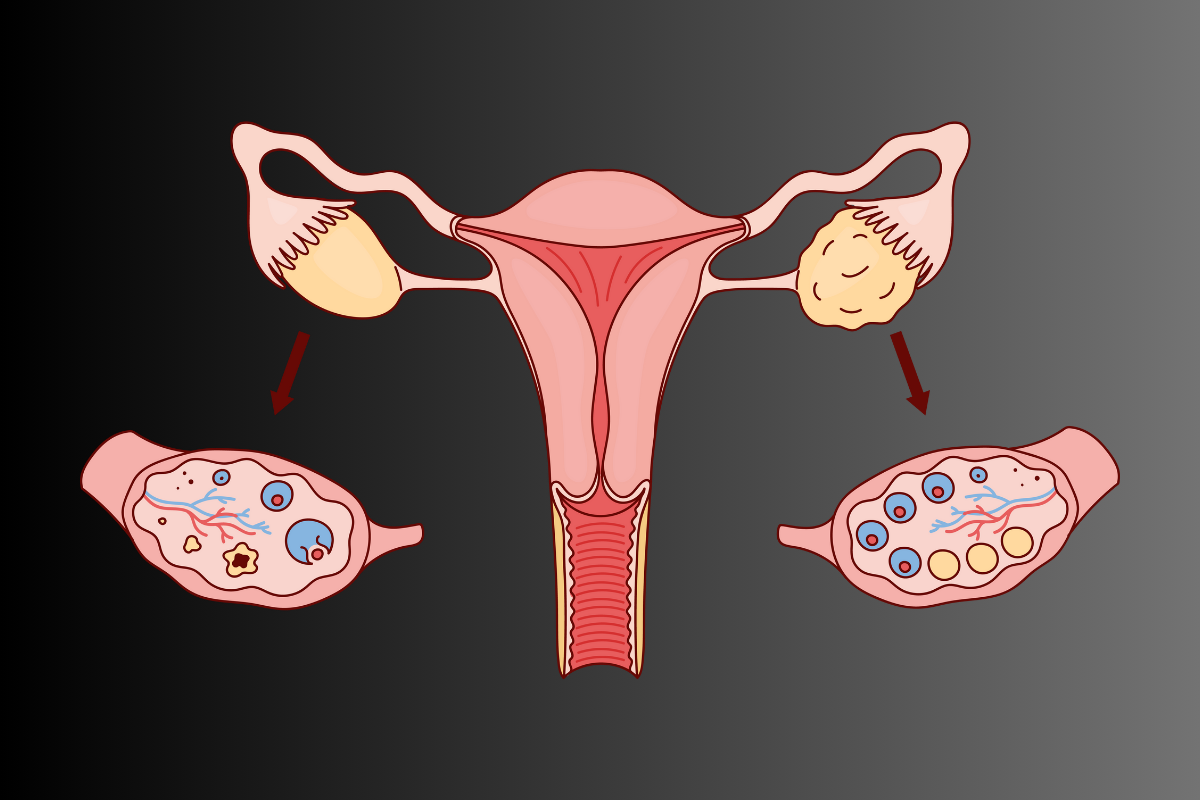
PCOD/PCOS
Hormonal imbalance leading to irregular periods, acne, and infertility. Ayurveda manages with herbs, diet regulation, and lifestyle correction.
Know More
Infertility
Difficulty in conceiving due to hormonal or structural issues. Ayurveda boosts fertility with detox, Rasayana therapy, and reproductive tonics.
Know More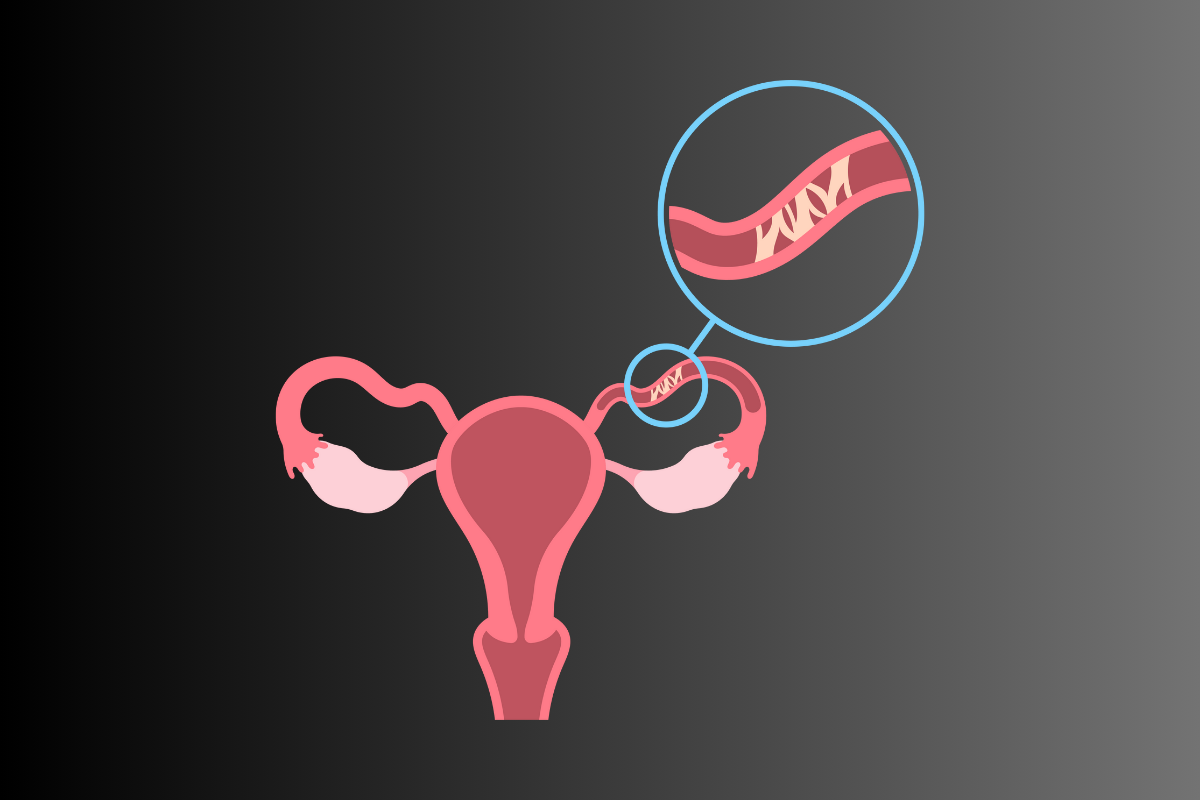
Fallopian Tube Blockages
Blockages preventing conception. Ayurveda applies detoxification, uterine strengthening, and herbal therapies to improve fertility chances.
Know More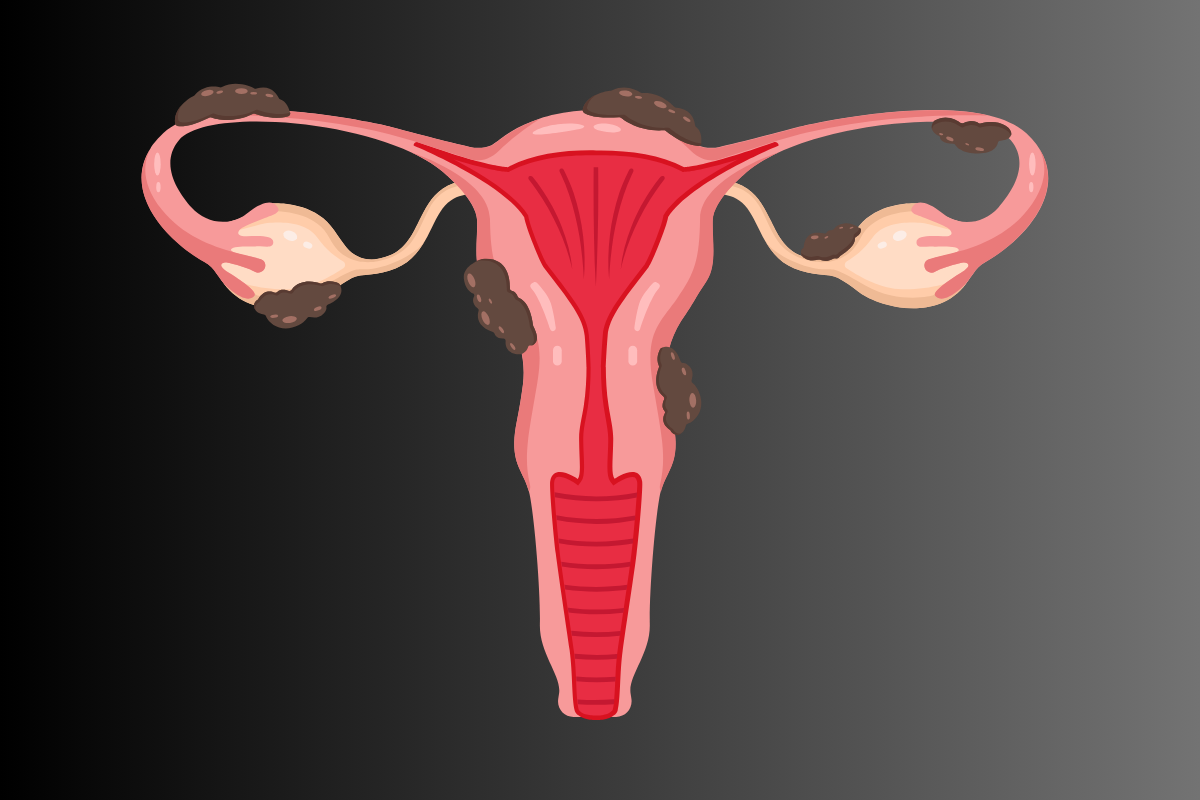
Endometriosis
Painful condition where uterine tissue grows outside the uterus. Ayurveda reduces inflammation, balances hormones, and supports reproductive health.
Know More
Menstrual Disorders
Irregular, painful, or heavy periods. Ayurveda normalizes cycles with herbal remedies, Panchakarma, and diet changes.
Know More
Leucorrhoea
White vaginal discharge often due to infection or weakness. Ayurveda strengthens reproductive tissues and restores balance with herbal care.
Know More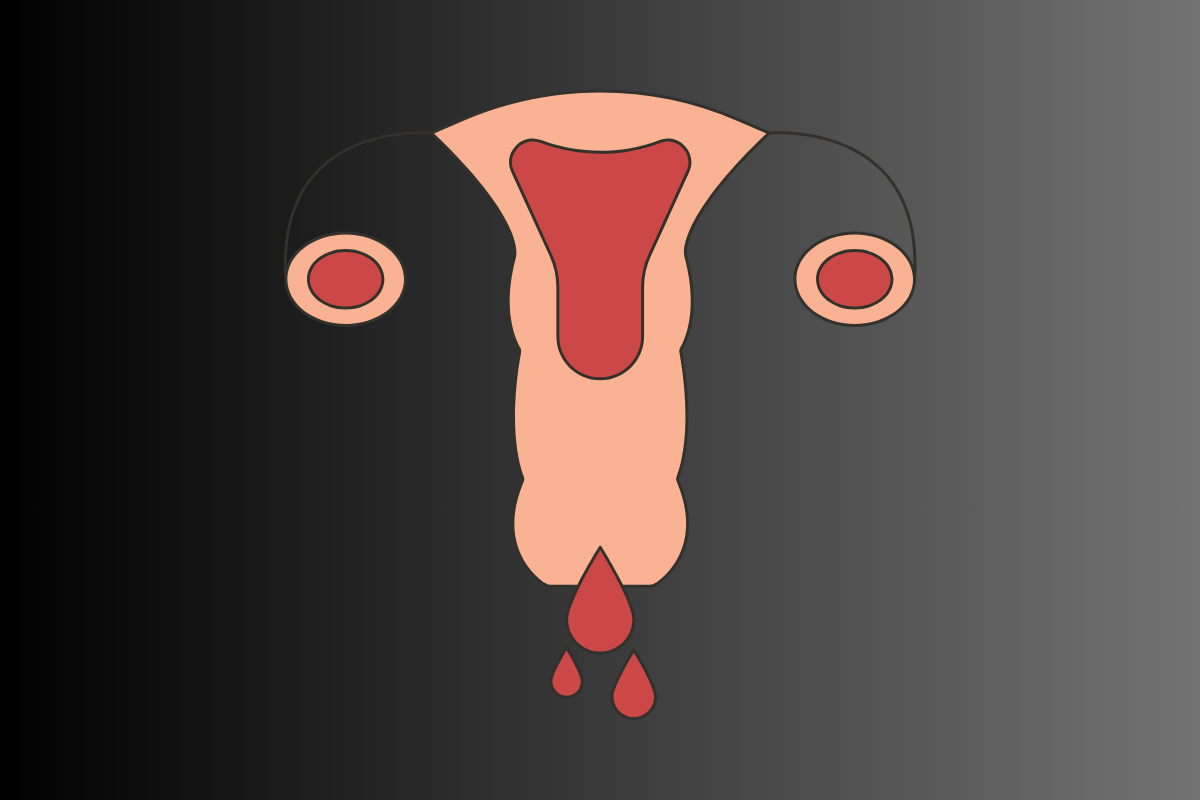
Vaginitis
Inflammation of the vagina causing irritation and discharge. Ayurveda soothes tissues and eliminates infection naturally.
Know More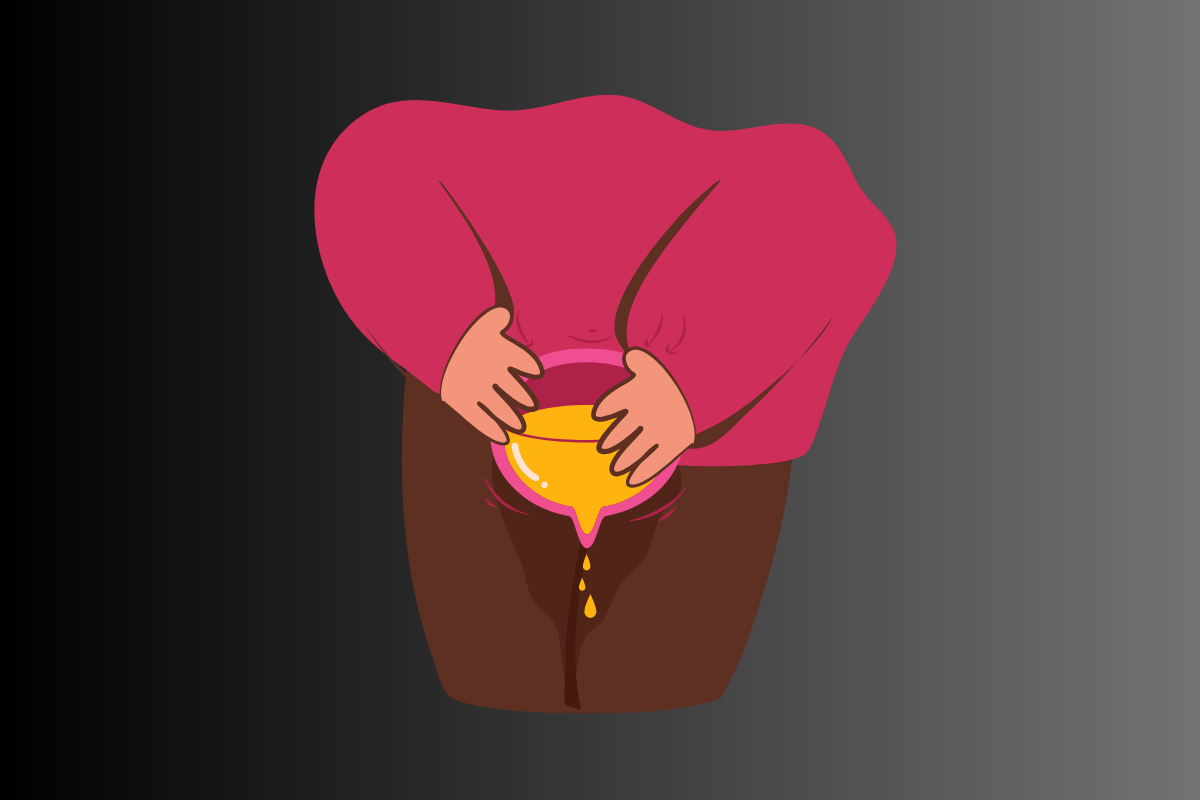
Urinary Incontinence
Loss of bladder control leading to leakage. Ayurveda strengthens pelvic muscles and improves urinary function with herbs and yoga.
Know More
Breast Disorders
Conditions like lumps, pain, or infections. Ayurveda uses detox and hormonal balancing to support breast health.
Know More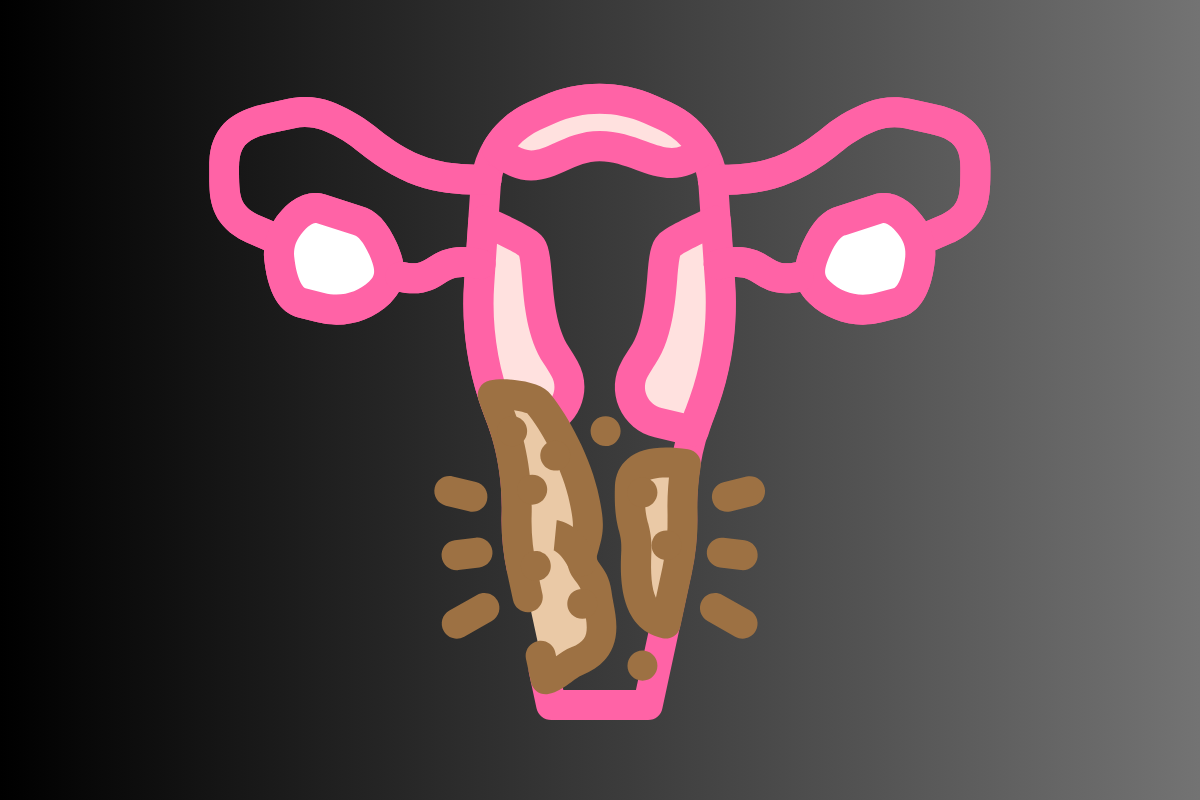
PID
Pelvic Inflammatory Disease causing pain and infertility. Ayurveda eliminates infection and strengthens reproductive tissues.
Know More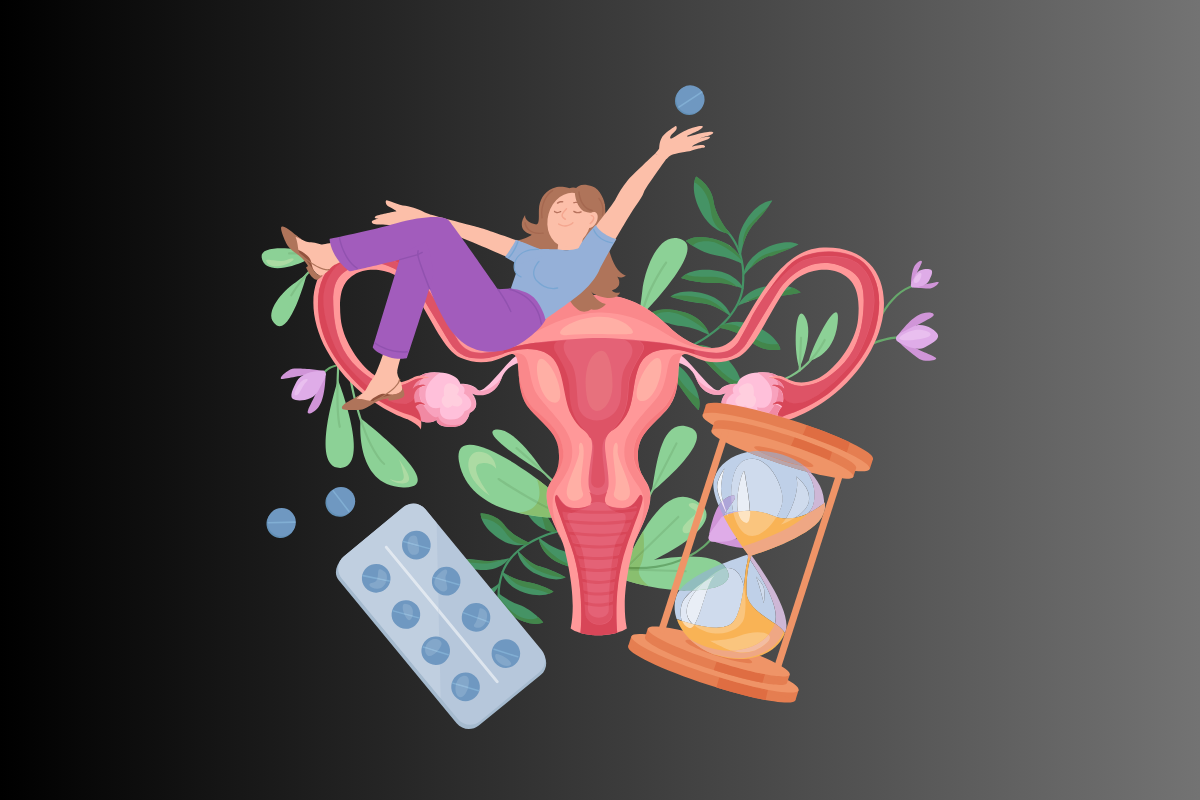
Hormonal Imbalance
Disruption in hormonal levels leading to mood swings, irregular periods, or infertility. Ayurveda balances hormones with herbs and detox.
Know More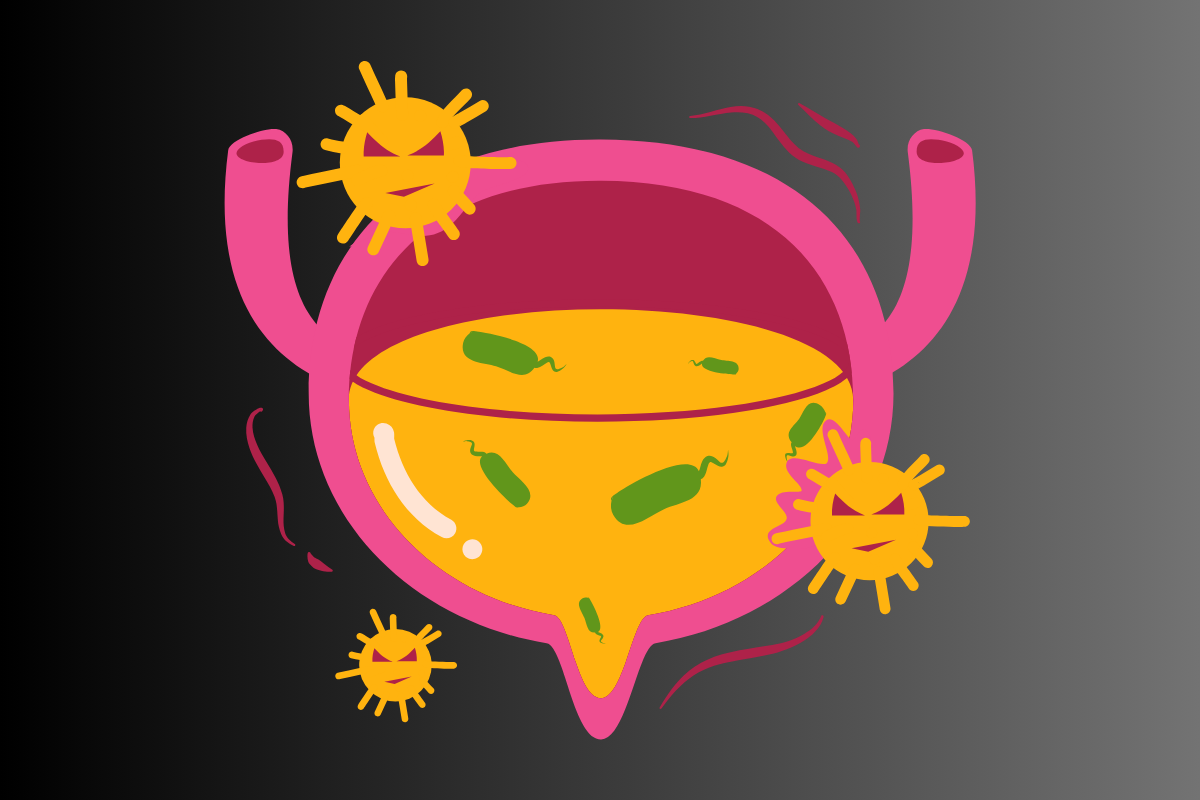
UTI
Urinary Tract Infections causing burning and frequent urination. Ayurveda treats with antimicrobial herbs and bladder-strengthening remedies.
Know More
Menopause Symptoms
Hot flashes, mood swings, and bone weakness during menopause. Ayurveda eases symptoms with Rasayana herbs and lifestyle care.
Know MoreA woman’s health is deeply influenced by the delicate balance of her hormones, reproductive cycle, and emotional well-being. Ayurveda — the ancient Indian science of life — views a woman’s reproductive system (Garbhashaya) as the sacred source of vitality, creativity, and longevity.
Modern lifestyle, stress, processed food, pollution, and late nights often disturb this natural rhythm — leading to a rise in gynecological problems such as PCOD, fibroids, endometriosis, menstrual disorders, infertility, and urinary issues.
At Dr. Acharya’s Ayurveda, we combine classical Ayurvedic wisdom with individualized Panchakarma therapies to restore balance in the Vata, Pitta, and Kapha doshas, strengthen reproductive tissues (Artava Dhatu), and rejuvenate overall health.
What Are Gynecological Disorders in Ayurveda?
In Ayurveda, the female reproductive system is governed primarily by Apana Vata, which controls downward movement — menstruation, ovulation, and childbirth.
When Apana Vata is disturbed, it can lead to irregular periods, pain, cysts, infertility, and hormonal imbalance.
Key Ayurvedic concepts involved:
- Vata imbalance: Causes irregular cycles, painful menstruation, dryness, infertility.
- Pitta imbalance: Causes heavy bleeding, inflammation, infections, endometriosis.
- Kapha imbalance: Causes cysts, fibroids, white discharge, obesity-related PCOD.
Common Gynecological Disorders Treated at Dr. Acharya’s Ayurveda
Below is a comprehensive overview of the most common women’s health conditions and their Ayurvedic management.
1. Polycystic Ovarian Disease / Syndrome (PCOD / PCOS – Artava Dushti)
Ayurvedic View:
PCOD arises from a Kapha-Vata imbalance, leading to obstruction of ovarian channels (Srotorodha), hormonal irregularities, and formation of cysts. Irregular lifestyle and processed food aggravate Kapha, while stress and lack of sleep disturb Vata.
Symptoms:
- Irregular or absent periods
- Weight gain or obesity
- Acne, hair fall, facial hair growth
- Infertility or delayed ovulation
Therapies Used:
- Abhyanga + Swedan to reduce Kapha accumulation
- Udvartana for weight and metabolic correction
- Virechana for hormonal balance and Pitta cleansing
- Basti (Niruha + Anuvasana) to regulate Apana Vata
- Shirodhara for stress and hormonal regulation
Herbal Support:
Triphala Guggulu, Kanchanar Guggulu, Ashoka, Lodhra, Shatavari, Trikatu
Diet & Lifestyle:
- Avoid dairy, fried, and refined sugar foods
- Include cinnamon, methi, and turmeric
- Daily yoga & pranayama for insulin and stress control
Expected Outcome:
Cycle normalization and hormonal balance within 8–12 weeks with Panchakarma.
2. Uterine Fibroids (Garbhashaya Granthi)
Ayurvedic View:
Fibroids are considered Kapha-Vata dominant granthis (tumorous growths) in the uterus due to blockage in Artavavaha srotas (uterine channels).
Symptoms:
- Heavy bleeding
- Pelvic pain or pressure
- Backache
- Infertility or miscarriages
Therapies Used:
- Abhyanga with castor oil + Swedan to soften Kapha
- Virechana for detoxification
- Basti therapy to clear uterine channels
- Uttara Basti (medicated intrauterine therapy) — highly effective for shrinking fibroids naturally
- Lepam on abdomen for pain relief
Herbal Support:
Kanchanar Guggulu, Ashokarishta, Triphala, Manjistha
Diet & Lifestyle:
- Avoid meat, dairy, and cold foods
- Include leafy greens and turmeric
- Gentle yoga: Baddha Konasana, Setu Bandhasana
Expected Outcome:
Reduction in size and symptoms in 6–10 weeks, natural regression in many cases without surgery.
3. Dysmenorrhea (Painful Menstruation / Kashta Artava)
Ayurvedic View:
Caused by aggravated Vata dosha in the uterus, obstructing natural menstrual flow. Emotional stress and cold food worsen the pain.
Symptoms:
- Cramping pain before or during periods
- Nausea, fatigue, mood swings
- Irregular flow
Therapies Used:
- Abhyanga + Swedan for muscle relaxation
- Kati Vasti and Basti for Vata pacification
- Shirodhara to reduce anxiety and stress
- Uttara Basti in chronic cases
Herbal Support:
Dashamoola, Hing, Shatavari, Ashoka, Lodhra
Diet & Lifestyle:
- Avoid cold drinks and foods during menstruation
- Include warm soups and ghee
- Gentle yoga and rest during menses
Expected Outcome:
Pain-free cycles and regularity within 2–3 months.
4. Dysfunctional Uterine Bleeding (Asrigdara)
Ayurvedic View:
Excessive or irregular uterine bleeding due to Pitta vitiation and weak endometrial tone.
Symptoms:
- Heavy menstrual flow or mid-cycle spotting
- Fatigue, dizziness, anemia
Therapies Used:
- Virechana for Pitta detox
- Abhyanga + Shirodhara for hormonal balance
- Basti and Uttara Basti to strengthen uterine lining
Herbal Support:
Ashoka, Lodhra, Shatavari, Amalaki, Praval Pishti
Diet & Lifestyle:
- Avoid spicy, oily, and sour foods
- Include pomegranate, coriander water
- Practice mental calmness — avoid emotional stress
Expected Outcome:
Normal cycle rhythm within 4–6 weeks with sustained care.
5. Endometriosis (Vatiki Yoni Roga)
Ayurvedic View:
Endometriosis is caused by Vata and Pitta imbalance — leading to displacement of endometrial tissue outside the uterus.
Symptoms:
- Severe pelvic pain
- Pain during intercourse
- Infertility
- Heavy or irregular bleeding
Therapies Used:
- Abhyanga + Patra Potli Swedan for pain relief
- Virechana and Basti to detox pelvic organs
- Uttara Basti for localized healing
- Shirodhara for stress control
Herbal Support:
Kumari Asava, Ashokarishta, Lodhra, Manjistha, Guggulu
Diet & Lifestyle:
- Avoid red meat and sour foods
- Eat light, anti-inflammatory foods
- Daily yoga: Supta Baddha Konasana, Vajrasana
Expected Outcome:
Pain relief in 4–6 weeks; tissue healing and fertility improvement in 3–4 months.
6. Fallopian Tube Blockages (Srotovarodha)
Ayurvedic View:
Blockage in Artavavaha Srotas (fallopian channels) caused by Vata-Kapha obstruction due to inflammation or adhesions.
Symptoms:
- Infertility
- Pelvic pain
- Irregular cycles
Therapies Used:
- Abhyanga + Swedan for channel opening
- Virechana for detoxification
- Basti + Uttara Basti (gold-standard therapy for tubal blockages)
- Kati Vasti to improve pelvic circulation
Herbal Support:
Kanchanar Guggulu, Dashamoola, Gokshura, Shatavari
Diet & Lifestyle:
- Avoid cold, oily foods
- Include garlic, turmeric, and ginger
- Avoid suppressing natural urges
Expected Outcome:
Improved fertility and tubal clearance in 2–3 therapy cycles.
7. Infertility (Vandhyatva)
Ayurvedic View:
In Ayurveda, infertility occurs when the Shukra Dhatu (reproductive tissue) or Artava Dhatu (ovum) becomes weak or blocked due to Vata imbalance, toxins (Ama), or obstruction in the uterine channels (Srotorodha).
Emotional stress, late nights, poor digestion, and excessive use of hormonal pills aggravate the condition.
Symptoms:
- Difficulty conceiving
- Irregular ovulation
- Low libido
- Painful or scanty periods
Therapies Used:
- Vamana and Virechana for detox and hormonal cleansing
- Abhyanga Swedan to enhance circulation in the pelvic region
- Basti and Uttara Basti for uterine nourishment and ovum health
- Shirodhara to reduce anxiety and support neuro-hormonal balance
Herbal Support:
Phala Ghrita, Shatavari Kalpa, Ashwagandha, Gokshura, Dashamoola
Diet & Lifestyle:
- Include ghee, milk, soaked almonds, sesame seeds
- Avoid late nights, processed foods, and stress
- Gentle yoga: Viparita Karani, Supta Baddha Konasana
Expected Outcome:
Enhanced fertility, ovulation regularity, and improved conception rate within 3–6 months.
8. Menstrual Disorders (Ritu Chakra Vikriti)
Ayurvedic View:
When the monthly rhythm of Apana Vata is disturbed, it leads to irregular cycles, scanty flow, or excessive bleeding.
Common Types:
- Amenorrhea: Absence of menstruation
- Oligomenorrhea: Delayed or infrequent menstruation
- Menorrhagia: Heavy bleeding
- Metrorrhagia: Inter-menstrual bleeding
Therapies Used:
- Abhyanga + Nadi Swedan for uterine relaxation
- Basti for Vata correction
- Virechana to remove accumulated Pitta
- Shirodhara for hormonal harmony
Herbal Support:
Ashoka Churna, Lodhra, Shatavari, Chandraprabha Vati
Diet & Lifestyle:
- Eat warm, nourishing meals during periods
- Avoid cold drinks and strenuous activity
- Maintain a routine sleep pattern
Expected Outcome:
Cycle regulation and pain-free menstruation within 6–8 weeks.
9. Leucorrhoea (Shweta Pradara / White Discharge)
Ayurvedic View:
Leucorrhoea arises from Kapha-Vata imbalance and poor vaginal hygiene, causing excessive discharge, itching, and fatigue.
Symptoms:
- Whitish or yellowish discharge
- Weakness, backache
- Foul odour, irritation
Therapies Used:
- Abhyanga + Swedan to reduce Kapha buildup
- Yoni Dhawanam (herbal vaginal douche)
- Uttara Basti and Yoni Pichu (medicated tampon)
- Lepam for external irritation relief
Herbal Support:
Lodhra, Ashoka, Musta, Triphala decoction
Diet & Lifestyle:
- Avoid excess sugar and dairy
- Maintain hygiene; wear cotton garments
- Use herbal washes instead of chemical soaps
Expected Outcome:
Relief within 3–4 weeks and restoration of vaginal pH balance.
10. Vaginitis (Yoni Shotha / Inflammation)
Ayurvedic View:
Vaginitis occurs when Pitta and Kapha vitiate, causing inflammation, discharge, and itching.
Symptoms:
- Redness, burning, itching
- Foul odour
- Discomfort during intercourse
Therapies Used:
- Yoni Dhawanam and Yoni Pichu with medicated oils
- Virechana to balance Pitta
- Lepam for local inflammation
- Nadi Swedan for soothing effect
Herbal Support:
Triphala, Neem, Turmeric, Daruharidra
Diet & Lifestyle:
- Avoid spicy, sour foods
- Include aloe vera and coriander water
- Maintain intimate hygiene
11. Urinary Incontinence (Mutra Vega Dharana Vikara)
Ayurvedic View:
Loss of bladder control is linked to Vata Kshaya (weak Vata) and weakened pelvic muscles.
Symptoms:
- Leakage during coughing, laughing, or exertion
- Frequent urination
Therapies Used:
- Abhyanga on the lower back
- Kati Vasti and Basti to strengthen pelvic muscles
- Nadi Swedan for tone and relaxation
Herbal Support:
Gokshura, Punarnava, Varunadi Kashaya
Lifestyle:
- Pelvic-floor exercises
- Avoid caffeine and carbonated drinks
12. Breast Disorders (Stana Roga)
Ayurvedic View:
Cysts or pain in breasts occur due to Kapha stagnation and Ama accumulation.
Symptoms:
- Lump or tenderness
- Pain before menses
Therapies Used:
- Abhyanga with medicated oil
- Lepam or herbal paste
- Virechana for detox
Herbal Support:
Kanchanar Guggulu, Manjistha, Triphala
13. Pelvic Inflammatory Disease (PID / Yoni Shotha)
Ayurvedic View:
PID is caused by infection and Pitta-Kapha vitiation leading to inflammation in the uterus and fallopian tubes.
Therapies Used:
- Abhyanga Swedan
- Virechana
- Uttara Basti with sterile medicated ghee/oil
- Yoni Dhawanam with antimicrobial decoctions
Herbal Support:
Guduchi, Triphala, Neem, Turmeric
14. Hormonal Imbalance (Hormone Dushti)
Ayurvedic View:
Modern stress, erratic diet, and pollution upset the Tridosha, especially Vata and Pitta, disturbing endocrine functions.
Therapies Used:
- Abhyanga, Shirodhara, Basti
- Virechana for detox
- Nasya for pituitary-thyroid regulation
Herbal Support:
Ashwagandha, Shatavari, Yashtimadhu, Triphala
Lifestyle:
- Early sleep, daily yoga
- Avoid skipping meals
15. Urinary Tract Infection (UTI / Mutrakricchra)
Ayurvedic View:
An aggravated Pitta Dosha causes burning, pain, and frequent urination.
Therapies Used:
- Virechana and Basti
- Kashaya Dhara for cooling relief
- Abhyanga with coconut or Chandana oil
Herbal Support:
Gokshura, Punarnava, Chandana, Ushira
16. Menopause Symptoms (Rajonivritti Lakshana)
Ayurvedic View:
Menopause marks a Vata-dominant phase, often accompanied by hot flashes, mood swings, insomnia, and dryness.
Therapies Used:
- Abhyanga Swedan for relaxation
- Shirodhara to calm the nervous system
- Basti for Vata balance
- Nasya for emotional stability
Herbal Support:
Shatavari, Ashwagandha, Bala, Yashtimadhu
Diet & Lifestyle:
- Include warm, nourishing food
- Practice meditation and gentle yoga
- Avoid stress and late nights
Ayurvedic Therapies Used for Gynecological Disorders
1. Abhyanga (Synchronized Oil Massage)
Full-body medicated oil massage to stimulate lymphatic flow, enhance circulation, and balance doshas.
2. Swedan (Steam Therapy)
Herbal steam post-massage to remove toxins and reduce inflammation.
3. Nadi Swedan (Localized Steam)
Targeted steam application to the pelvic area to open channels and relieve pain.
4. Churna Potli and Patra Potli
Warm boluses of herbs for pain relief, inflammation reduction, and uterine toning.
5. Virechana (Medicated Purgation)
Detox procedure to eliminate excess Pitta and correct hormonal disturbances.
6. Vamana (Therapeutic Emesis)
Used in chronic Kapha disorders like PCOD and obesity-related hormonal issues.
7. Udvartana (Herbal Powder Massage)
Improves metabolism, lymphatic drainage, and reduces cellulite in PCOD or obesity.
8. Shirodhara
Continuous pouring of warm medicated oil on the forehead to relieve stress and regulate hormones.
9. Kati Vasti / Greeva Vasti / Janu Vasti
Localized oil reservoirs for back, neck, and knee pain often linked to hormonal stress.
10. Uttara Basti (Special Intra-Uterine Therapy)
Most effective Panchakarma for gynecological conditions — medicated oil or ghee is administered into the uterus for cleansing, nourishment, and fertility enhancement.
11. Nasya (Medicated Nasal Therapy)
Balances hormones via the hypothalamic-pituitary axis.
12. Basti (Medicated Enema)
Core treatment for Vata disorders, restoring reproductive and nervous system balance.
Diet & Lifestyle Recommendations for Women’s Health
- Eat fresh, warm, and lightly spiced meals.
- Avoid cold, packaged, and fermented foods.
- Maintain consistent sleep and wake times.
- Include yoga postures like Baddha Konasana, Vajrasana, Supta Virasana.
- Practice pranayama: Anulom Vilom and Bhramari.
Why Choose Dr. Acharya’s Ayurveda
- Experienced Ayurvedic Physicians specializing in women’s health
- Personalized Panchakarma protocols
- Safe, non-hormonal, and natural remedies
- Focus on root-cause healing, not just symptom management
Frequently Asked Questions
- Can Ayurveda cure PCOD permanently?
Yes, with consistent Panchakarma and lifestyle correction, Ayurveda can restore natural ovulation and hormonal rhythm without side effects. - What is the best Ayurvedic therapy for infertility?
Uttara Basti combined with Basti and Virechana offers exceptional results for uterine and tubal blockages. - Are Ayurvedic treatments safe during menstruation?
Most external therapies are paused; internal herbs continue as per physician guidance. - How long does it take to see results?
Depending on the condition, improvement can be seen within 4–12 weeks. - Is Ayurveda effective for menopausal symptoms?
Yes, therapies like Shirodhara, Basti, and Nasya provide remarkable relief from hot flashes, anxiety, and insomnia.
Conclusion
Women’s health deserves compassionate, natural care that aligns with body rhythms. Ayurveda offers this harmony through purification, rejuvenation, and mind-body healing.
At Dr. Acharya’s Ayurveda, we help women at every stage — from menarche to menopause — reclaim balance, vitality, and confidence with authentic Ayurvedic science.

17+
Years of Experience
Our Legacy
Decades of Trusted Excellence
At Dr. Acharya’s Ayurveda, we offer a wide range of authentic Ayurvedic therapies to address chronic pain, joint disorders, neurological issues, and overall well-being. Each treatment is personalized to your body type (Prakriti) and health condition, ensuring holistic healing from the root cause.
- Personalized consultation
- Herbal medicines
- Panchakarma therapies
- Lifestyle & diet guidance
Your Path to Natural Healing & Wellness Starts Here
Experience the ancient wisdom of Ayurveda to restore balance, relieve pain, and rejuvenate your mind, body, and soul.